Archives for category: Travel

Here we are, almost 40 years later, waiting for the next Star Wars movie to open.  When the original was released, I read about this phenomenon in the newspaper and took the family to see it.  My youngest, my son, was only about 1 1/2 years old, so it was his first movie.  I remember spending part of the movie walking around the back of the theatre with him, little knowing how much it would affect his and our lives.  From then until now, I can’t remember a time that Star Wars wasn’t around me – or under my feet.

There were the movies, anxiously awaited by the entire family.  The first thing we recorded when we got a VCR was Star Wars.  I still have the tape somewhere.  And the toys!  Packed in my garage are the figures and the tiny guns that I picked up so many times that I can’t count.  The toys I waited in line for, the special figures only available from some cereal or by mailing off something.  Some are stored in the big Darth Vader carrying case that’s out there somewhere.  There’s the Millennium Falcon and the At-At and the Storm Troop Carrier (it actually spoke when you pushed the button) and planes and one of those big snow creatures they rode and no telling what else.  My son collected lunch boxes and his Star Wars box is a prize.  Later, we had Star Wars talking figures and large collector figures and whatever else came along.  By this time, my son was in college and my daughters were marrying guys who had also grown up with Star Wars.  One of my sons-in-law has his figures intact with their guns, packed away for safe-keeping.  Nothing to snicker about either.  This is important stuff.

Scan

They re-released the first three episodes in theaters when my oldest daughter was pregnant with her first son.  She could feel him jumping as we watched our favorite scenes.  Another generation has come along and all eight of my grandkids are familiar with the stories and the characters.  I was at a 2 year old’s birthday party, a child named after my son, and he knew Darth Vader in his limited vocabulary.  Good job, Dad!  Here’s my son with one of my grandsons many years ago, passing down the fun…

Scan 6

So here we go again and I couldn’t be more excited.  The next series will start and the comparisons to the old ones will be rampant on social media and we’ll all be swept into this wonderfully fun world again.  Last week, I traveled to Oakland, California and was amused to hear all the references around the Bay area.  First, I spotted this book in a gift shop.  Where was this series when I needed it for my kid?

IMG_7237

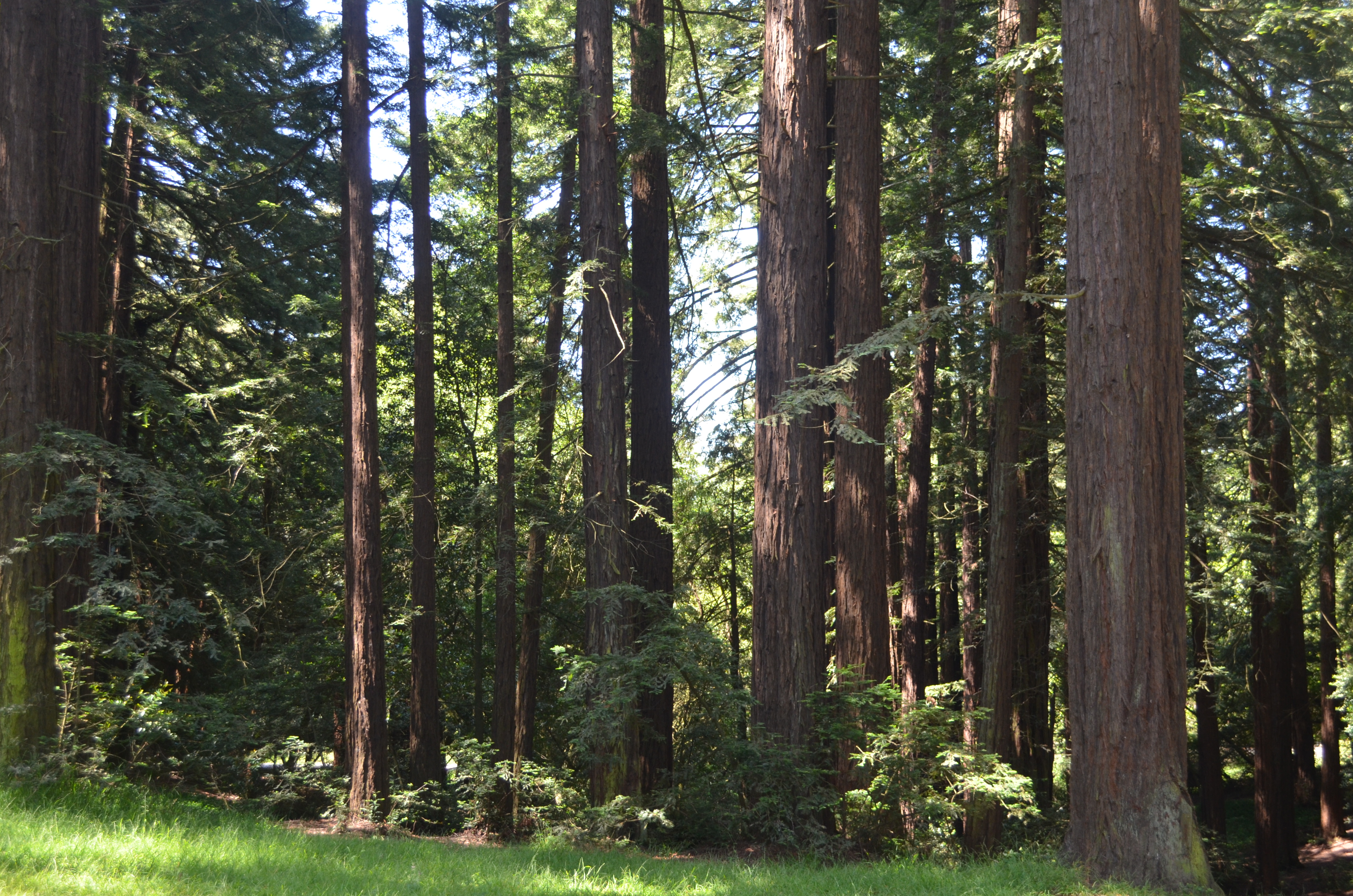
Then we drove by the entrance to George Lucas’ Skywalker Ranch, pointed out by a local.  She remarked that the woods we were passing through were the setting for the Battle of Endor (she didn’t say that and I had to look it up).  You know the one where the rebels and the Ewoks fight the stormtroopers in the woods.  Of course, you know.  That great scene where they rode those fast things that raced through the trees.  Anyway, I could see what inspired it and where it was filmed (except for the computer stuff, of course). It looked like this area…

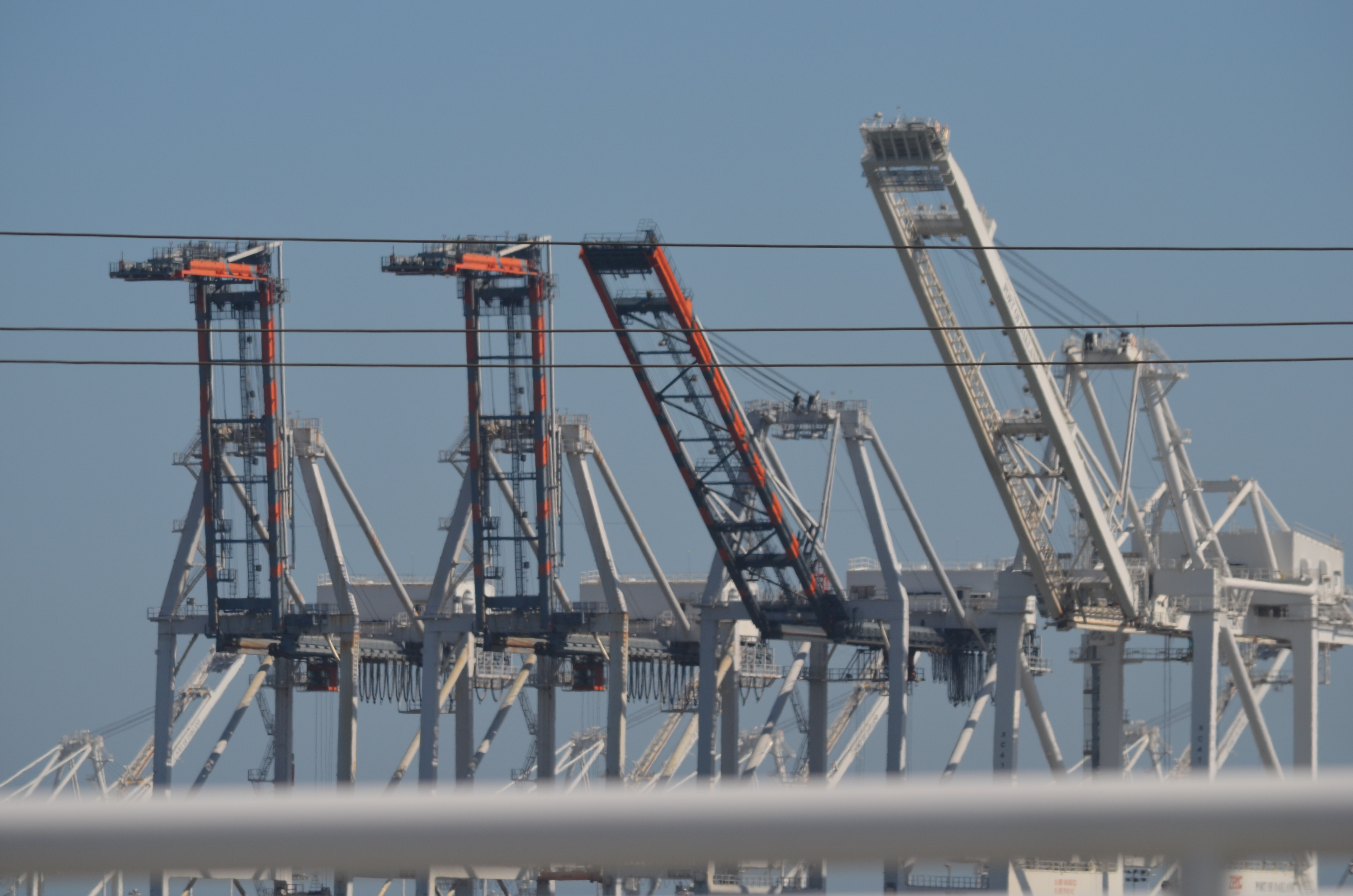
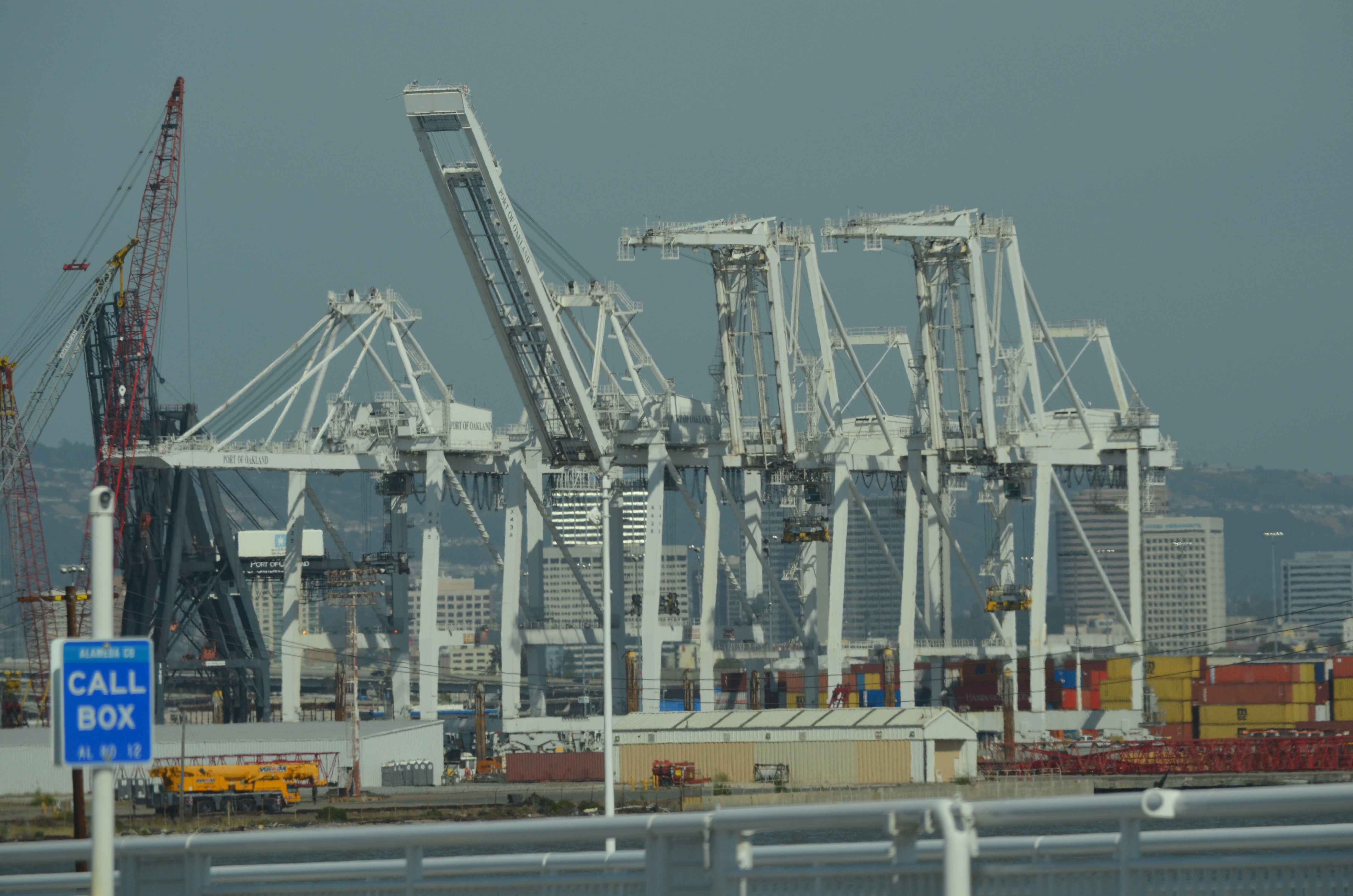
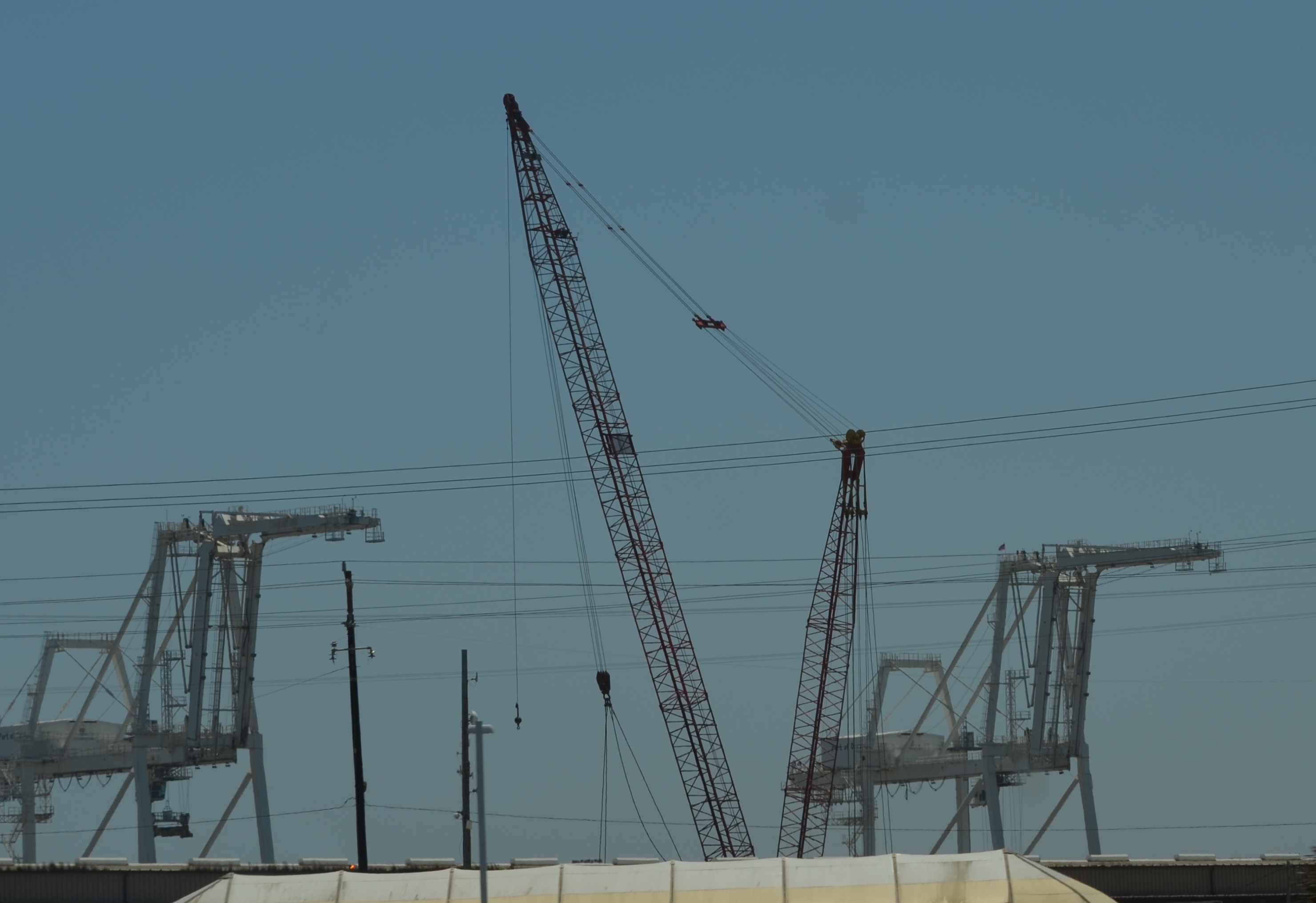
DSC_0167I learned that the cranes that we kept passing on the way across the Oakland Bay Bridge into San Francisco were the inspiration for many of the big machines in Star Wars.  After all, George Lucas passed them all the time.  It makes sense.  From then on, I tried to capture the images as I was driven by them.  Can’t you see them marching across the movie screen?

DSC_0402 DSC_0405 DSC_0398 DSC_0401 DSC_0288 DSC_0287

I guess I’m getting too excited.  There are still months to go and more trailers to entice us and more products to show up in the stores and I know that we will all be in that theatre, waiting for the music and the opening and the familiar heroes.  I’m excited that there’s a new generation getting their own episodes and new parents walking around picking up the beloved toys and just crazy fun for this old grandmother to share.  Silly…

Highway 51 between Tulsa and Stillwater was the route I took in college, driving it so many times that I knew the landscape by curve in the very curvy road.  They’ve straightened it out, as it was way too dangerous for a road that was driven by college kids in all states of a hurry.  They’ve added a turnpike which lets you out on the other side of town and is a nice drive, the one that I usually take.  Sometimes, I take the old route, just for the heck of it.

This week, I had seen a bit of an old movie, “The Doolins of Oklahoma,” made in 1949 and starring Randolph Scott as Bill Doolin.  The real Bill Doolin didn’t look like Randolph Scott, being a rough looking little guy.  The only photo I’ve seen of him shows him dead with about twenty gunshots in his chest.  Lovely.  He was also not any kind of a hero, having formed his own gang, The Wild Bunch, the same one of legend status.  And those guys spent a lot of time in Oklahoma, along with the Dalton gang and others.  We were the wild west, after all.

Just outside of Stillwater, right off Highway 51, it turns out that the town of Ingalls was the site of one of a big gunfight, the Battle of Ingalls.  You can look up the details, but it seemed like I needed to see what was there, knowing it wasn’t much.  It was just about 2 minutes off the road, a road I’d driven so many times over the past 50 years.

I turned onto Ingalls Road and headed for the one intersection that is left, passing Dalton Lane, a scattering of houses.  Nothing much to speak of out here.  Ingall was a land rush town, one that never really took off.  At the time of the infamous battle, the population was 150.  All that’s left now are a school, a fire station, a few houses, many with cars in the yard, and a bit of history.

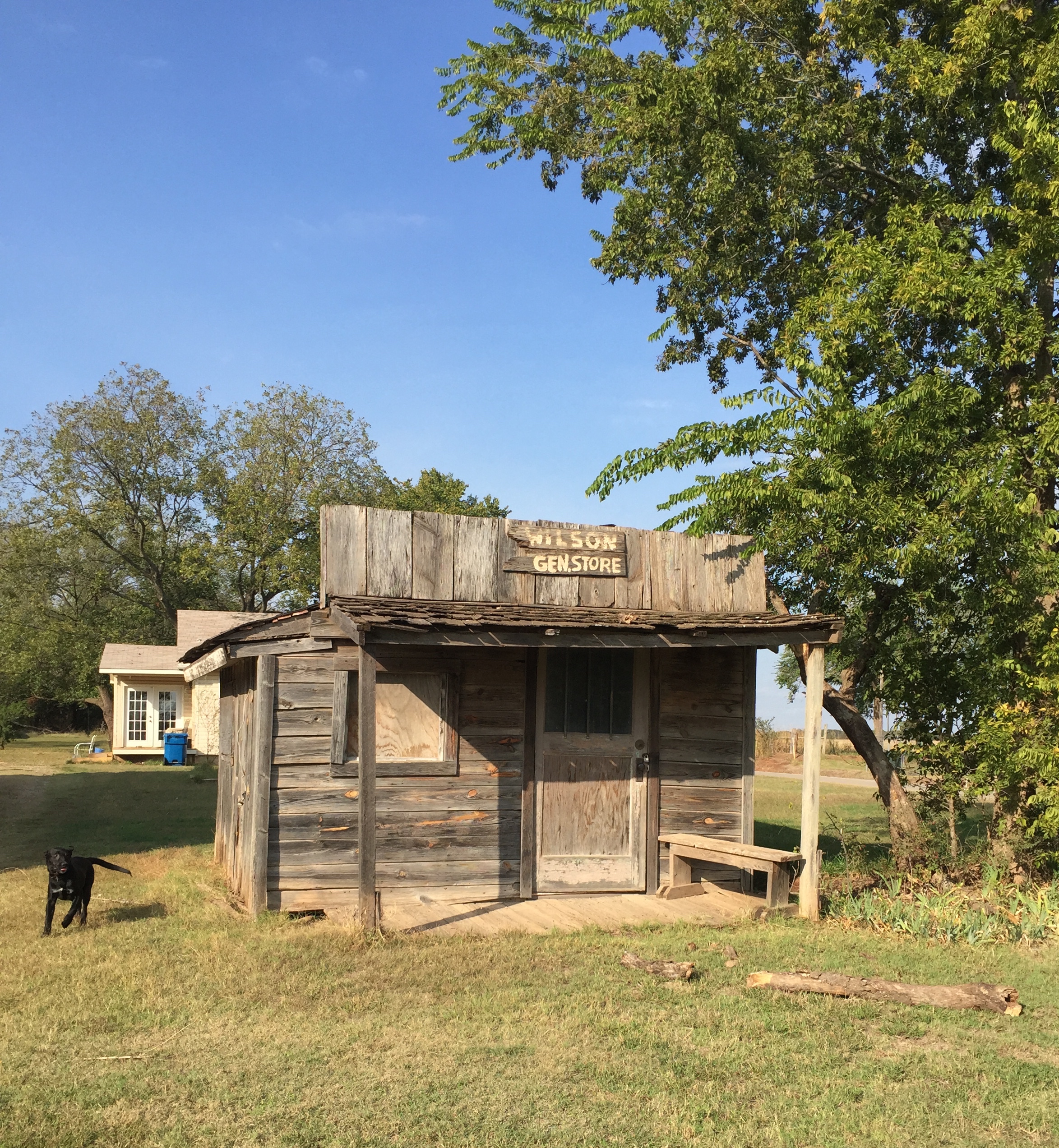
Here’s what’s left of the main drag from the late 1800s.  When you turn the corner, there is a little general store.  IMG_5303

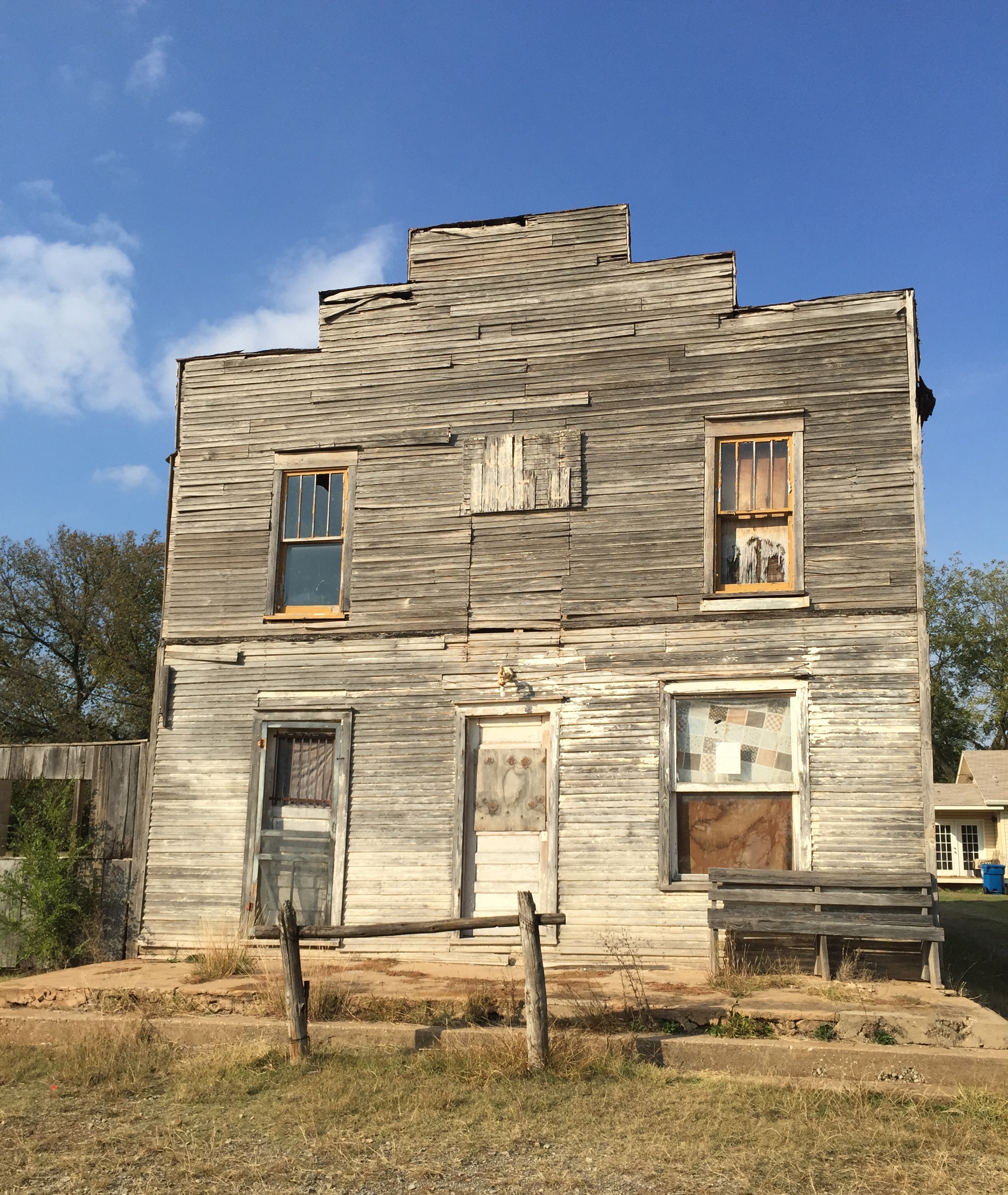
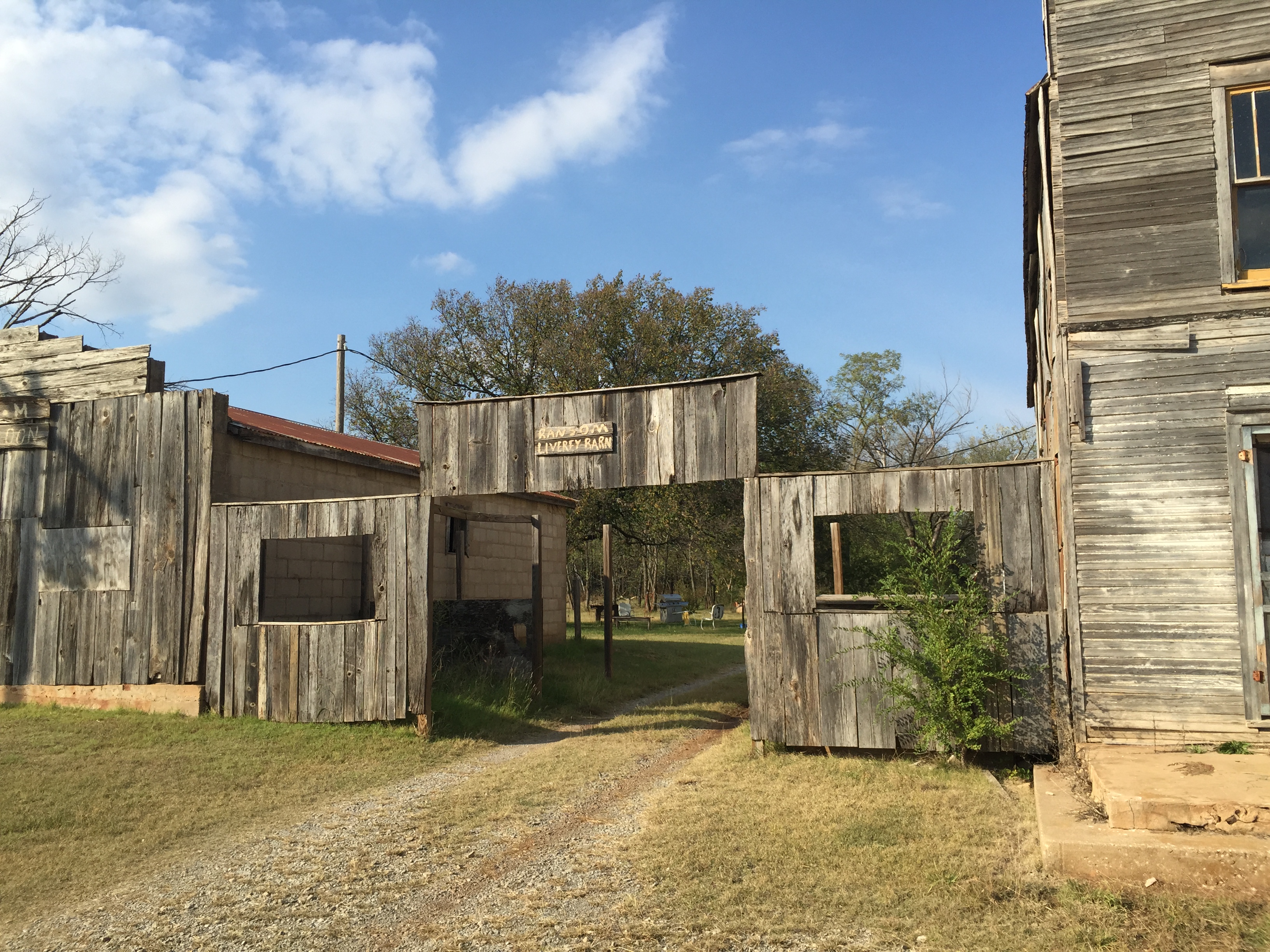
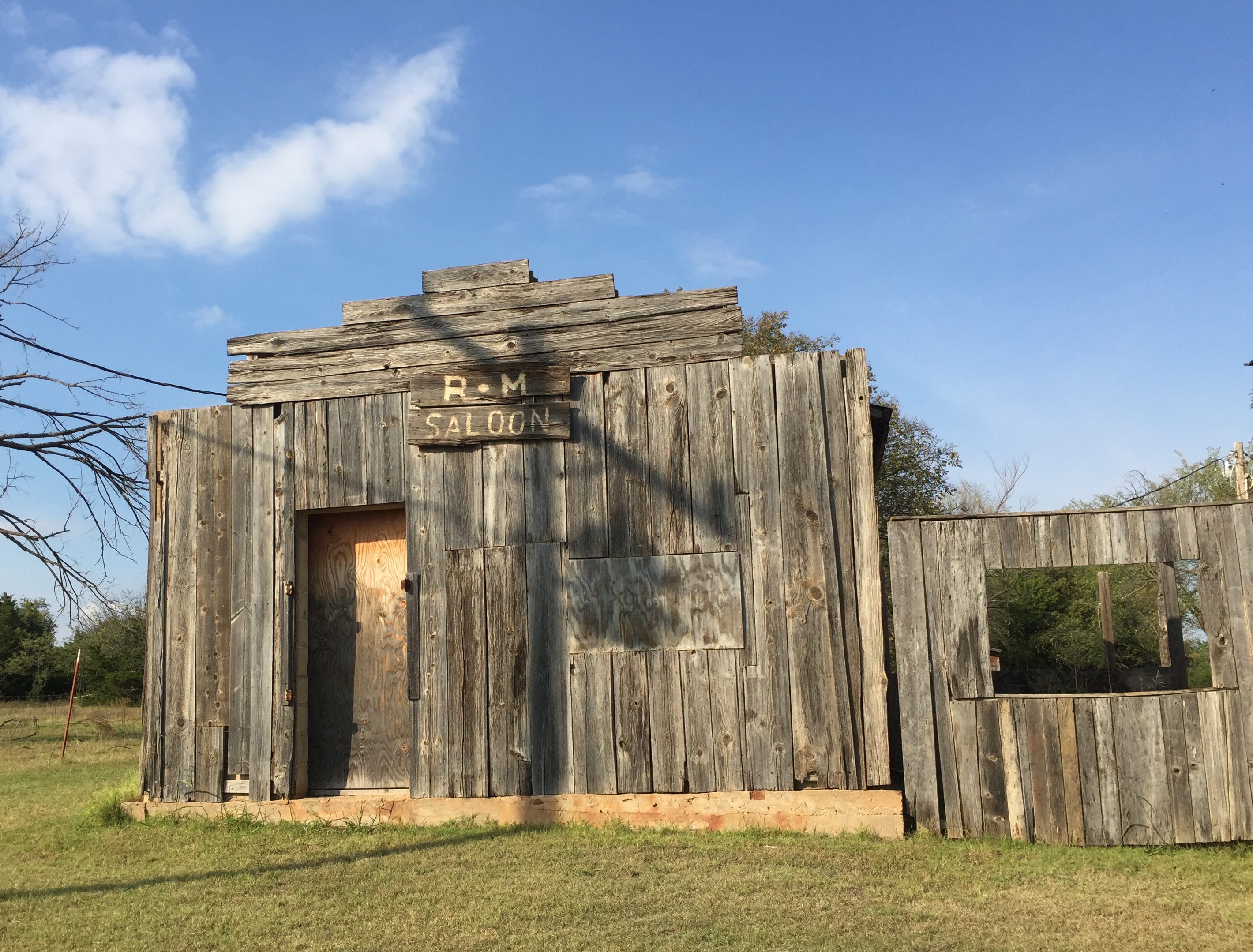
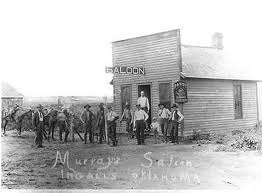
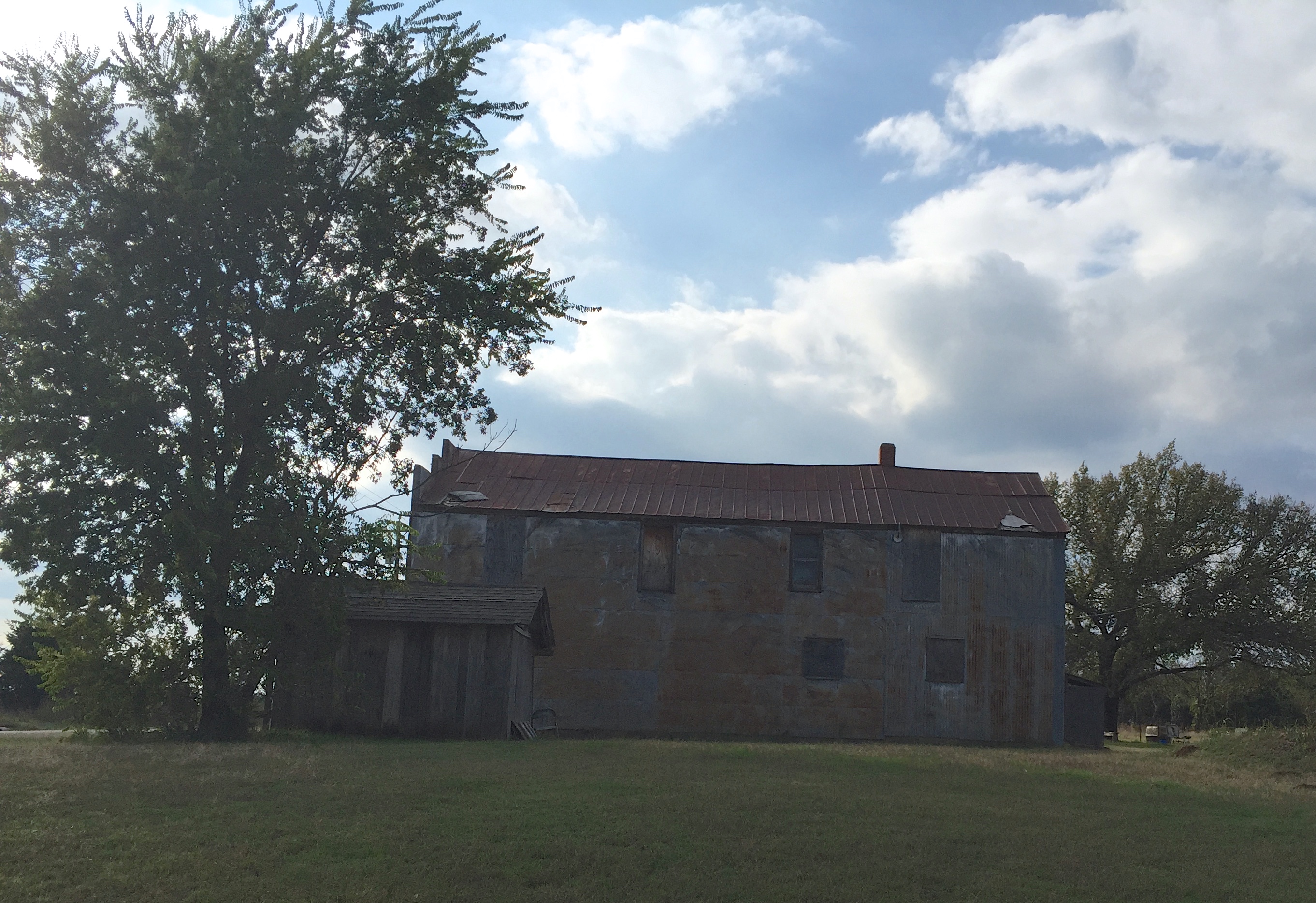
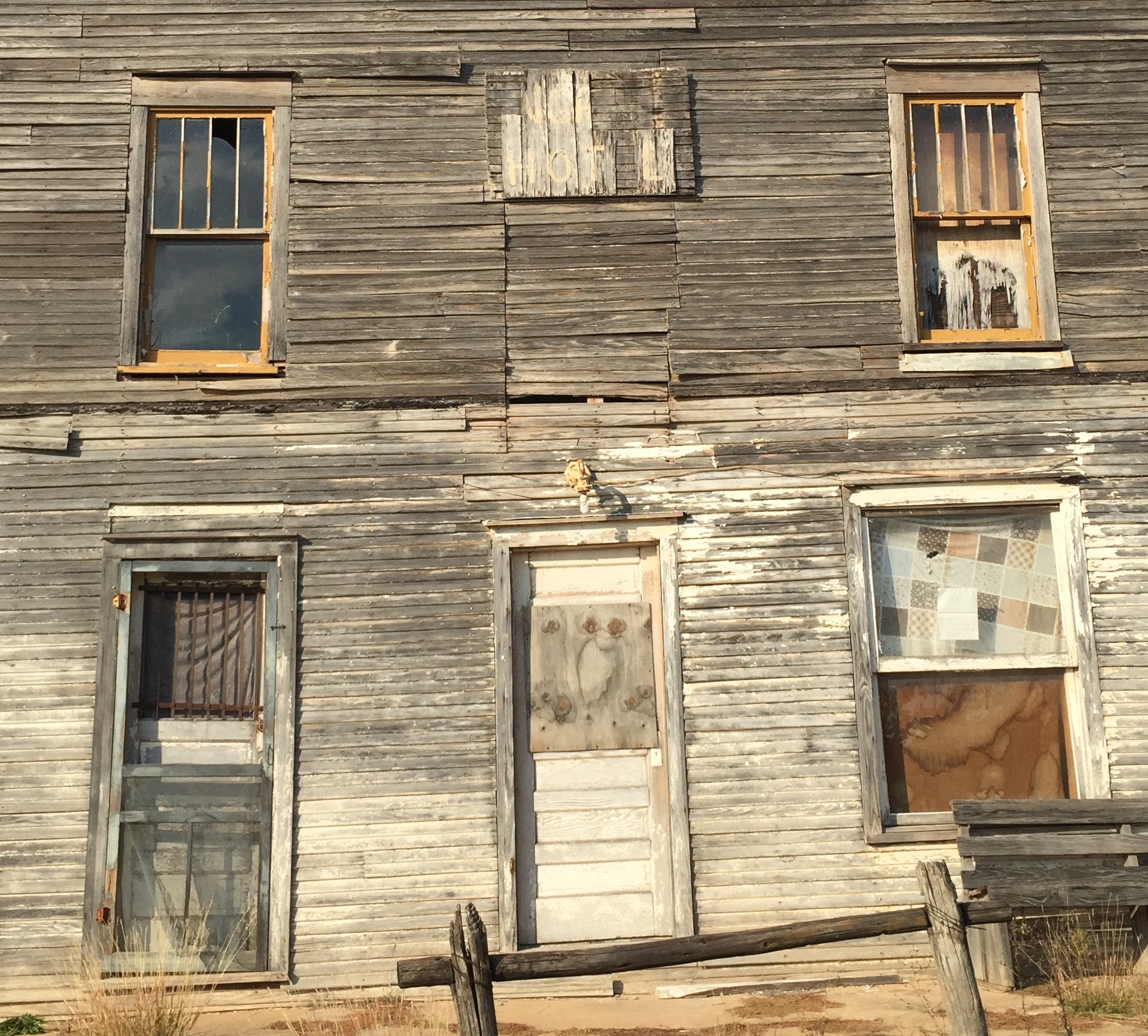
Two dogs ran to greet me from the new house behind and waited to see what I was doing, licking my feet as I snapped pictures.  Surely they’ve seen other visitors, although the residents haven’t done anything to make this into a tourist stop.  Nothing at all.  Beside the drive was the rest of the street, left as it was…the Ingalls Hotel with hitching post out front, livery barn and saloon.  That’s all that’s left.  IMG_5304The hotel is big for this little town.  I guess it was full of desperados, hanging out.  Who else would be coming here?  IMG_5305The livery barn next door has only the front left, but you can see how far back the hotel goes.  Not very plush, even in its heyday, I bet.  IMG_5309IMG_5306Then, there’s the saloon.  You can paint your own images of this place when it was alive.  IMG_5307Not very big.  But then, I’ve seen lots of old saloons and they aren’t anything compared to the Hollywood images we grew up with.  Here’s the guys hanging out at another Ingalls saloon, back in the day.    UnknownOf course a town like this had to have more than one saloon.  It was a pretty day, so I drove past the R & M Saloon, where the road turned to dirt and turned around at the sign that said Private Property, Do Not Enter!  That was tempting.  Going the other way up the street, I spotted what looked like a monument, and drove towards it.  There was a fire station on one side of the street with a sign in front of it and a house on the other corner with a monument.  Otherwise the town had a few houses and trailers scattered.  Here’s the monument.  IMG_5314IMG_5315And the sign that tells the story from the citizens of Ingalls point of view.  IMG_5316I bet the people in Ingalls appreciated gangs.  Nothing else would ever happen there.  Leaving town, I looked back at the hotel, rusting in the sun with the little general store by its side.  IMG_5317Nothing else is likely to ever happen in Ingalls.  Ever.  I drove past Dalton Lane on the way back to Highway 51, then turned and passed Doolin Road on the way out.  They named streets after the outlaws, not the lawmen.  Isn’t that interesting?

I wonder what other bits of history I’m driving by every day.  It’s fun to discover them, more fun than learning the dates back in some dull history classes I sat through.  No wonder I’m all for historic preservation.  We all need to listen to the stories these buildings can leak to our imaginations.  Treasures all around us…if we look.  IMG_5311 - Version 2

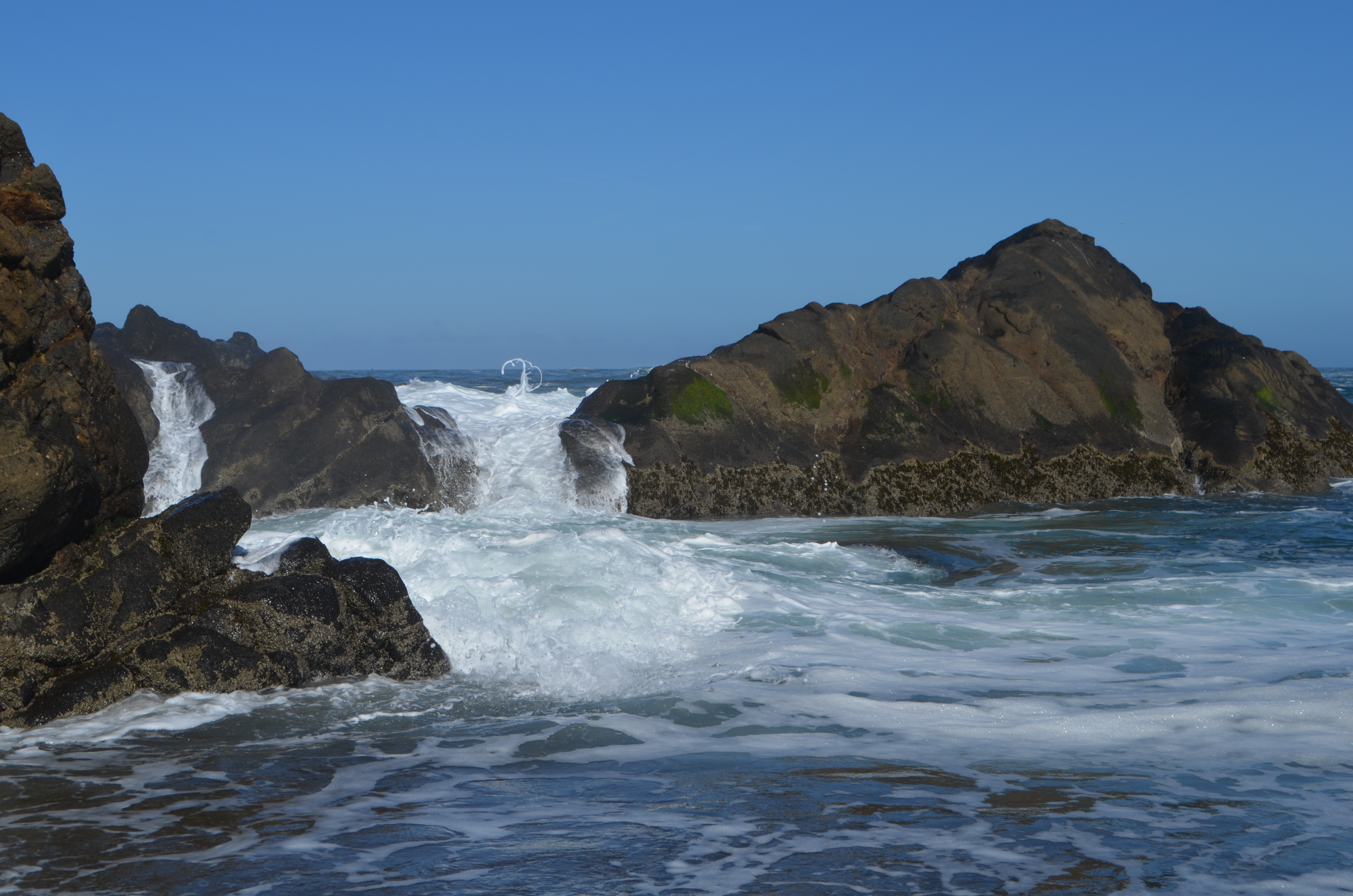
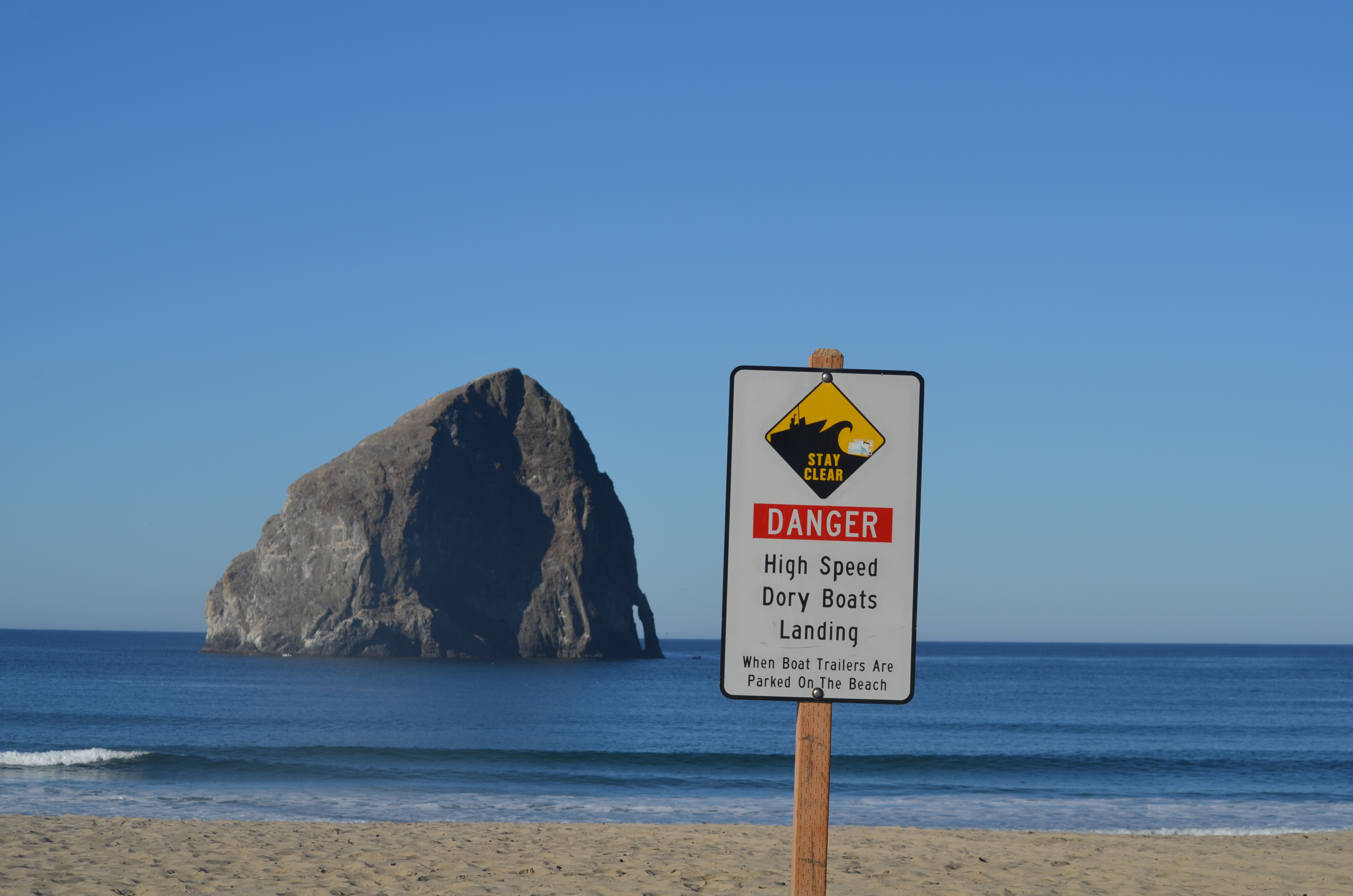
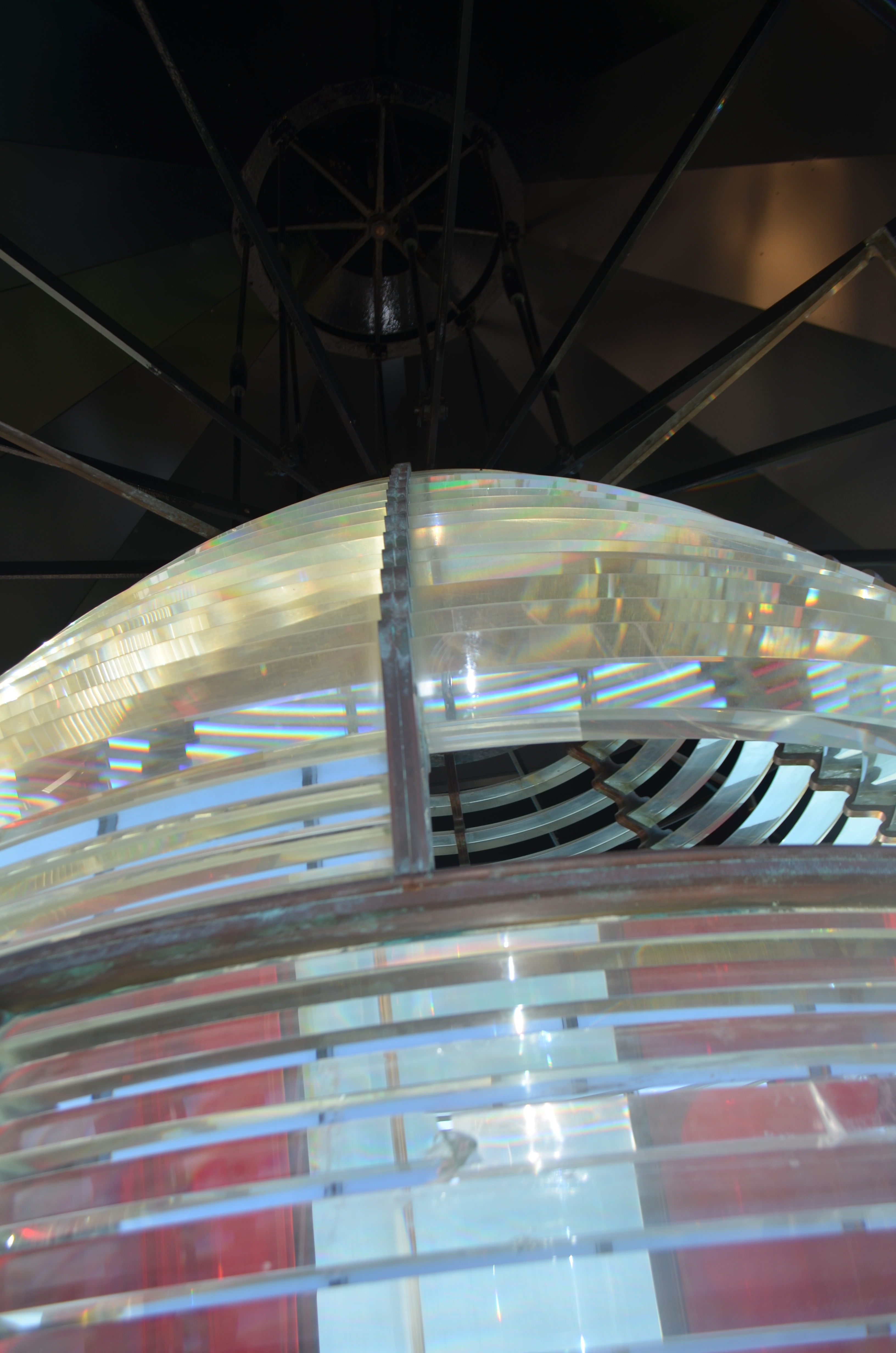
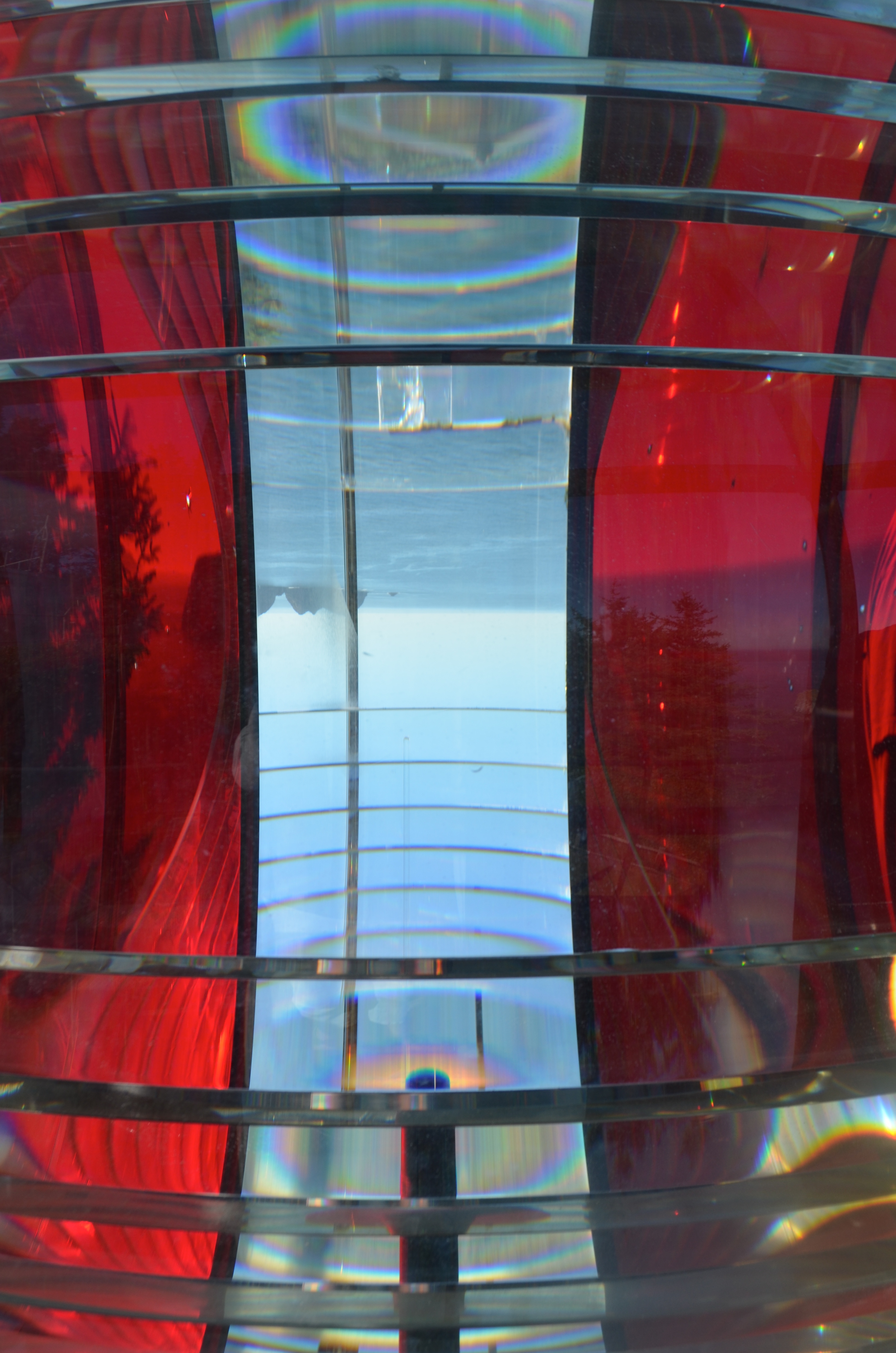
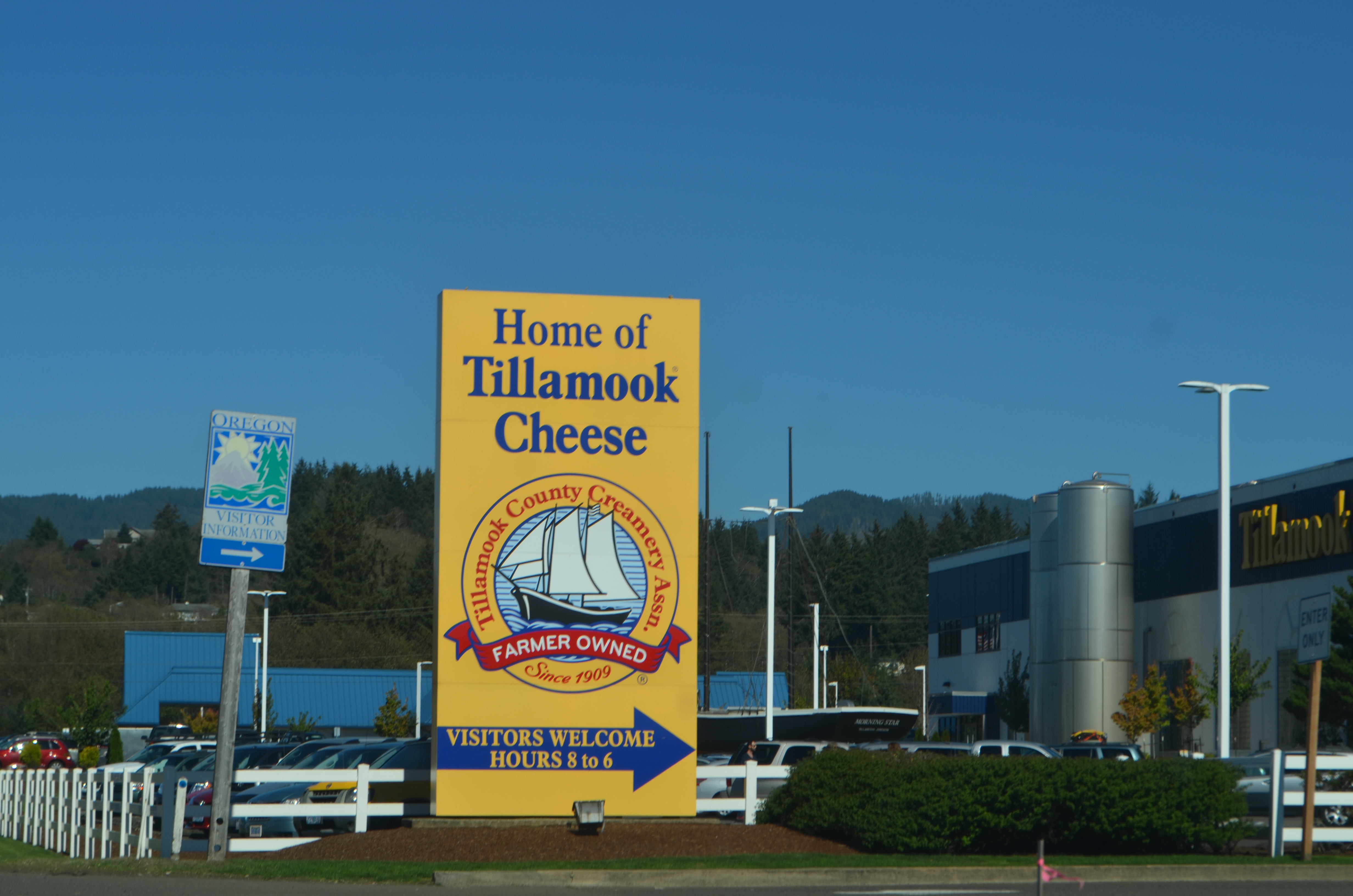
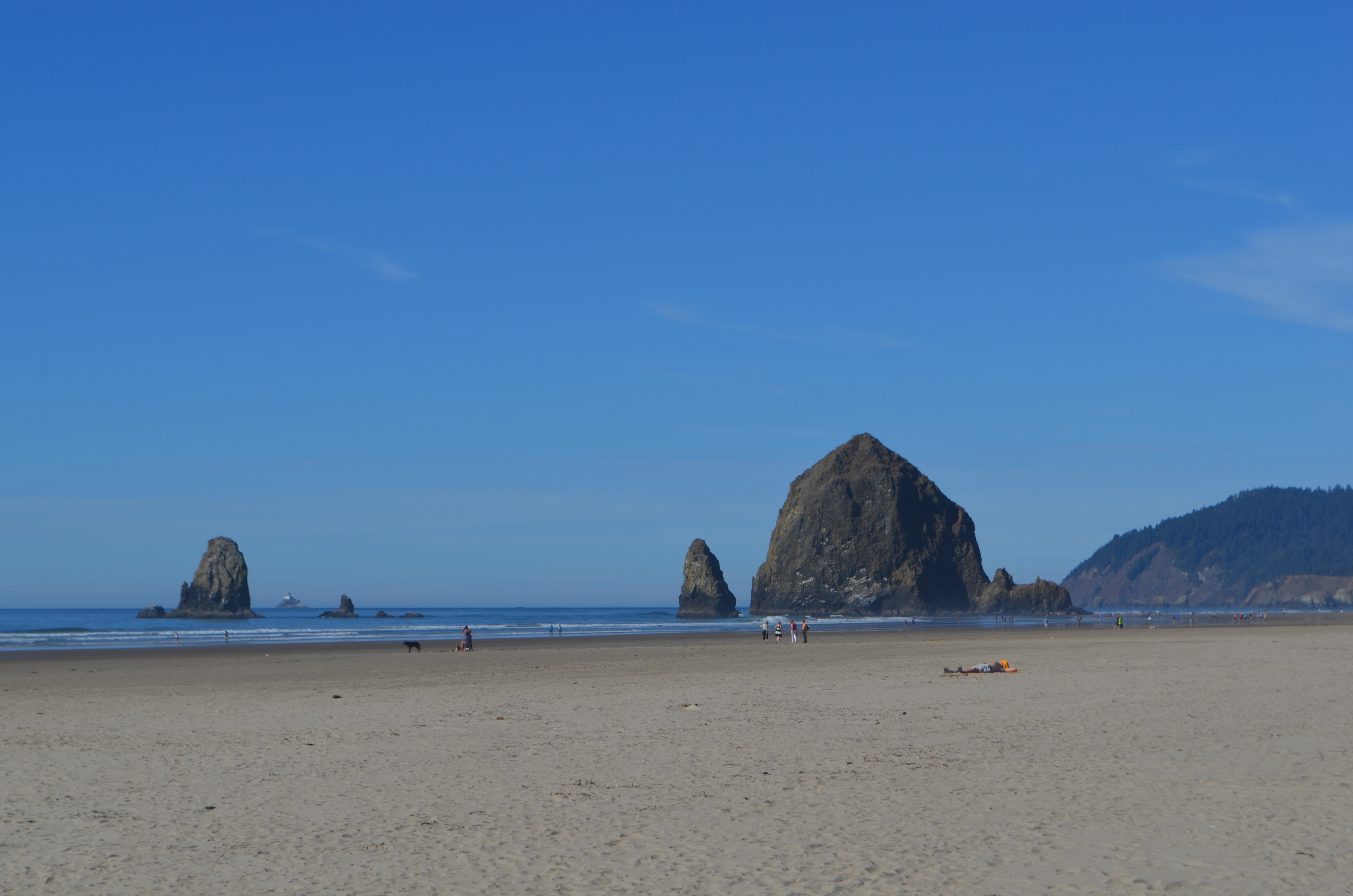
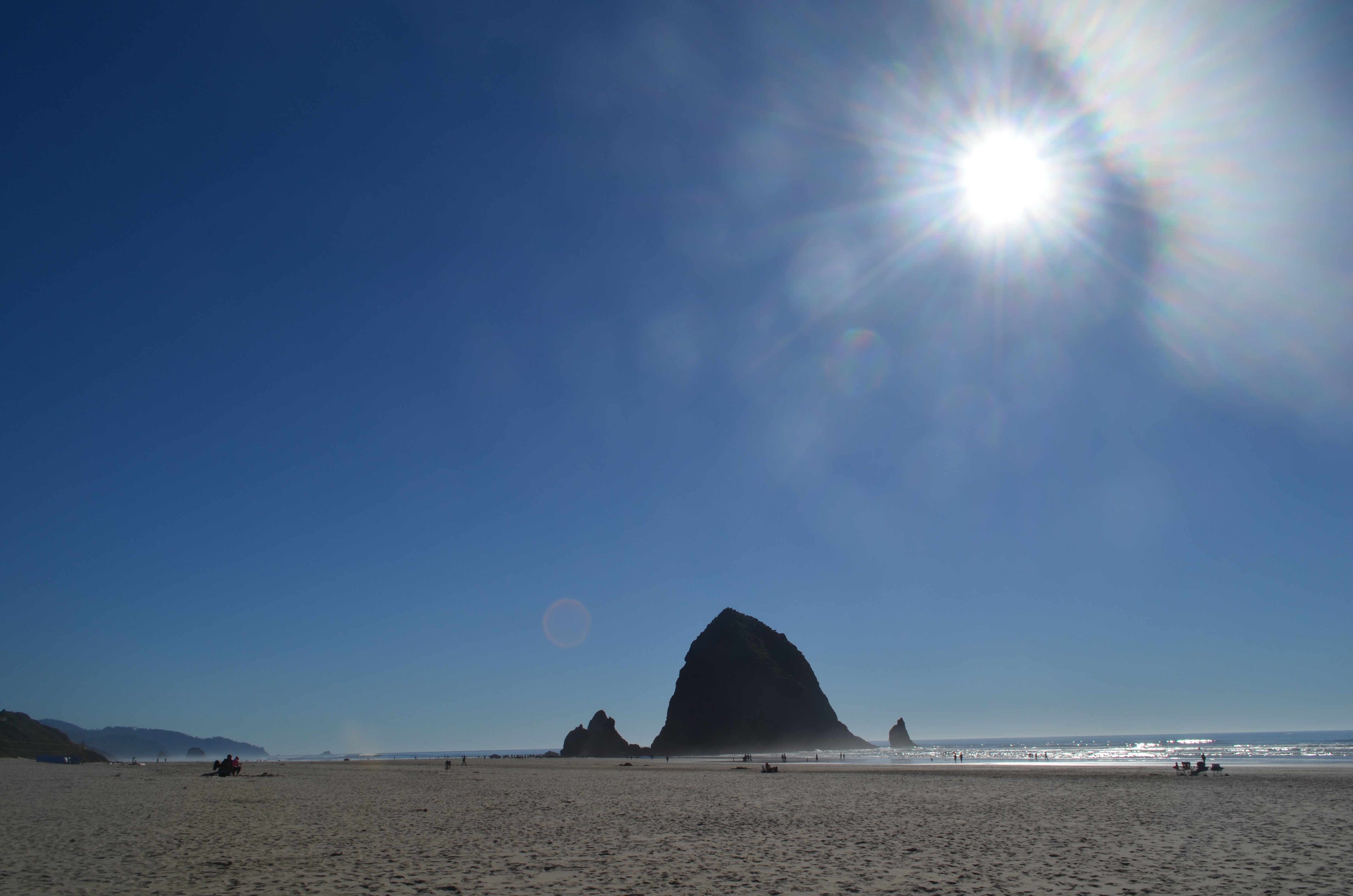
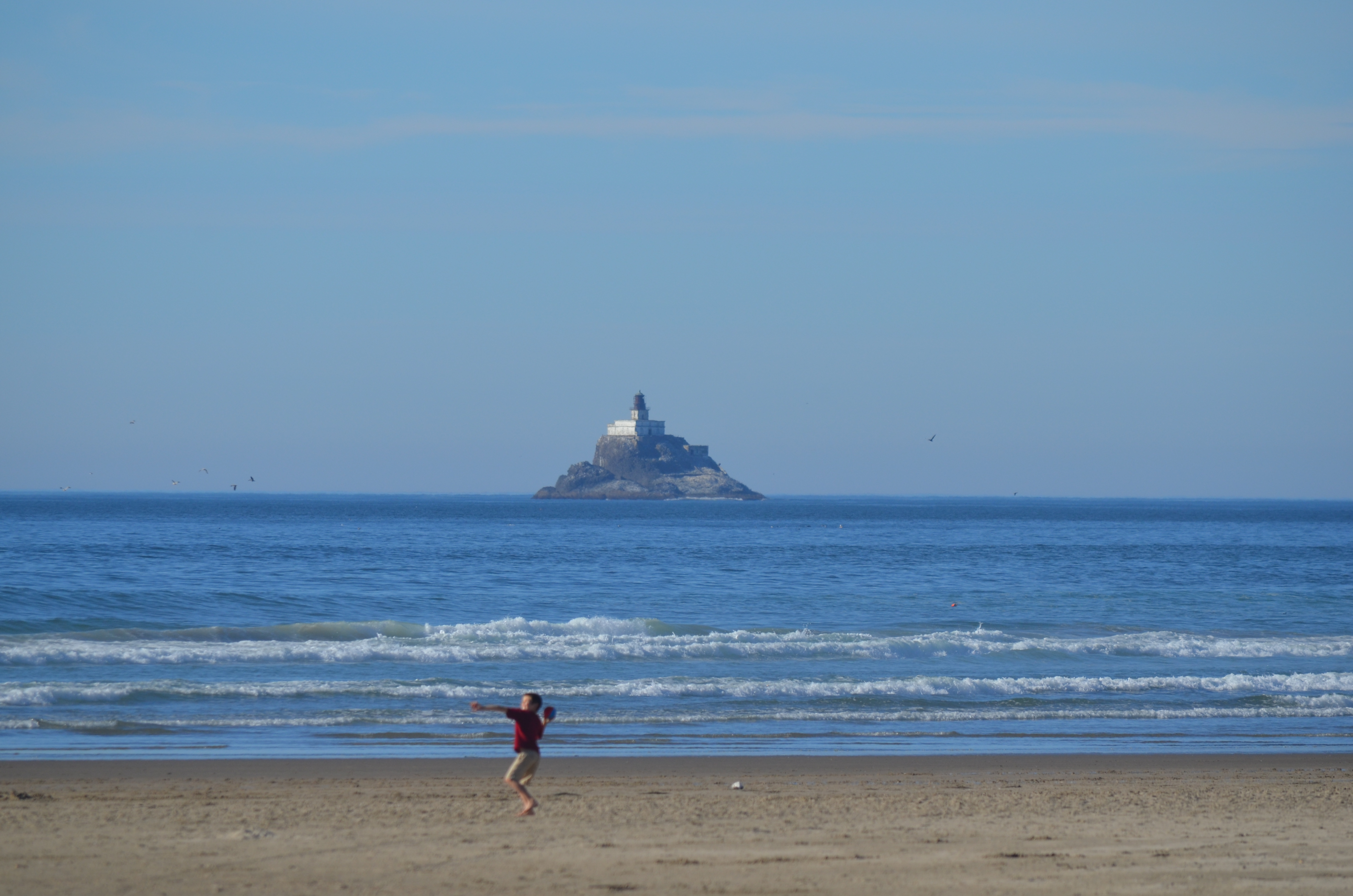
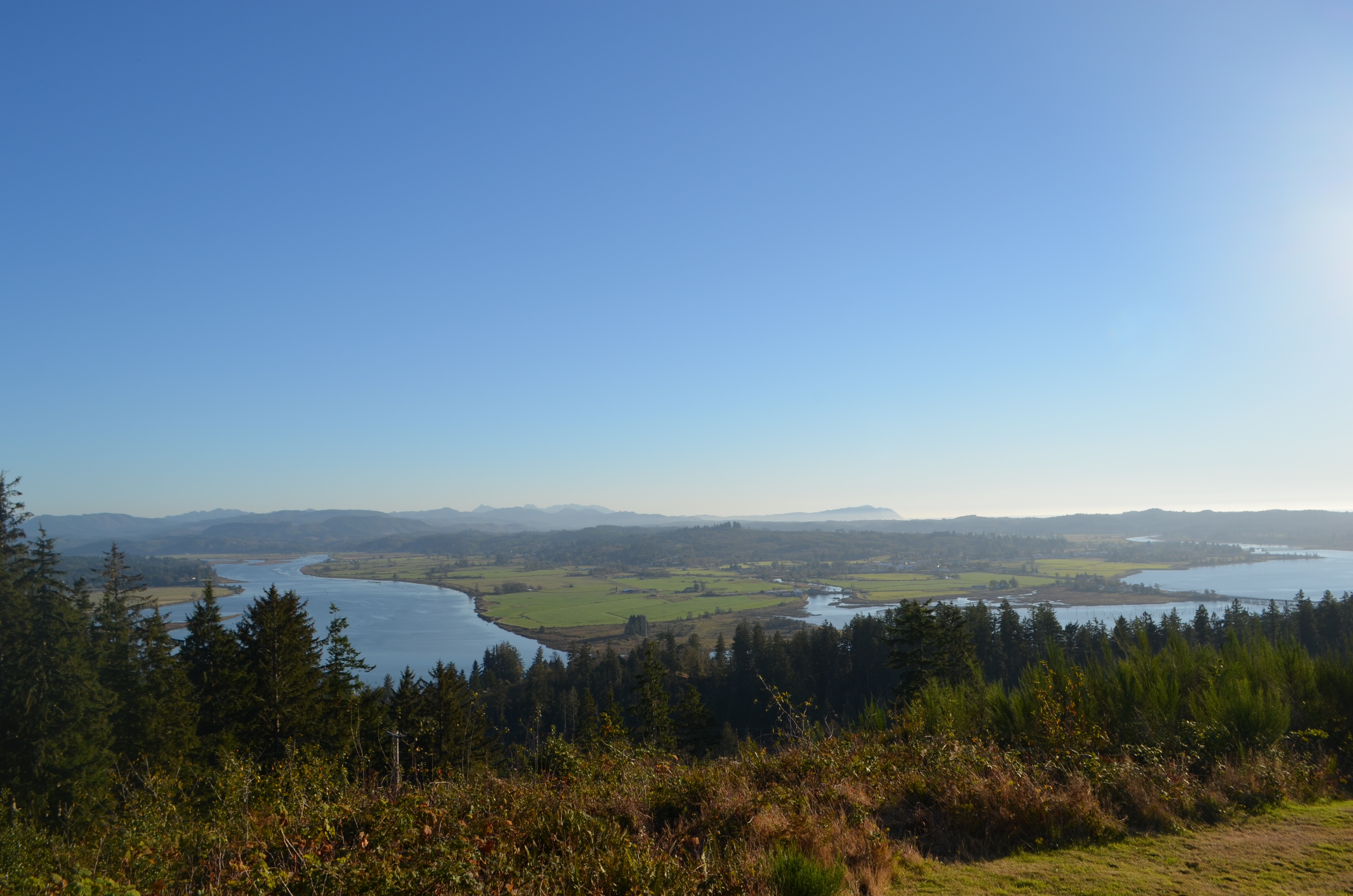
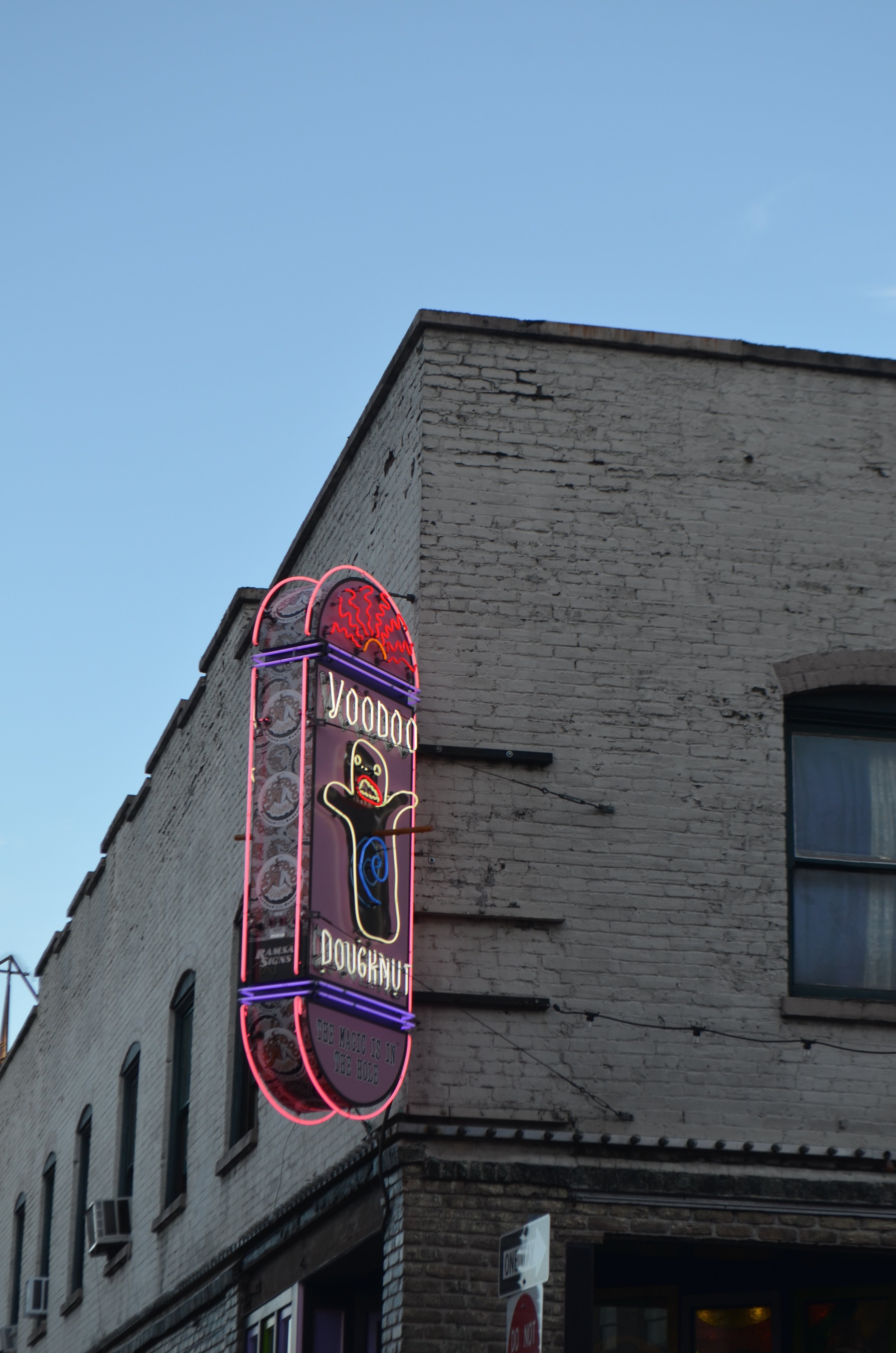
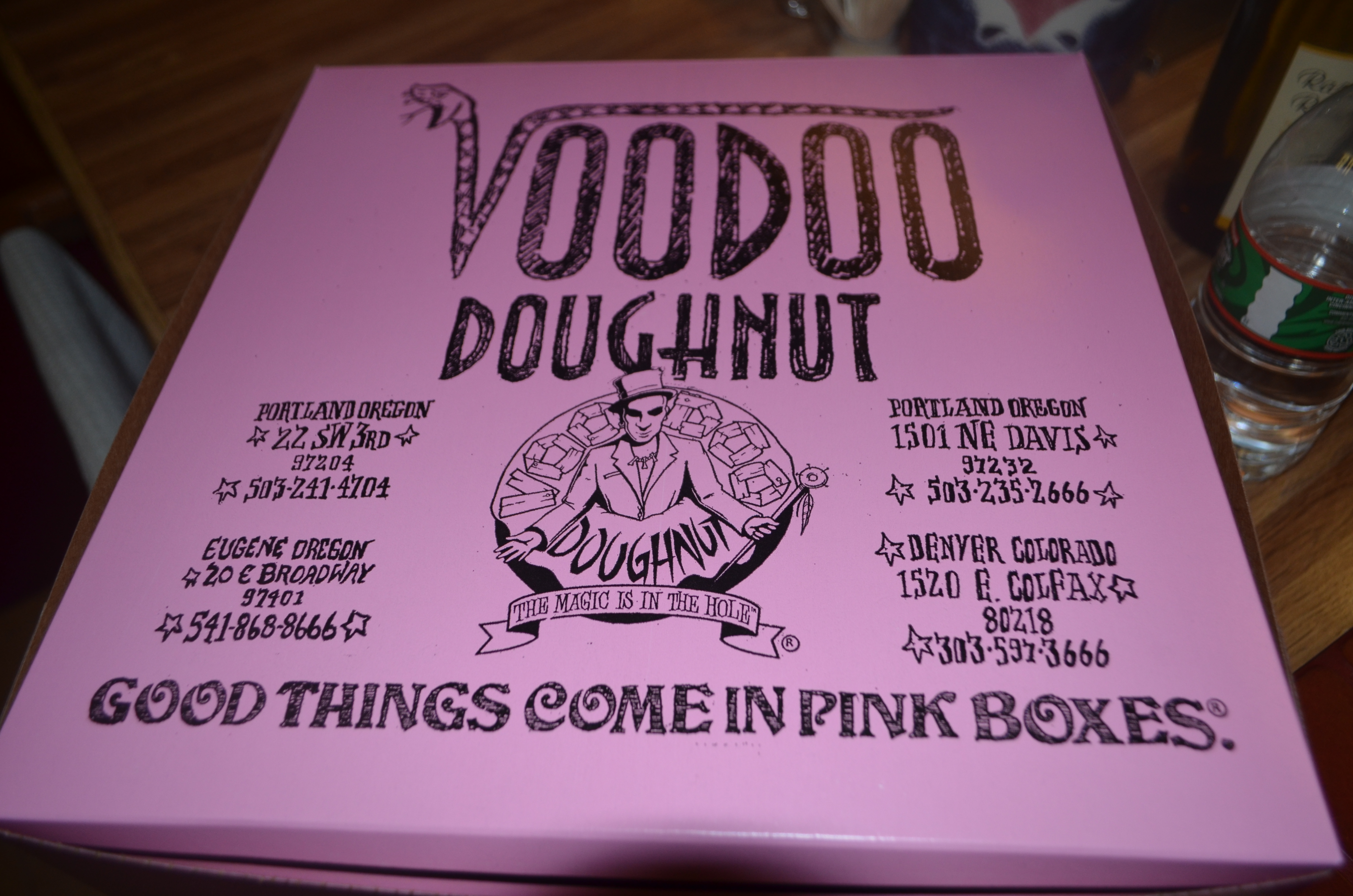
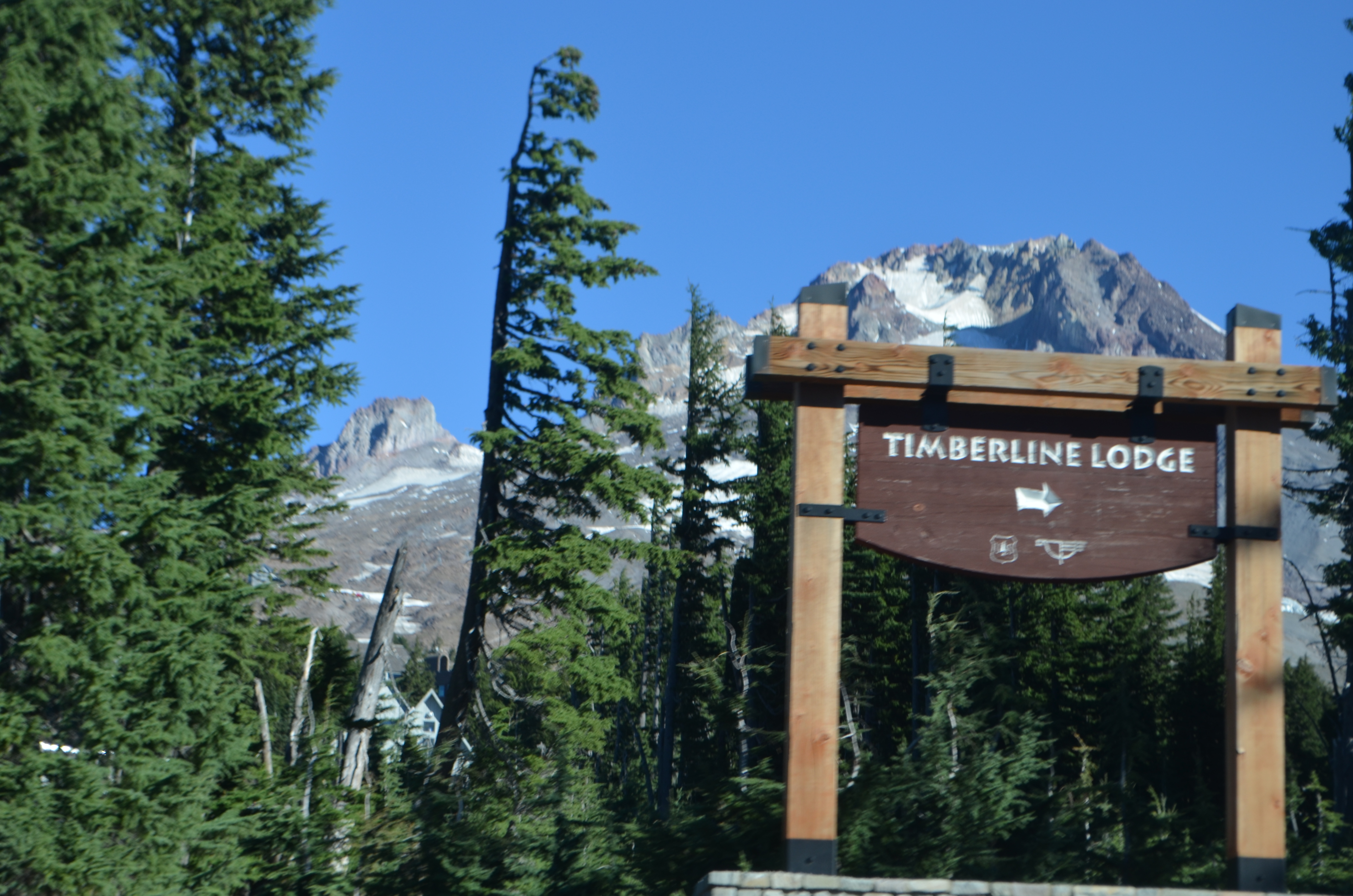
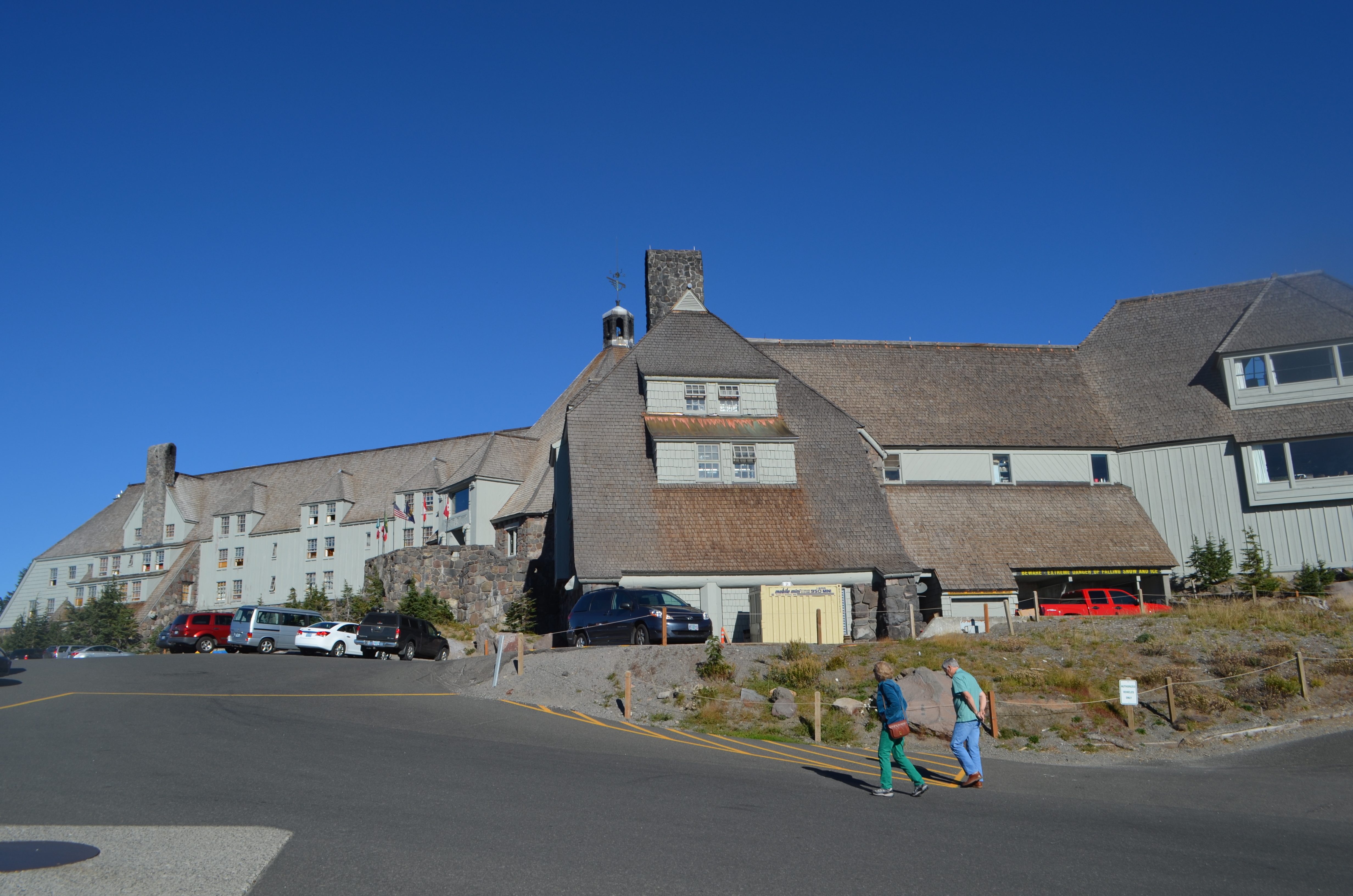
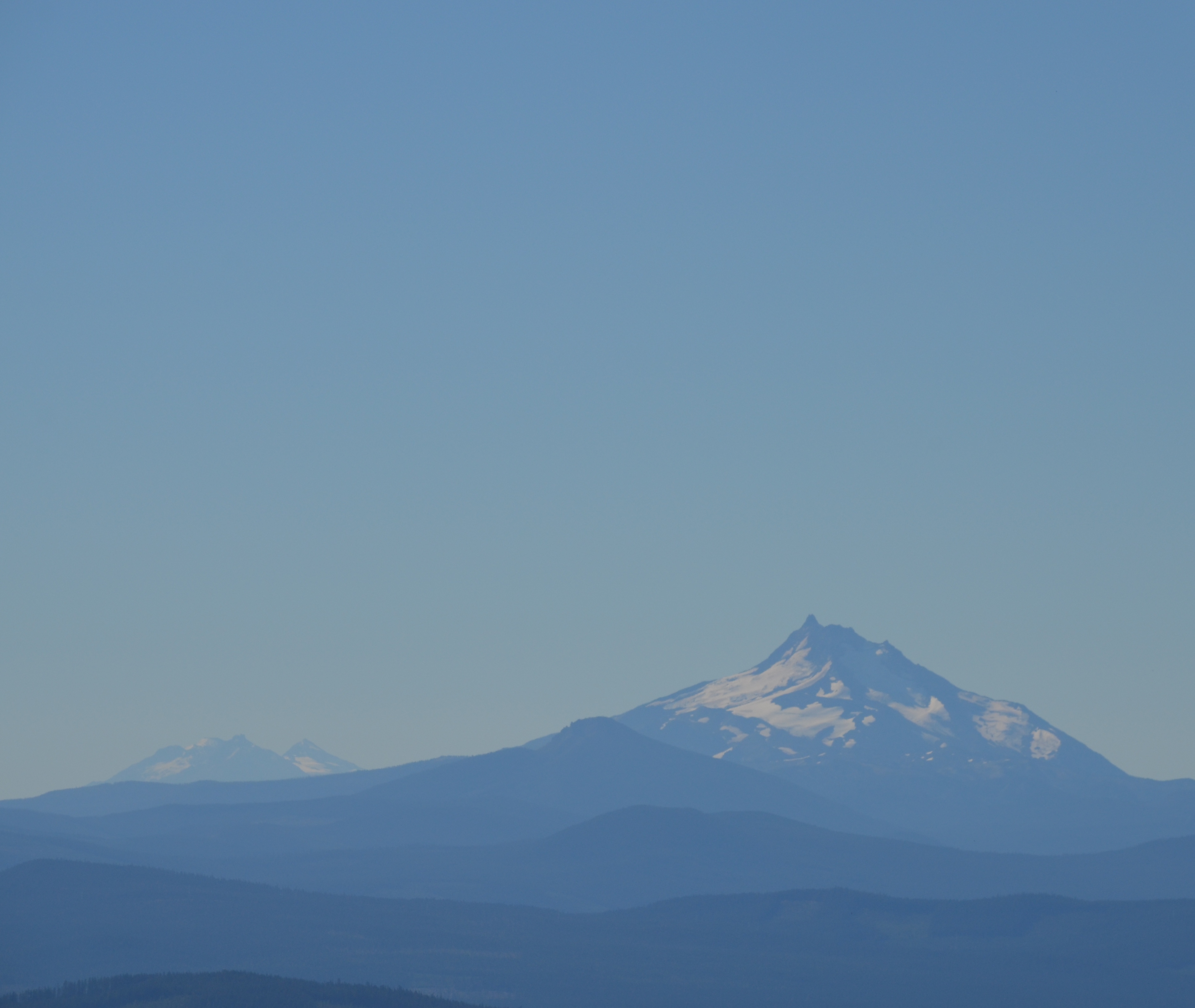
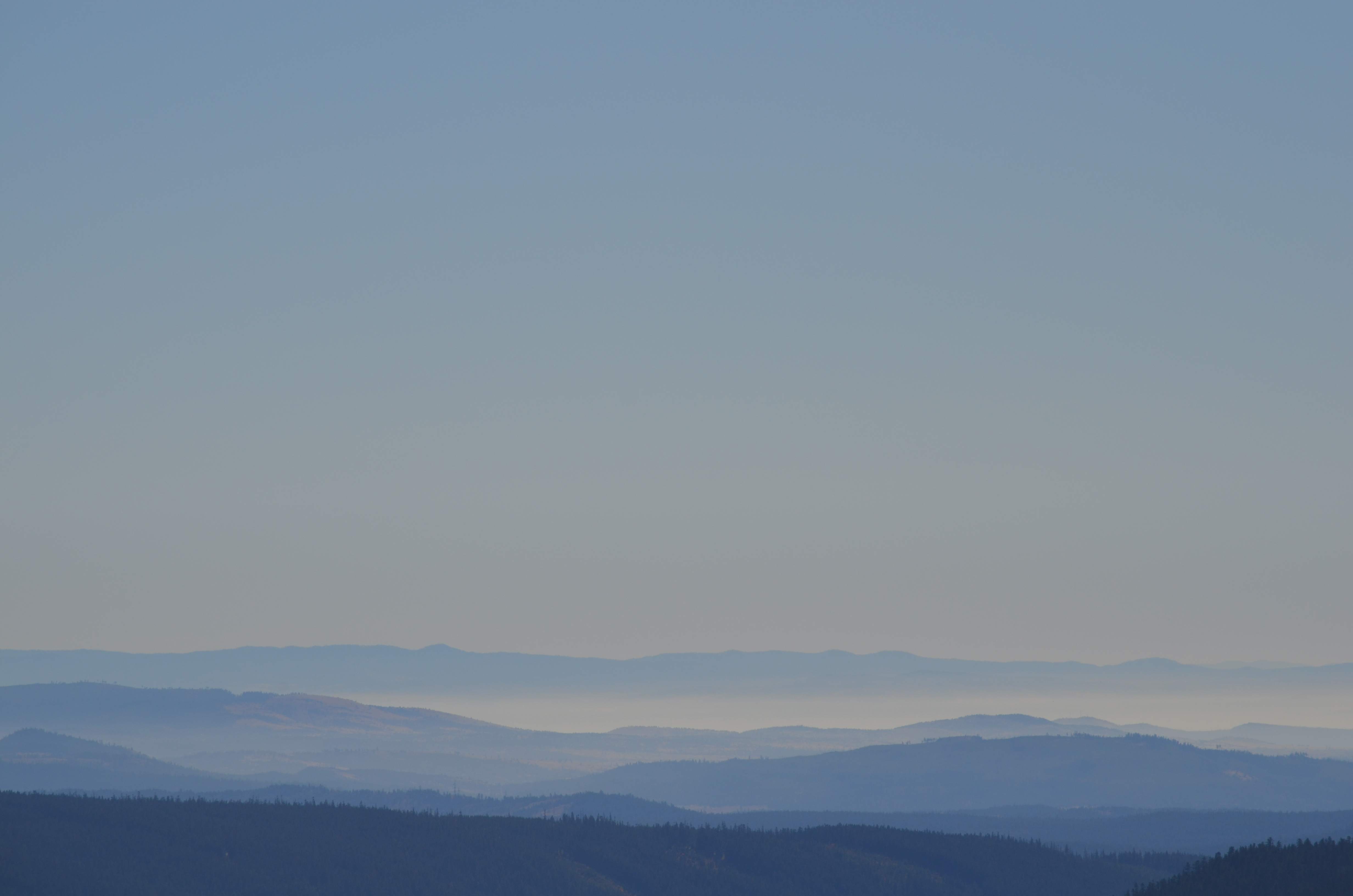
It was hard to leave the central coast of Oregon but time to come back.  I never tire of watching the waves crash around me, so we went up the coast to get back to Portland this time.  One more look at crashing waves, please.DSC_0441 DSC_0418We drove up the coast, leaving Highway 101 to hit the coast drive to Cape Kiwanda…DSC_1330 and Cape Lookout, both with their views and beach warning signs.  Believe me, I wasn’t planning on going off any cliffs.DSC_1337The final Cape was Cape Meares, which was the most delightful of all.   Besides the views…DSC_1344there was the Octopus Tree, a 300 year old Sitka Spruce tree that fits into my memorable trees collection.DSC_1350And the shortest lighthouse, at 38 feet, on the coast.DSC_1363My tour was interesting, giving me insight into the life and work of the lighthouse men of our past.  Not an easy job.  This one had the original glass for the clear sections, beautiful in the sunshine.DSC_1374 DSC_1375We headed back to Highway 101, stopping in Tillamook, where barn quilts decorate buildings all over town.  I wasn’t familiar with this until this summer, so now I’m looking for them when I travel.  Here are a few I saw.DSC_1381 DSC_1382 DSC_1385I can’t go to Oregon without getting Tillamook Ice Cream, the creamiest ever.  Besides they have wonderful flavors like Marionberry Pie and Huckleberry.  Tillamook Cheese is a destination, a farmers’ co-op where you can watch the cheese being made, shop and eat, tasting all the flavors of ice cream, milk and cheese.  I can get the cheese at home, but not the ice cream!  I always have to stop, joining the crowds who share my passion.DSC_1389Our next stop was at one of the amazing beaches in the world, Cannon Beach, home of Haystack Rock.  On this particular day, it was sunny and warm.  People were sunbathing in Oregon in October.  I had to stop at both ends of the beach for the beautiful views of the rock.  Here’s looking from the south to north.  DSC_1390And north to south with the rock shining in the late afternoon sun.  You can’t imagine how big this thing is.  And how big the beach is.  Incredibly beautiful.  And fun.DSC_1399I got a clear shot of Tillamook Lighthouse, perched on its lonely, dangerous rock, from the beach, looking north.DSC_1402Although I could have dawdled all day on the beach, we were trying to reach Astoria by dark, so we headed north.  It was late in the day, but we were able to go to the top of the hill where the Astoria Column, concrete carved with the history of the region, sits.  I was too tired to climb the 168 steps to the top, but the views from below were incredible and the column is an incredible piece of art.DSC_1416Looking towards Astoria, you see the bridge that takes you from Oregon to Washington, and you feel chills thinking of the Lewis & Clark expedition charting these waters.  Looking to the view, where the mighty Columbia River meets the Pacific Ocean is breathtaking in its importance.  DSC_1410On the other side of the hill, the Youngs River and the Lewis & Clark River enter Youngs Bay before joining the Columbia.  DSC_1428The charming city of Astoria is the oldest settlement in America west of the Rockies.  I’ll return for more.  I did love the trash cans in Astoria, symbolic of one of the major industries of the area.DSC_1435We headed east to Portland, leaving the coast behind us.  The next day, we went into Portland for the underground tour, which was very little underground, but a lot of colorful history of the wild and wooly days of early Portland.  Very fun.DSC_1440I’ve been to Portland various times in the past five years, enjoying the diversity and casualness of this beautiful city.  We had a wonderful tea and late lunch in one of the few Chinese restaurants left in Chinatown.  DSC_1441DSC_1448I really wanted the Hung Farlow to still be open, but they are saving the sign.  DSC_1443Portland has the signs saying “Keep Portland Weird,” just as Austin has signs that beg us to “Keep Austin Weird.”  I’m thinking “weird” is just a word for being open to everything.  There were more homeless than I remembered from my last visit, but just as many colorful people, trying to be as weird as possible or to fit in however they can.  It’s part of the charm really.   We finished our tour and joined local friends for a fun Thai dinner, watching the sport of Sepak Takraw, a combination of hackey sack and volleyball, on the television.  DSC_1462We’d passed the famous Voodoo doughnut place on our tour, but stopped at the second location on the other side of the river to stock up on the notorious doughnuts.  We HAD to have this Portland experience and included one Voodoo man doughnut in our box for fun.DSC_1458 DSC_1480The next day, our final day in Oregon, we traveled to Timberline Lodge on Mt Hood.  It was a beautiful day, warm even at 6,000 feet, and the views were spectacular.DSC_1485DSC_1492Timberline is an old WPA lodge and everything inside is hand made from local materials, including the furniture, drapes, hand wrought iron, carvings.  The building, used in the opening shots of “The Shining,” is a tribute to the craftsmen and women who worked in the program, not only grateful for jobs during the depression but showing deep pride in their creations.  It was a total delight.  The six-sided fireplace, made of local rocks, runs up through the three stories of the main lobby, with three fireplaces on two levels.DSC_1514I loved the scenes carved in linoleum on the walls of a meeting room.DSC_1504The views of Mt Jefferson and Mt St Helens in the distance were lovely.DSC_1527And the mists over the hills gave us the layers of blue against the clear sky.  DSC_1532The top of Mt Hood was rocky, but they continue to manicure the dusty snow for the skiers we passed coming and going up the mountain.DSC_1519Our Oregon trip ended with meals with friends before we headed back to Oklahoma the next day.  This Okie left with more lovely Oregon memories to fill my senses.  Okie in Oregon.  That’s me.

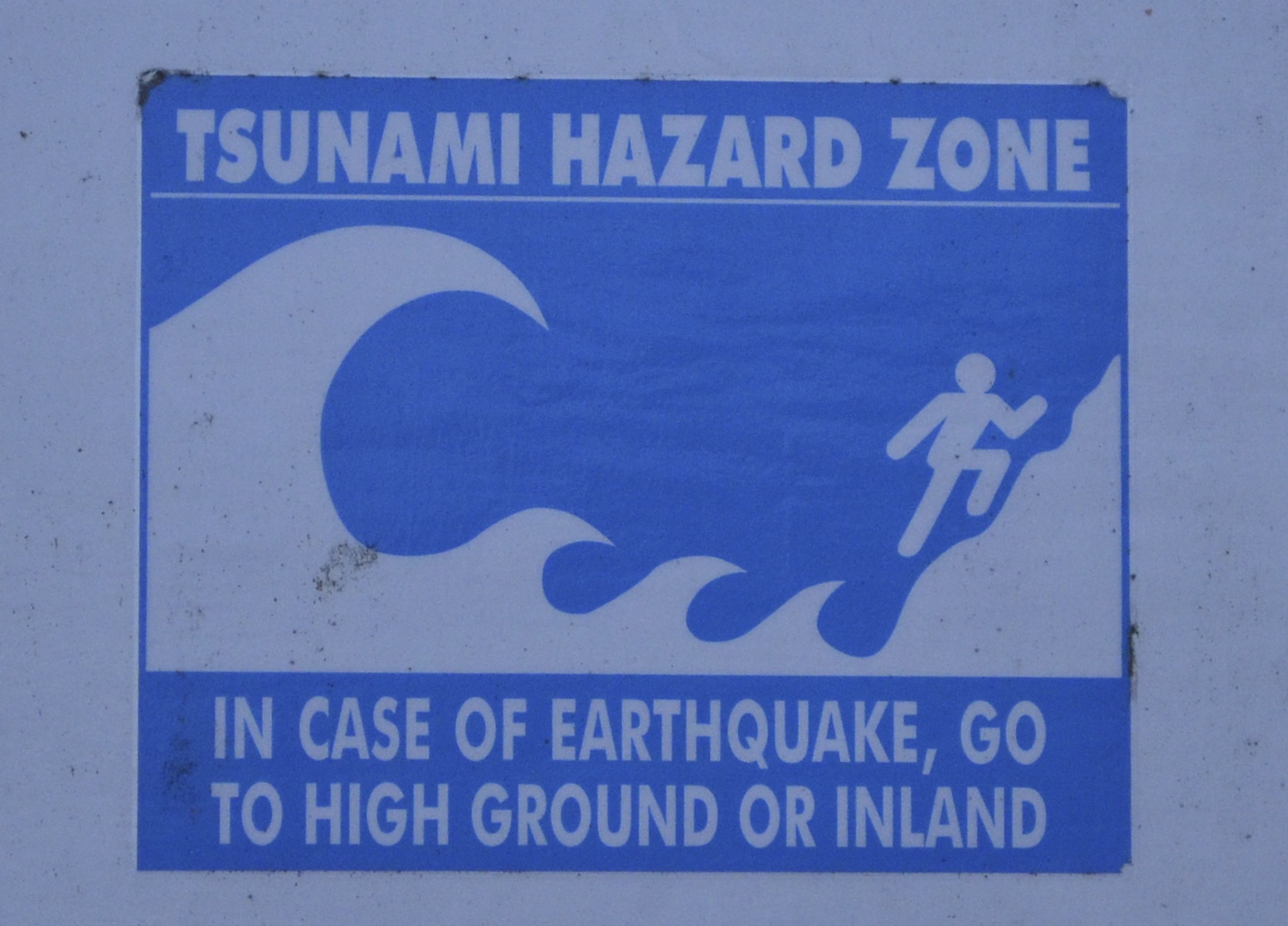
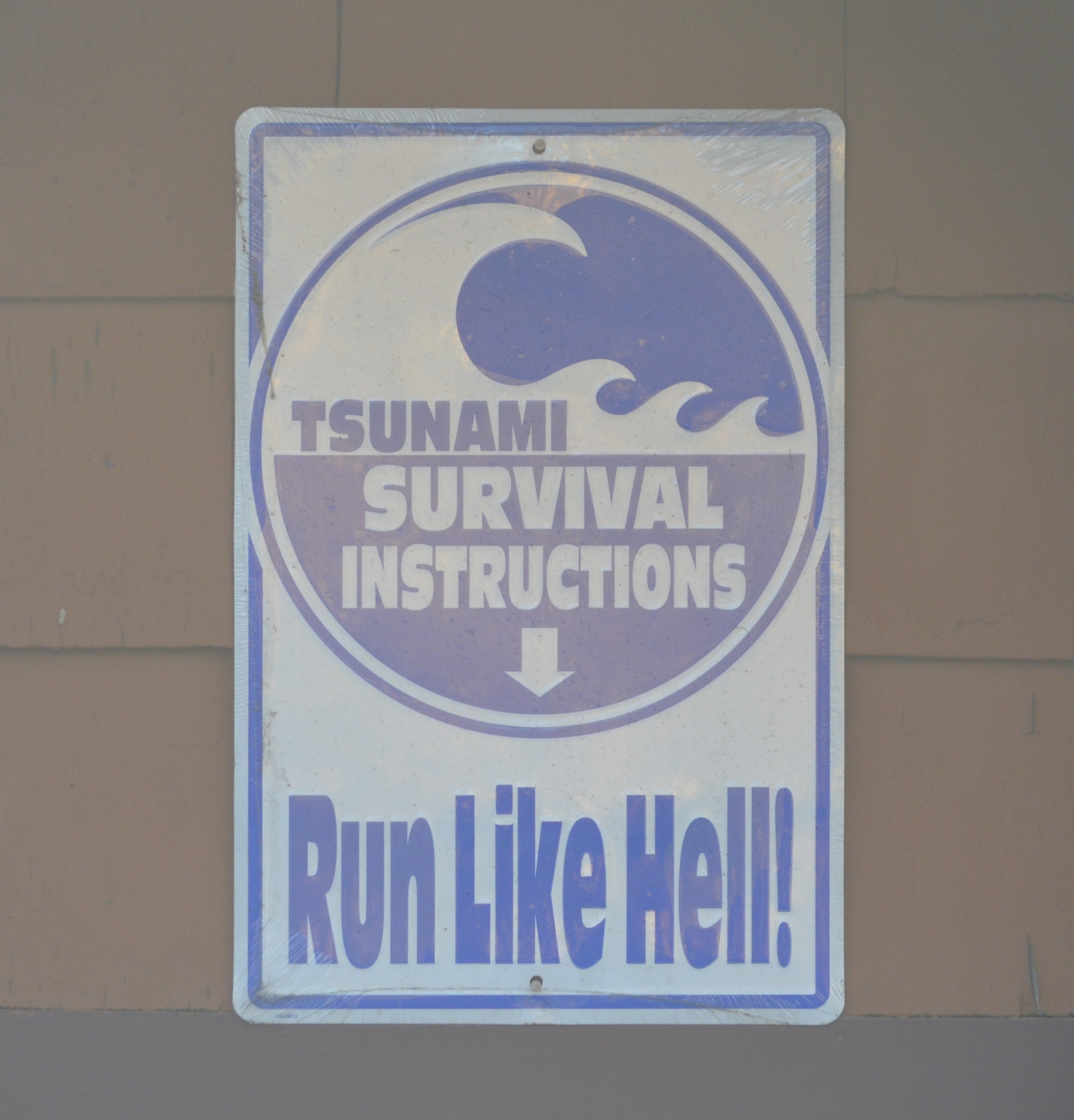
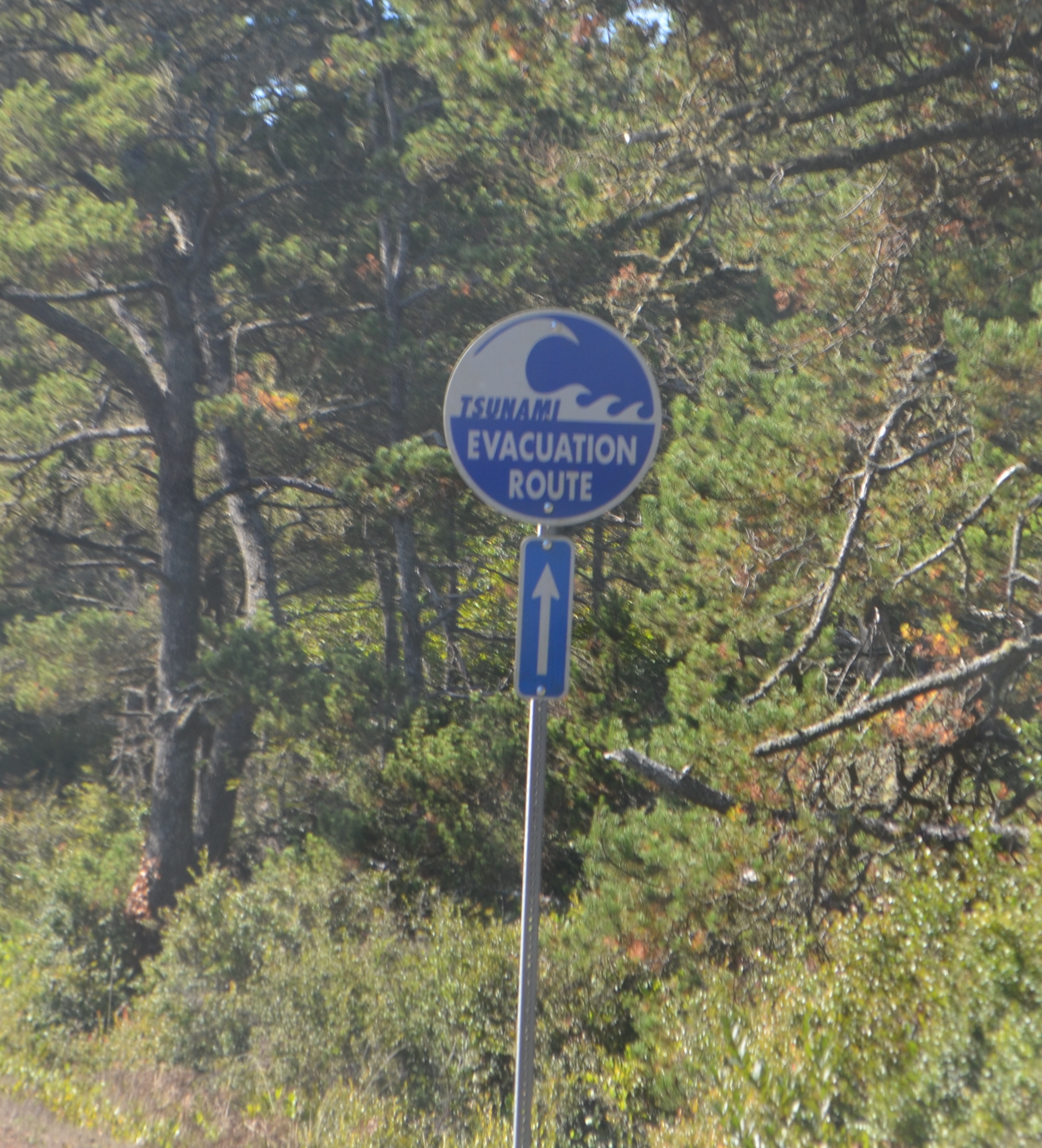
Traveling coastal Oregon along Highway 101, there are signs that we just don’t see in Oklahoma.  We have tornadoes, earthquakes, and thunderstorms, but we don’t have tsunamis.  Everywhere you go, there are warnings and I find myself trying to figure out how I’m going to get high enough to escape the giant waves.  In Oregon, the forests reach the coast, often on high cliffs.  You’d have to scramble to get up, up, up!

DSC_0471 DSC_1340 DSC_1317 DSC_0942 DSC_0539DSC_0780The “run like hell” sign is a joke, but that’s basically what you do.  Not to be messed with.  But most of the highway is delightful and scenic with beaches and trails around every turn, different each time you visit.

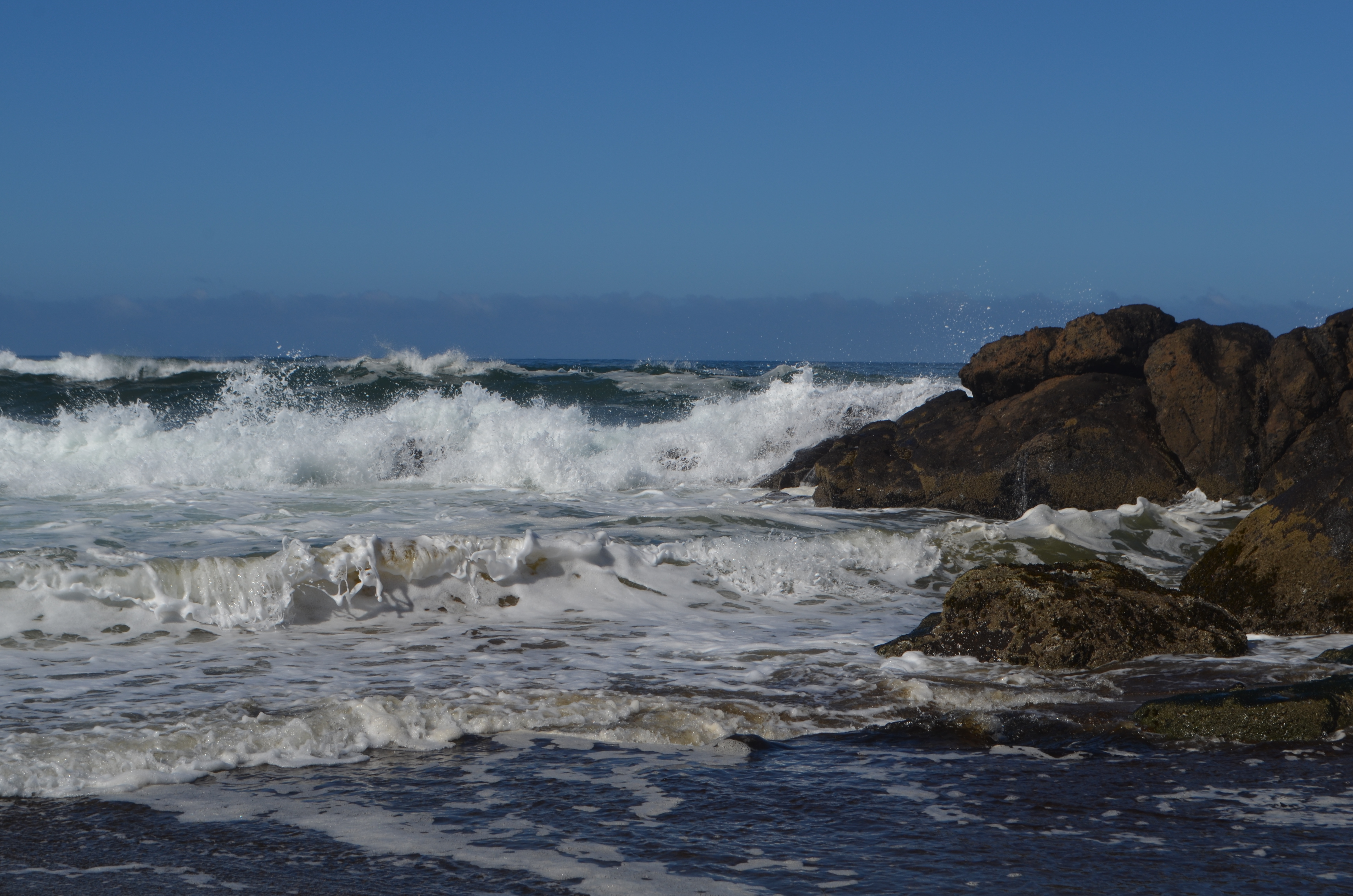
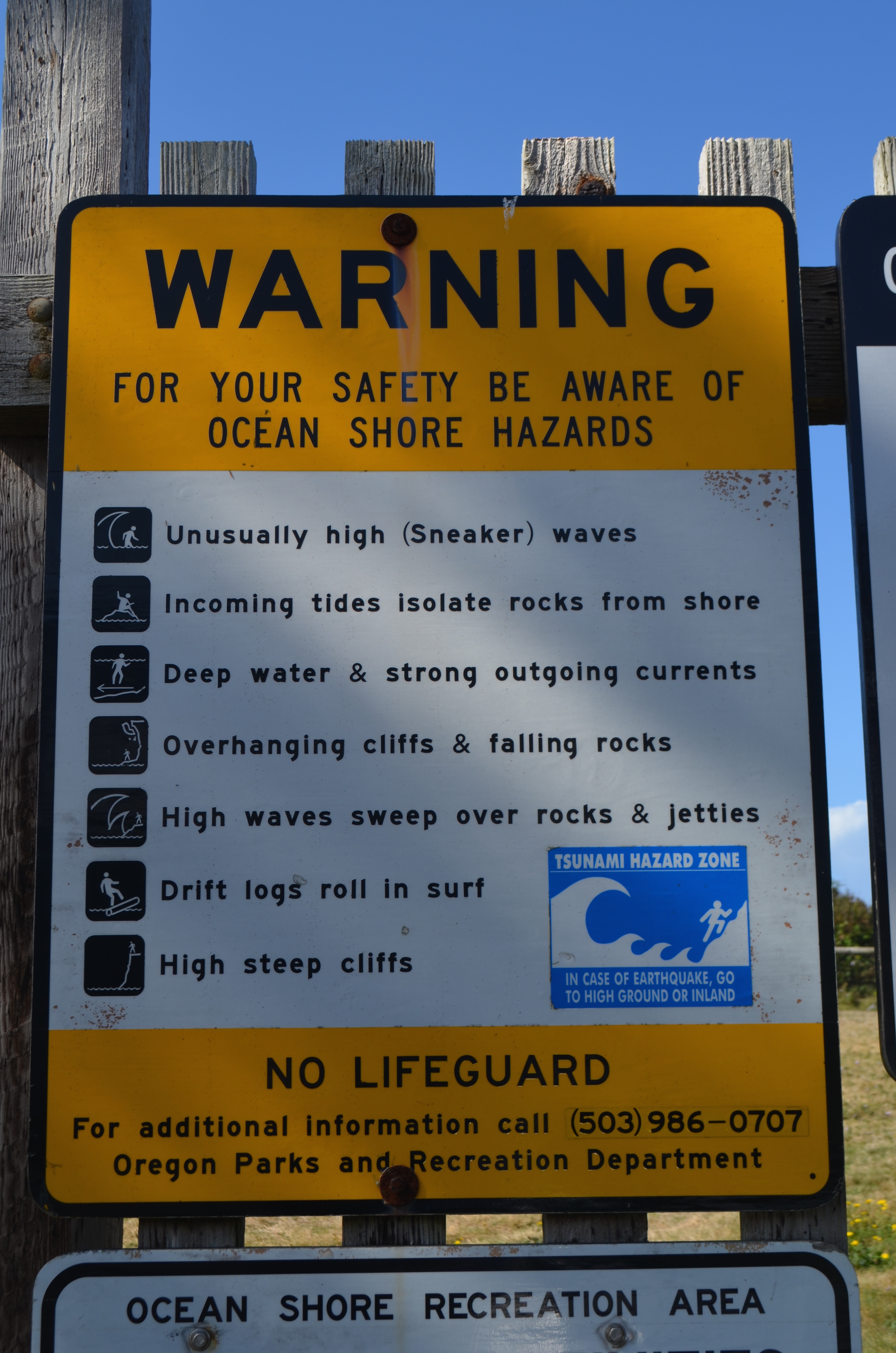
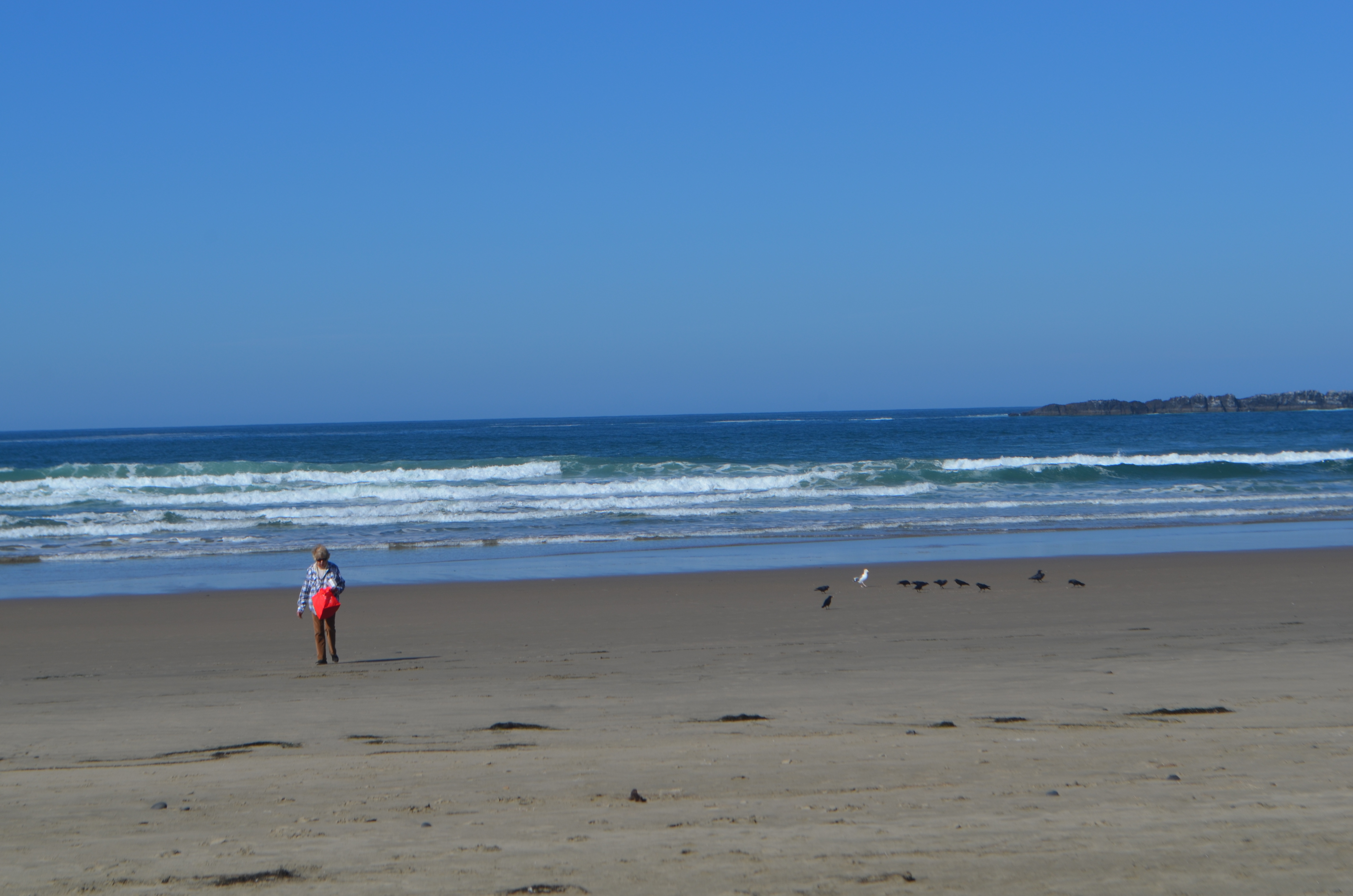
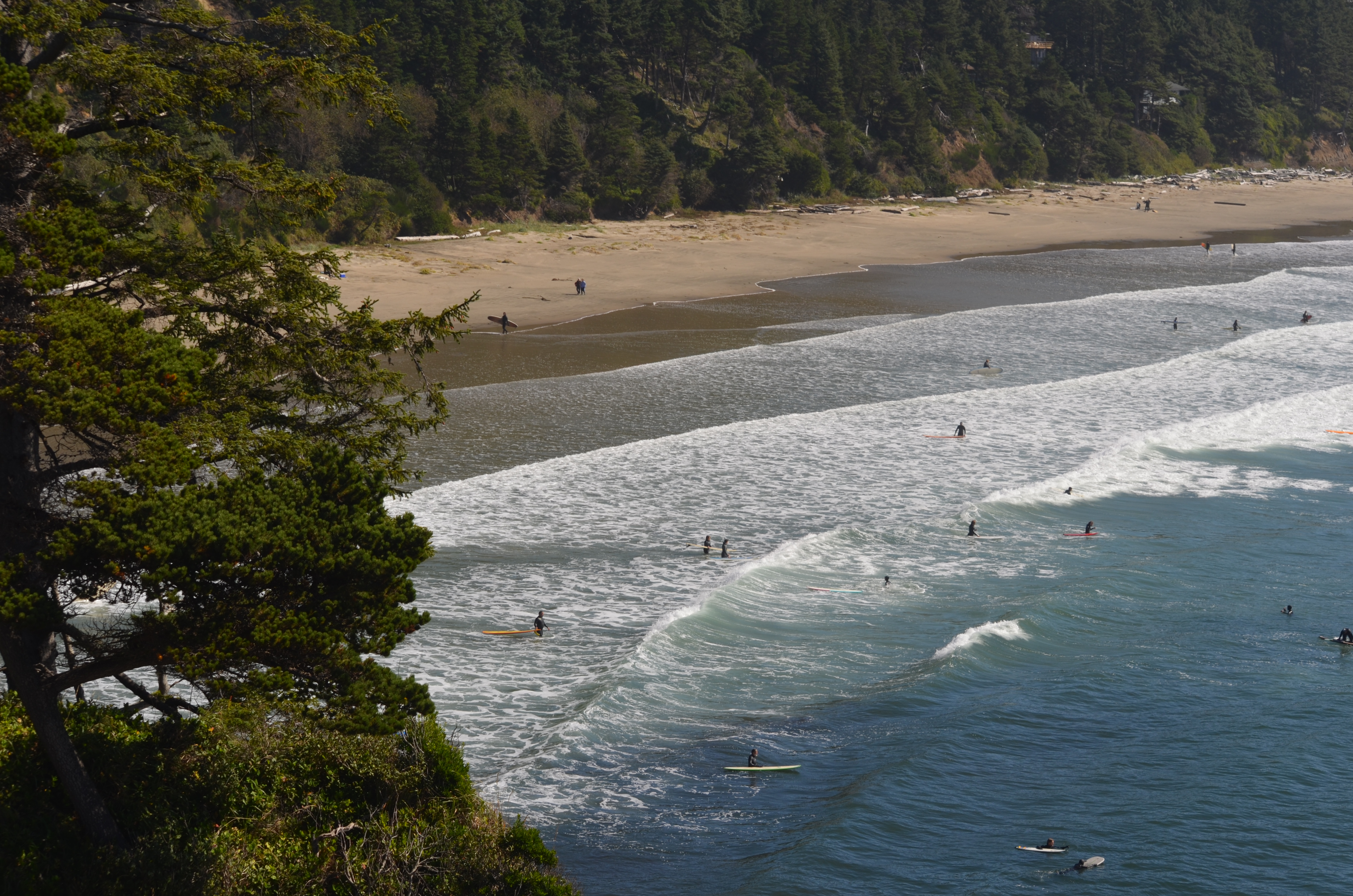
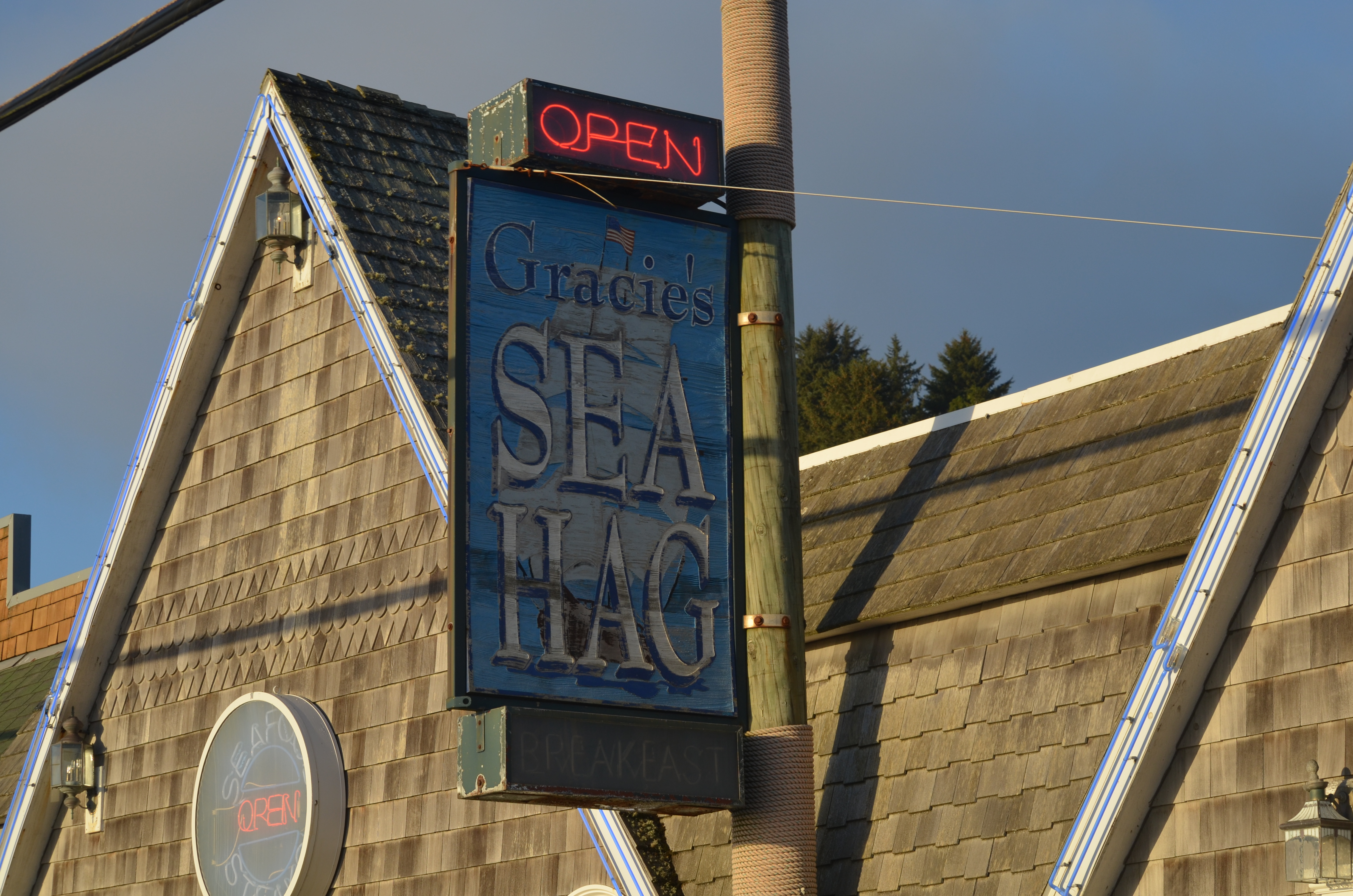
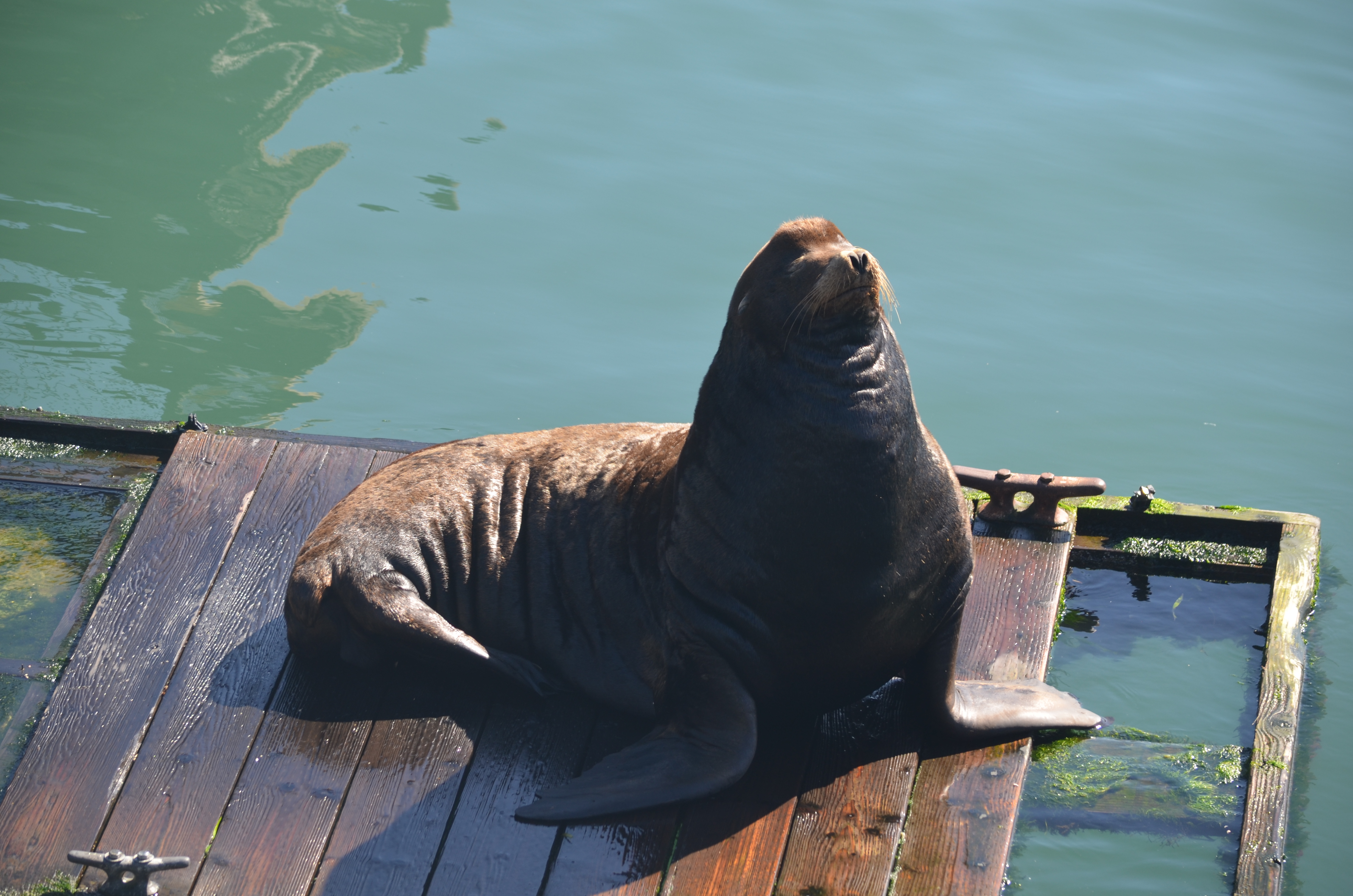
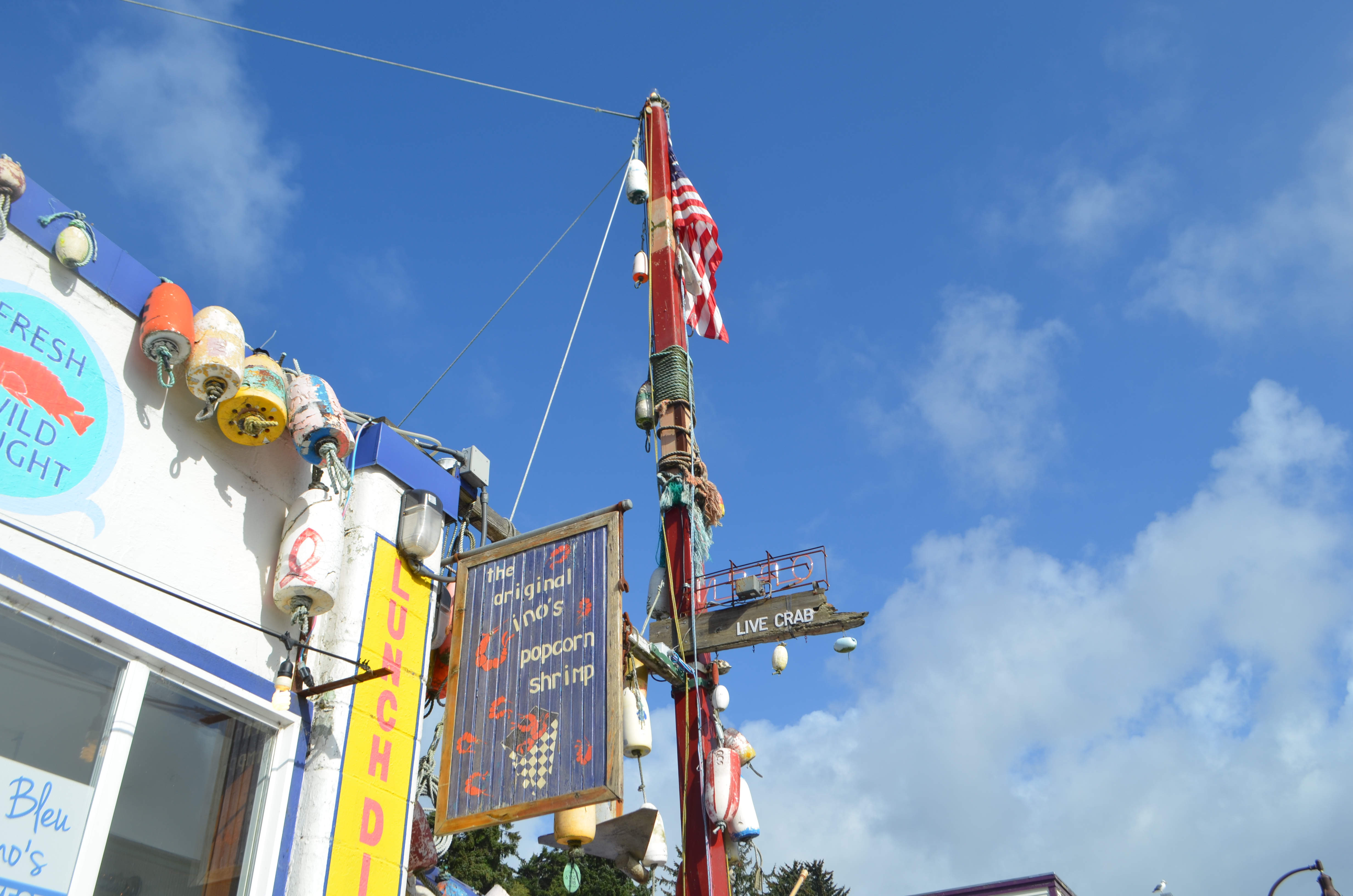
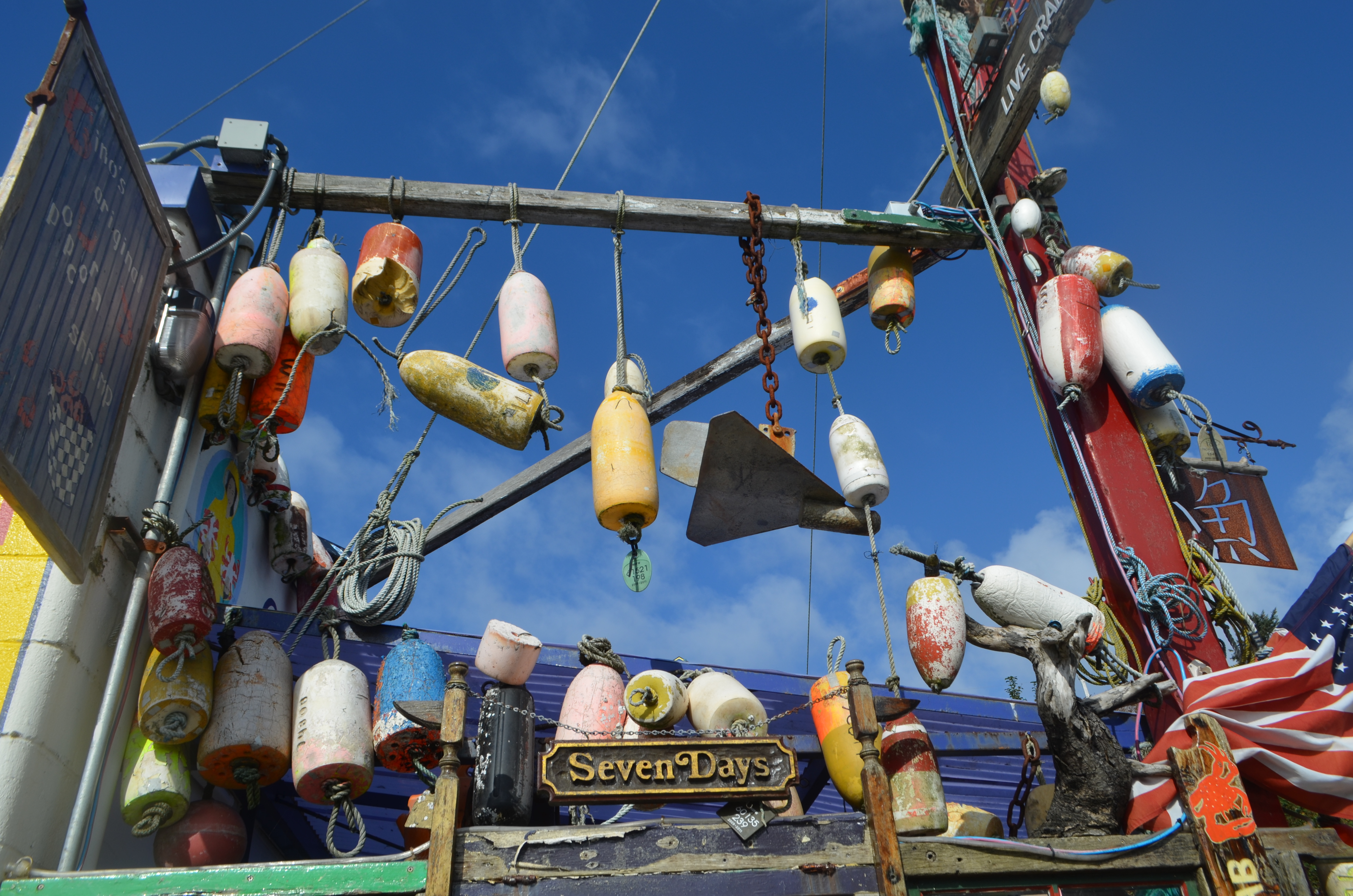
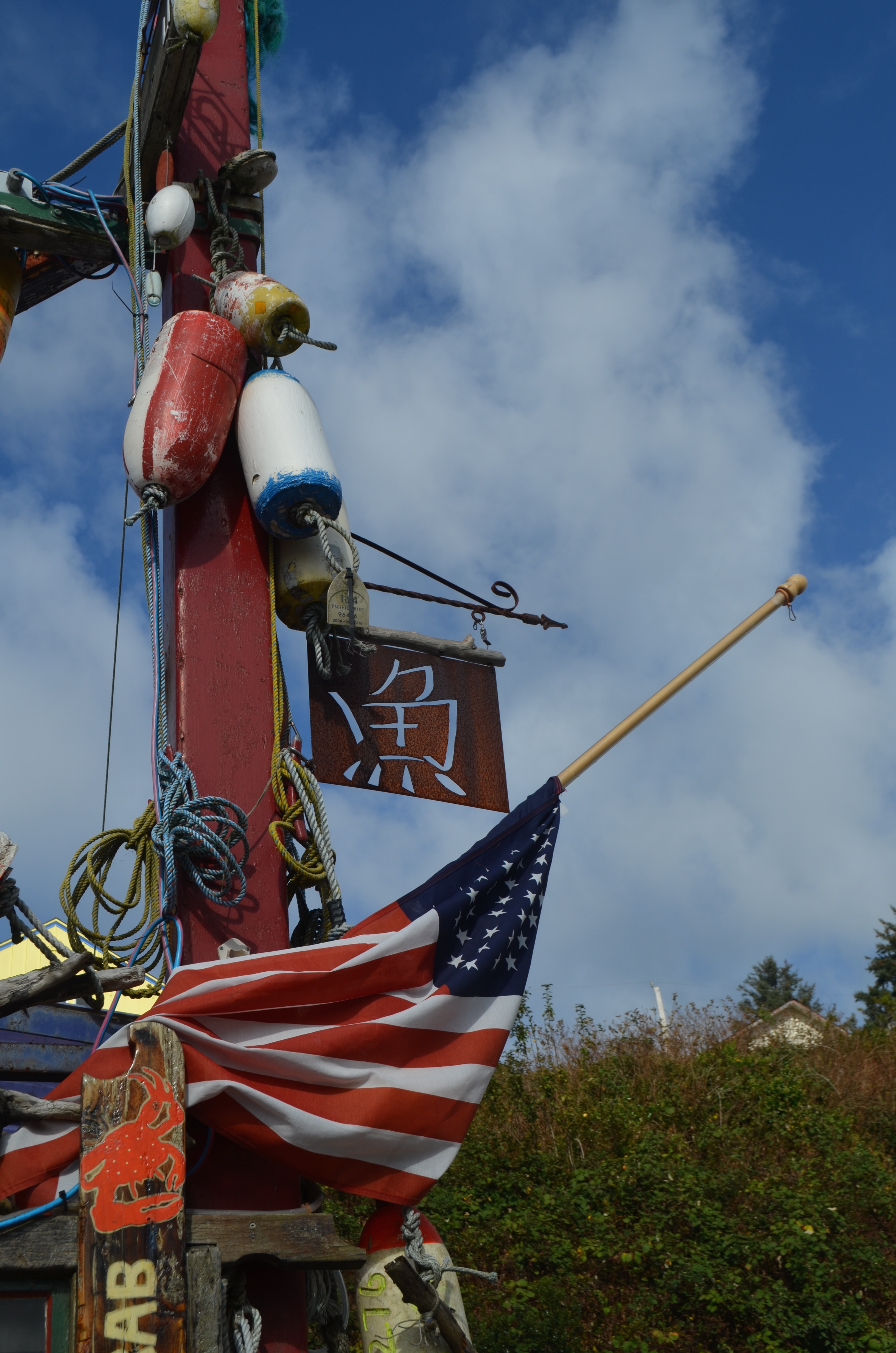
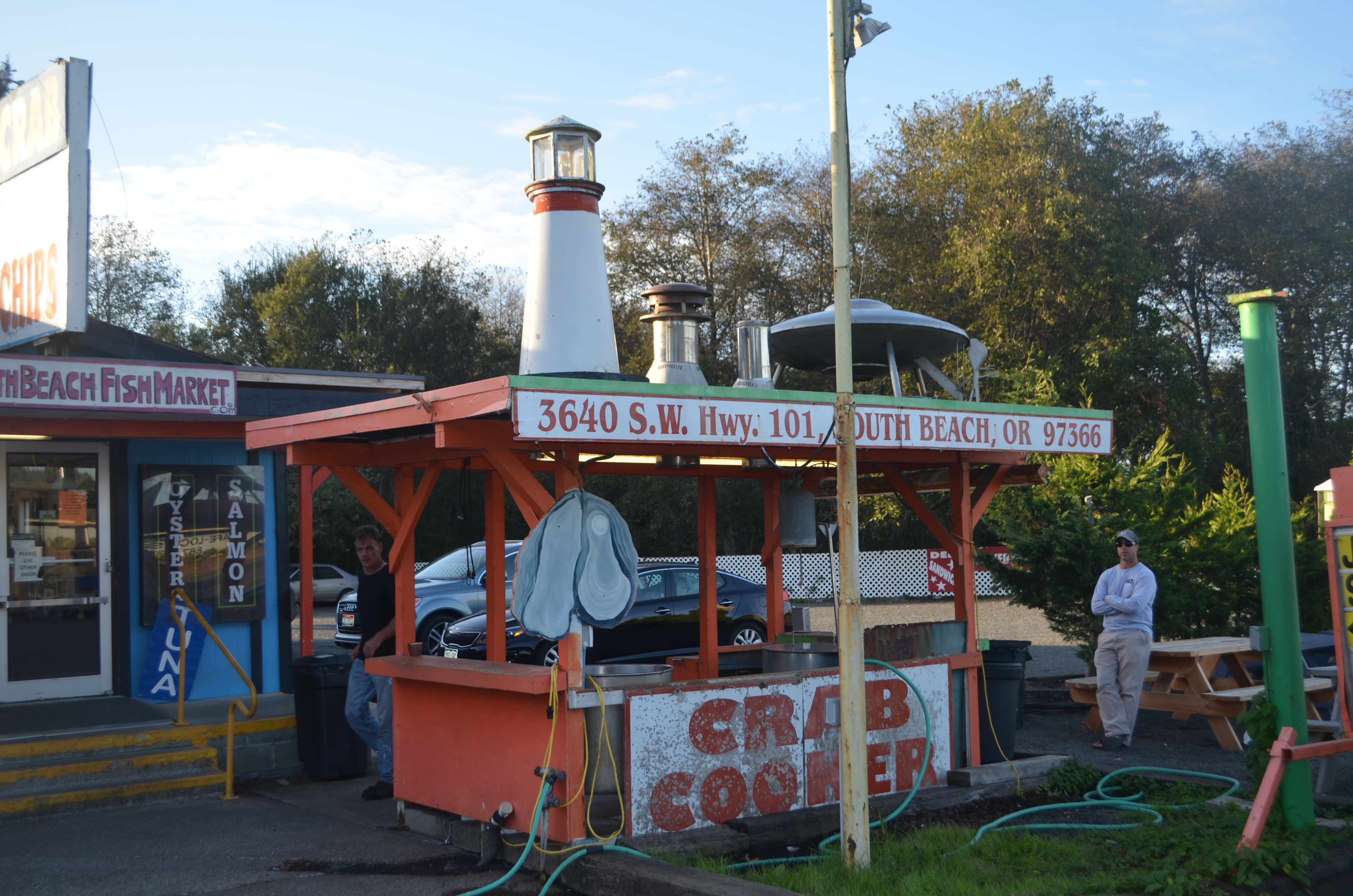
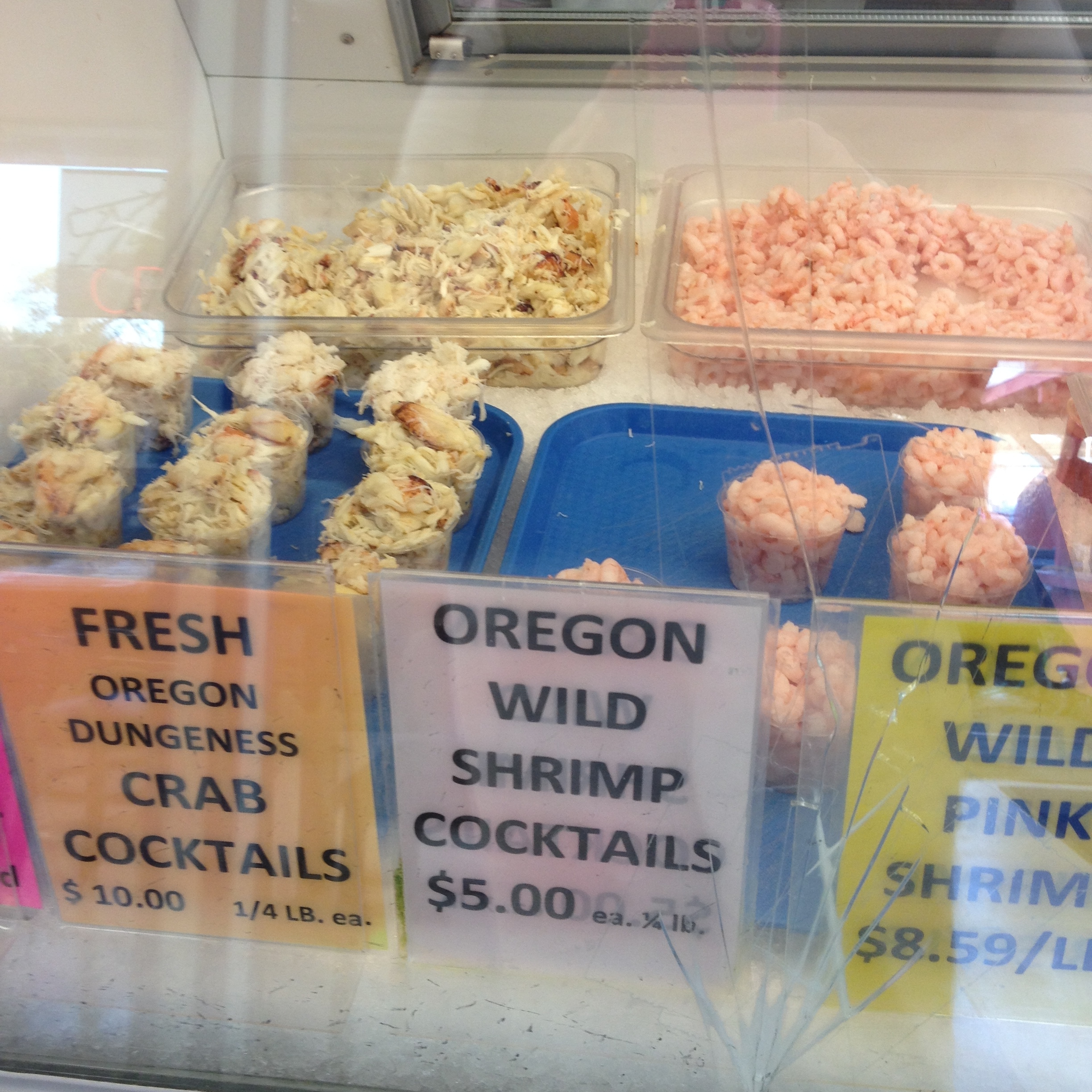
DSC_0461 DSC_1404I love the beauty of Florida beaches with their smooth white sands, unique shells, gorgeous sunsets, and warm sun, but there is a dangerous element with the Oregon beaches that brings ever-changing surprises.  You never know what the beach will hold.  This year, we had the mildest, most perfect weather imaginable with only a few hours of drizzle preceded and followed by warm sun and calm seas.  You still enter every beach by passing by the instructions and warnings for visiting.  DSC_0829 DSC_0384DSC_0940And then, you’re at the ocean on small beaches, long beaches, wide beaches.  Surfers, beachcombers, sunbathers, picnickers, dogs and children.  Perfect beaches.DSC_0908 DSC_1262 DSC_1266 DSC_1286 DSC_0837 DSC_0852 DSC_0483Coming from Oklahoma, I eat all the fresh seafood I can get.  I haven’t had a bad meal on the coast yet.  Here are some of my favorite places that we add to our list every time.  There’s Mo’s with locations up and down the coast, but we like the one at Otter Creek.  Mo’s is famous for their clam chowder, but a friend had a wonderful Oregon shrimp sandwich.DSC_0467Gracie’s Sea Hag in Depoe Bay is right on Highway 101 and our favorite place on a Saturday night, eating in the bar, when there is entertainment, dancing, and bartenders playing tunes on the liquor bottles.  It’s a perfect seaside vibe, right across the street from the sea wall.DSC_0523 DSC_0490We have several favorites in Newport, although I’m sure there are many more.  Lunch at Port Dock One is a must because your dining companions are sea lions, at least in the fall, when the males come up from California and you can be seated right beside them.  They are constantly entertaining, but then I don’t have to listen to them all day.  The food is good, too!IMG_5168DSC_1299I love Gino’s, with the owners from a fishing family.  The popcorn shrimp is delicious and the soups scrumptious.  It’s on the bay front without a water view, but they make up for it with their masses of colorful buoys.  DSC_0815It’s clean, fun, good.  Love Gino’s.DSC_0816 DSC_0824And you HAVE to stop on Highway 101, south of the Newport bridge for crab.  It’s a fish market, restaurant, convenience store combo.  Yum.DSC_1150 IMG_5213 IMG_5212For the nicest dinner possible, go to Depoe Bay and visit Tidal Raves, again on Highway 101.  You must have a reservation as there are few tables, but an outstanding view and incredible food.  I love the Seahawk bread, which could be a meal in itself, and the Rock Fish.  Oh my.   IMG_5210IMG_5188
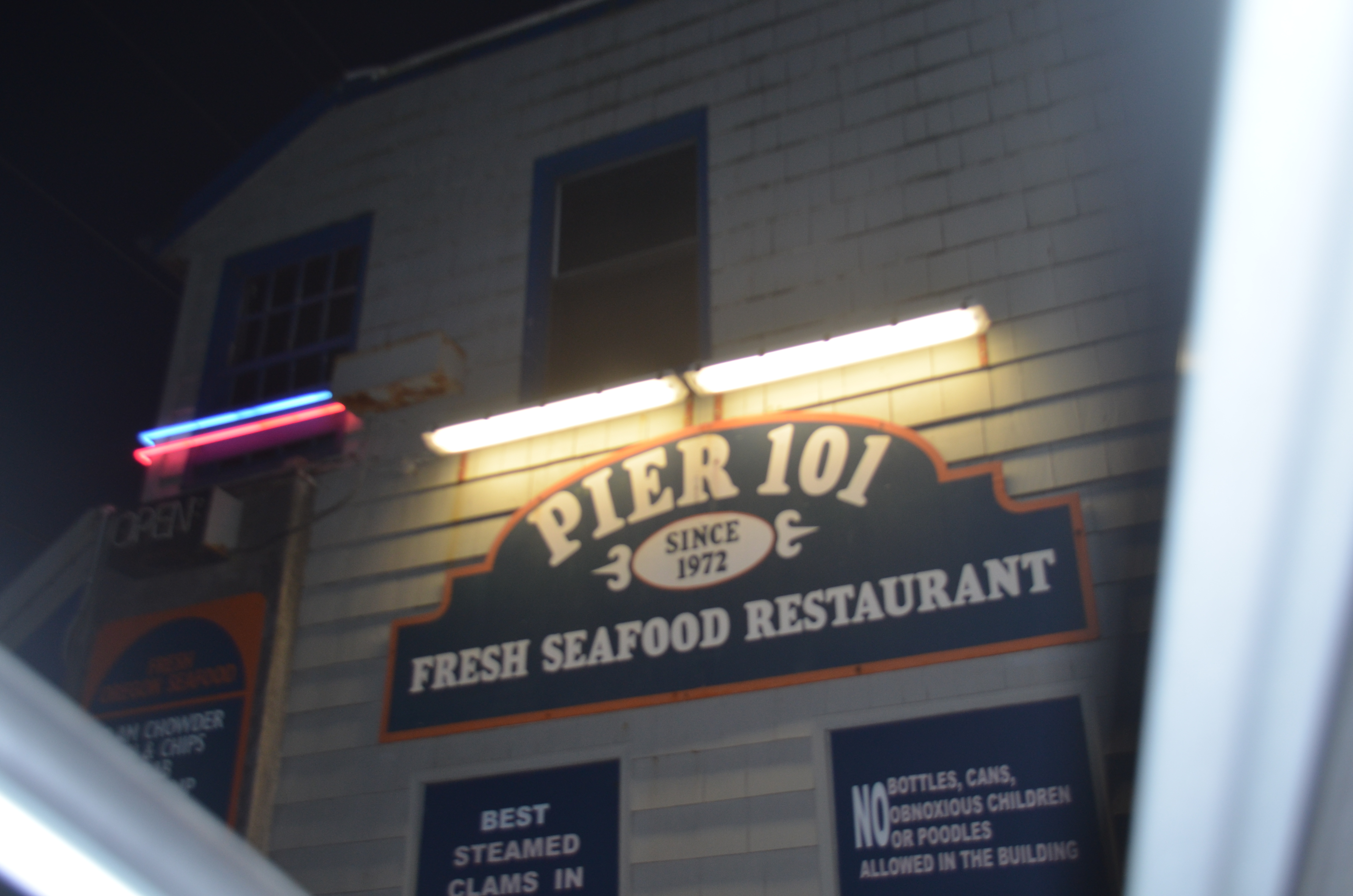
If it’s raining or you’re just in Lincoln City, sit near the fireplace at Pier 101 for more seafood!  Can you ever get enough when you’re on the coast?  I had the Cedar Plank Salmon, which was crusted with a maple bourbon sauce.  Need I say more?DSC_1329
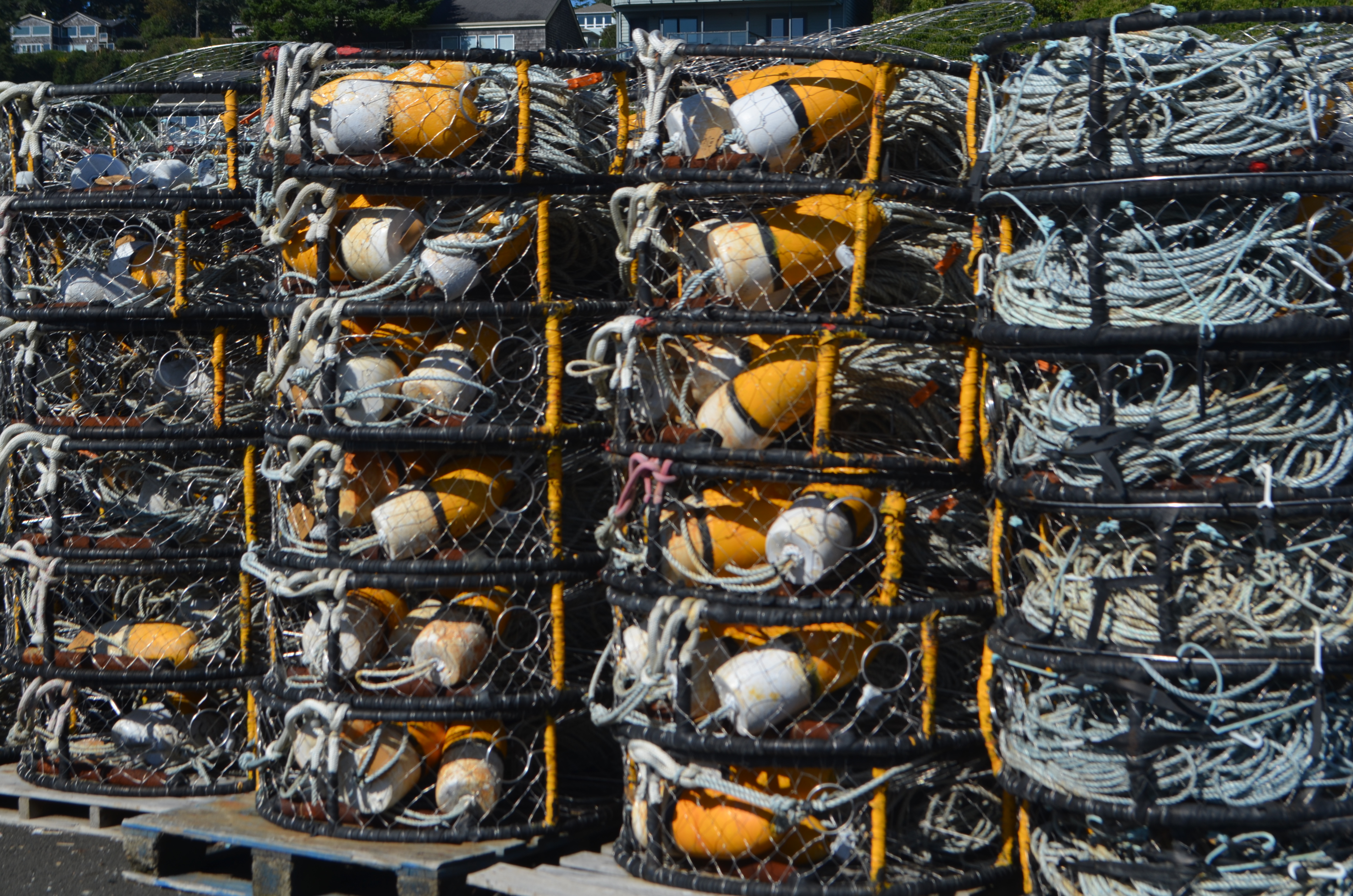
Enough with the food.  I’m ready to fly back now, although I have to admit that I went for a hamburger as soon as I got home to beef country.  Oregon is known for its greens, forests of pine trees carpeted with masses of ferns and decorated with moss and lichens.  The coast gives you the contrast of the blues of the ocean with the colorful nautical elements.  Besides the buoys, there are the crab  cages stacked by the fishing boats and the containers ready for the ships in port in Newport.DSC_1306
 
The famous bridges designed by Conde B. McCullough are elegant in their Art Deco beauty.  I discovered the one in Florence on this trip, but they are everywhere in the state, including Newport.  Here’s the one in Florence.DSC_0966
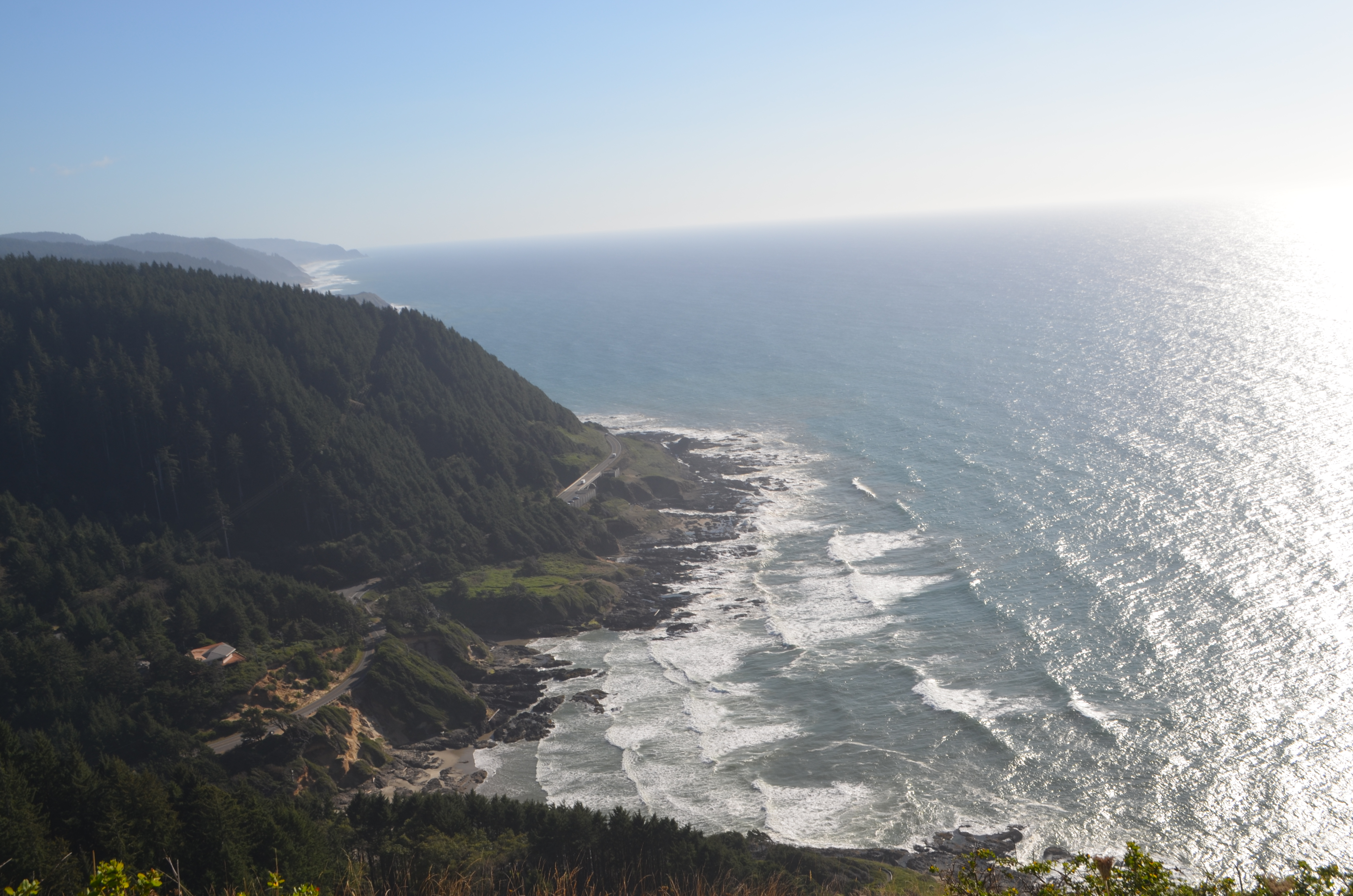
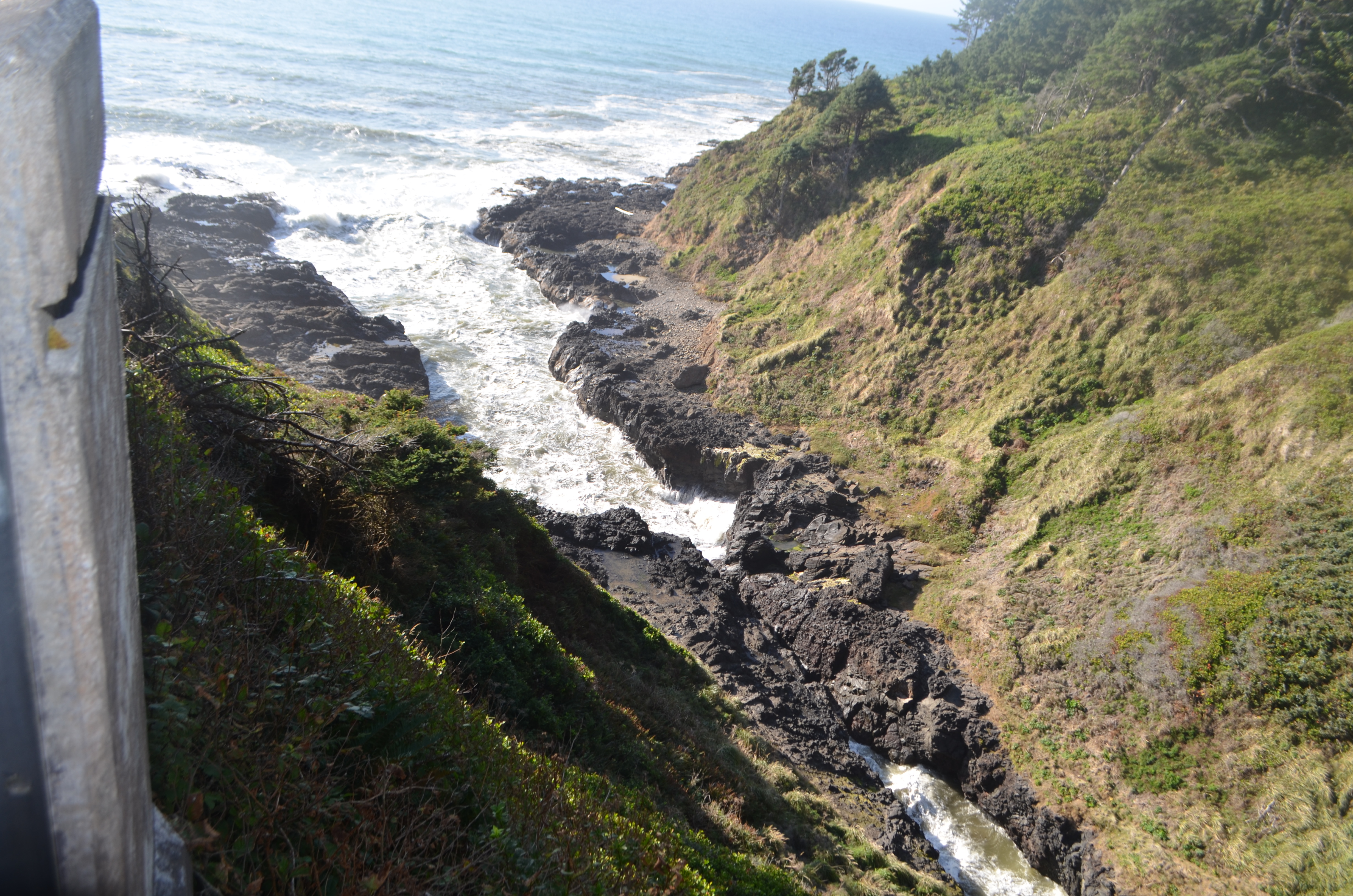
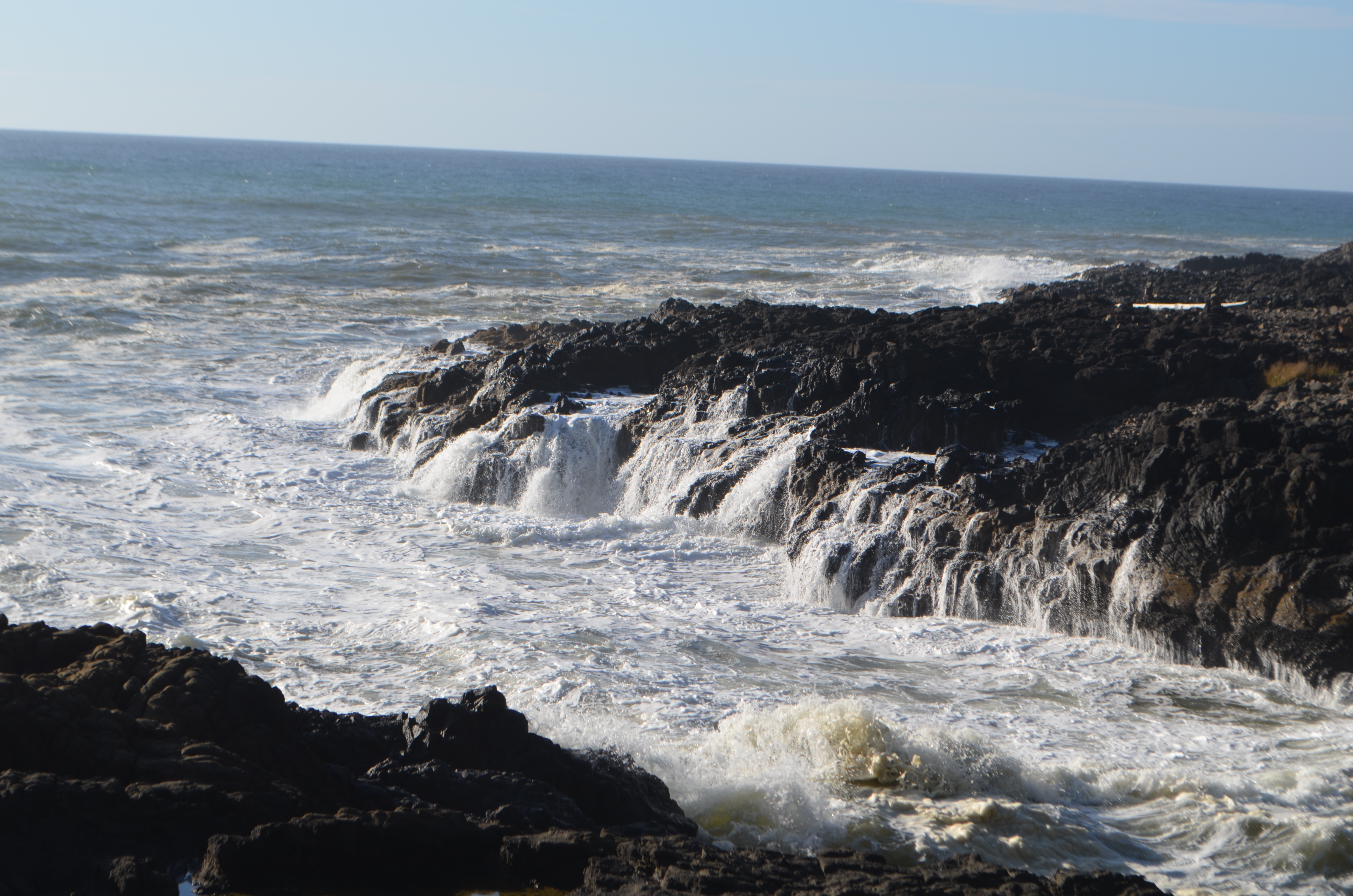
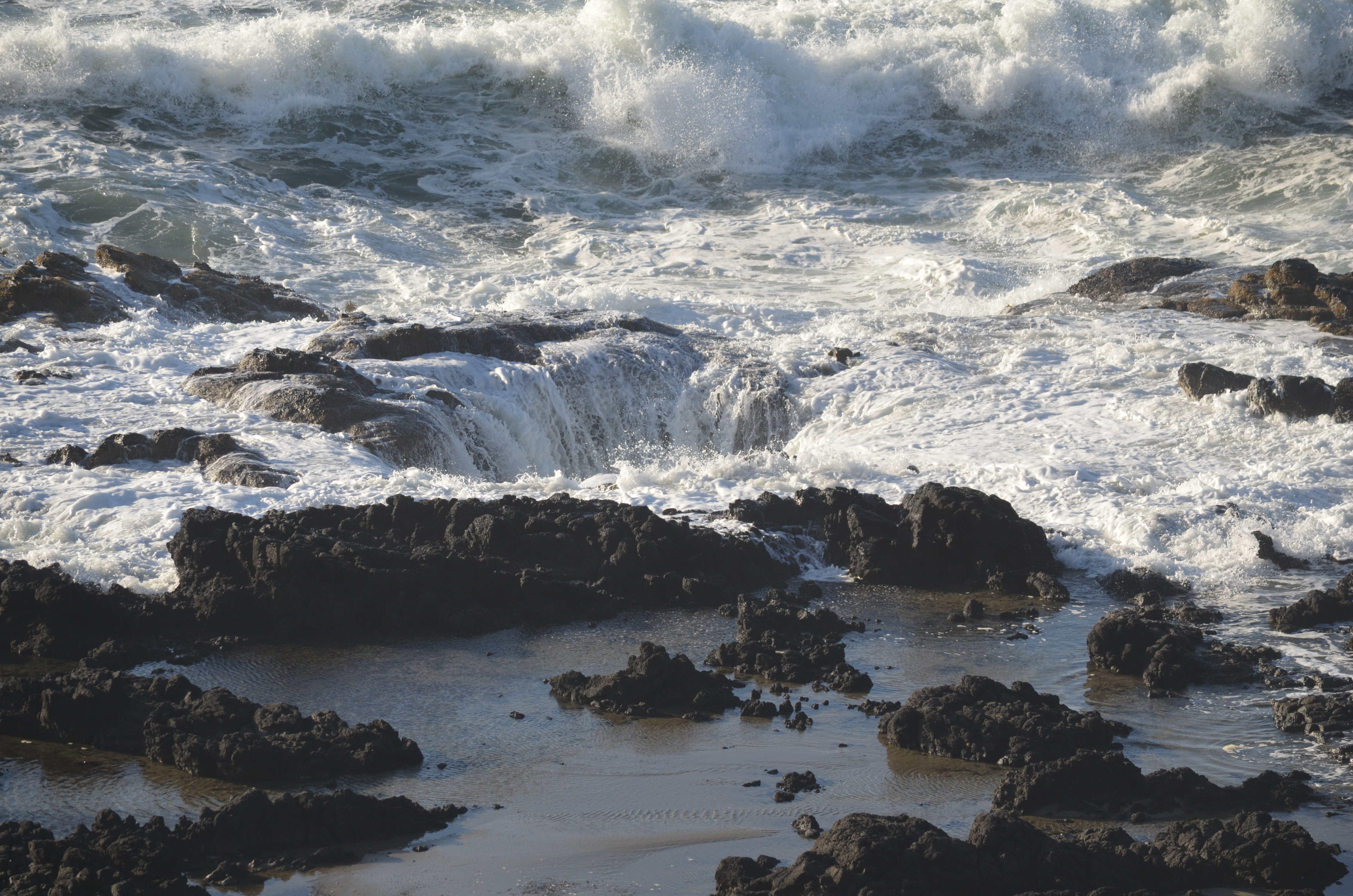
North of Florence is Cape Perpetua with cliffs, forests and extraordinary views.  The park encompasses the mountain and the coast for a sample of the natural wonders of the state.  With the Heceta Head lighthouse at the south endDSC_0990DSC_0996The view from the point is endless, especially from the World War II lookout where you can stare out to the open seas.DSC_1020DSC_1016Back along Highway 101, you can see the raging wonders of The Devil’s Churn, where the waters froth like fresh cream…DSC_1048 DSC_1058…The Spouting Horn spurts up as the waves rush in…DSC_1108…and the pounding waves sink into Thor’s Well in an ever fascinating rush of water.DSC_1128

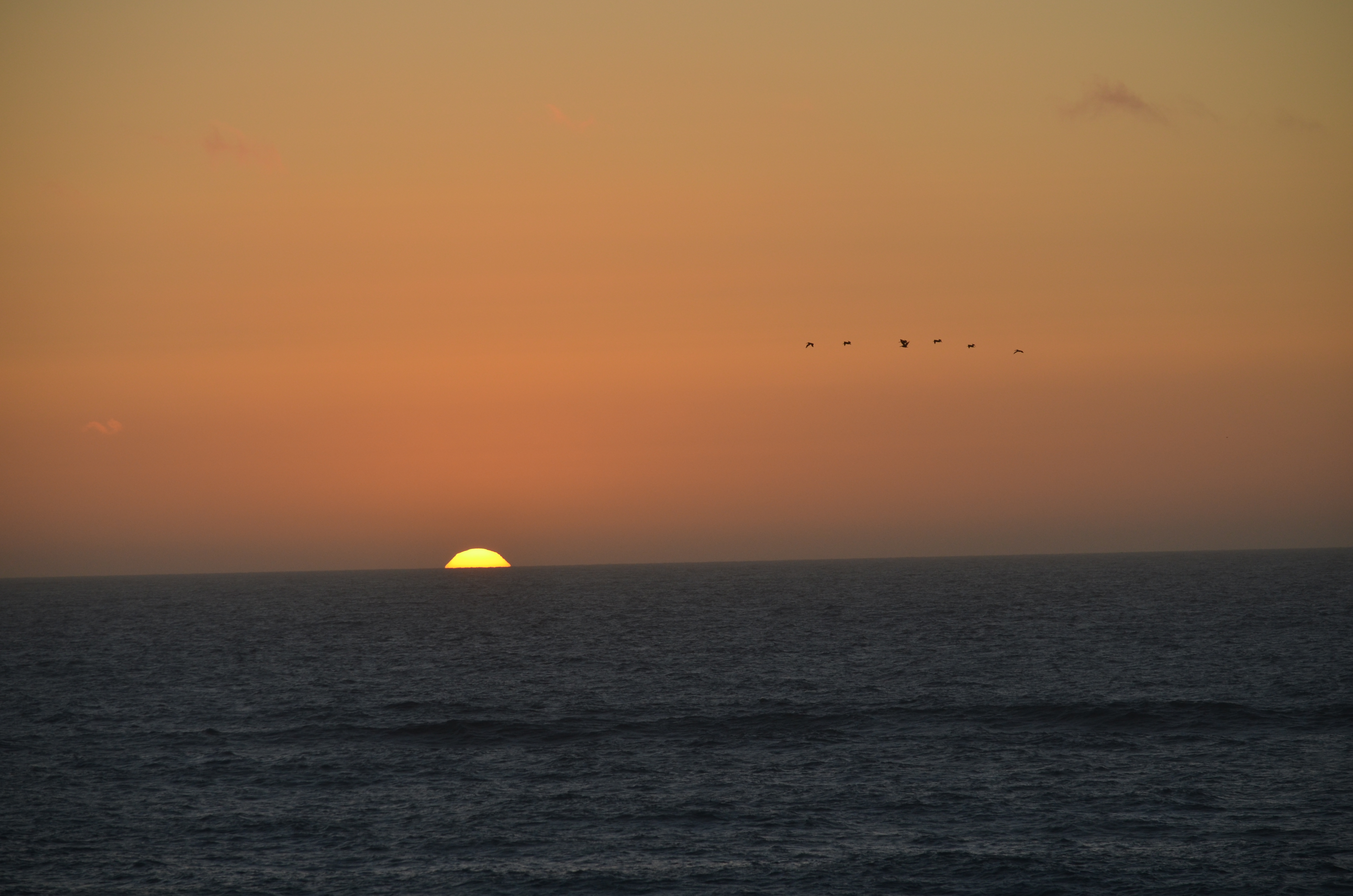
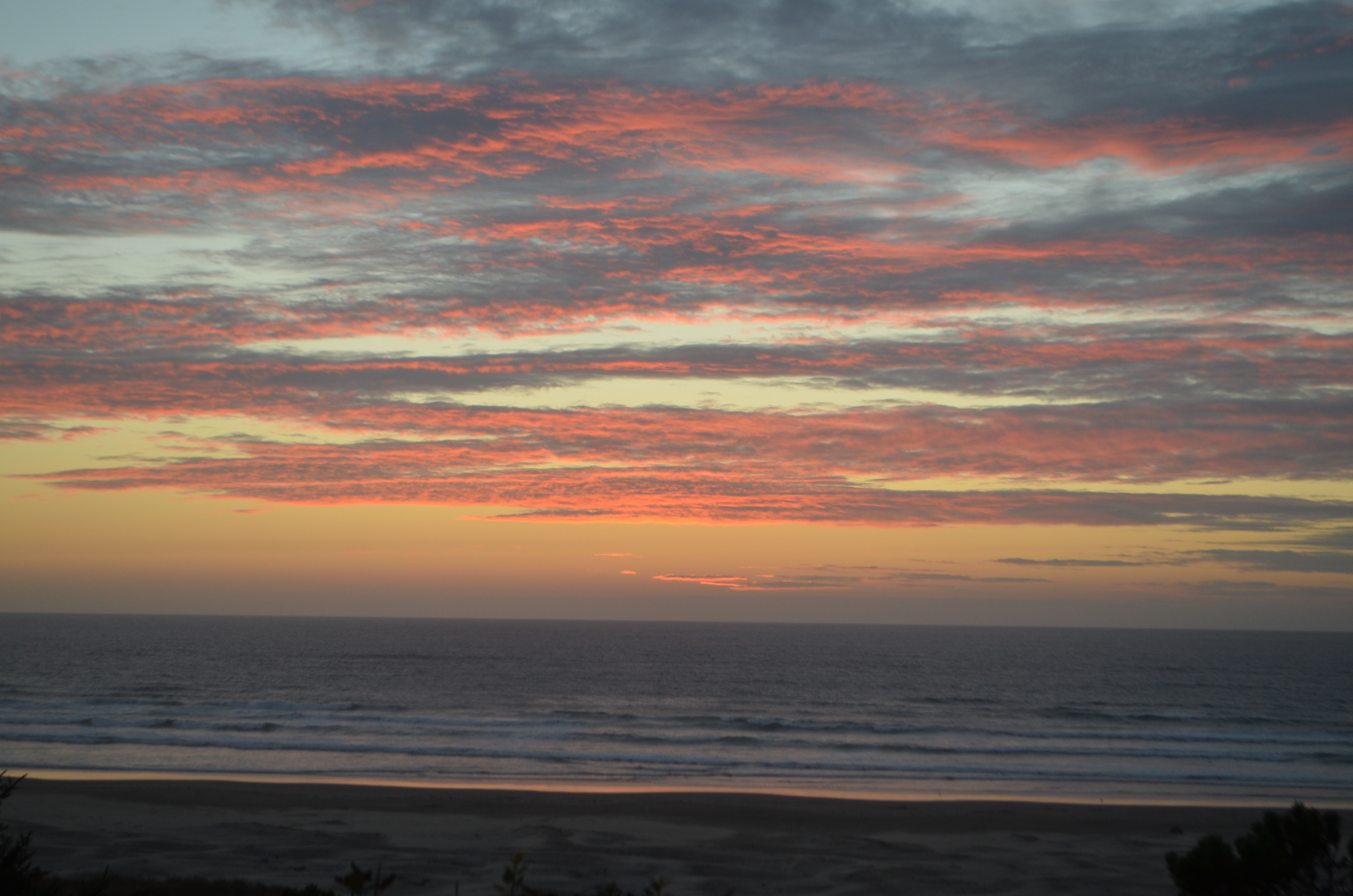
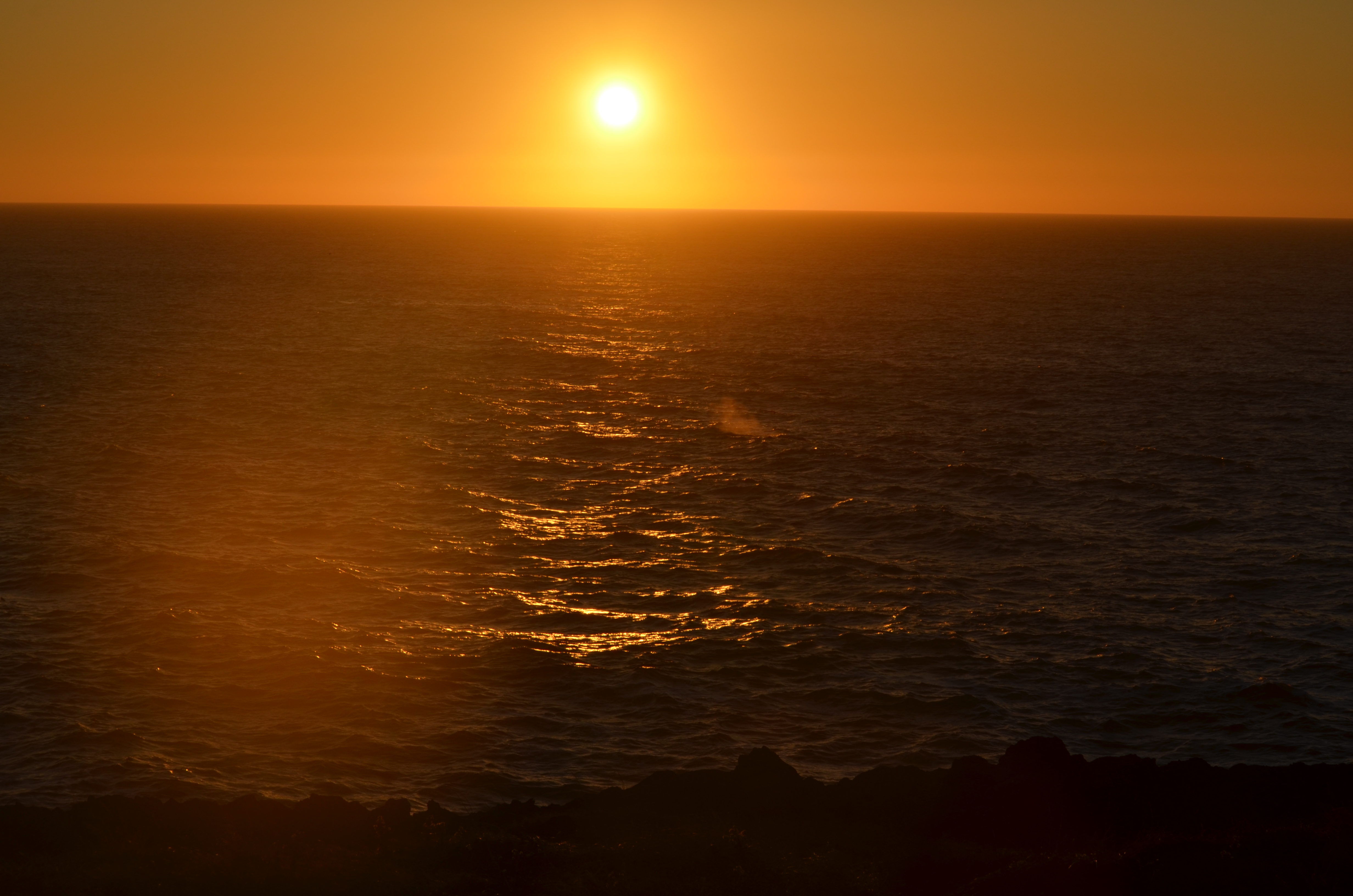
Our glorious days on the Oregon coast ended with a different sunset every evening…DSC_0532 DSC_1157

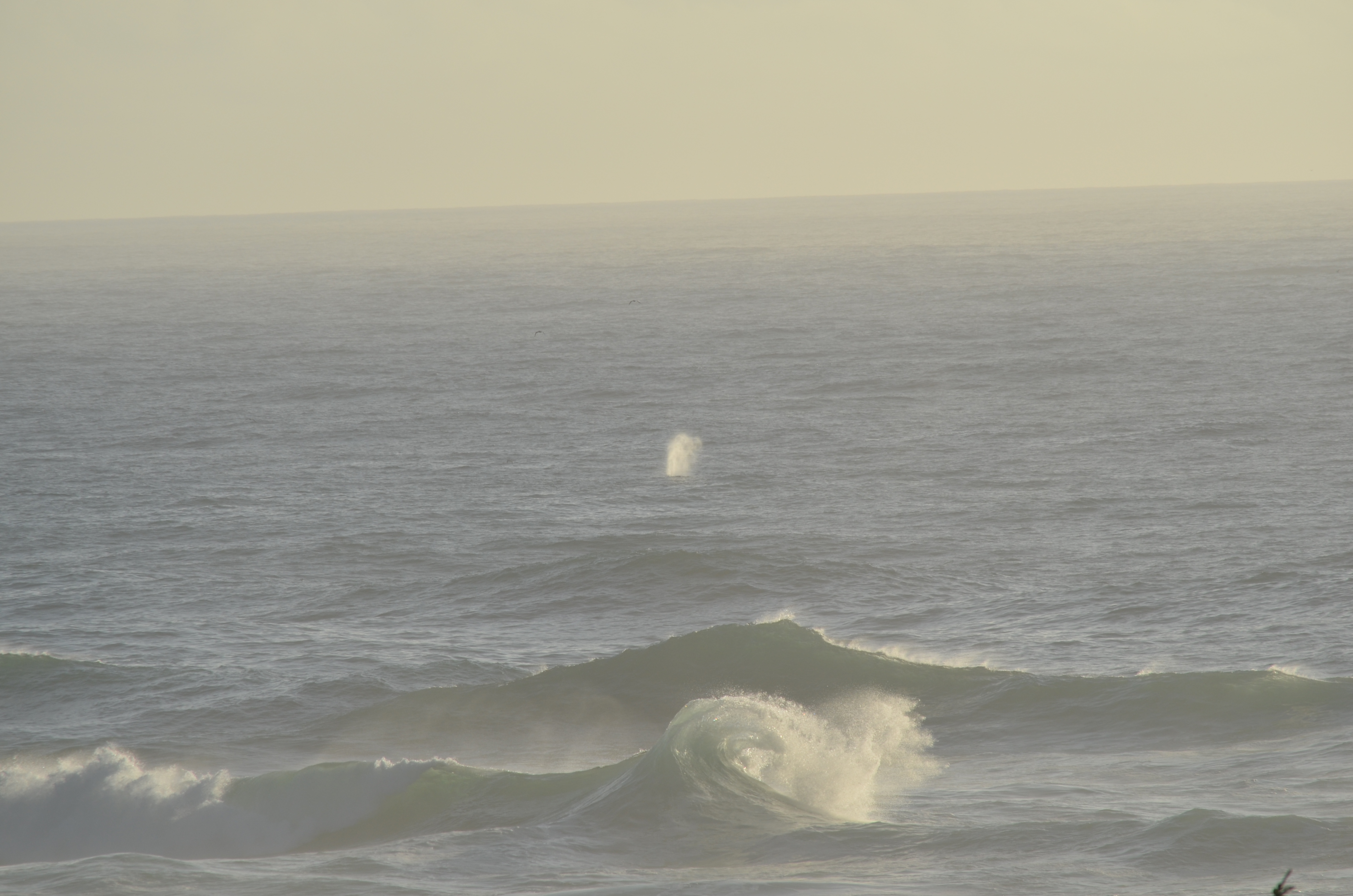
…and our final night in Depoe Bay found us watching half a dozen whales spouting and leaping in the orange waves.  The perfect ending to our days on the Oregon coast.

DSC_1323Watch my blog for our final days of this trip.

This Okie girl likes to travel just about anywhere, near or far from home.  On my third fall vacation on the Oregon coast, I found my favorite places, discovered new ones, and brought home all the photos and memories I could jam into 12 days.

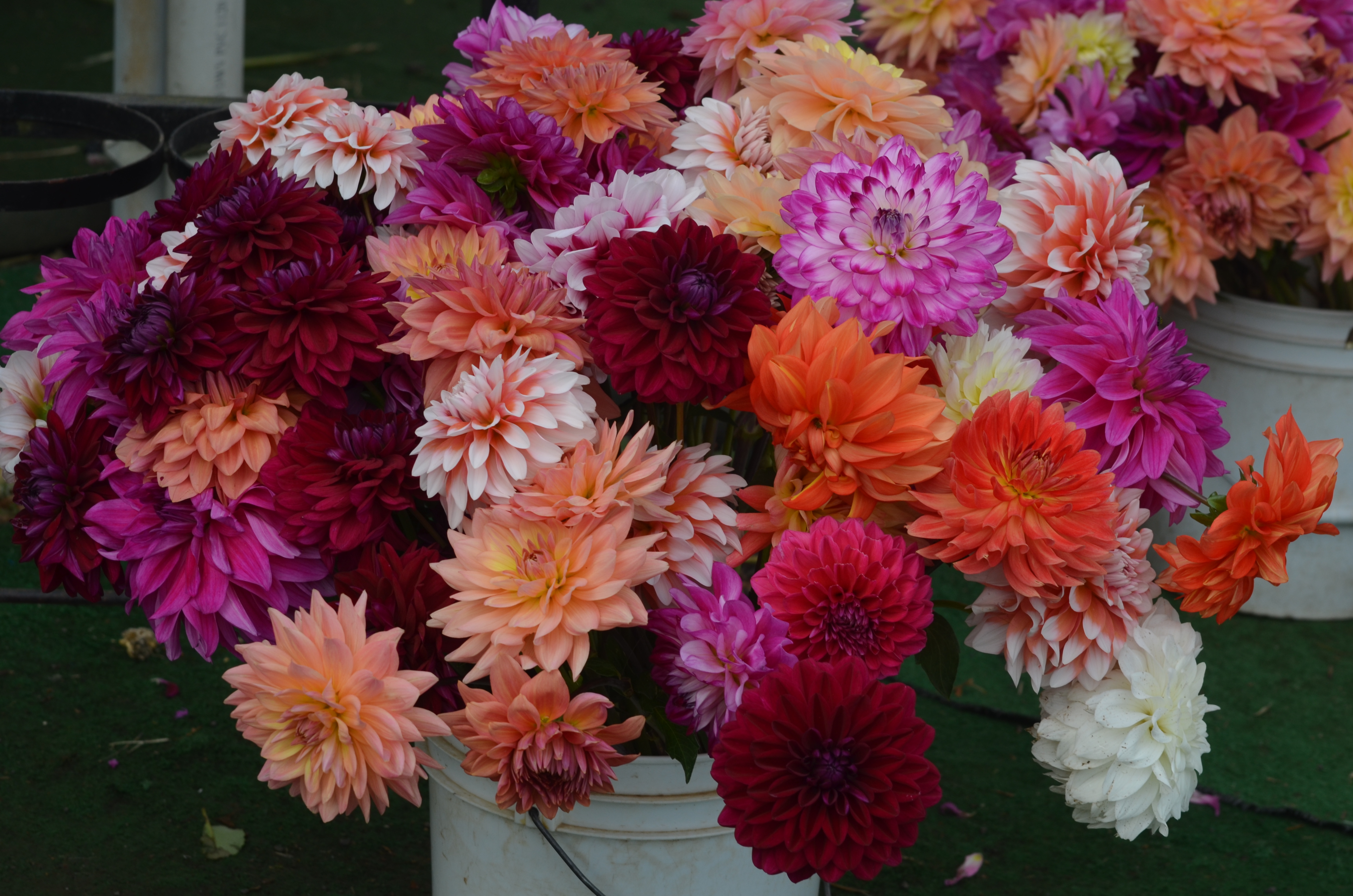
My friends and I fly into Portland to spend the night before heading for the coast.  Our traditional beginning is to stop at the fruit and vegetable stand and stock up for the week.  It’s not that we don’t have good fresh items at home, but it’s fun to see the bounty of Oregon.IMG_5741 IMG_5743The fruits and vegetables delight, as do the dahlias.  We see fields of them blooming, ready for picking in September.

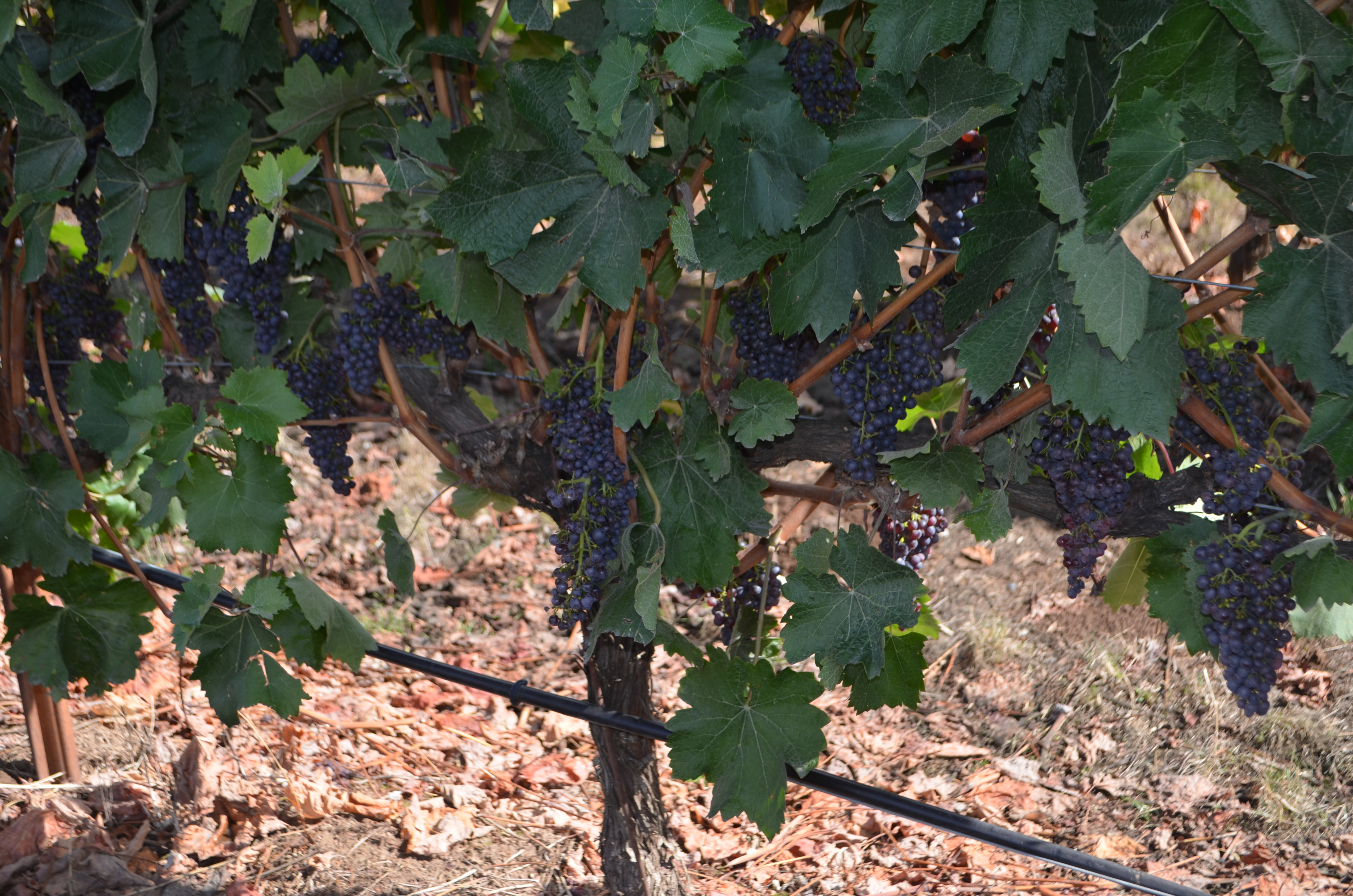
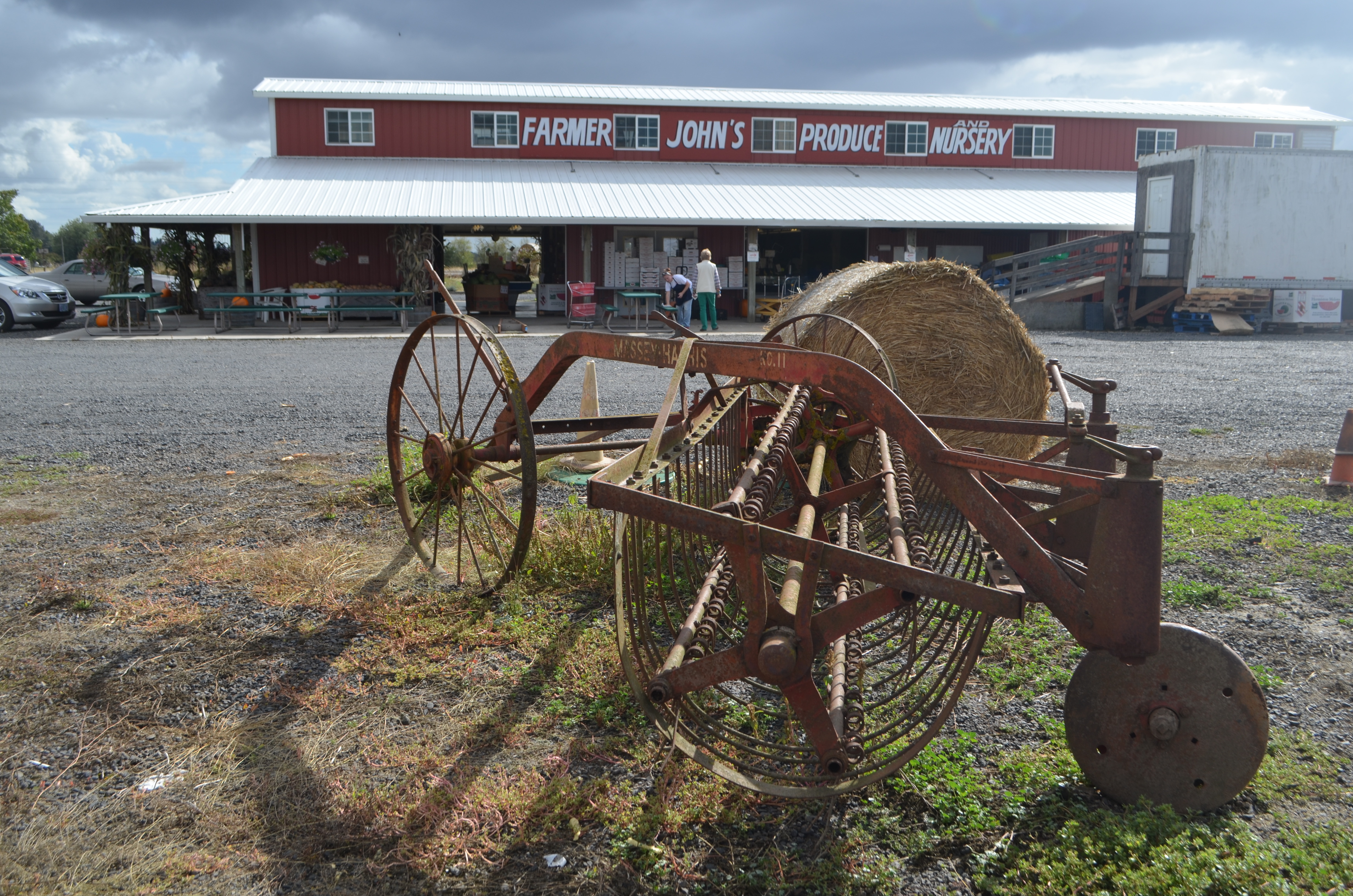
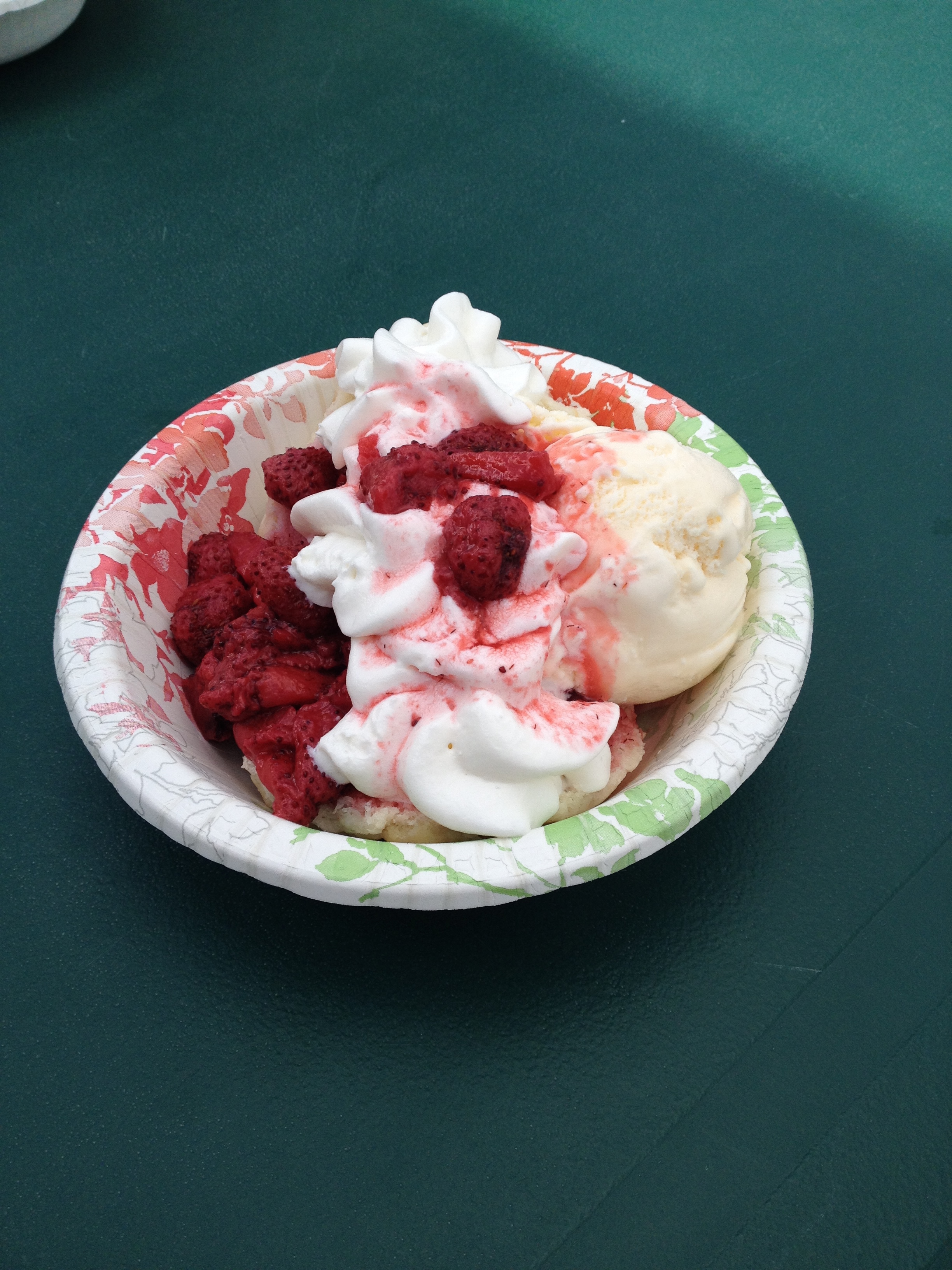
DSC_0242 DSC_0238This year, we stopped for some wine tastings along the way.  The vineyards are gorgeous and lush in the Oregon valleys, even with the droughts that have plagued the state.  We visited Raptor Ridge, Adelsheim, and Stoller – all wonderful vintners whom I have worked with in Oklahoma.  It was fun to see their vineyards in person.DSC_0263 DSC_0253 DSC_0257Not only are the vineyards and orchards full of ripe fruits, but the hazelnut harvest is underway in the fall.DSC_0265Our other favorite stop is always Farmer John’s for some strawberry shortcake and more fruits and vegetables in another beautiful Oregon valley.

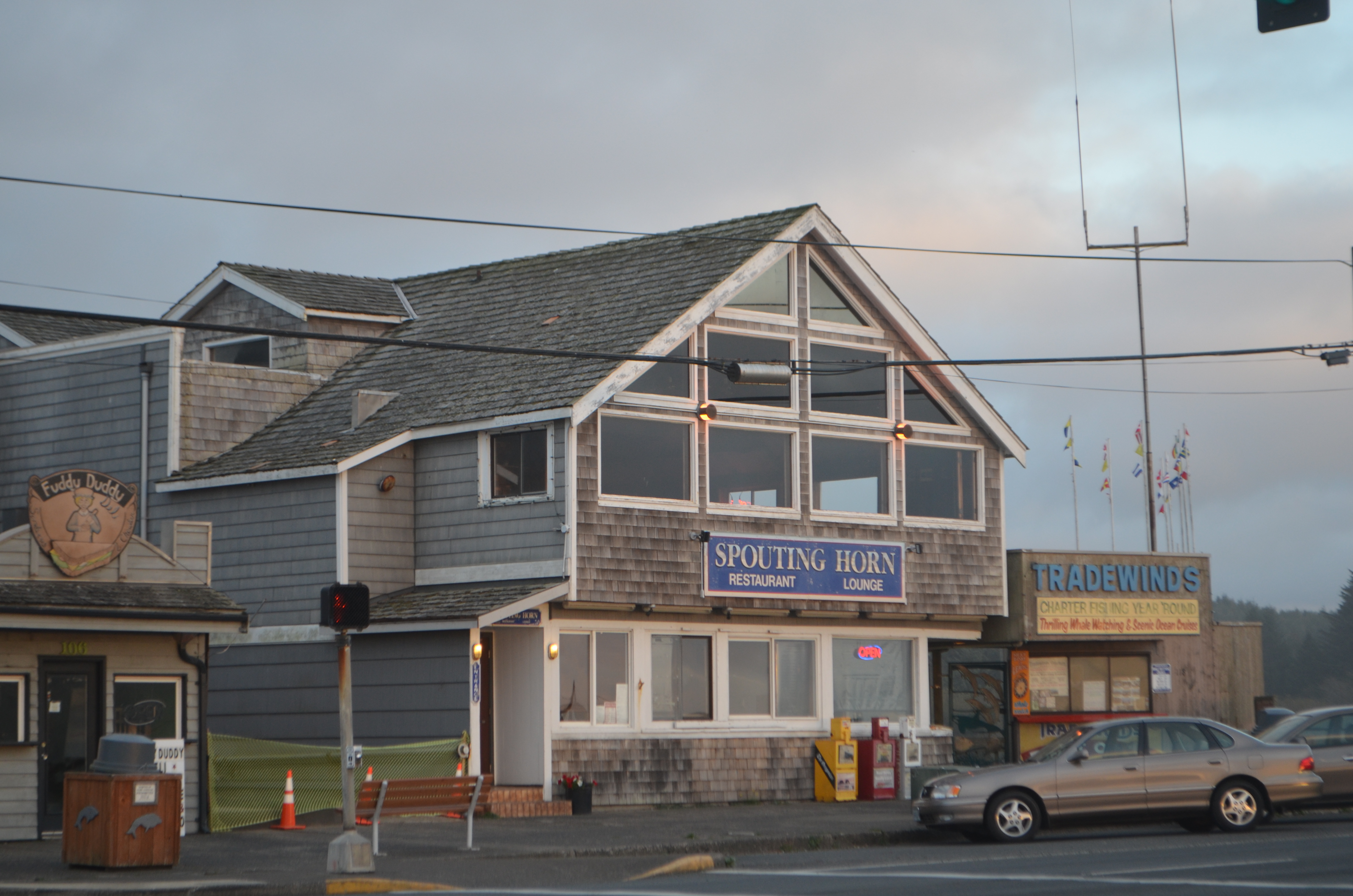
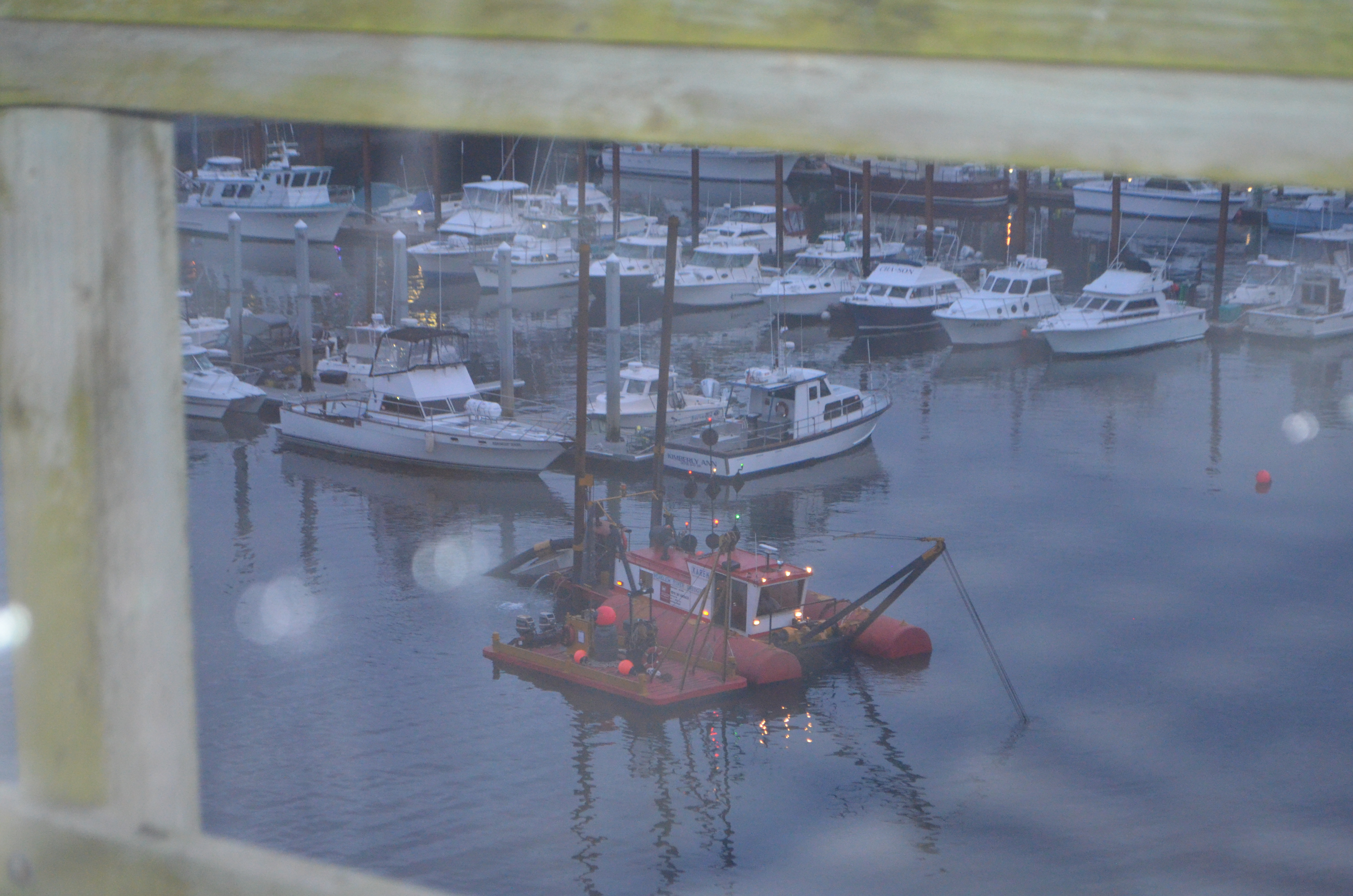
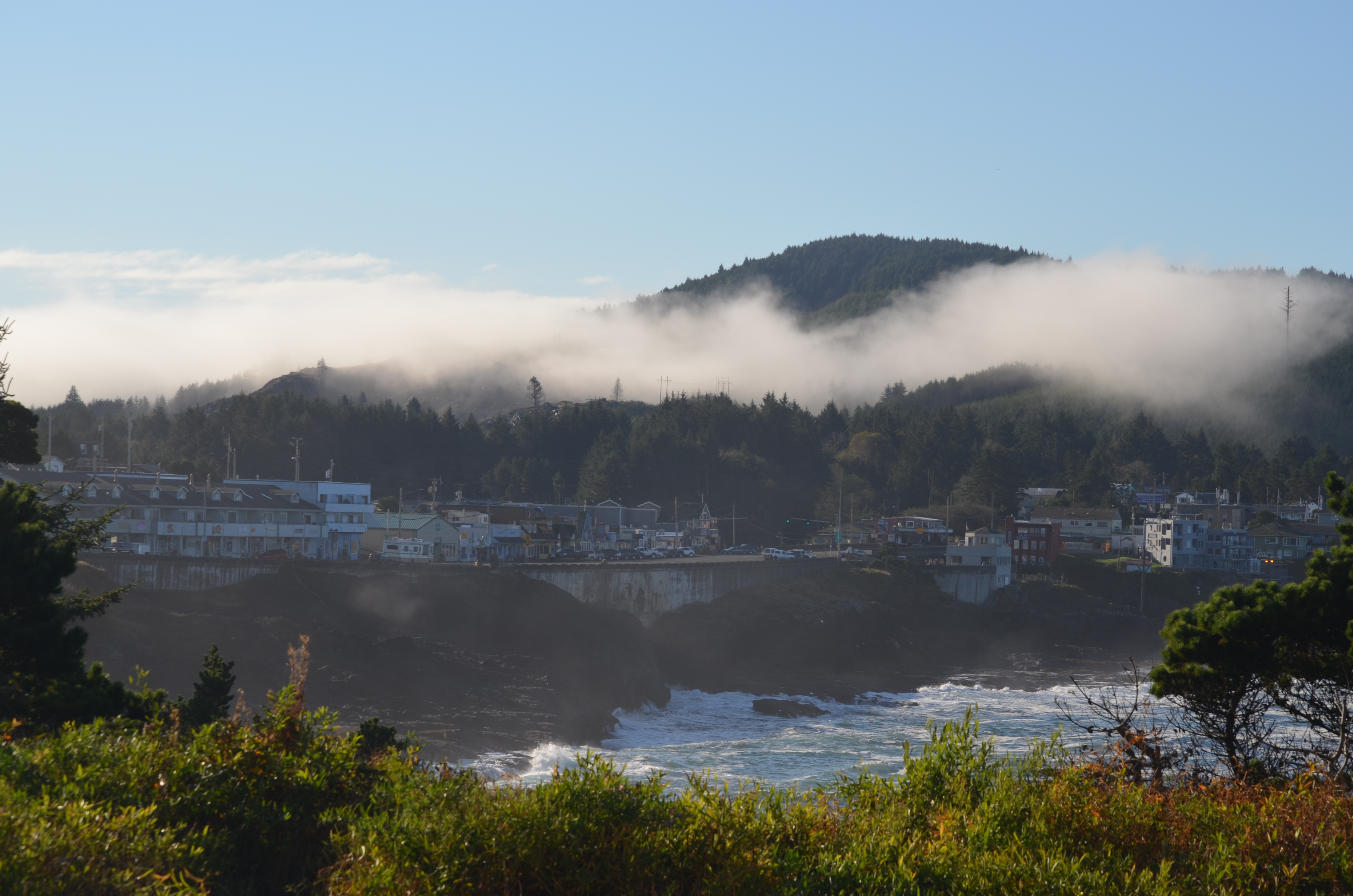
DSC_0299 DSC_0290 DSC_0300 IMG_5108On the way out, we noticed this reminder of the fires that are always a threat to this beautifully wooded state.DSC_0304Our next stop is the ocean, traveling through valleys that end with the sea, heading south to Depoe Bay, located on the central Oregon coast, our headquarters and home for the next week.  The sun was shining, the air was warm and our view of our little cove on the north end of Depoe Bay’s sea wall was magical.DSC_0488It was a homecoming this time, all of us familiar with the setting.  We spotted whales from our balcony, spouting close by.  That was a first for us, even though this is the whale watching capital of the world.  DSC_0320Our day ended with the sunset seen from the sea wallDSC_0353 before we headed to the comfort of The Spouting Horn, overlooking the world’s smallest harbor, for our first taste of seafood, followed by homemade pie.  I had Marionberry pie because I can’t get that at home.  The lady who makes the pies is in her 80s and I take advantage of her skills at every opportunity.DSC_0340 DSC_0363We ended our first day in front of the fire, enjoying the warmth as the evening cooled.  We were back in Oregon, ready for our next adventures.  I woke early the next morning and went walking along the point, looking back to see the fog come in over Depoe Bay.  DSC_0383This Okie girl feels right at home, even though it couldn’t be further from my beloved Oklahoma.  It has a special place in my heart.

Come back for more Oregon adventures tomorrow.

Last year, I traveled to Uniontown, Kentucky, where my father and grandfather were born, curious to see the place I had read about in a book, “The Sun Shines Bright,” written by my great-aunt Sue Hamilton Jewell about her life growing up there.  I also had photos from an album I collected when my grandparents died that showed the family when my grandfather was a child, a young man, and a father.  I wrote a blog about the trip, “My River Kinfolk,” that covered the visit.

That simple blog opened up new information I hadn’t expected.  I heard from several people who lived in the area, including someone who is distantly related, an author of a book about coal mining in the area, a young woman who lives in Uniontown, a man whose mother purchased the house my family lived in after they had all gone, and a woman who actually lived in the house at one time.  I hadn’t expected that kind of response at all.  All of that information centered around the lives of my grandfather’s family.

Over the next months, I opened a file box that was sitting on a shelf and found another recounting of life in Uniontown from my great-aunt on my grandmother’s side.  I was getting more and more of a picture of life on the river in that town.  I read about the great Ohio River floods, which devastated the towns along its banks, especially in 1884 and 1937.  I started getting more interested in the history of the area. Through another book of the history of the Hamilton family, I traced my grandfather’s family back to Scotland, which they left for Maryland due to religious persecution.  The box from my grandmother’s side showed that her family, the Spaldings, left England and landed in Maryland also.

Though they didn’t know each other, the Hamiltons and the Spaldings both migrated to eastern Kentucky in 1792, the year it became a state and opened up as the country expanded west.  My ties to Kentucky were deepening.  And branches of both families ended up in Uniontown, a growing community on the banks of the Ohio with commerce from the river traffic, coal mining, and agriculture.  There was even the ubiquitous Kentucky distillery.  From what I can tell, my great-great-grandfather on my grandfather’s side was a doctor who ended up in Uniontown.  My great-great-grandfather on my grandmother’s side was probably a farmer.  They were both part of the growth of the area.

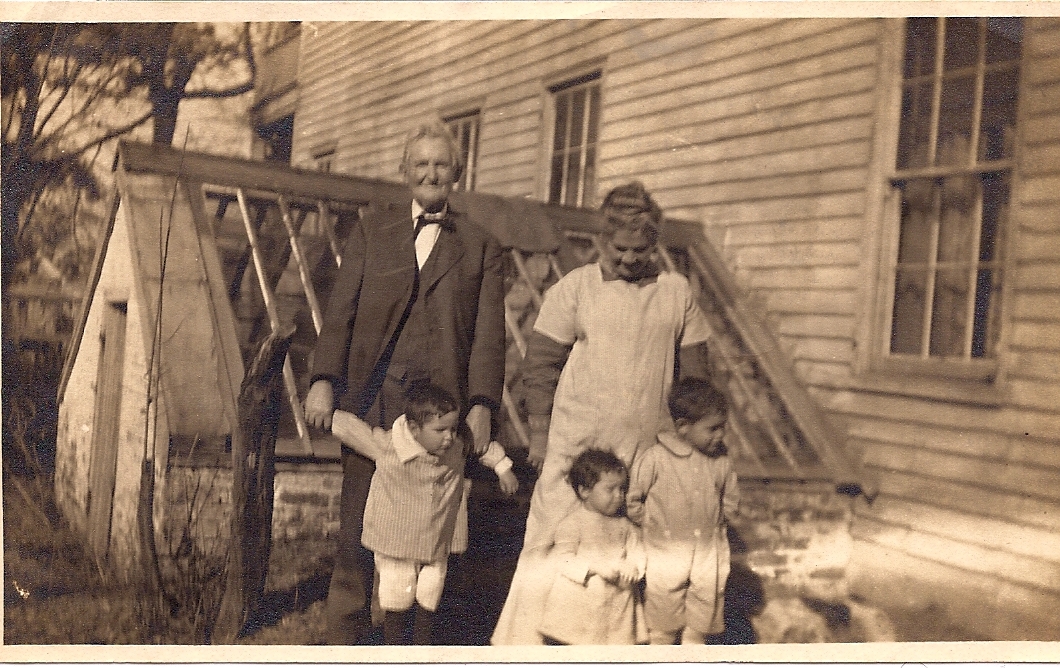
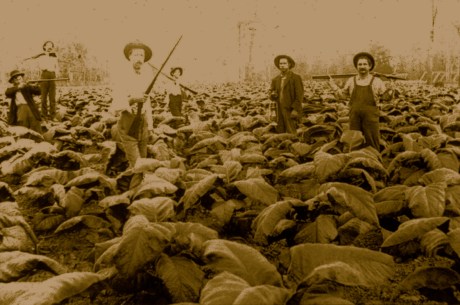
My grandfather was born in 1885 and had an idyllic childhood, raised in a large, loving family.  His father was a grain dealer with an office at the river for shipping.  He was also an insurance salesman for Aetna, so respected that they made him an honorary member of the Aetna family rather than let him retire.  He owned a farm in the area, also, which is probably where he was born.  He and my great-grandmother were the first couple married in the Episcopal Church in Uniontown and he served as Senior Warden for many years.  He was also a charter member of the Masonic Lodge in nearby Morgansfield.  They were pillars of the community according to his obituary.Scan 44My grandmother’s childhood was not quite so charming.  One of eight children, her father was a blacksmith and he drank.  He was also a farmer, tobacco mostly, and my grandmother picked worms off the tobacco along with her brothers and sisters.  Their mother died young and the children took care of each other and all of them worked.  Most of them got out as soon as they could.  My grandmother’s older sister opened a millinery shop in town and married into another more prosperous family.
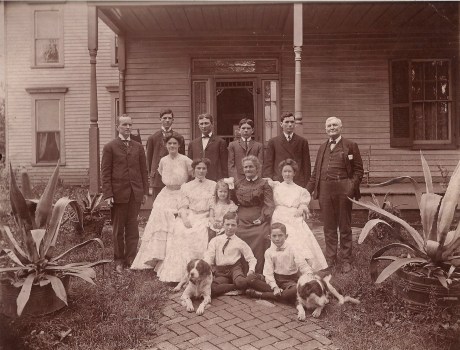
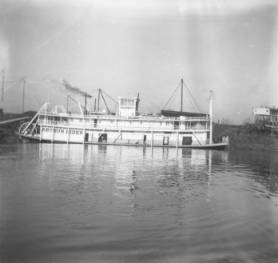
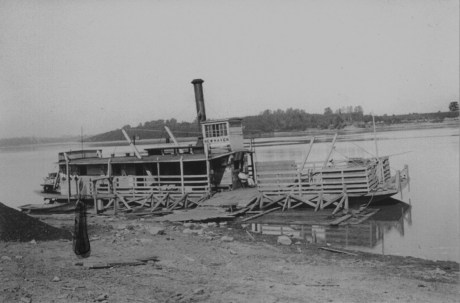
While my grandmother’s family didn’t have the luxury of a camera or a photographer, I have a picture of some of the tobacco farmers, ready to meet the revenuers coming onto their land.  One of them could easily be my great-grandfather.Scan 265My grandparents married and had their first three children in Uniontown before leaving for other opportunities.  I have these photos of my grandmother with my father (with curls), his brother and sister as babies, sitting on the lawn of the Hamilton house.  I note here that my grandfather was Episcopal and my grandmother was Catholic, not such an easy marriage in those days.  They were married for 55 years.  The story my grandmother told my mother was that they took a trip when they first got married, leaving on a train.  My grandfather gave his new bride a fur muff.  She was so poor that she didn’t even have underwear and now she had a fur muff.  That’s how I heard it, probably close to the truth.Scan 93And this photo is of my great-grandparents with their grandchildren, my father on the right.  I’m lucky to have many more precious photos.Mom & Dad Hamilton with J. C., Ed & SaraThe town was changing as the river changed and the riverboats became more obsolete.  I love this old picture of one of the riverboats that stopped in Uniontown, delighting my grandfather in his childhood.ajaxhelperAnd I realized that this photo of my father and his brother was with a sailor on one of the riverboats.  Somebody drew in the head that was cut out of the picture, making it even cuter.  Daddy was born in 1912, so this must have been around 1915 or so.Scan 248And here’s one of the ferry at Uniontown, one my father probably rode to cross the Ohio.Scan 266As I found myself with even more information, I decided to return to Uniontown, especially since I now had some people to talk to while I was there.  My new friend, Treva Robards, spent a delightful afternoon driving around the area with me, filling my head with stories of her own childhood in Uniontown and pointing out the locations of long gone buildings along with local gossip.  I was beginning to get a bigger picture of this area and how it shaped my family.
Treva’s interest in my family grew from living in the old Hamilton house when she was younger.  The house that held our large family was flooded badly in 1937 and my great-grandmother died soon after from pneumonia contracted because she refused to leave.  It was purchased years later and became home to two or more families at a time.  Treva told me that the house was haunted and she could hear the cries of babies and the clanking of chains every night.  We think the cries could be from the three babies who died as infants or toddlers, my grandfather’s siblings.  She thinks the chains could be from slaves who were kept in the attic long before my family purchased the house.  Those are our theories anyway.  I have no doubt she heard them when she lived there.IMG_3731

She also told me that she was fascinated by a room that was kept locked upstairs.  She would look through the keyhole and see the antique dolls and dress forms with wonderful clothes and trunks piled around.  I know these are the things that my great-aunt wrote about in her book that delighted her as a child.  The roof fell in, the house was deserted, looters came.  Who knows why none of the family came to retrieve those items, some priceless treasures.  The family had scattered by then.  It gave me an answer to what came next in that wonderful home.

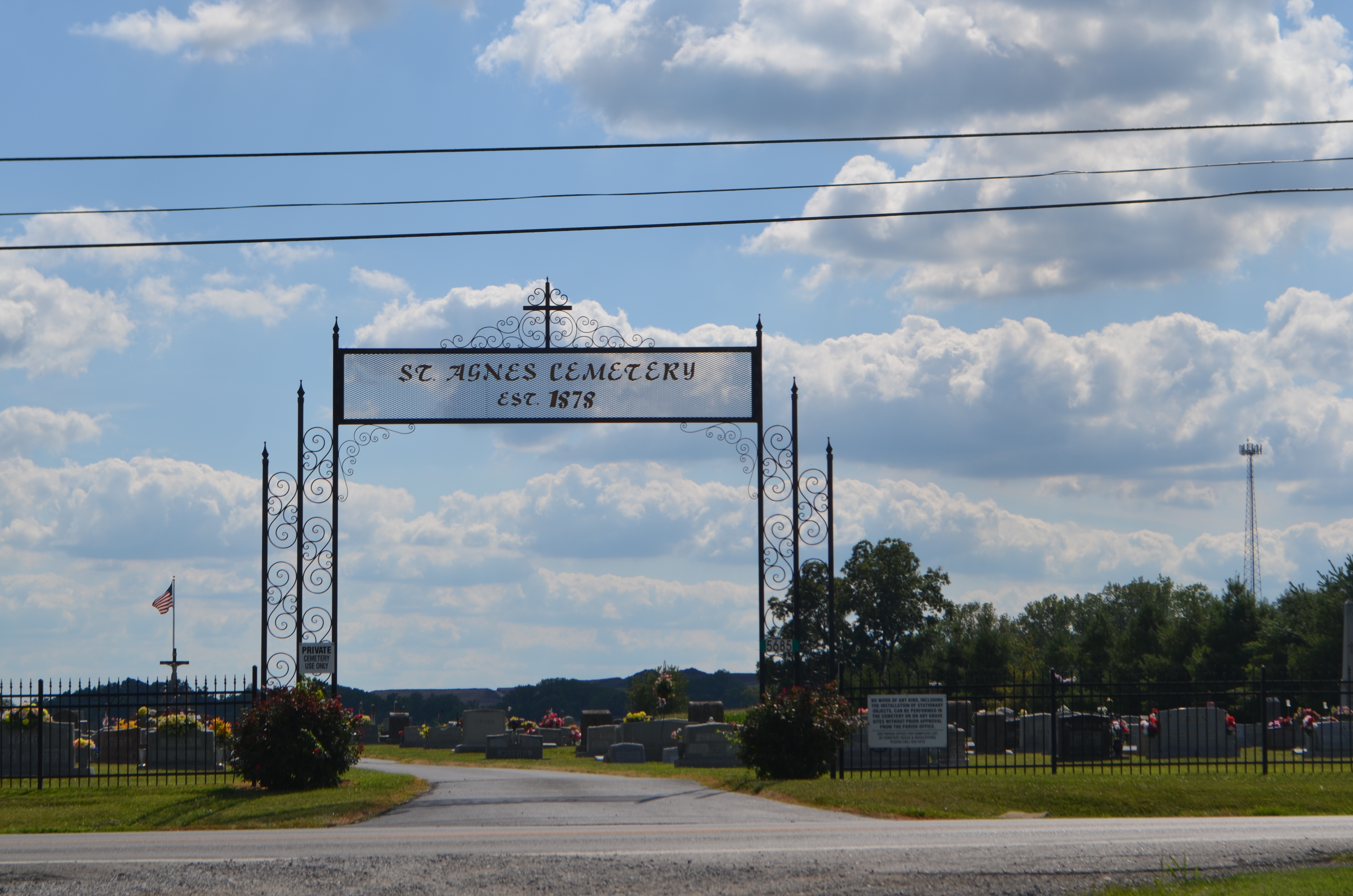
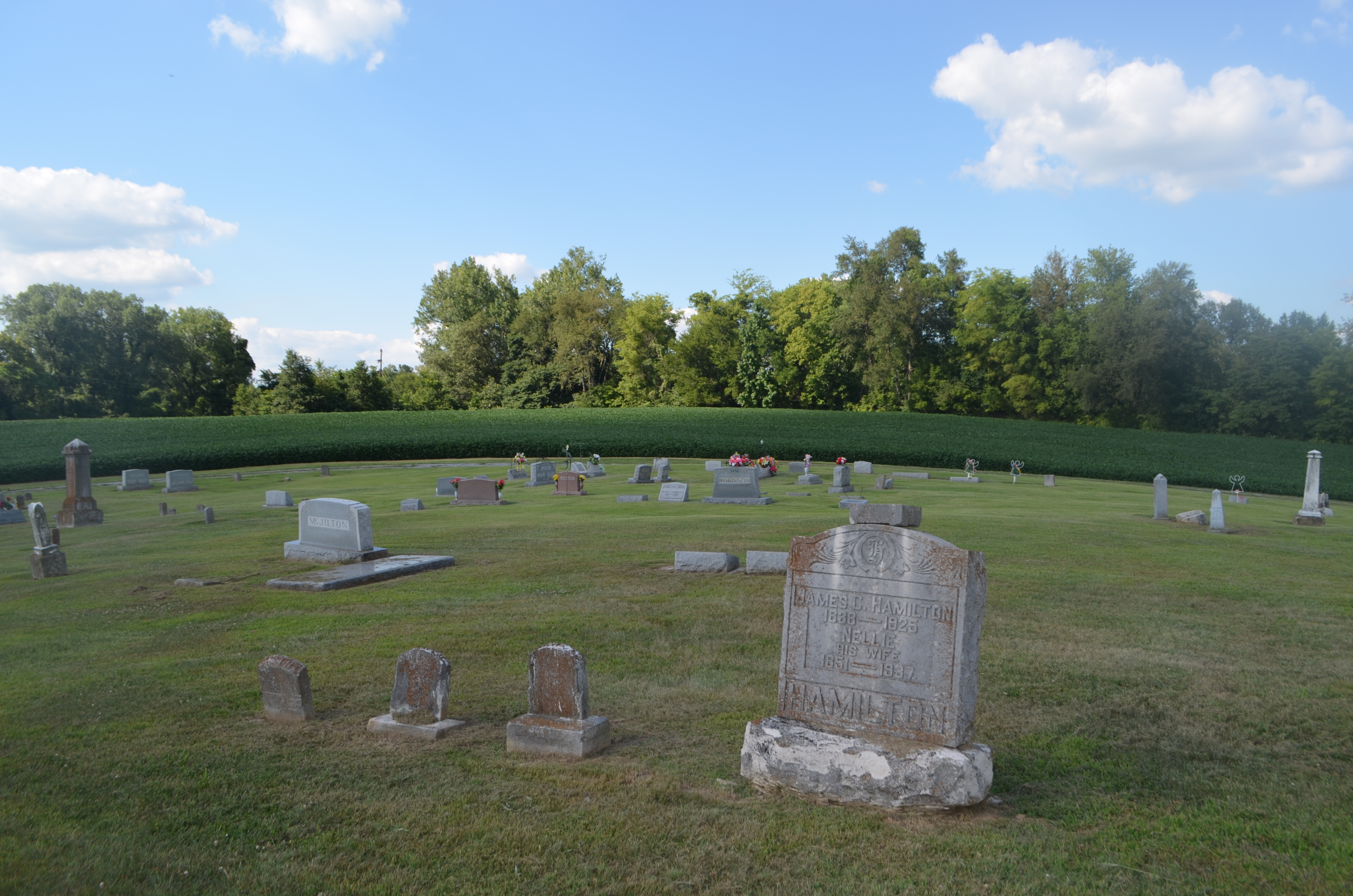
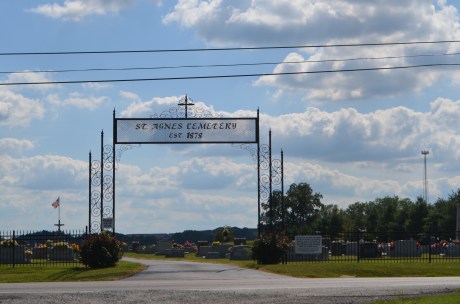
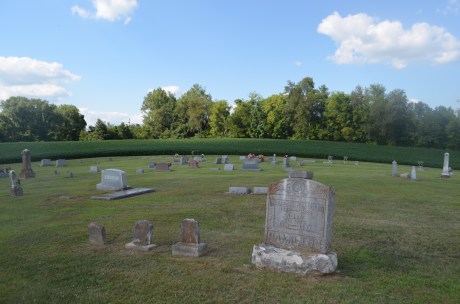
This trip I visited both cemeteries, the Uniontown cemetery where I went last year, and the Catholic cemetery, looking for my grandmother’s family.  The Catholic cemetery had lots of Spaldings, but none that matched the names I knew.   Many of the headstones were worn bare.  I also think my great-grandmother may have been buried in the potter’s field, so I paid my tributes there in the clear area by a pond at the back of the cemetery.DSC_0288The Hamilton sites were as I left them, although the cemetery was surrounded by corn last year and soybeans this year.DSC_0299There has been so much new information for me to think about this year, so much more to learn about life on the river and how my family was shaped through the centuries.  My greatest regret is that I didn’t ask my grandparents and parents to tell me stories of both sides of my family, because now I want to know and find myself searching for more clues.
We don’t tell our stories enough because we don’t realize the importance sometimes.  I think my childhood was pretty ordinary until I look back and place it in the times.  Maybe this is why so many authors tell their stories when they are older.  When we’re young, we’re busy looking to the future.  When there is less future time left, we turn back to put the past in perspective.

This is so much to take in and I share these stories for my children and grandchildren, my siblings, nephews, cousins, and all those to come.  More Uniontown stories to come…

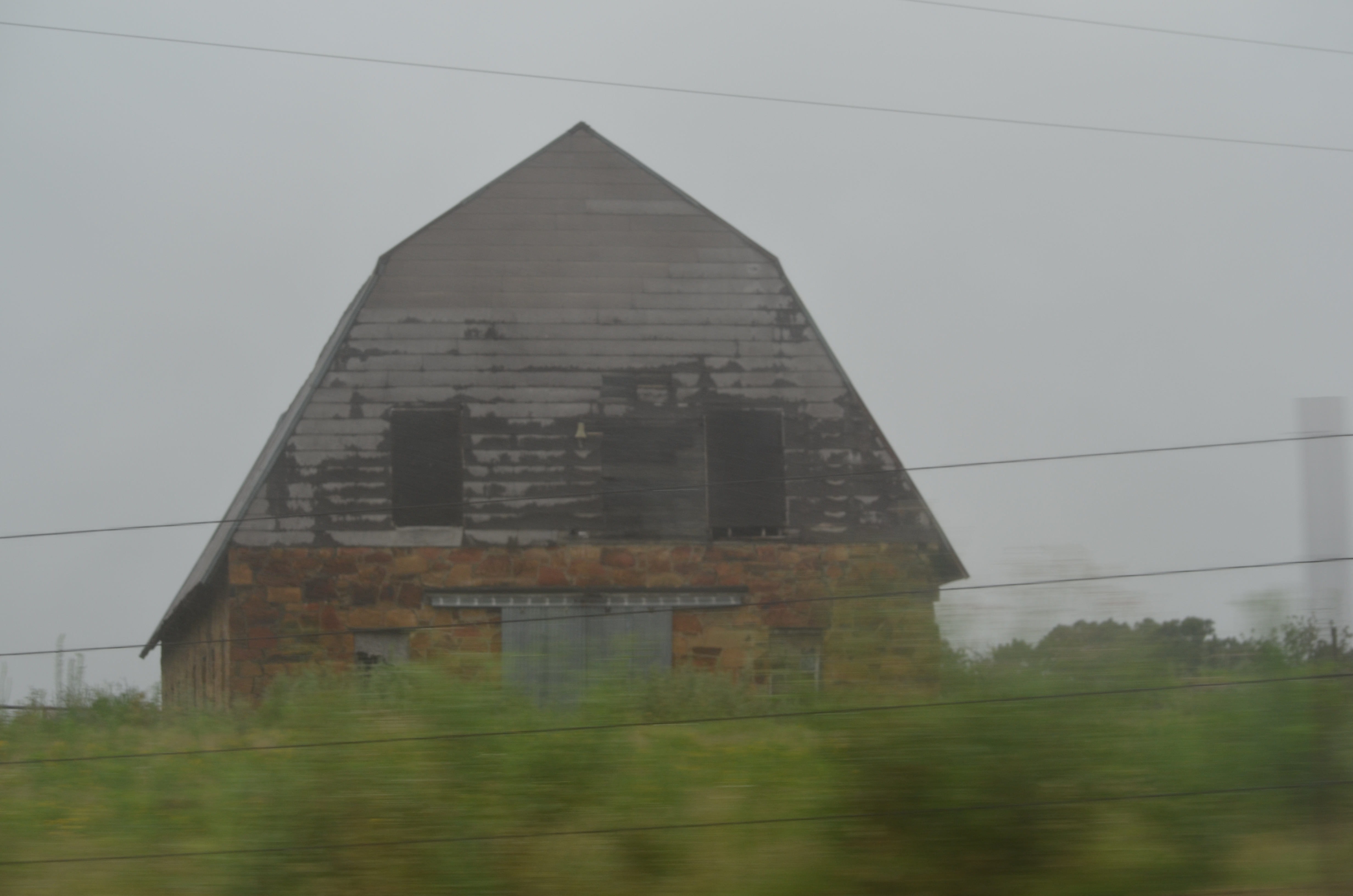
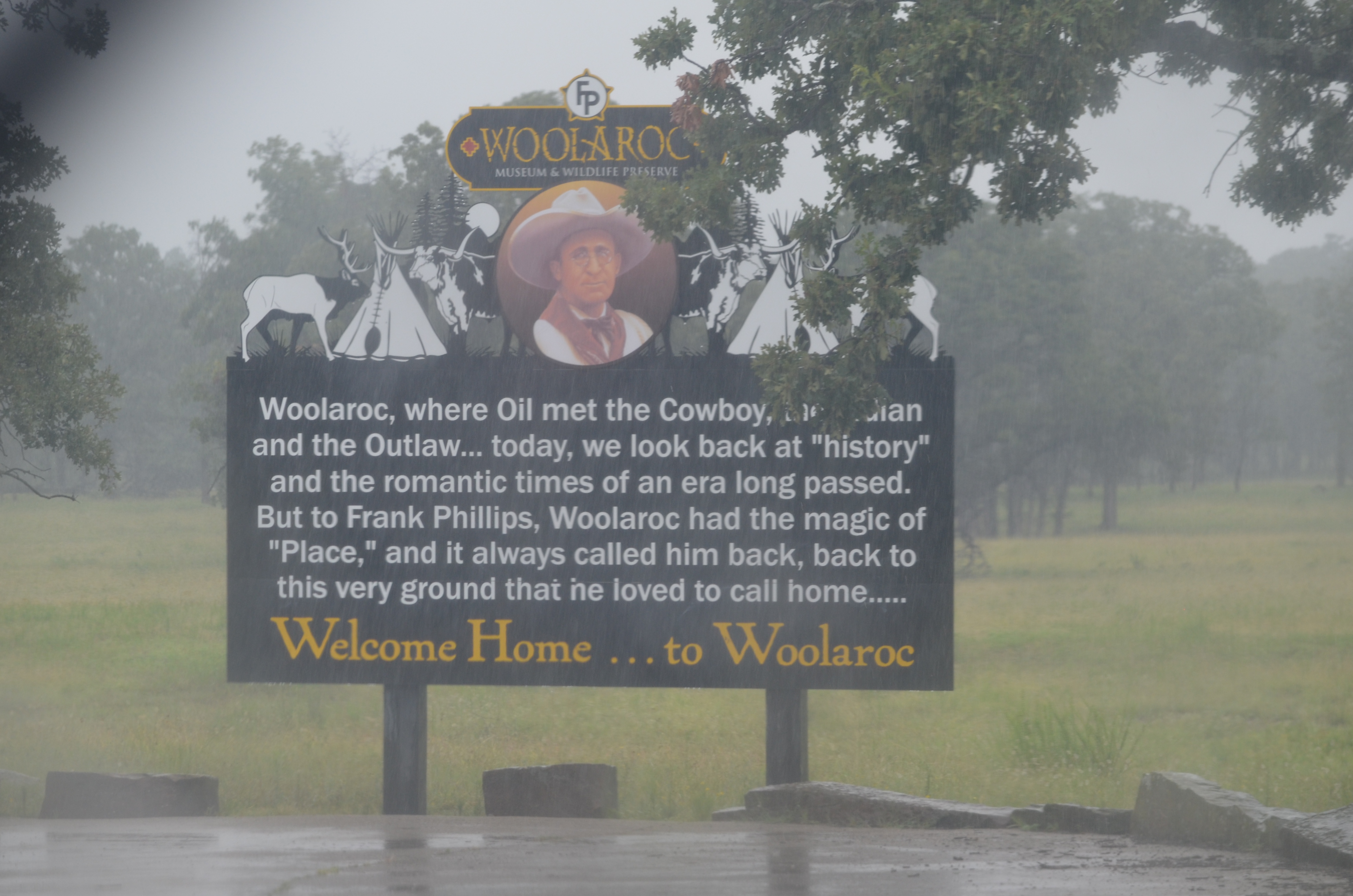
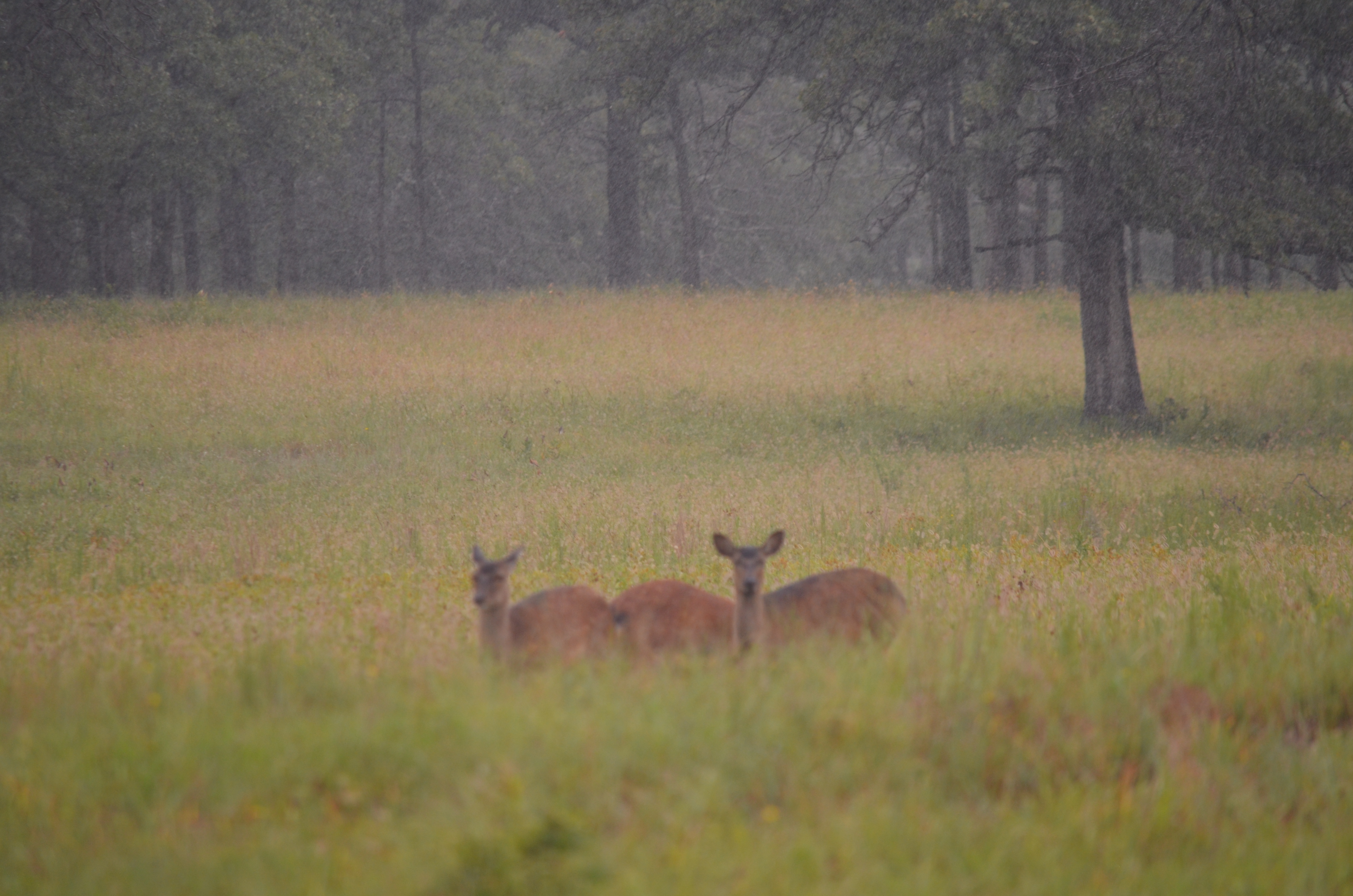
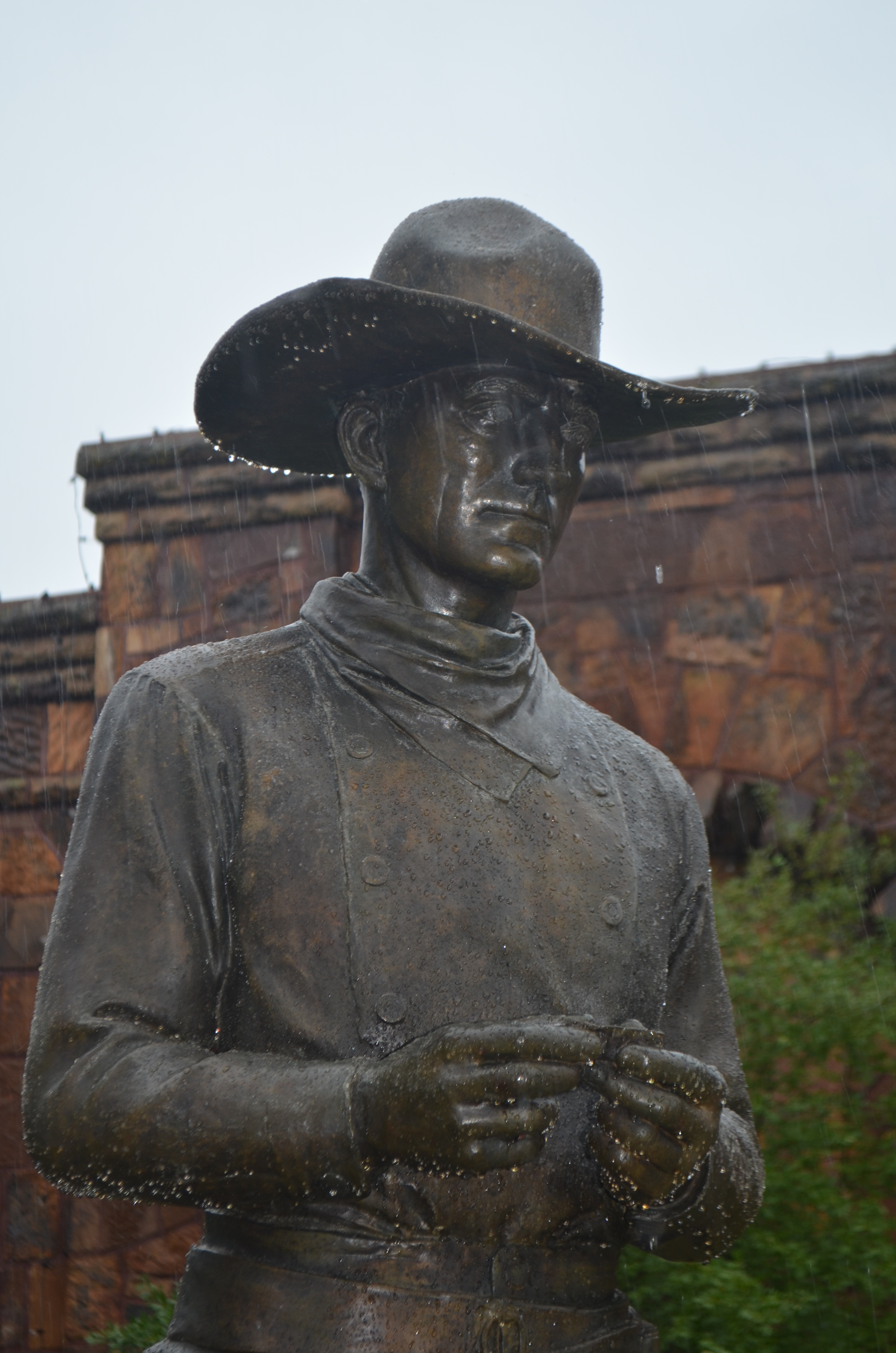
On a rainy day, a drive seemed like the thing to do.  Everything is green with the mild summer and the rain made it all the more beautiful.  There was a barn with a stone base.  I’m sure there are others of this design out there…somewhere.  I’m fascinated with weathered barns.DSC_0001There were bridges…DSC_0003…across swollen rivers…DSC_0004…and little bridges over creeks.DSC_0005Country fences and gates to go through.DSC_0009And country roads to travel.DSC_0010The animals don’t seem to mind the rain.DSC_0013We came to Woolaroc the back way on a whim.DSC_0015And were enchanted by the animals in the refuge…DSC_0017with a water buffalo swimming in the rain.DSC_0021We were greeted by an Indian…
DSC_0026and a cowboy in Frank Phillips’ magical place that celebrates the West.DSC_0031The perfect museum for a rainy day.  We said goodbye to the deer…DSC_0039

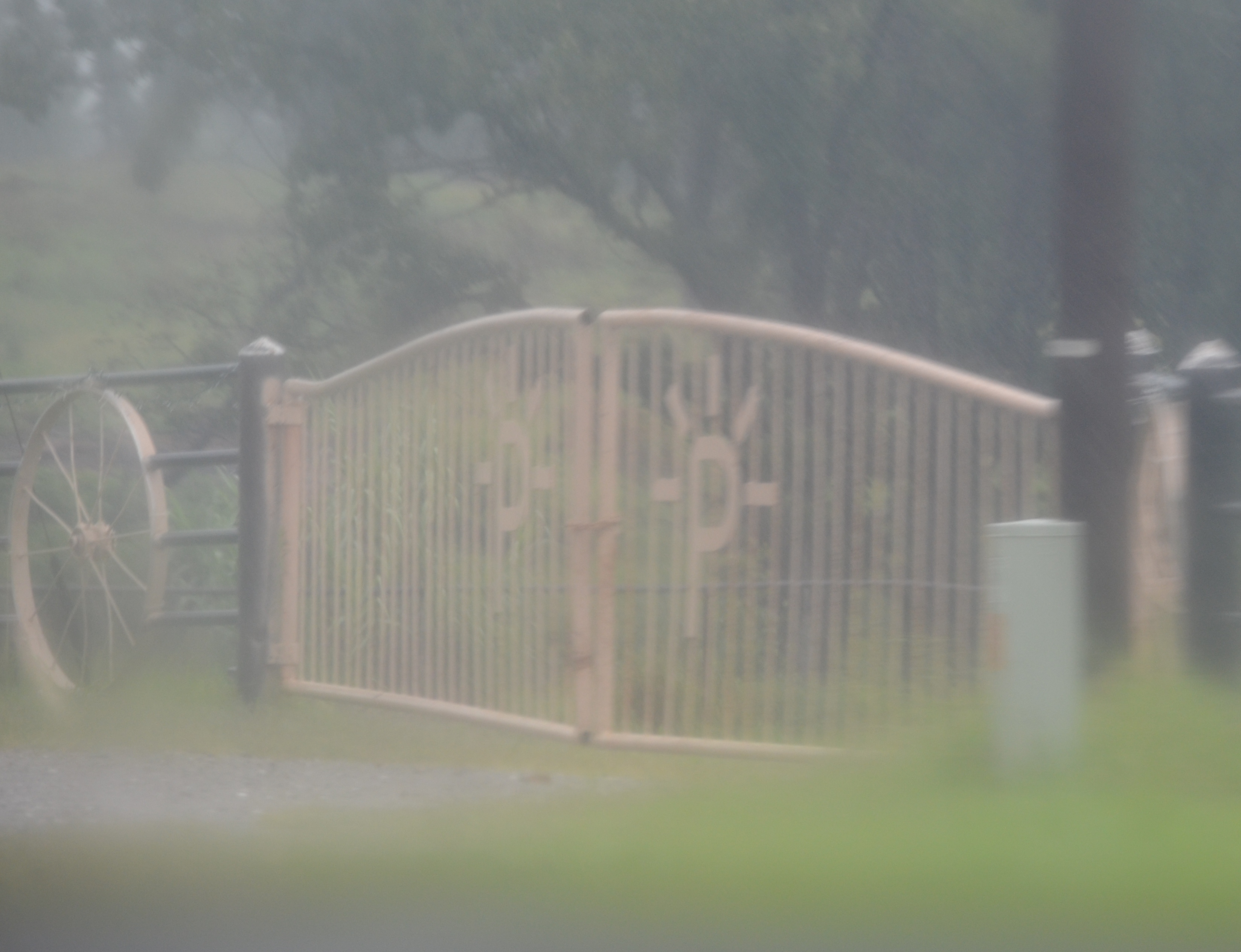
And drove by other ranches with a P…probably not Phillips.DSC_0040And left Osage County to drive home on this lovely rainy summer day.DSC_0041I love to be inside listening to the rain, but this was a special day in the country.   Good to get out there.

Traveling has always been more than just a drive to get somewhere in my life.  Looking for the details was something my parents taught us, making sure we saw all the sides of the places we visited.  When I went to Europe for the first time in high school, I was surrounded by buildings that have endured for centuries, changing uses dozens of times.

Coming from one of our newest states, where progress meant constantly moving forward and not looking back, it took the Historic Preservation efforts of the 1980s to make community leaders stop and see the value there was in the Main Streets and the historic homes.  There was money to be had in the tourist trade and civic pride to be boosted in the salvation of buildings of various architectural trends through the years.  These structures and neighborhoods became works of art to be treasured for future generations.

About 1985 or so, I attended a preservation conference that forever changed the way I looked at towns and cities I visited, especially the city I live in and the surrounding towns.  Neighborhoods that had been decaying suddenly became trendy and adventuresome investors began restoring and updating old oil mansions around town.  The payoff was immediate as property values rose and visitors responded well.  Once, just a few years ago, I was driving an international guest through town, watching him gape at the number of beautiful homes in the older neighborhoods.  We came to a neighborhood shopping area with restaurants and shops in the old storefronts and he beamed…until he saw the section where someone had decided to “modernize,”  making it just another city in his eyes.   I understood because I feel the same way when I visit another city.

But, preservation isn’t always easy.  How do you save a town that let it all go for too long?  A couple of weeks ago, we detoured off the road to visit Cairo, Illinois.  This town sits where the great Ohio and Mississippi Rivers meet, an important location in our country’s history.  This should be bustling with tourists and historians learning about the commerce that flourished in that important time when the riverboats ruled the waterways.  Way back, money was diverted from other river communities to build levees in Cairo due to its importance so it wouldn’t be flooded and lost.

Instead, history and man dealt Cairo severe blows with racial tensions and changes in the use of the rivers and the building of the highways that went around the town.  It has become not even a shadow of its former glory.  And, yet, there are those who would like to restore it, an uphill struggle of epic proportions.

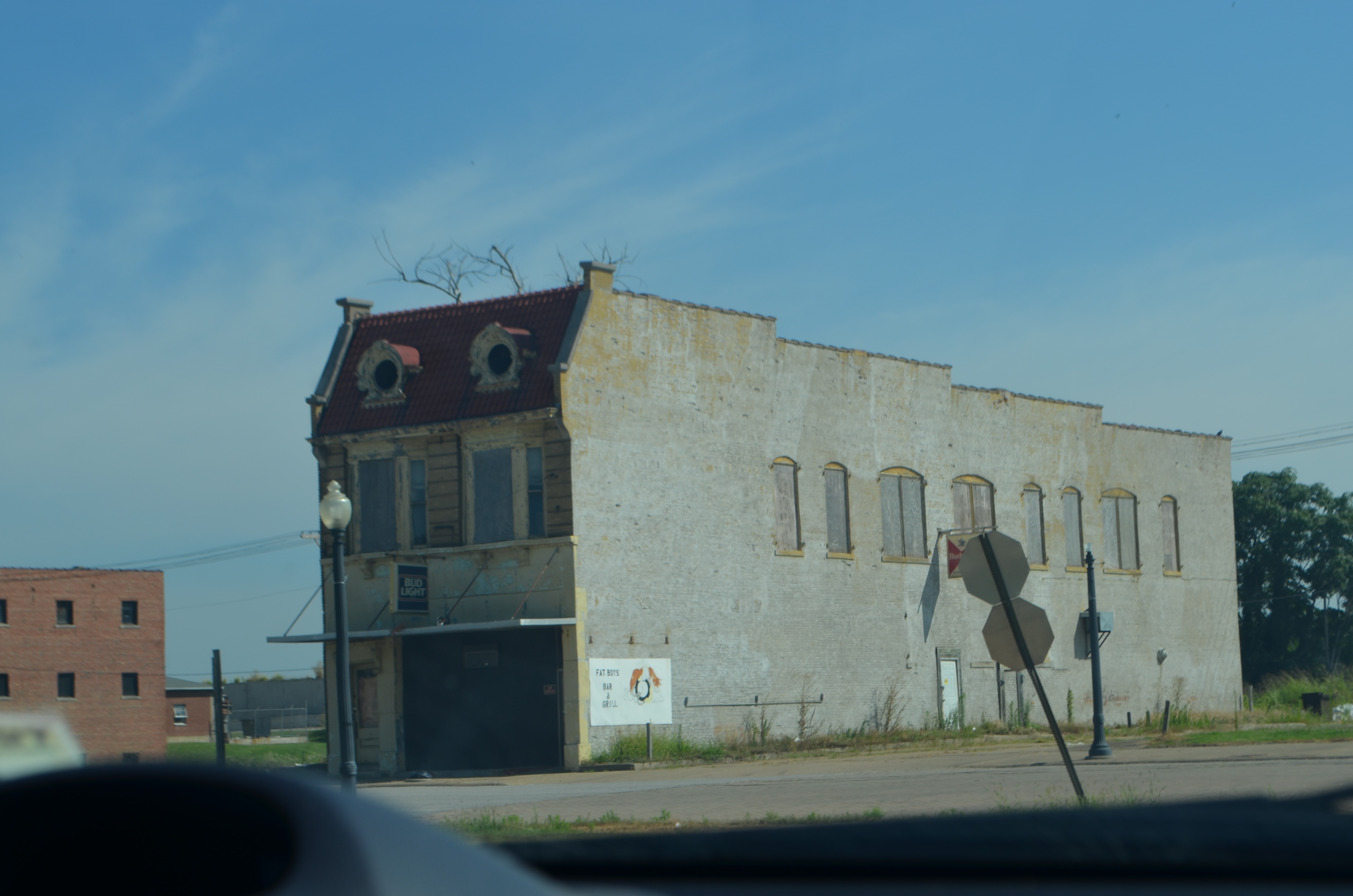
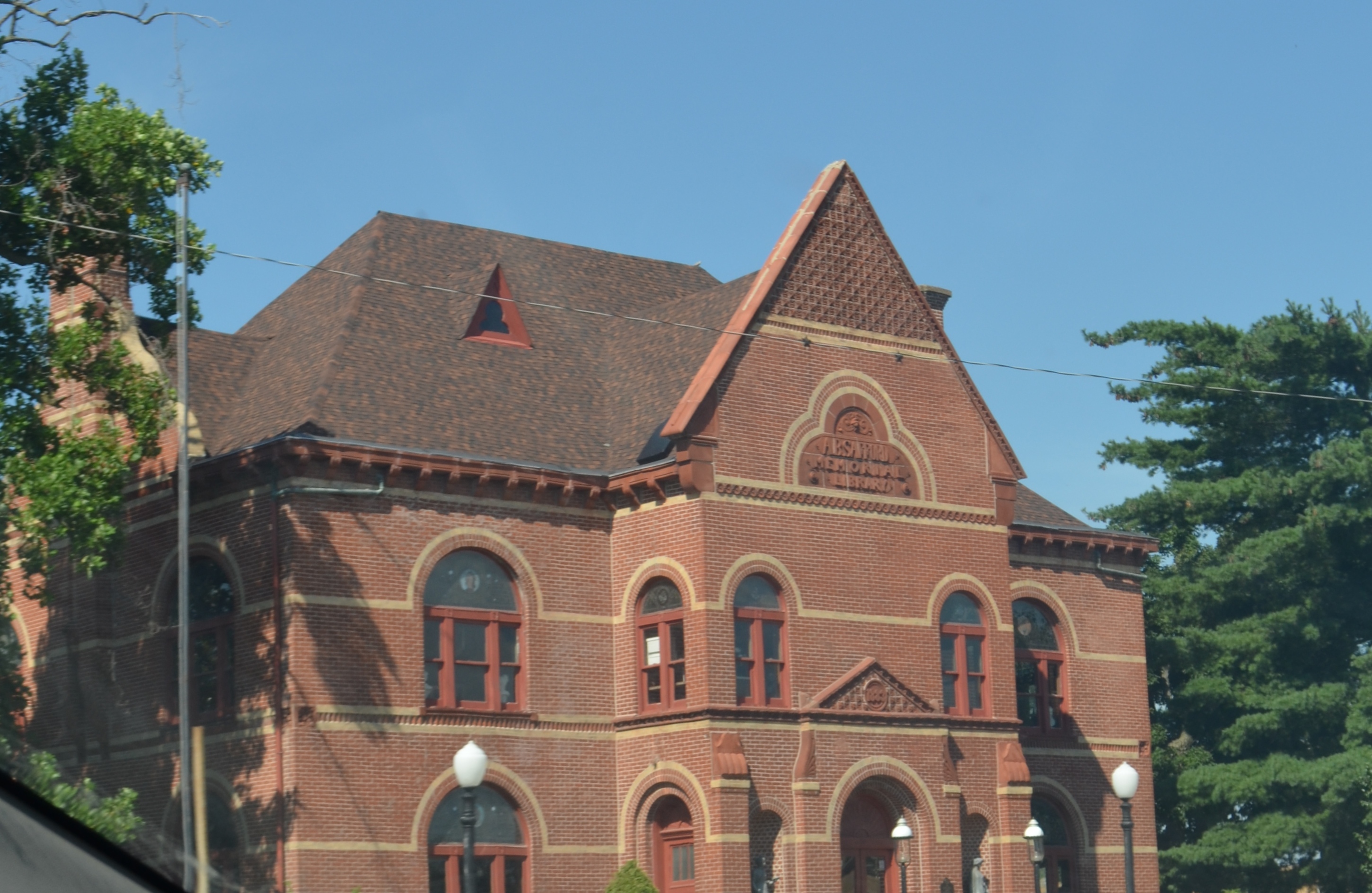
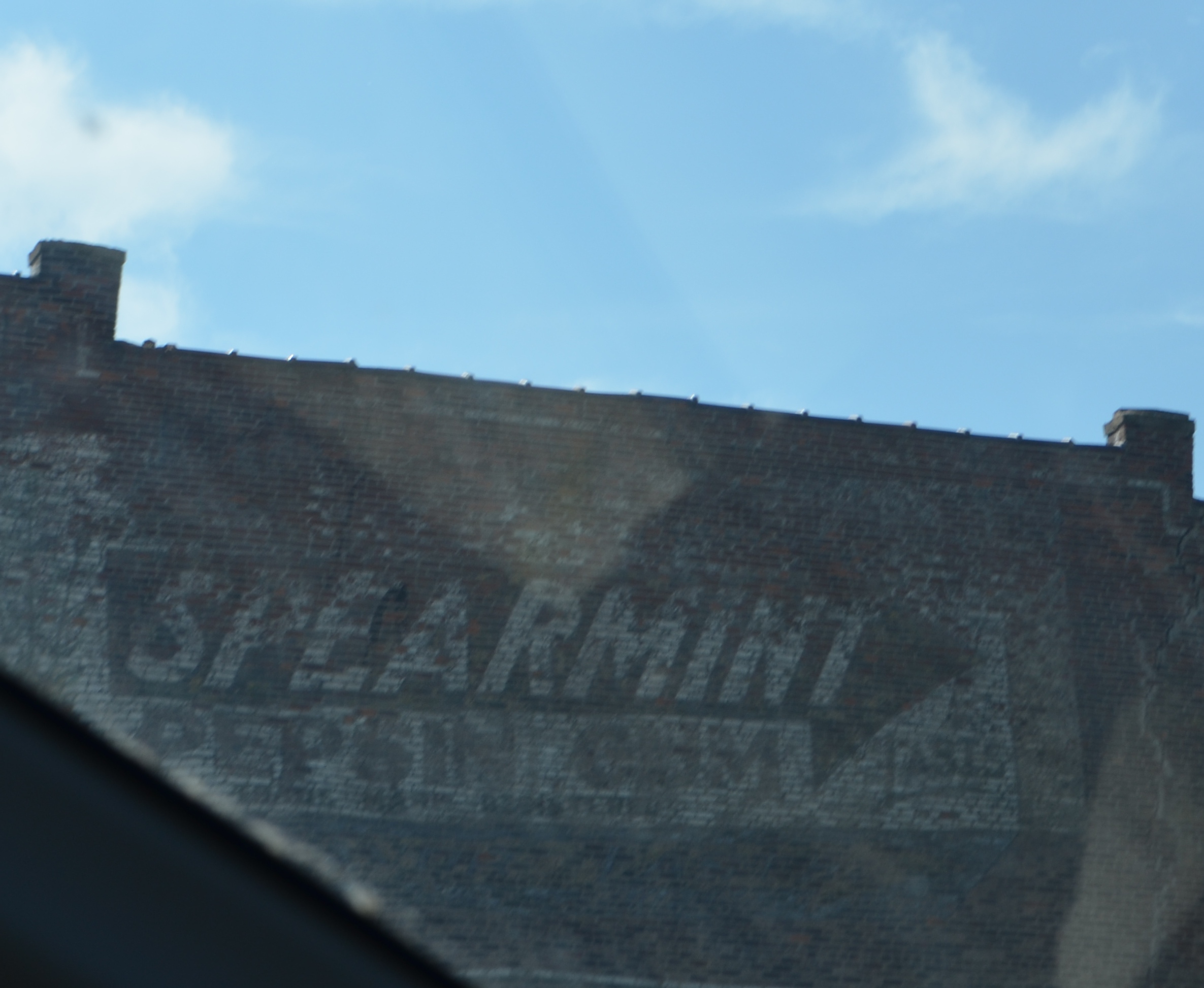
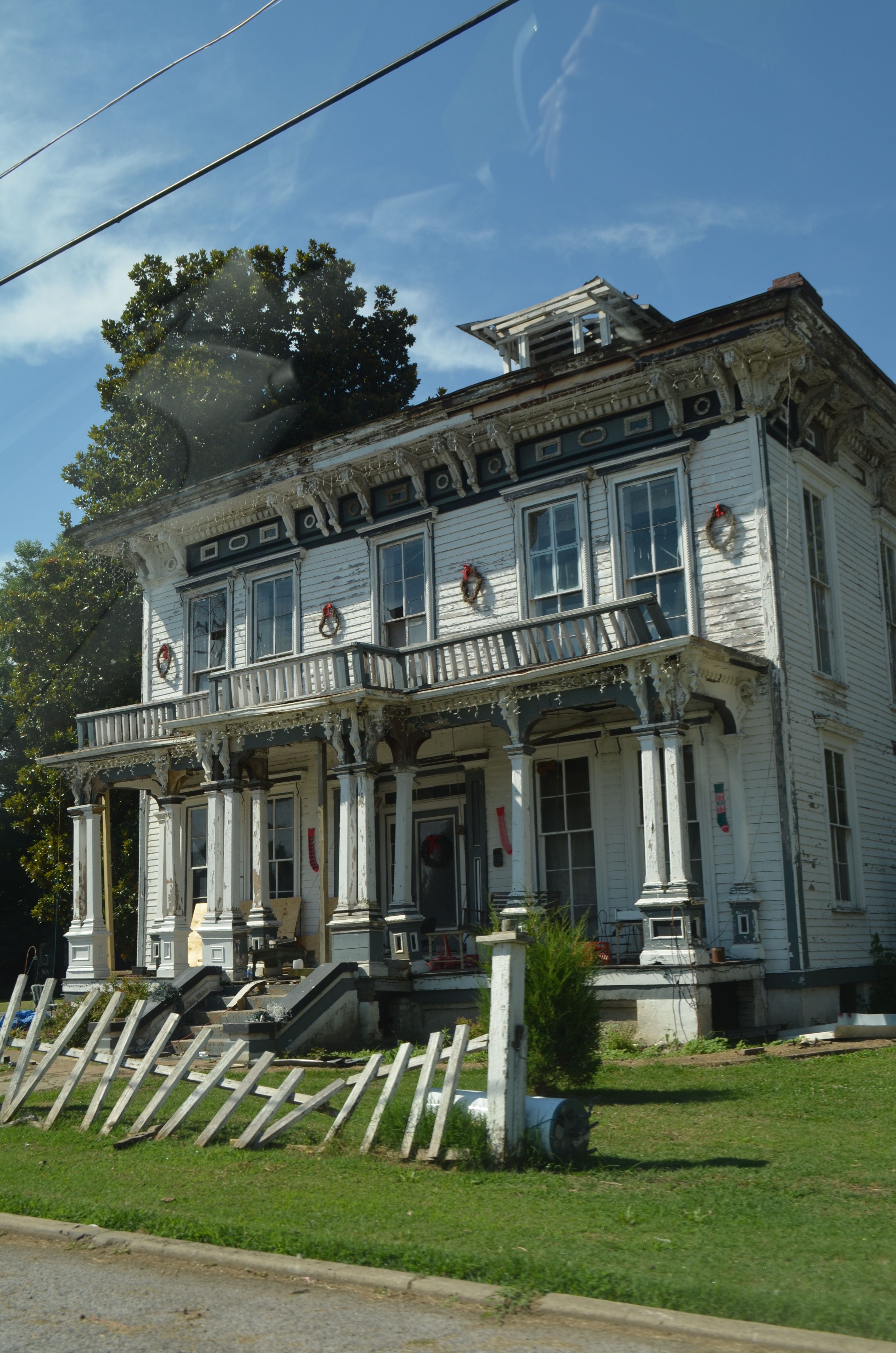
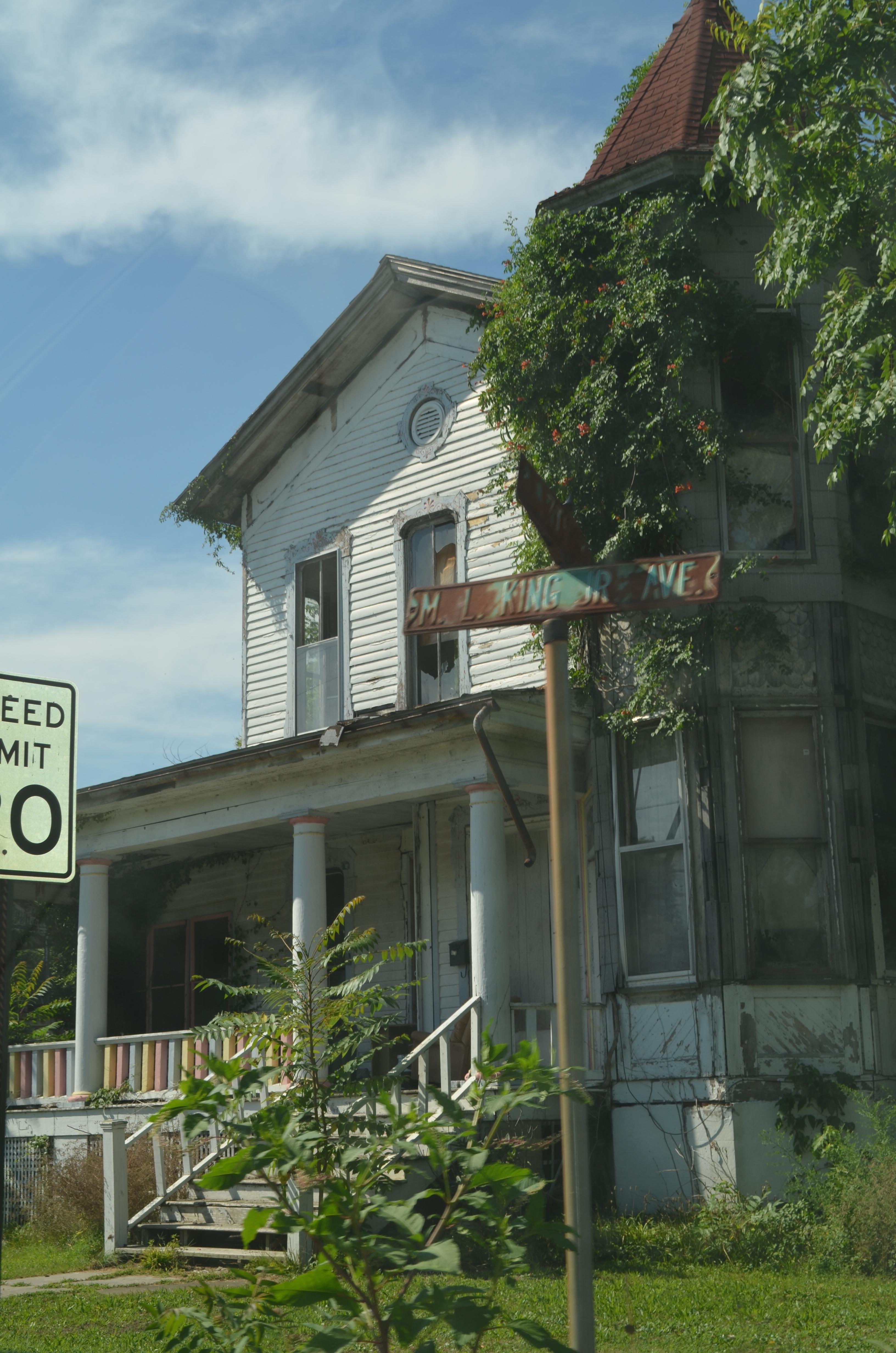
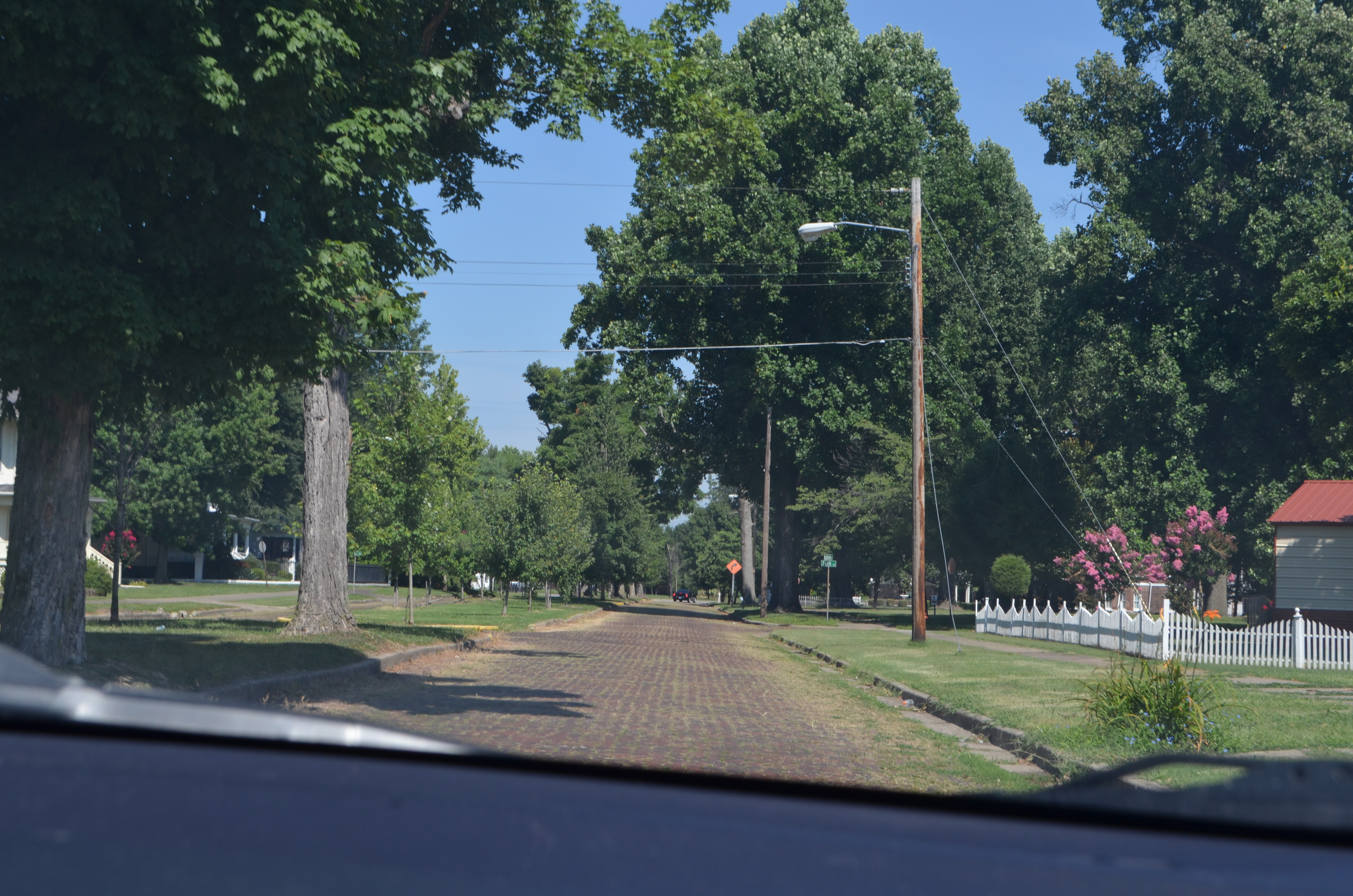
We came in under the bridge…DSC_0314…and headed along the main street.  Under a lovely sign declaring the Cairo Historic District, there was only this to be seen.DSC_0316 DSC_0317There was a beautiful old custom house, library and courthouse we’d driven by.DSC_0325A fading sign on a building gave a glimpse of advertising back then.DSC_0318Driving around the residential areas was dismal to one who loves to imagine the old homes bustling with life.DSC_0322I’m not sure I’ve seen such a stretch of sadness.DSC_0319A town that is being reclaimed by nature.DSC_0320Where would you begin?DSC_0321But, another sign had proclaimed an historic neighborhood district and we found a lovely park and a couple of restored mansions that could be toured.DSC_0338And admired…DSC_0328These are on a lovely brick, divided boulevard with a few other homes in various states of livability.  Grass grows through the bricks in different lengths.DSC_0334I salute those who are doing their best to preserve what’s left and I mourn for what the town might and should have been.  Our history is fragile and preservation is important.  We learn from where we were, where we are, and where we’re going.  At the conference I attended so long ago, a statement that stuck with me was the difference in a shopping mall that springs into existence and a downtown that has evolved through its history, showing all the difference eras through its architecture.

Here’s to those who fight to preserve and to make others aware.  It’s worth the battle.

Road trips teach you so much about the country you travel, letting you enjoy the scenery and absorb the flavors of the communities you pass through.  I always think of the first people to explore these areas and what they saw, the thick woods, the flowing rivers, the mountains and plains, pure in their abundance, beautiful in their vistas, frightening in their scope.  What courage, or ignorance, they brought on their journeys.

My recent trip through Missouri was full of summer beauty from the Ozarks to the Mississippi.  Missouri borders my home state of Oklahoma and neighboring Arkansas, so the scenery is familiar to me, but recent rains and the July bounty made it a lush vista to view as we traveled through.

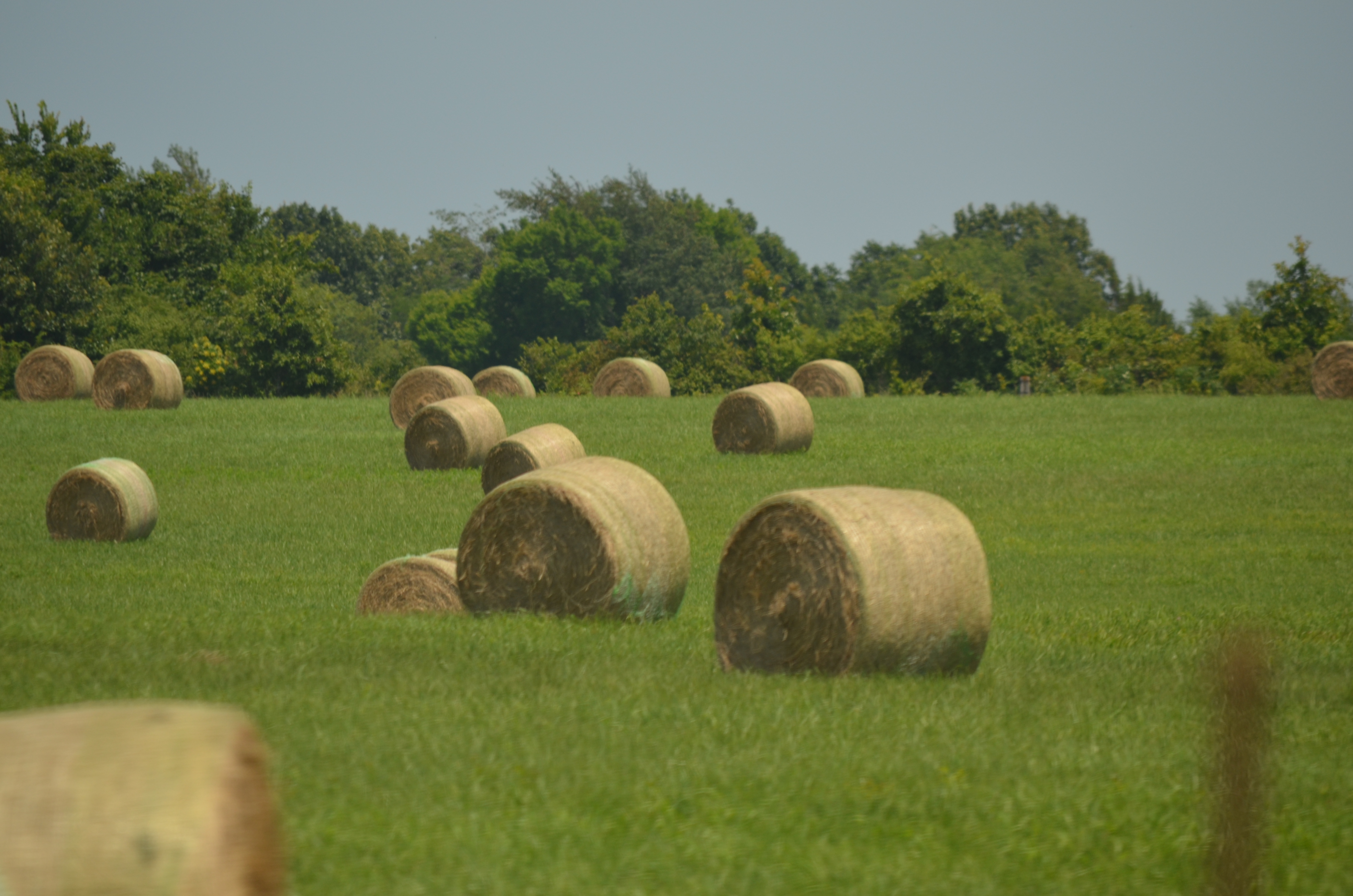
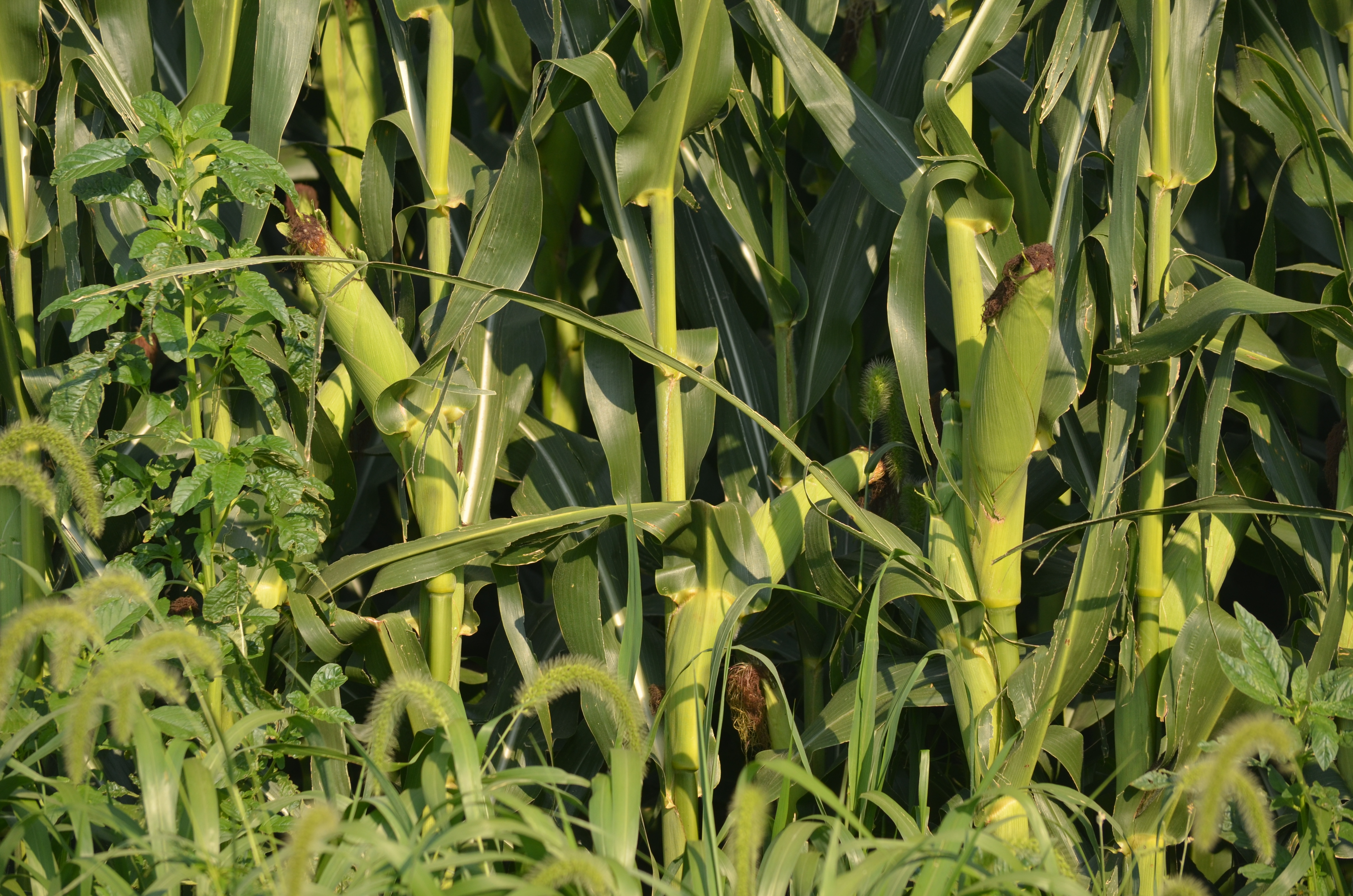
First stop was in Springfield, a wonderful city where I saw this sign that seemed so perfect for the area…DSC_0008…and ate a delicious steakburger and fries in this landmark stop.DSC_0012Leaving the interstates, which is the best way to explore and enjoy, it was mowing time and the hay bales, now round instead of the familiar rectangles, gave a somewhat festive design to fields we passed…DSC_0017…and even the medians.DSC_0033We stopped in Fulton to visit the campus of Westminster College, where two of my children graduated.  The Winston Churchill Memorial, where Winston Churchill gave his famous Iron Curtain speech now is the home of a piece of the Berlin Wall, repurposed into a sculpture by Churchill’s granddaughter and a Christopher Wren designed chapel.  The church bells chimed and I smiled at how that wakes the students across the campus early in the morning.DSC_0020DSC_0022I walked up the hill to the columns which my daughter and son both walked through twice, as they entered as Freshmen and as they graduated, a Westminster tradition.  I’m not sure what it is about columns on Missouri campuses, as there is a similar set on the campus of the University of Missouri, 25 miles away.DSC_0030Heading north to Hannibal, we left the southern Missouri Ozark regions and headed into the agricultural fields nurtured by the Missouri and Mississippi Rivers.  It’s almost harvest time and the corn was high, rippling off into the horizons to the rolling hills beyond.  Soybeans were the other crop we saw bursting in the fields.DSC_0036
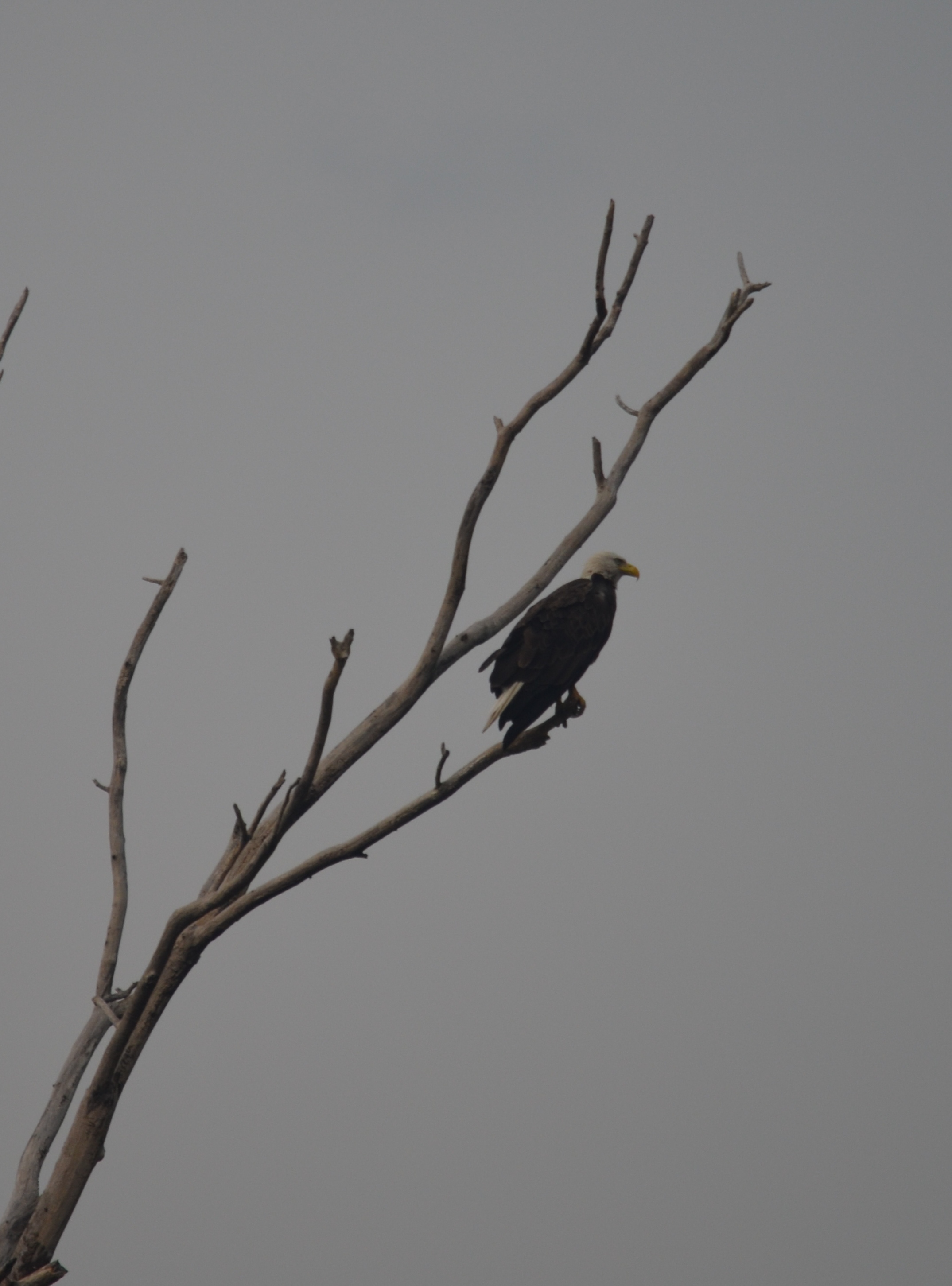
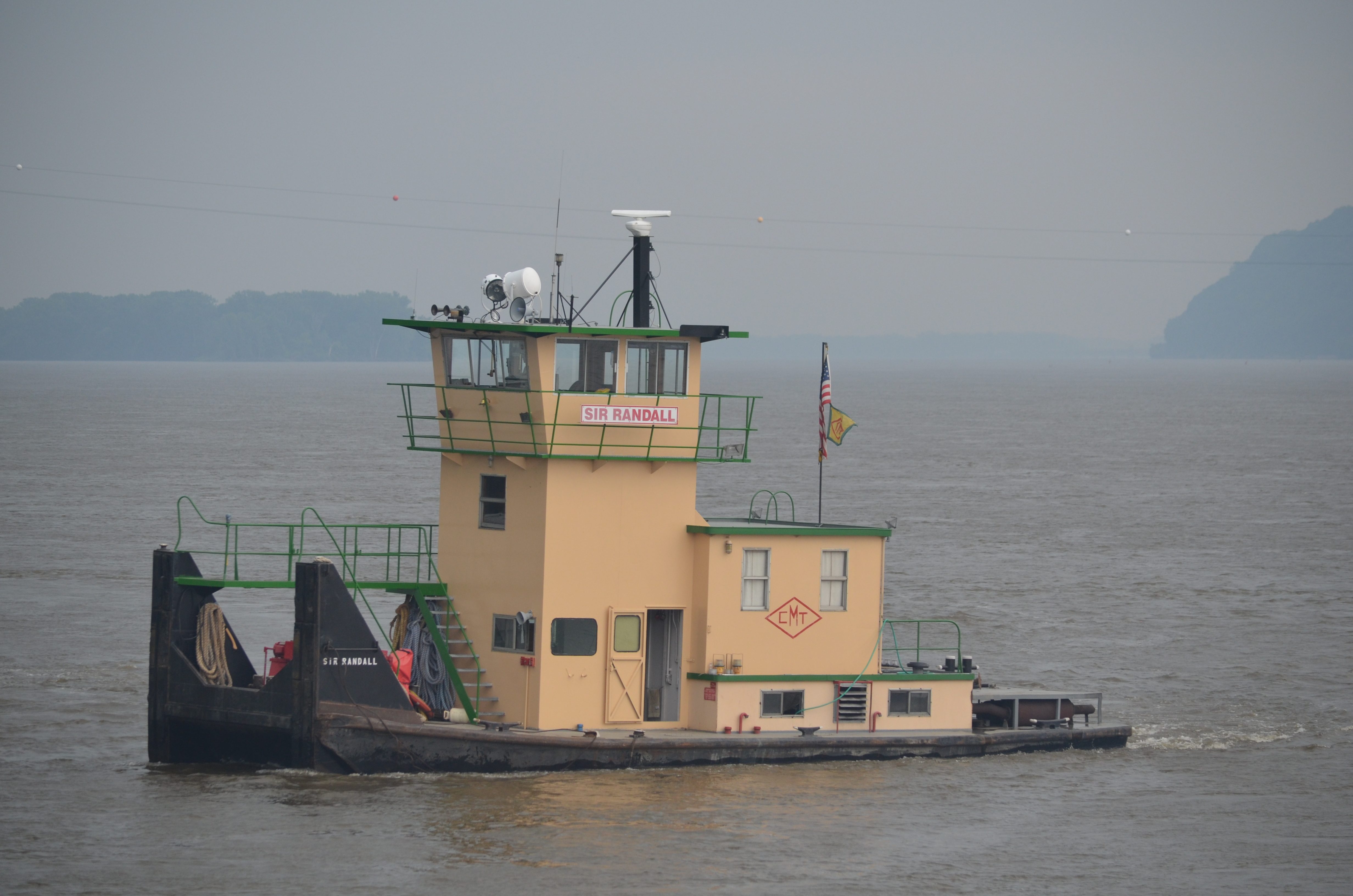
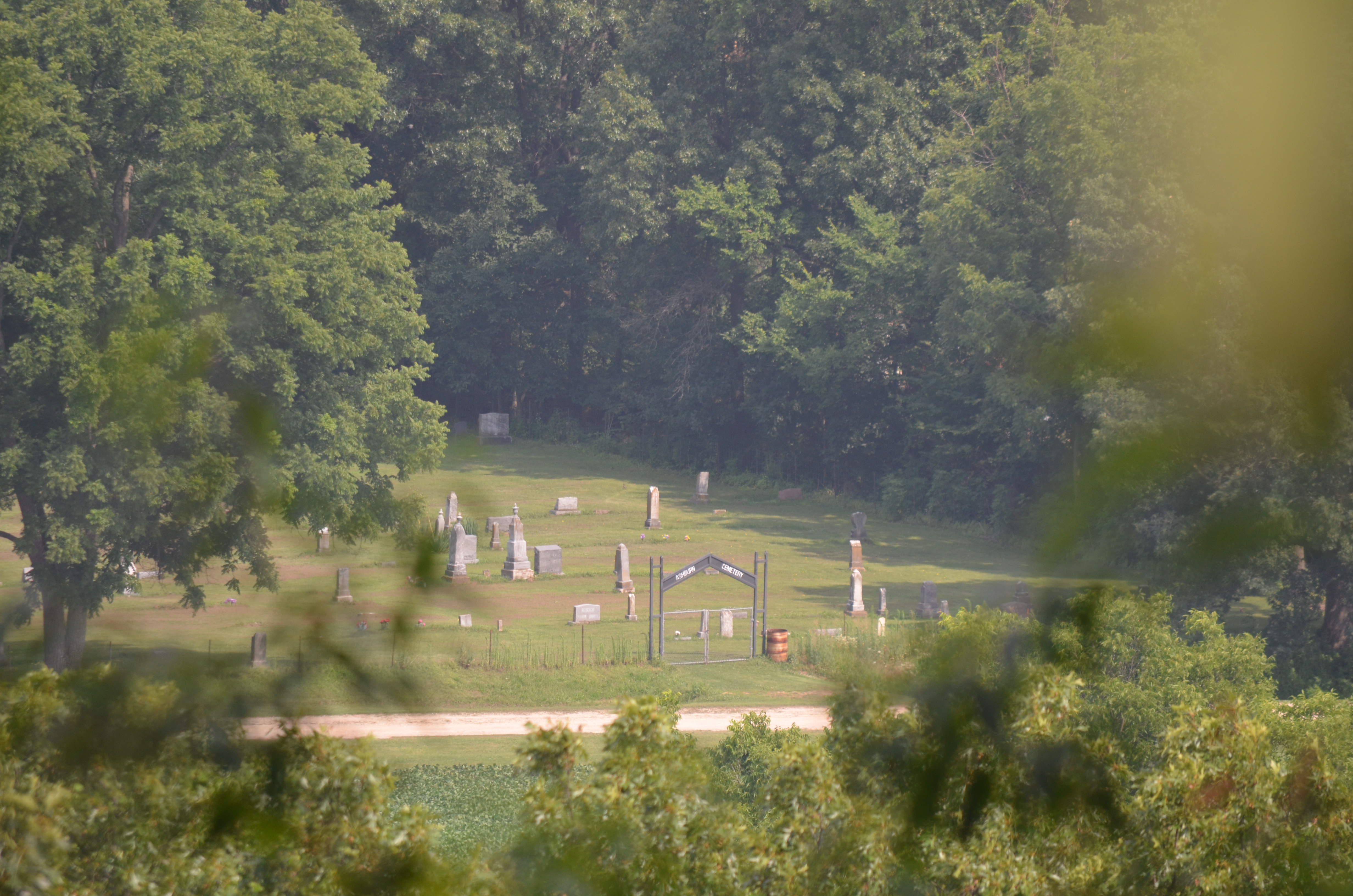
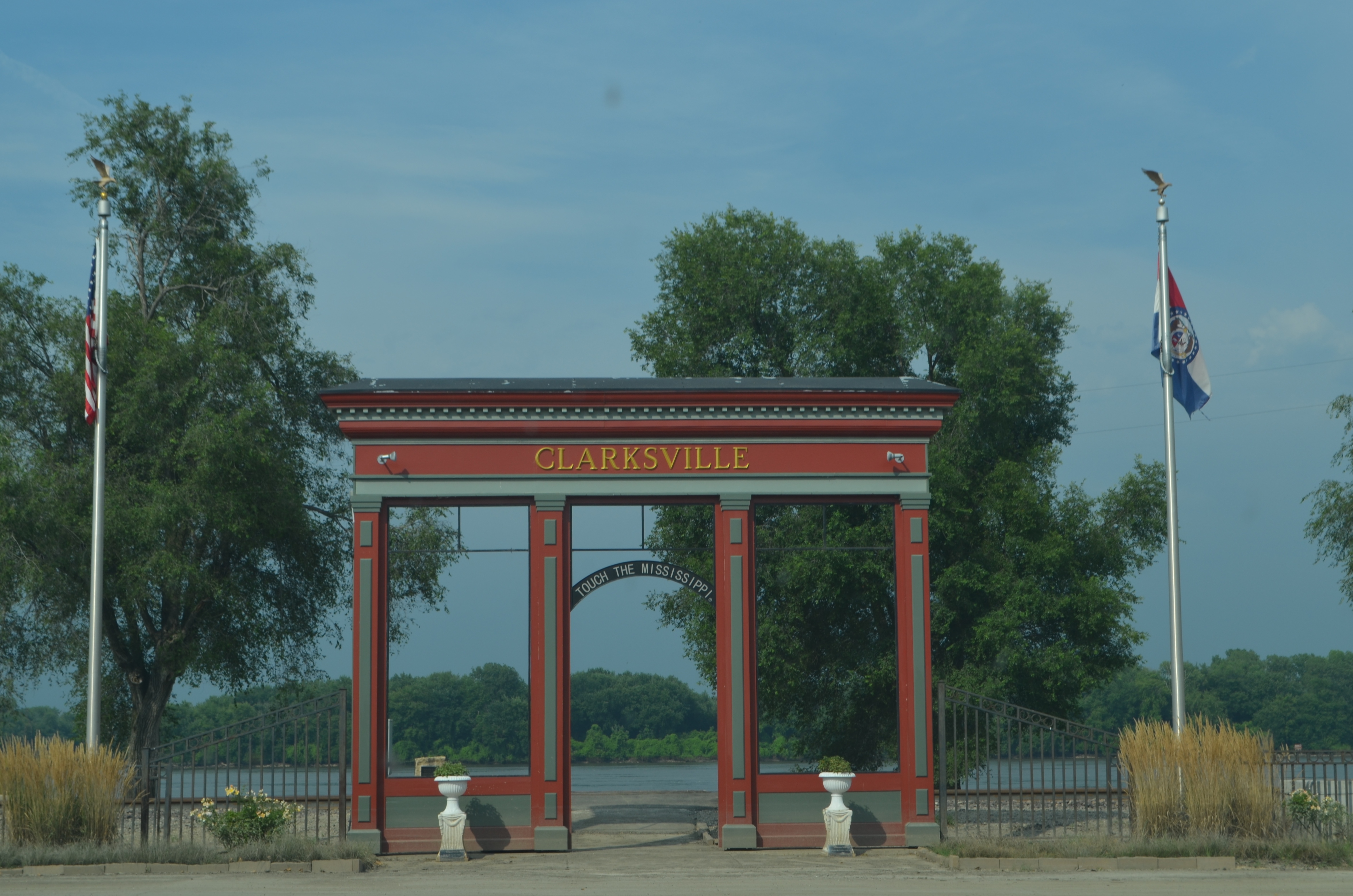
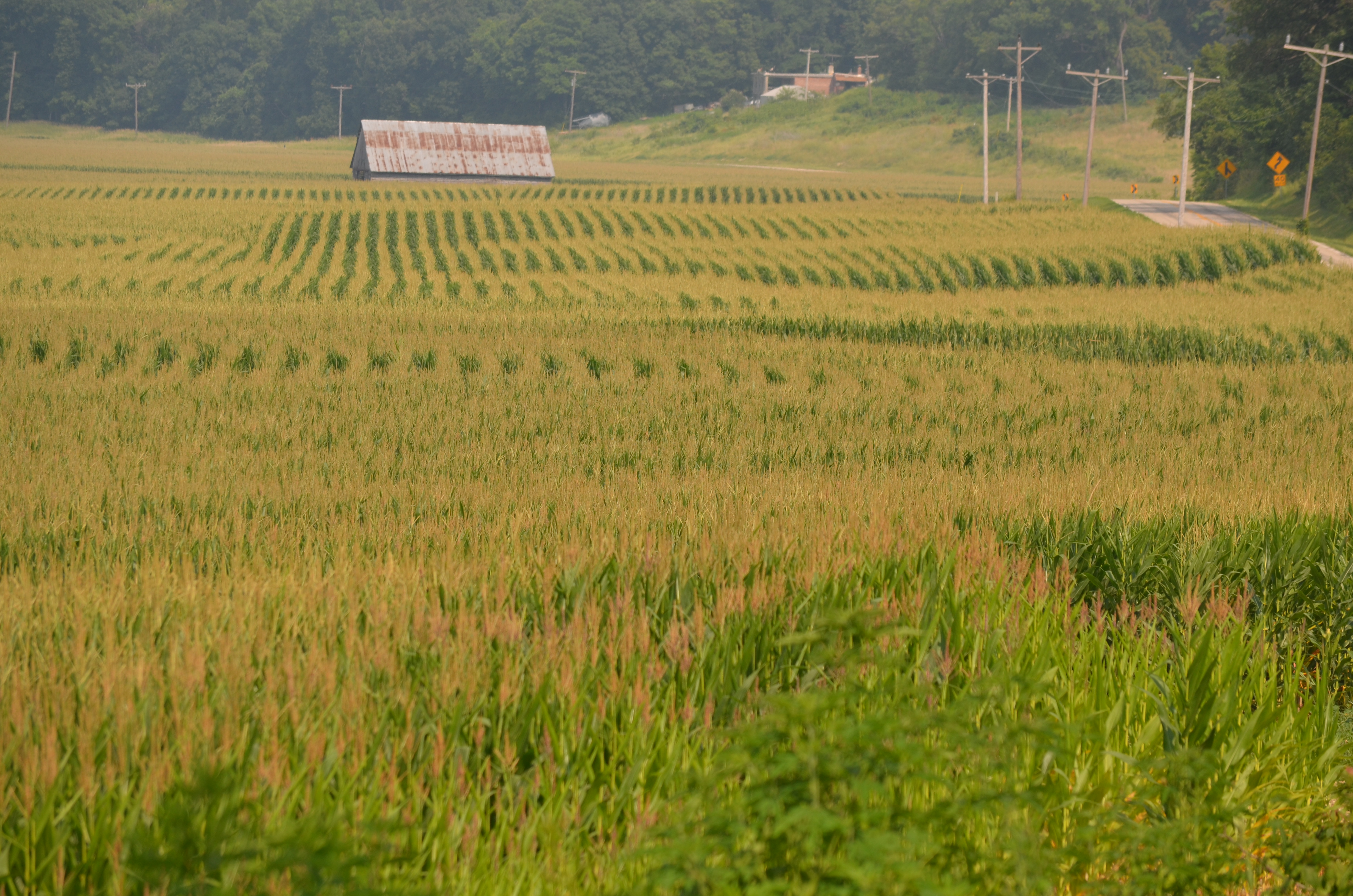
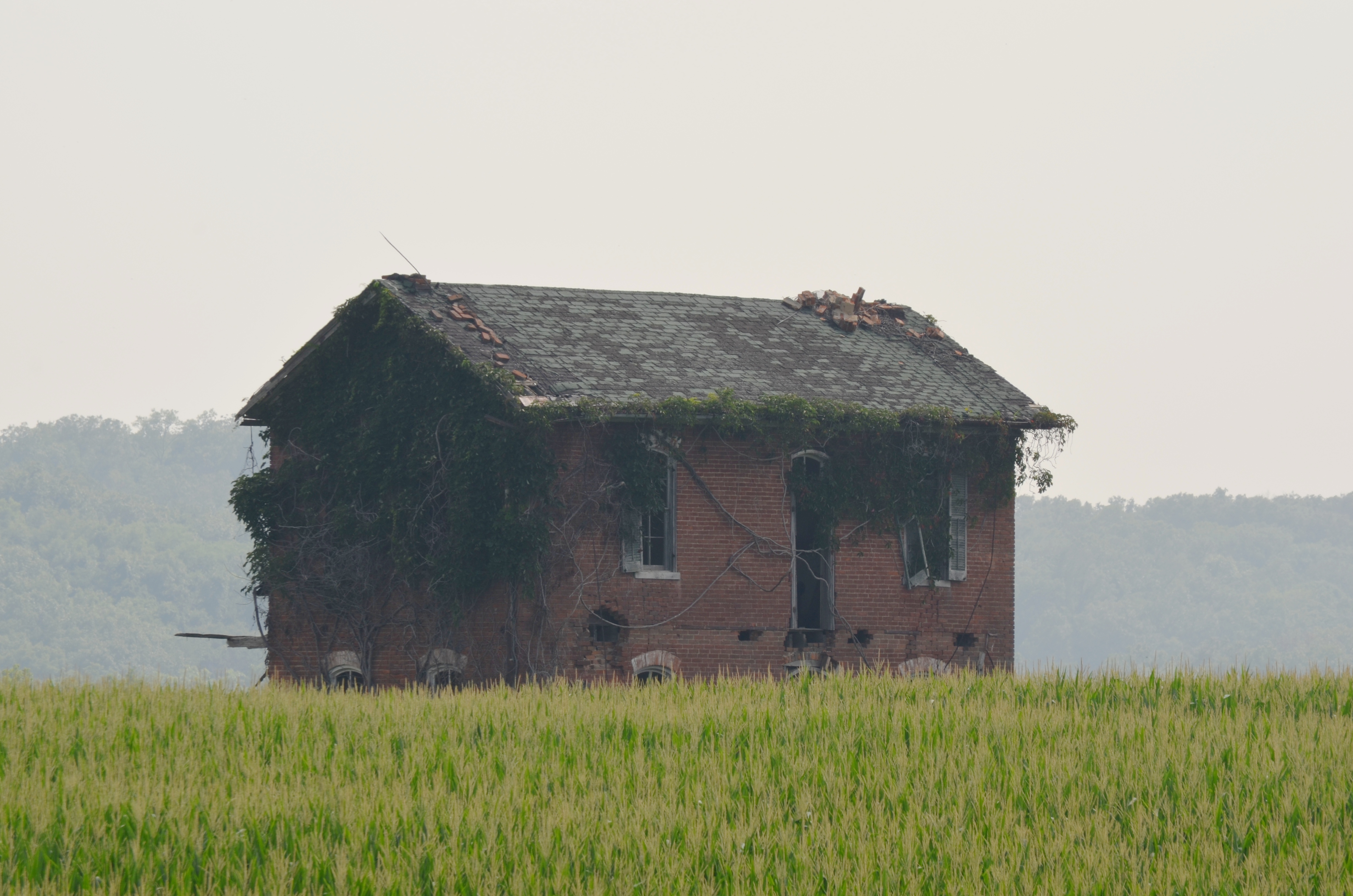
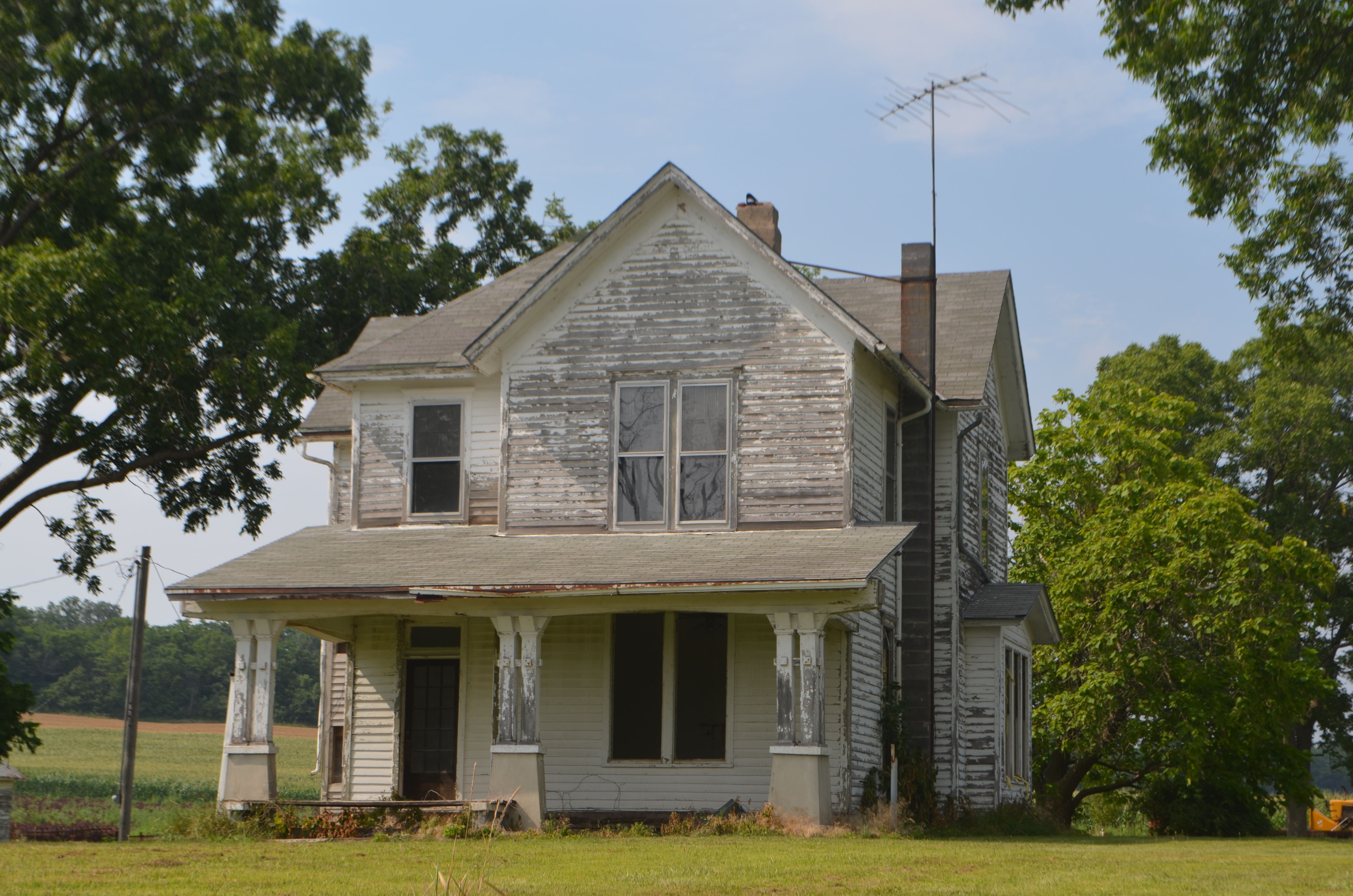
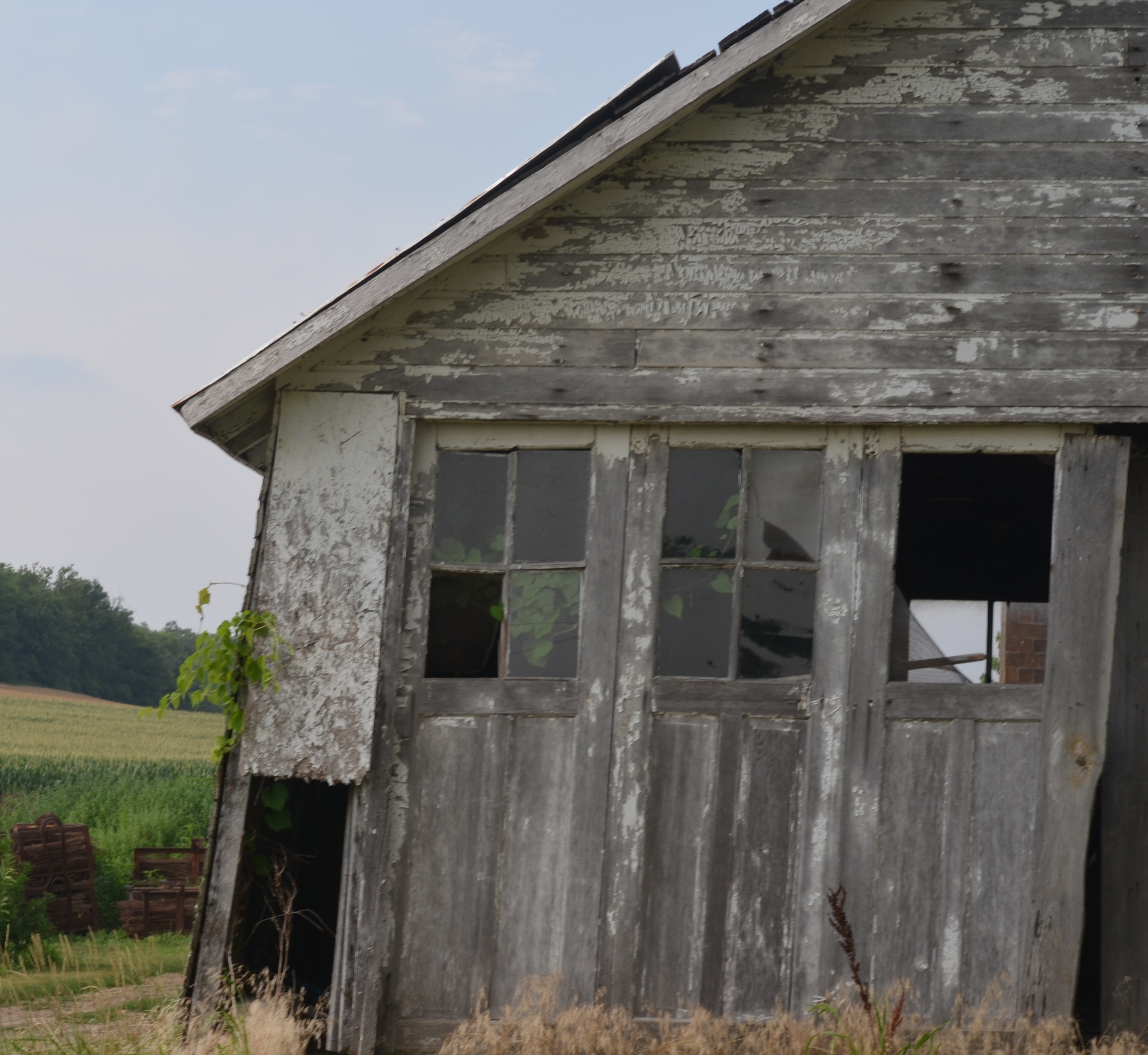
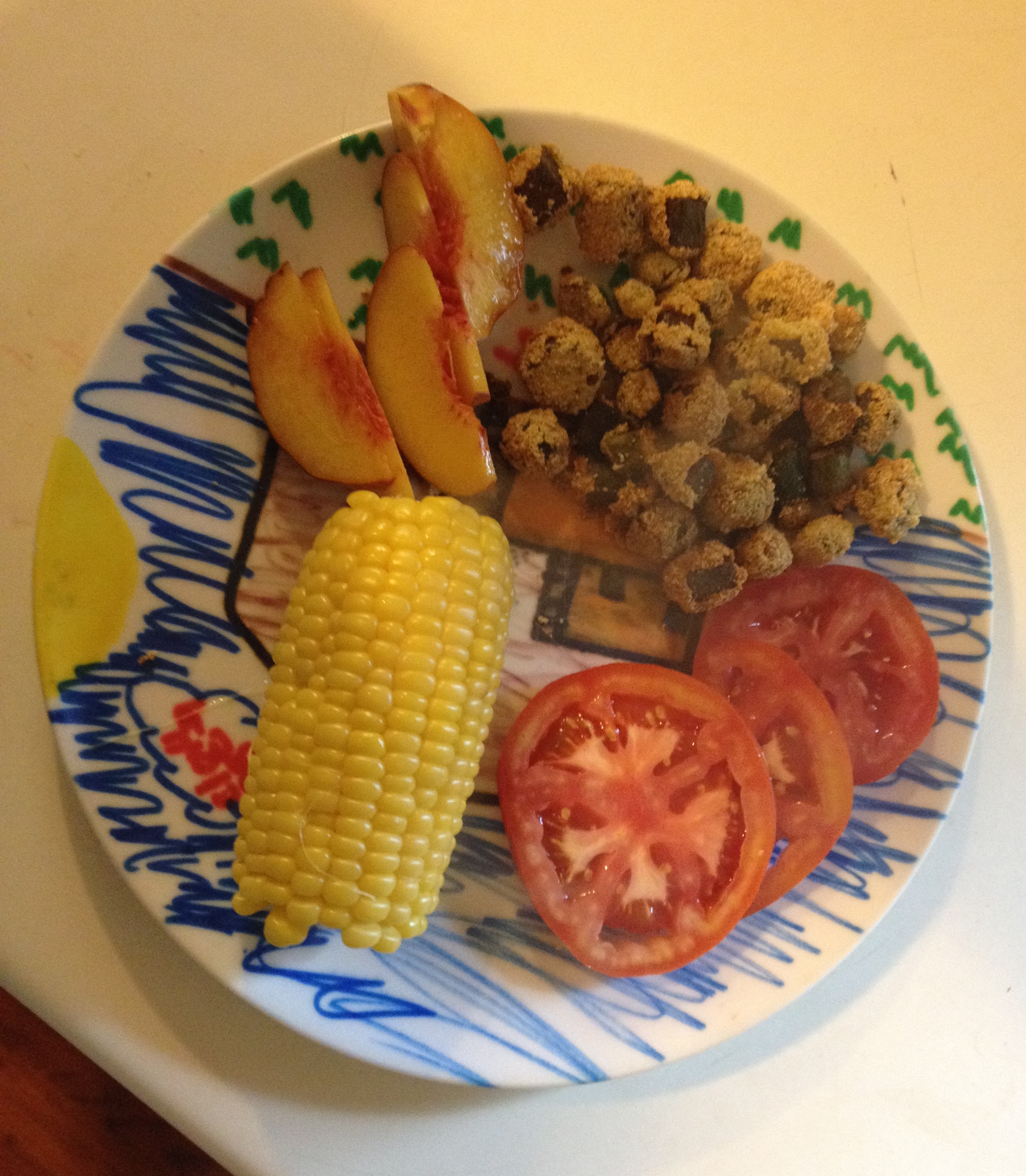
DSC_0038In Hannibal, we traveled the Mississippi by riverboat, feeling the pull of the river’s strength and its ability to lull you along on a summer day.  Eagles rested in trees… DSC_0105…and barges were pushed along by trusty boats like the Sir Randall with its two-man crew.DSC_0114Signs of times gone by when the frozen river was cut up and the ice stored in straw until summer when it could be used for ice cream.DSC_0095We left Hannibal for St. Louis, choosing to travel the road along the river.DSC_0172This route took us along the river for beautiful scenic outlooks, starting with Lovers Leap which showed the layers of the bluffs along the river…DSC_0139…and gave us lovely views of the river’s twists and turns.DSC_0162Far below us in our view of the swollen river, we spotted a bit of a town and a cemetery that seems to have survived the rages of the river.DSC_0159The reality of living along the river was apparent when we explored the town of Clarksville…DSC_0182which boasts that you can touch the Mississippi there.  I did put my feet in, but the river was high as evidenced by the sandbagging that lined the streets closest to the water.DSC_0184The richness of the soil was shown as the road took us once again into the rich farmlands with corn stretching as far as we could see.DSC_0166 DSC_0164We came around a bend and spotted this house, deserted and surrounded by corn.DSC_0178A road took us into the cornfield for a closer look at the other side with an overgrown yard of flowers.DSC_0173Across the road was this once beautiful home.DSC_0175I wonder what stories these two places, surrounded by the corn, could tell.DSC_0177We reached St. Louis, where stories of history awaited.DSC_0343On our way home, we stopped by a roadside stand, back in the Ozarks of Missouri and bought some of the summer fare to take home and enjoy a Missouri meal.  We grow all these things in Oklahoma, too, but it was a nice finish to our short trip through Missouri, where we were treated like the neighbors we are.IMG_4985Happy summer travels!DSC_0054

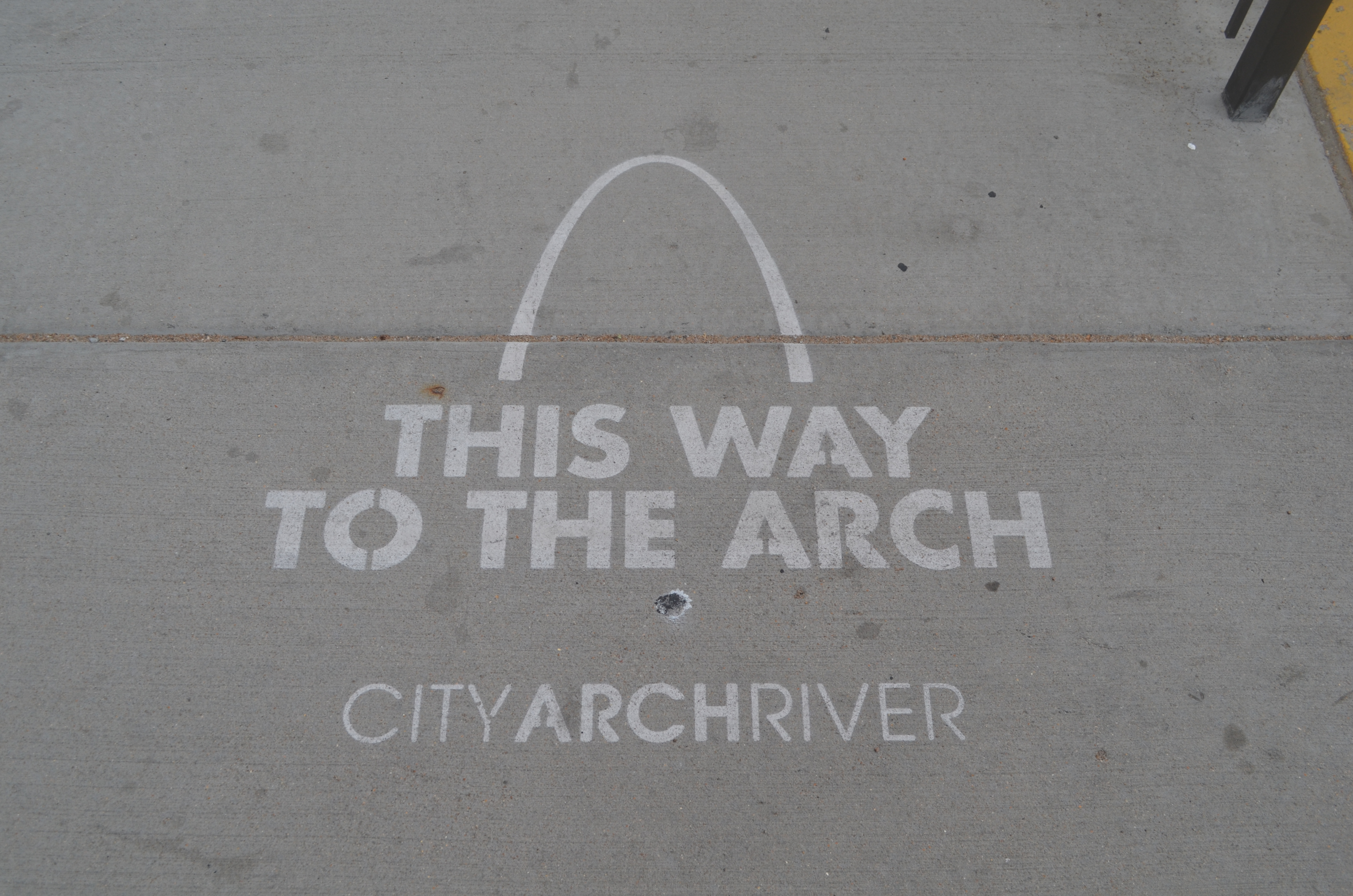
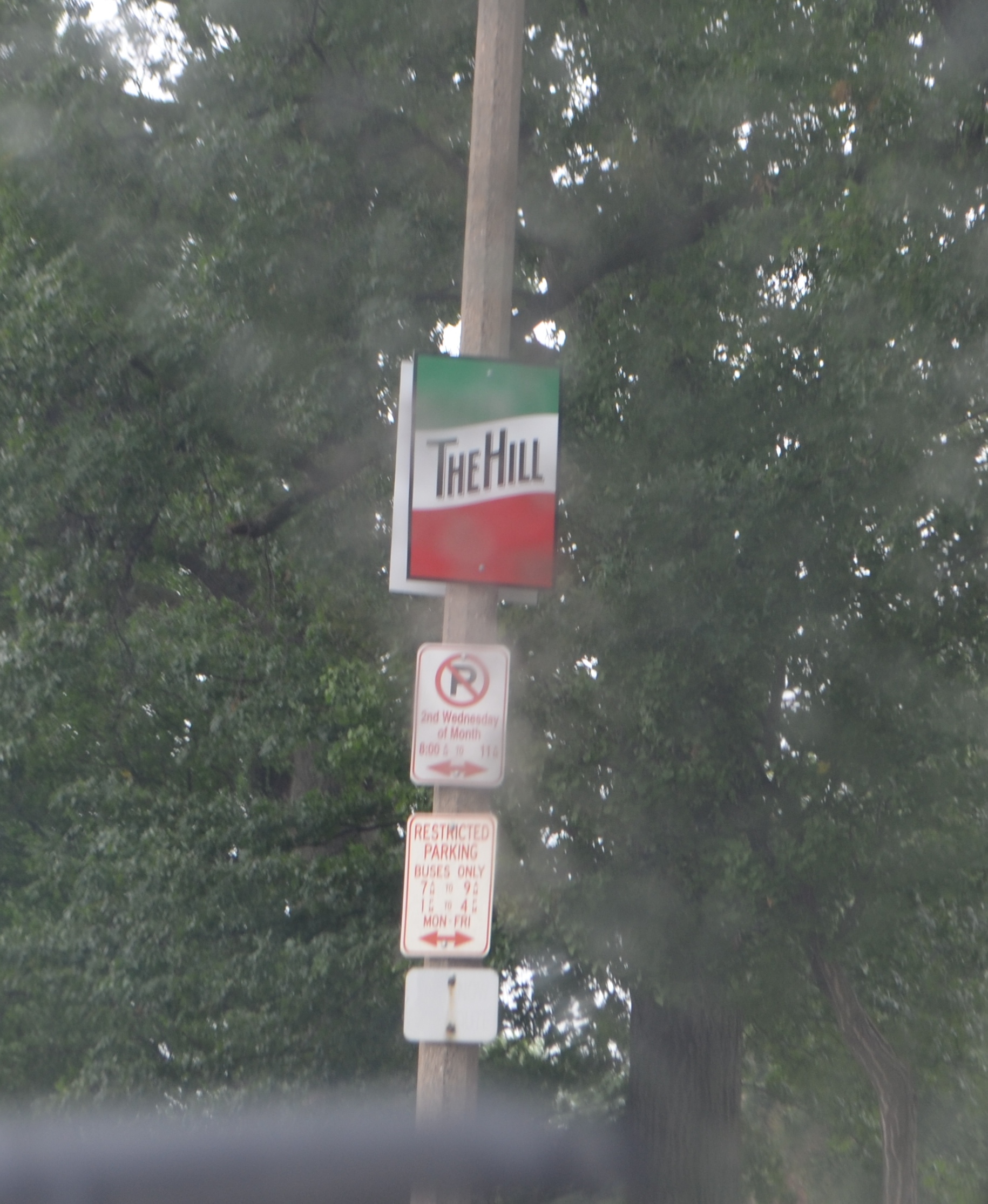
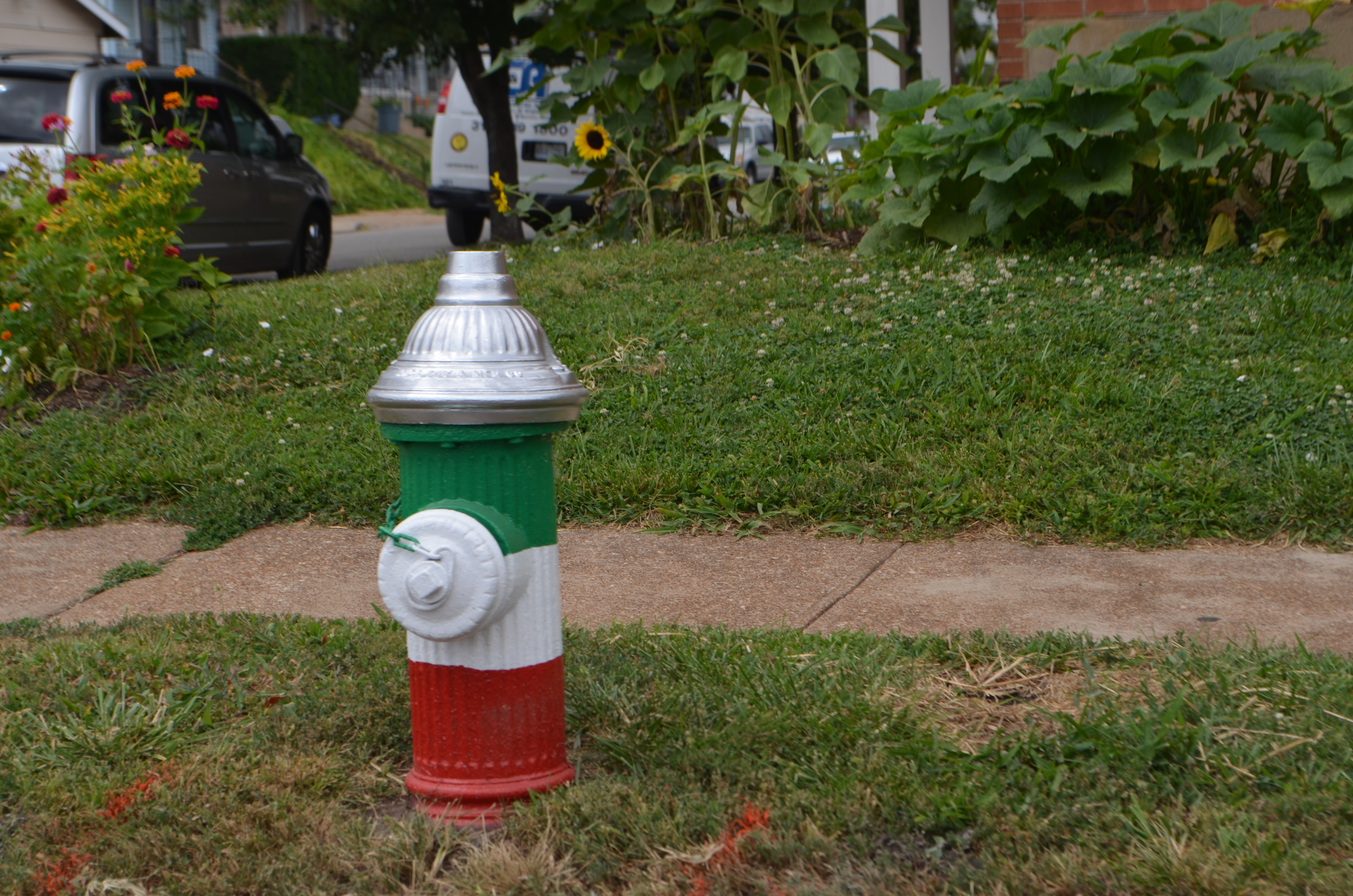
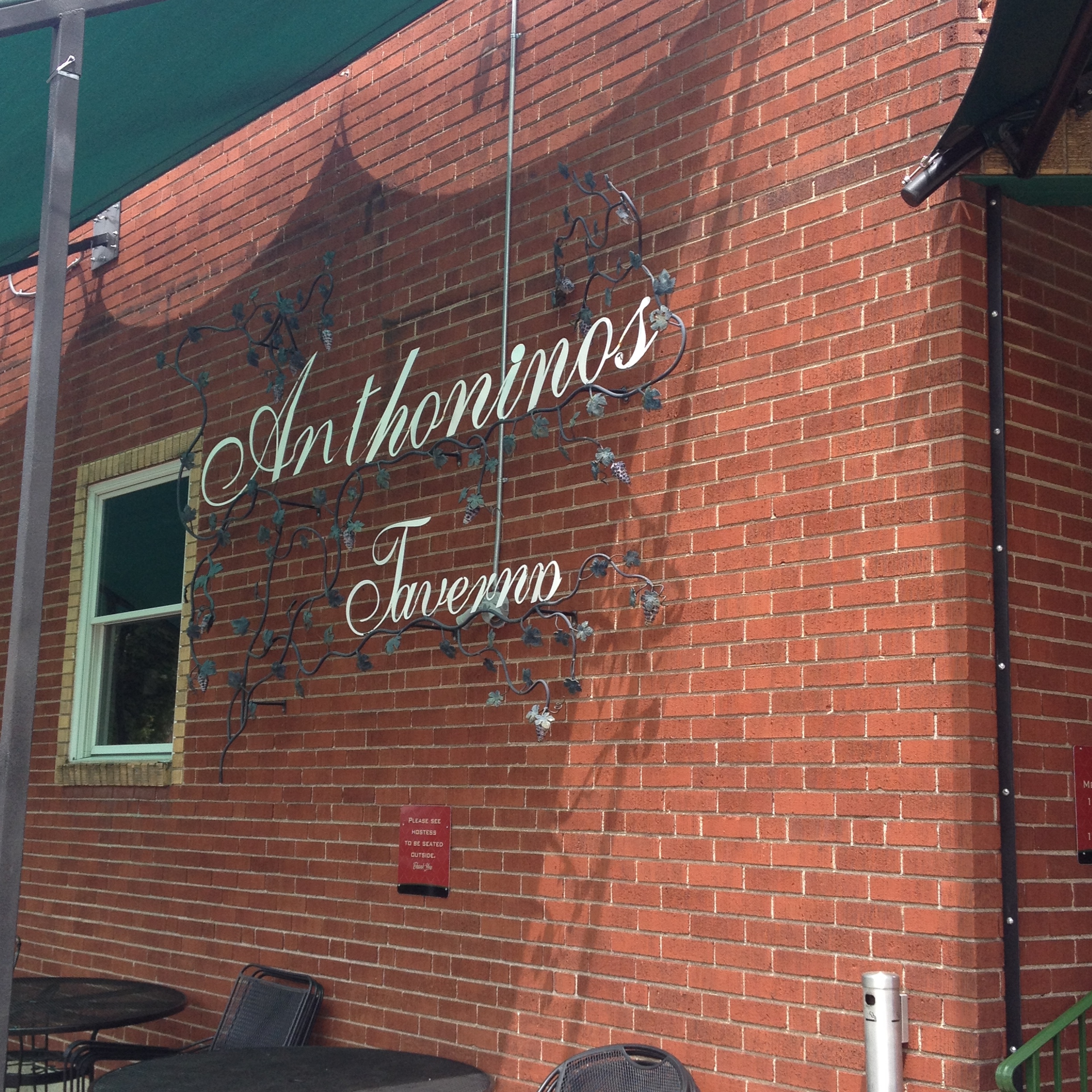
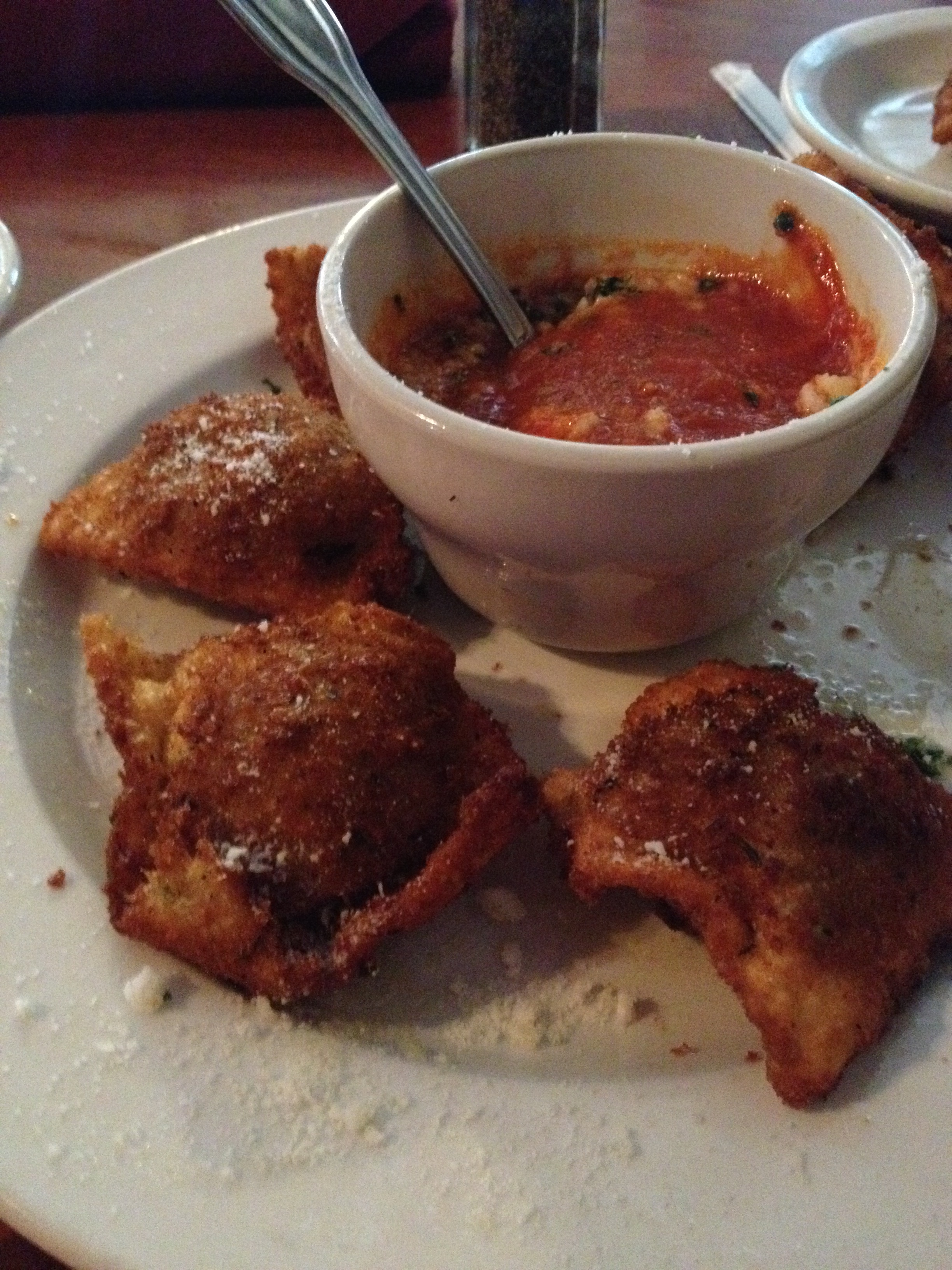
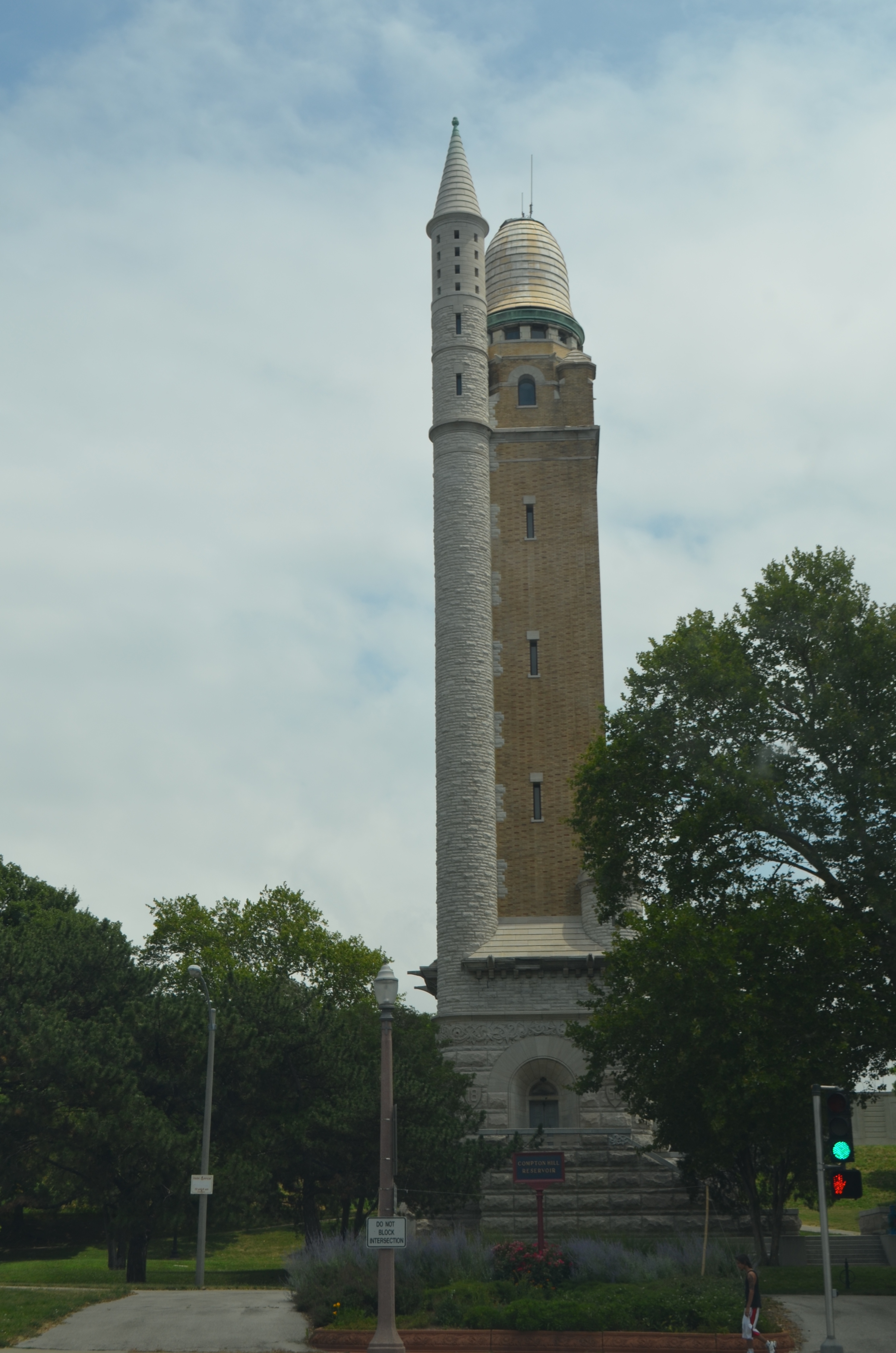
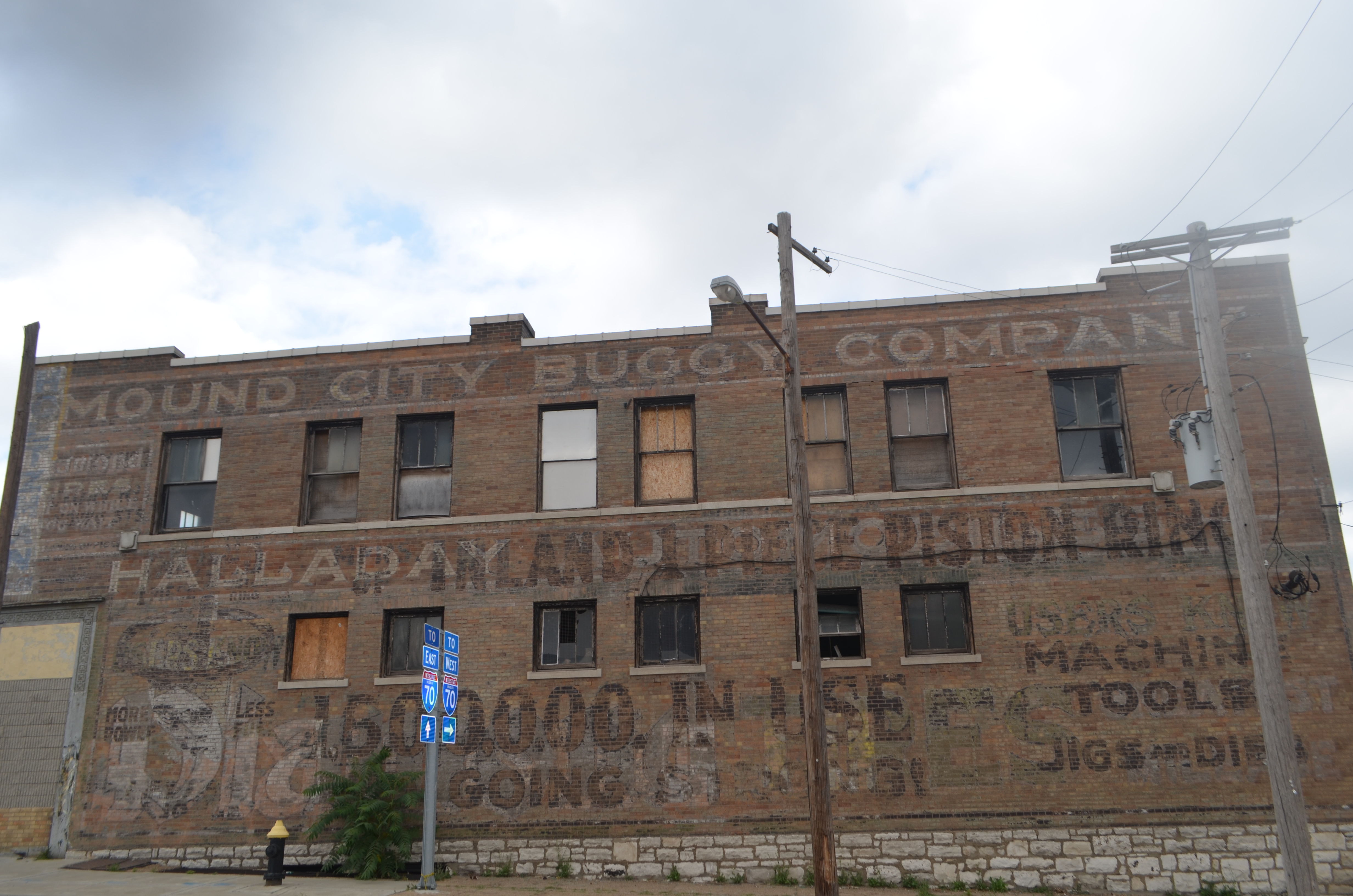
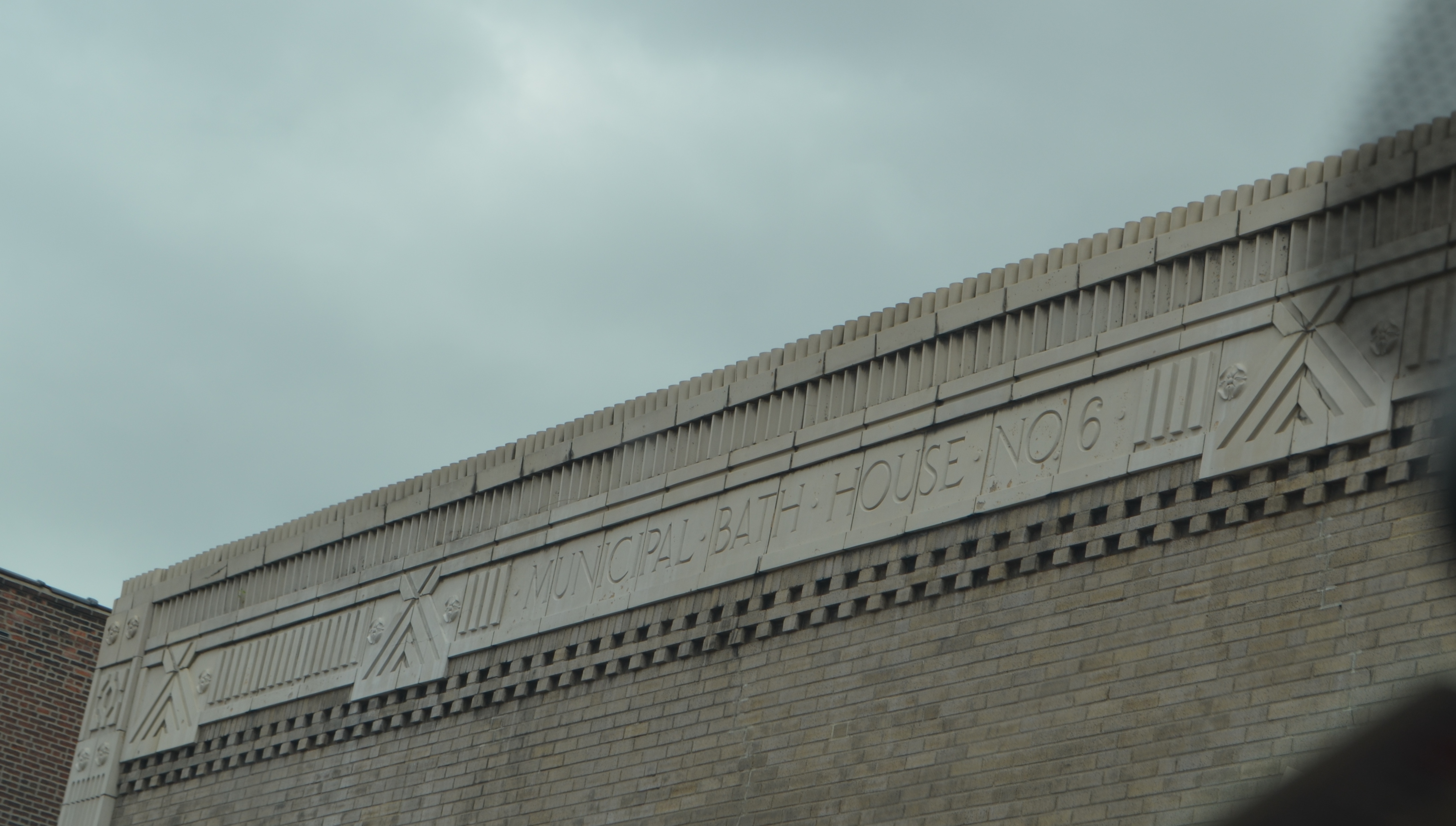
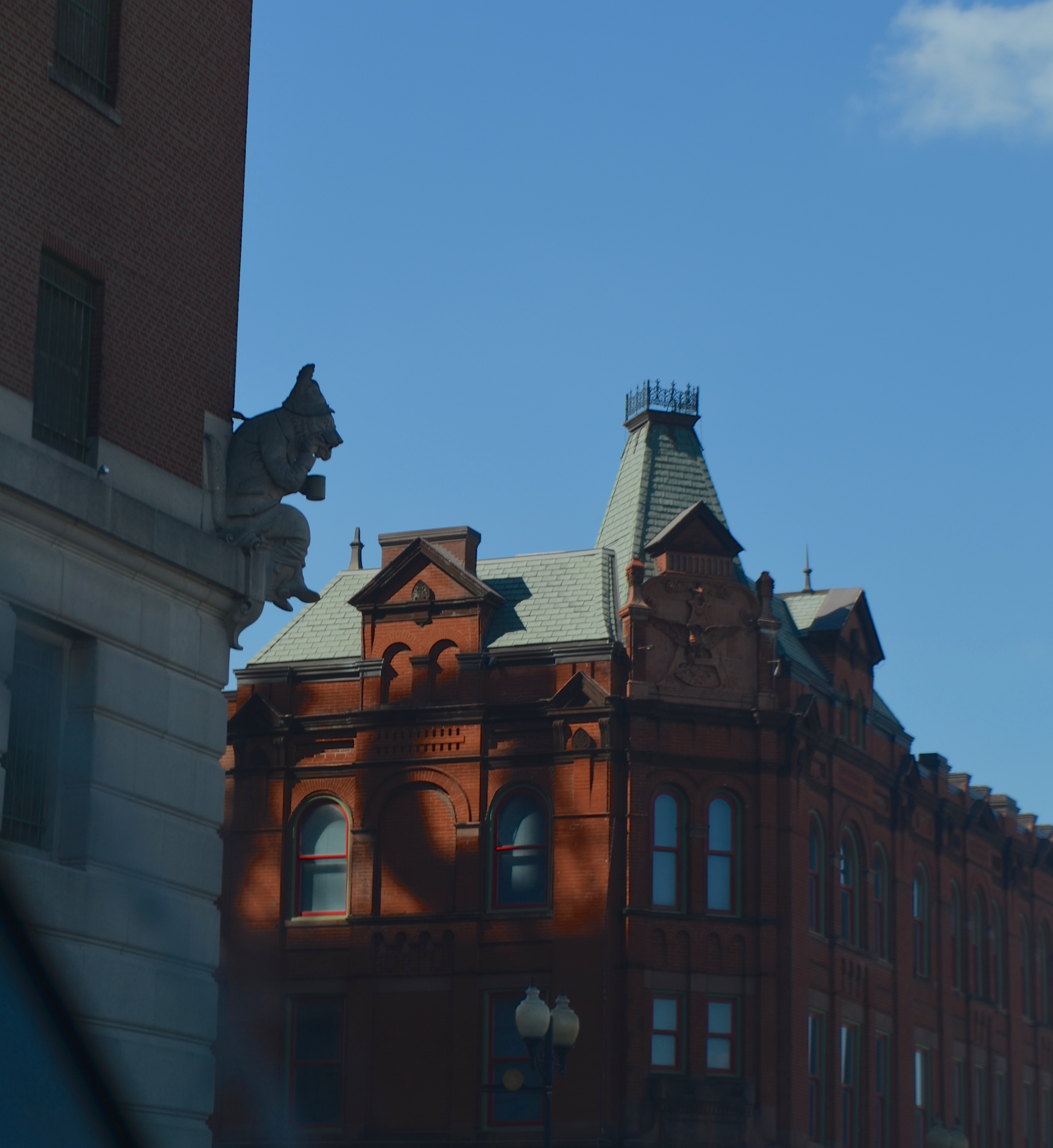
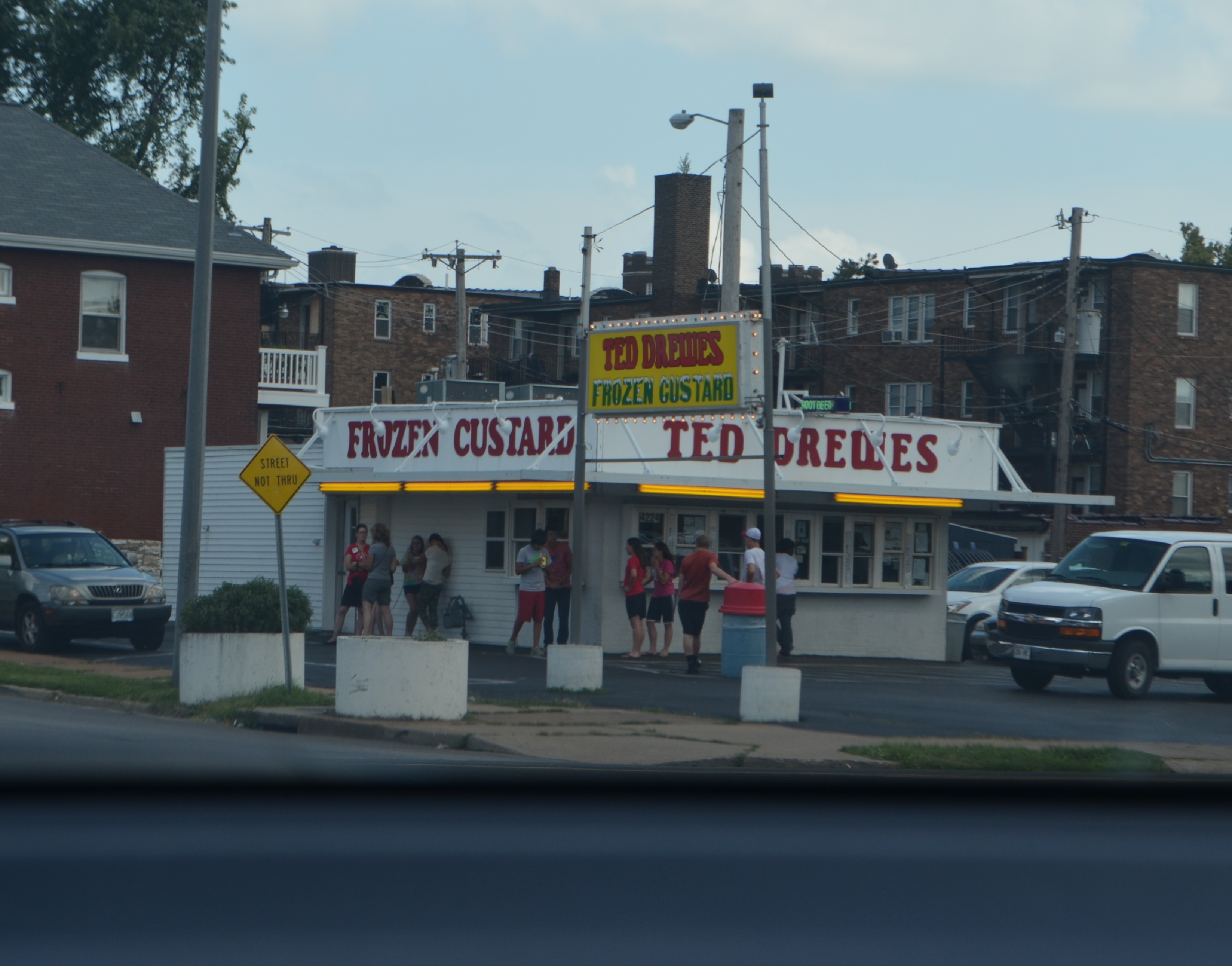
It’s hard for me to believe that I’d never spent much time in St. Louis since I’ve been by, through or around it many times, so I stopped for a quick day there, studying up on the history and geography of the city as I traveled.  First, you have to see the Arch, gateway to the West.  What a great structure, simple and pure in its message.  I’m so glad it’s surrounded by a park and all the museum, gift shop, ticketing, etc is located underground.   DSC_0220You approach the arch and look out to the Mississippi River.DSC_0192Entering the pods to go to the top of the arch is like being in a sci-fi movie…DSC_0199…but the view from the top is 30 miles in each direction.DSC_0205The arch is glorious in all lights and weather.DSC_0190The history of St. Louis is intertwined with the expansion of our country west with the Mississippi River an important part.DSC_0223From the old LaClere’s Landing, the neighborhoods expand westward, each a piece in the map of history.  The Hill had been recommended to us as a “must go to” place for Italian food.  This area developed around the Italian immigrants who mined the hills.DSC_0231  Today it is a wonderful neighborhood of extreme pride and an Italian restaurant on just about every block, sometimes on every corner of an intersection.  DSC_0234I tried to find out which ones were the best and they all got great reviews.  We settled on this one for a lunch of toasted ravioli, a local favorite.IMG_4978IMG_4979Yummy!  We left the neighborhood with its Bocce ClubDSC_0232and drove around the city with all its diversity.  There are the French homes around Lafayette SquareDSC_0240and brick homes around the city that matched my image of St. Louis from before I arrived.  Downtown is the wonderful old train station, now a hotel…DSC_0227and the beautiful areas around the University of St. Louis where this old standpipe at the Compton Hill Reservoir rose above us as we drove.DSC_0238Driving around, there were so many signs of the city that tell some of its story, like this one from the days when it was sometimes referred to as Mound City for the many ancient Native American mounds in the area,DSC_0260or this old bath house.  We know there were at least six of them.DSC_0253Or this Farmer’s Market sign.  That’s an OLD business…DSC_0274I can’t leave out the food and drink that are St. Louis traditions, starting with the beers…DSC_0263with the gargoyles on the building across from the iconic Anheiser Busch structures.DSC_0273 DSC_0272There are Ted Drewe’s famous custard shoppes with frozen custard called the “concrete” because you can turn it upside down and your spoon won’t fall out…DSC_0268and ooey gooey butter cakes.  This one was ranked #1 in St. Louis for the past six years.  I attest to its deliciousness.DSC_0270

Crown Candy is famous for its Heart Stopping BLT along with its candies.  I went in but didn’t eat anything.  An old soda shop that brings lines every day.DSC_0247We ate some St. Louis BarBQue in the old industrial area.  Their most popular item was Snoots (pig snouts).  While I stood there, every call was for snoots.  They’re kind of like pork rinds, crispy.  I figured I HAD to try them.  How bad could they be if everyone was ordering them? They were good.  IMG_4974I passed this bottle sign every day, situated at a busy place near Rams stadium.  I liked everything about it.DSC_0258We ended our day with a baseball game, watching the St. Louis Cardinals.  I’d grown up listening to the games on the radio.  The new stadium is great, easy to get around, the crowd friendly and relaxed.  IMG_4981From the stadium, you can see the Arch, a few blocks away, always framing the city.DSC_0282St Louis is celebrating its 250th birthday this year.  Decorated birthday cakes are in front of businesses around town in support of this momentous occasion.  There is so much more to see and do in St. Louis, but I’m happy I got to enjoy the birthday party.  It’s an intriguing, entertaining city.DSC_0250