Archives for category: History

I couldn’t think of a title for this blog without getting into a political battle on the topic. Because of the politics of the moment, my mind was flashing with images of Gloria Steinem, remembering the time I saw her when I was in college.

When I was born in 1945, the war had ended and my parents were settling in for their new life. They met towards the end of the war and my father was a war hero of 33 and my mother was a working woman of 24. My father was the oldest of his family and they owned their own company. My mother and her brothers were raised by her widowed mother during the depression and she left home to work as soon as she got out of high school with a little business school background. I was the oldest child, the daughter who was never going to have to do anything other than grow up to be smart and married, a good wife and mother.

Thinking back, I watched my maternal grandmother run her home and another house as a boarding house, never having much money, but happier than most people I have ever known. I didn’t realize how poor she was growing up on the farm in southern Oklahoma until recently, actually. As a child, I didn’t understand what I now know about her life and how hard it must have been. She was grateful for what she had. My paternal grandmother also grew up poor, on a farm in Kentucky. She married well and also was grateful for what she had, never doing anything that I would consider extravagant even though she could afford whatever she wanted..

The point is that I never had to do without a thing growing up, but I inherited the legacy and the DNA of these women who did. I’m not sure either of my grandmothers finished high school, my mother went a little further, and I graduated with a degree and then some. We’re progressing. I was a smart, but quiet, little girl, anxious to please everyone, not making much of a fuss. I absorbed a lot more than I thought, collecting images of maids, teachers, secretaries, waitresses, store clerks, nurses and a few other working women in my limited world. When I went to college, there weren’t really that many expectations. I knew so many extremely intelligent girls in high school and we all went off to some of the best universities with hopes of…what? Our parents made sure we had these opportunities, but what were we supposed to do with them?

The women of my generation grew up with the women’s movement of the 60s and beyond. As I said, Gloria Steinem came to speak at Oklahoma State University while I was there in the late 1960s. That’s hard to believe really since Oklahoma was extremely conservative and OSU wasn’t exactly the place where extreme feminists were getting their biggest stronghold. But changes were happening. Slowly. I loved Gloria Steinem then and I still do. She was articulate, thought provoking, and inspiring. I don’t know what I was inspired to do exactly, but her words and being in the theatre with others plugged thoughts into my brain that stuck.

We, the college girls of the 60s, were getting more vocal. I remember signing petitions to change the backwards treatment of women at a time when unmarried women under 23 had to live on campus. That’s 23 years old. Curfews were strict in those days and most of our professors were male. I married a few weeks after I turned 21 and my first job after graduating was to work for the summer as a grocery store clerk. I already had a job for fall teaching as a graduate student, but this was a new experience. I worked with wonderful women under the thumb of a tyrannical manager who treated us all equally badly. Everyone should work with the public in such a position some time in their lives. It was a mind changer for me. Up until then, my jobs had been working at my father’s office or tutoring or working as a student dorm counselor. The final straw at the grocery store was when I announced I would be leaving to teach at the university and the manager started treating me differently. I was livid because I hadn’t changed, but his opinion of me had, and my eyes were opened to the real world women were dealing with daily.

My working days ended for awhile as I started having children and was lucky enough to stay home to raise them. My friends found that we were well educated, great wives, becoming wonderful parents, but we needed to stretch our brains. The expected thing in our world was to become volunteers and give back. Again, this was eye-opening, brain changing, world shaking for us as we began spending our non-wife, non-parent times with like minded women who were out to change the world. I can’t say enough about volunteers and what they bring to the world, our lives. I was privileged to have the opportunities I had.

No matter what we were doing, we were making changes. At first, we couldn’t have our own credit cards, our homes were purchased in the husband’s name (unless you were smart enough to make it a joint ownership, which most of us did). There were so many little things changing all around us, little steps of progress fueled by these educated women who weren’t going to be ignored.

For the rest of my days, I have volunteered on so many projects I won’t bore you. The range of experiences has brought me in touch with children, seniors, victims of domestic violence, women who have been uneducated and thrown into the workforce due to divorce, widowhood or other circumstance, students who are trying to find their way, advocates for change in every aspect of life, politicians, teachers, community leaders, businessmen, everyday people from everywhere, rural and city. My view of the world is so much more global than all those years ago when I was a student and then young wife and mother.

I’m 70 now and have traveled, been a volunteer, worked for others, been a manager, and a business owner. When I was a young woman, I served on a board of directors for an organization where I was the youngest person, one of the only women, and the first pregnant woman to serve, causing much concern from the older, very traditional, very white businessmen who ran the board as a good old boys network. I respected them, but I made sure they listened to me, too. I have since served as president of boards where I worked with men from all walks of life. I have worked for companies where women were rising, but still fighting for titles and pay. I’ve worked for women executives who were excellent and some who were awful. I tried to work for my family company, only to be told by my father that no matter how proud of me he was, or how smart he thought I was, I couldn’t work there. Because I was his daughter. He liked to run the company like it was 1945 and having your daughter work meant you weren’t doing something right. In his behalf, he did help me start my own business. He was confused by the changes around him, to say the least.

Those are my stories in brief. My mother shared her stories of not being hired as a teenager because she was too pretty and might distract the boss’s son or the traditional being chased around the desk by a chauvinistic boss. I have friends who had all the classic experiences you know from the “old days.” We’ve seen it all. And, now there are more choices, more opportunities for women, for everyone!

There are successes galore. Those women I grew up with, went to school and raised kids with, have ended up as presidents of volunteer boards, owners and CEOs of companies, doctors, judges, lawyers, politicians, philanthropists, athletes, advocates, authors, artists, and some still knew their calling was as a wife and mother. Some did it all, alone or with a partner/husband. All are inspirations to generations coming along behind us. I look back at those days when I was in college and I marvel at how far we’ve come, especially those of us who chose to do it in a more quiet manner, working our way up through the traditional lifestyle we were born into. We worked within the system and moved the system. But…we haven’t moved it all the way.

My three daughters and my daughter-in-law have lived with opportunities open to them in sports, education, business, science, politics, and everywhere in life that came from the growth of my generation. My granddaughters live in a world with opportunities galore. We have more women politicians, military leaders, educators, community leaders than ever before. We’ve come a long way, Girl Friend! But the pay gap is still there, and some people still believe women have their place, a place somewhere below men’s place.

All you girls and women out there, don’t stop! I don’t know when we’ll all be equal, but if you think we are now, then open your eyes. Huge, enormous growth, but not there yet. Look around you. Really look. Read. Learn. Talk to those who have gone before you and learn what was good and what was bad about the “good old days.” Honor the past by working for the future. Our job, no matter what our generation has available to it, is to make life better for the next ones. I’m still working for my children and grandchildren.

Lest you think I’m a rabid feminist, you have to know how much I love men, and am grateful for all the opportunities that have opened up for them to be better husbands and fathers and better people in general because of the changes we’ve seen for women. I’ve been surrounded by the best of men and I don’t take that for granted, just as I don’t forget the wonderful women I’ve known. It takes a lot of women – and men – to make change happen. I’m not advocating for any one person, I’m advocating for all of us.

Don’t stop changing the world, please. There are so many challenges still out there for people everywhere and you need to keep applying all that you learn to make the world better all the time.

Step by step.

Person by person.

Vote by vote.

Unknown


As I sit here procrastinating, waiting for my vacuum cleaner to be fixed, I’m thinking about the log cabin I visited last week. It was set up with some of the furnishings of the time, a real reality check for me in this high tech 21st century. First, there was the home itself, actually larger than some of the Tiny Homes that are all the rage these days. Unfortunately, I can’t see myself in a tiny home for more than a few days before I would miss everything or anything. Anyway, the log cabin had three rooms, making it a pretty good sized place.

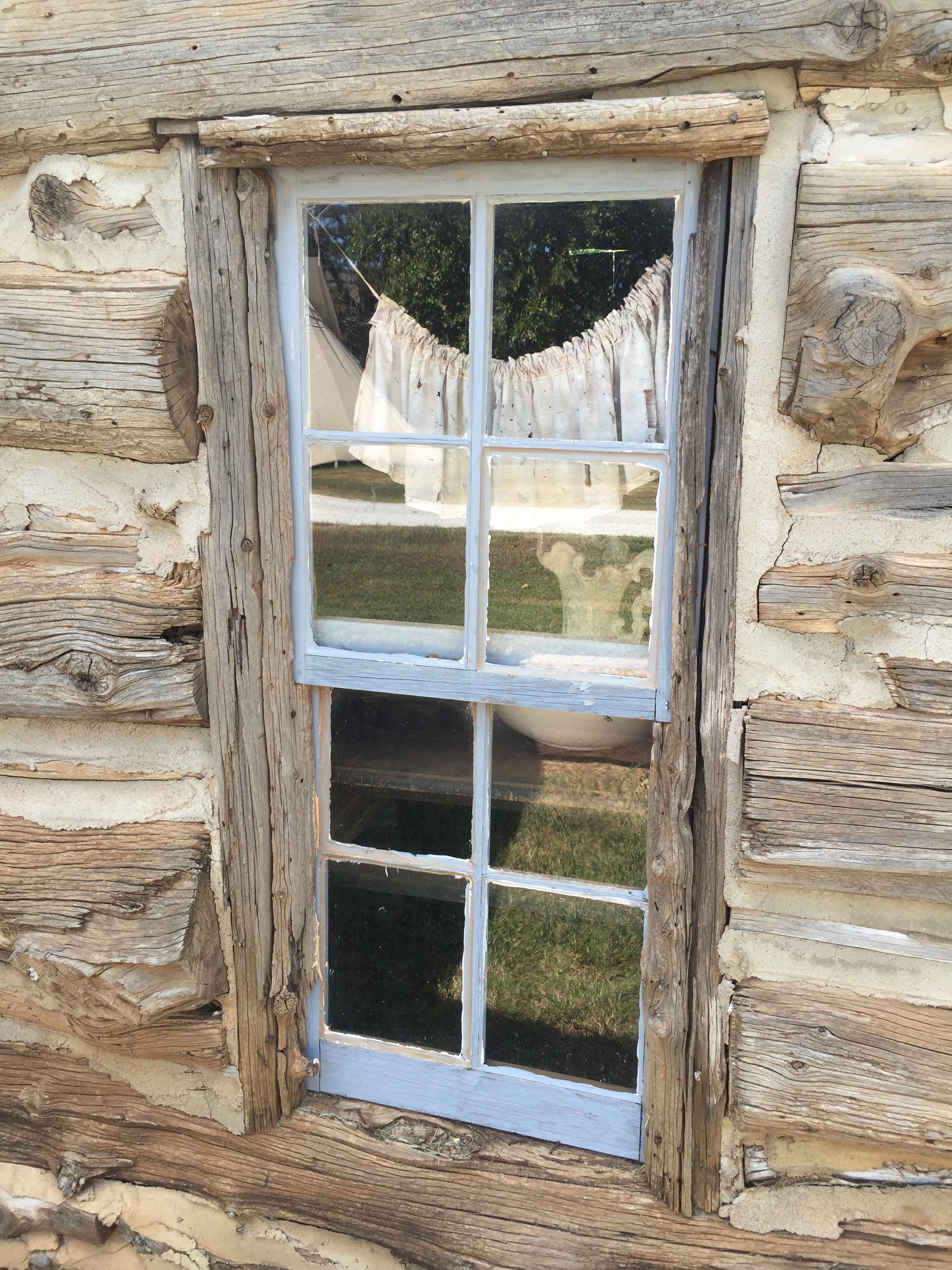
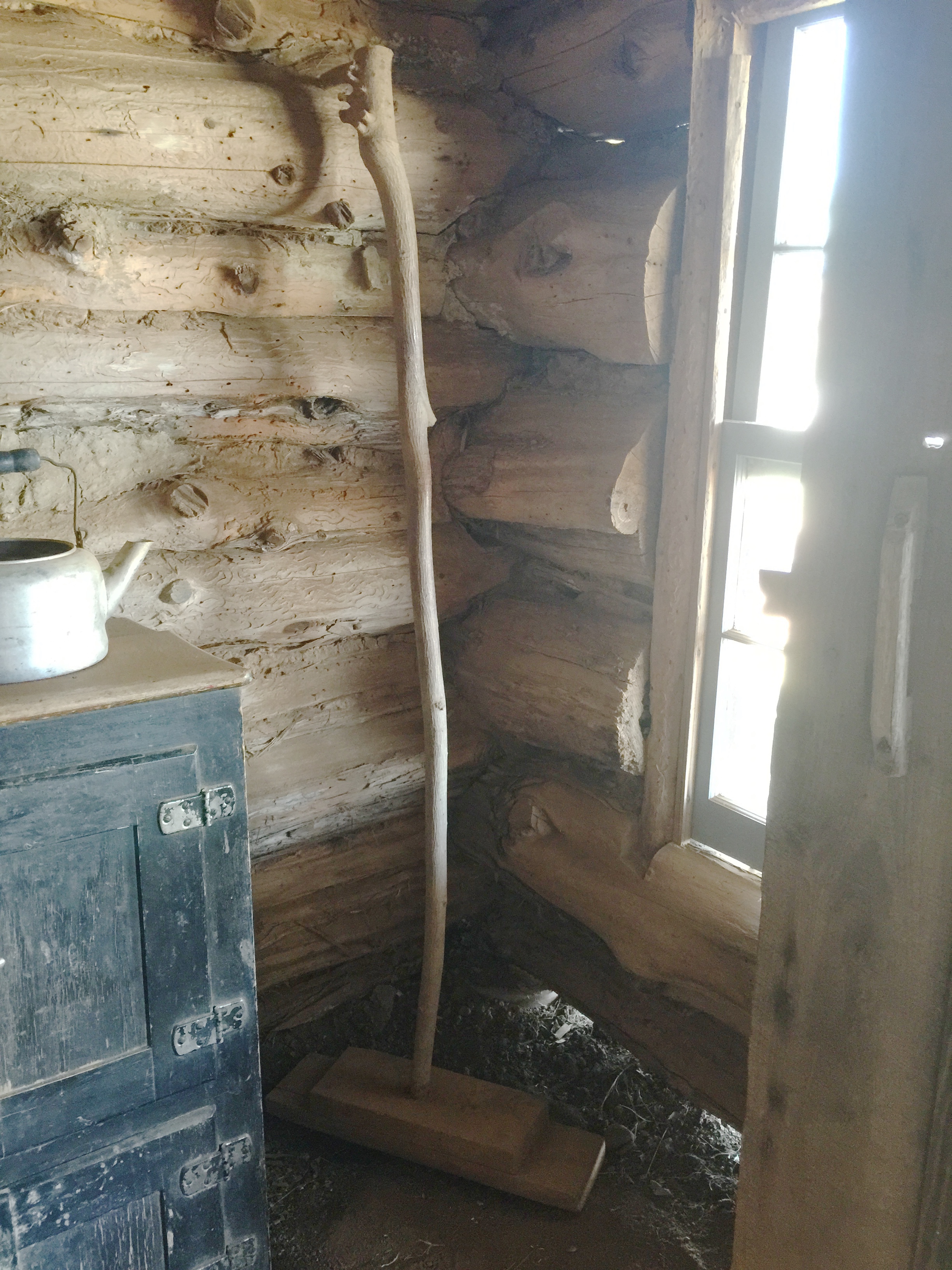
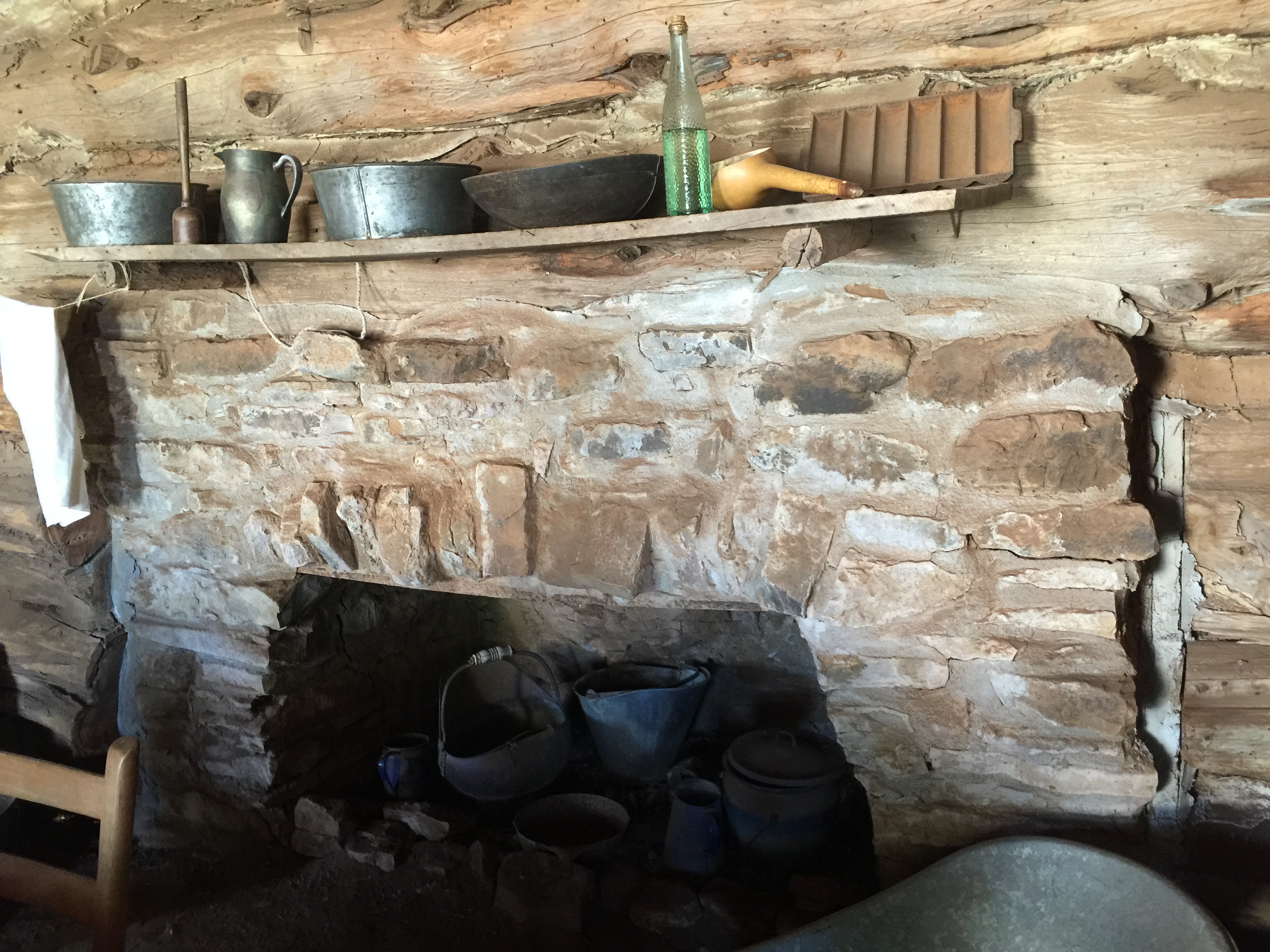
My first impression was this window with its little bit of curtain, a sign that a woman (I’m speculating on that, but pretty sure, so I’m not being sexist) had been there trying to make the place a little bit more homey. It touched me and I pictured her sitting at the table with her washbasin looking outside, probably at all the work there was to be done out there. IMG_7688Stepping through the front door, I was confronted with dirt floors and all that implies. I know they got packed down, but there was still dirt. Did they track dirt into their beds at night? For the women who moved from nicer places back east, this must have been an OCD challenge of the highest order, trying to keep the dirt out of everything. In the corner, was this tool that I think was to push the dirt or pack the dirt. With the crack under the wall, I guess you just pushed it outside. Please get my vacuum cleaner fixed soon! Next to is it an ice box for which you’d have to have ice stored from the winter. Maybe they stored other things in there, too. IMG_7700The fireplace is in the center of the room, a big fireplace that probably acted as the heater for the house. Pots and pans were stored inside it with other utensils on the mantel. The dining table was in front of it. Cleaning those pots must have been fun! IMG_7698On one side of the fireplace was the bathtub, which was another challenge. First, you have to get water and heat it and take turns unless you want the whole family there with you. We think we’ve got it bad when kids are knocking on our bathroom door, interrupting our private moments! How do you dump the water at the end? The tub full of water looks like it would be heavy to me.IMG_7697

On the other side of the fireplace was a display of laundry equipment (well, I use equipment loosely). The tub and washboard are well known, but think about using them. My grandmother had one of those along with a wringer washer. We’re not that far removed from all this when you think about it. Praise to my washer and dryer! Note the short clothesline by the fireplace. They didn’t have many clothes. The rug beater on the wall is a prop since there are no rugs in this dirt floor house, but I remember those. Put the rug on a line and beat the dirt out of it. It worked, but you had dirt flying. I wish they’d call for me to pick up my vacuum cleaner! Don’t know about the ironing board here, especially since there was no iron displayed, but it’s another thing to think about. Having one of those heavy irons sitting on the stove to pick up with a cloth and iron the clothes doesn’t seem like fun. At least steam irons are easier if you like to do ironing, which I do if I’m in the mood and don’t have a stack of it like the old days. These days, I tend towards knits.IMG_7695

The Master Bedroom (fancy term) was large for the times. There was one large bed with a chamber pot, which reminded me of the times I stayed with my grandmother who still used one of those. It horrified me as a child, but she didn’t like to walk down the hall at night to the bathroom because she rented out rooms in her house to pensioners (retired men), but that’s another story. There was no outhouse in this little display, but I’m sure they either had one or walked to the woods somewhere. Thanks for indoor plumbing all around! You would think the people had bad backs from the kind of work they did, but those mattresses weren’t made for helping with that. They were grateful to be off the floor, while I’m grateful for soft sheets. Can you imagine what they’d think of Sleep Number beds? And, again, I have to think about tracking that dirt into the bed. I didn’t think I was such a clean freak.IMG_7692At the front of this bedroom was the dressing table beside the curtained window. This still touches me…as do the hooks with the clothes. As I walk (I said walk) into my nice closet filled with choices, I need to remind myself what it would be like to have one or two dresses to wear until they wore out. Most of the lady’s belongings were probably stored in the chest at the foot of the bed. I have my grandmother’s cedar chest, which was probably filled with everything she had at one time. I also have a little trunk that was my great-grandmother’s and probably held her belongings at the time it was new. And I’m sitting here in shorts and a t-shirt and running (well, walking) shoes. Could these people even imagine?IMG_7693The other bedroom had two beds and little else. As I said, this was actually a pretty good sized house with its three rooms. I’m still getting past the dirt floors and the reality of what that meant. When it rained, there had to be mud added to this picture. My my.

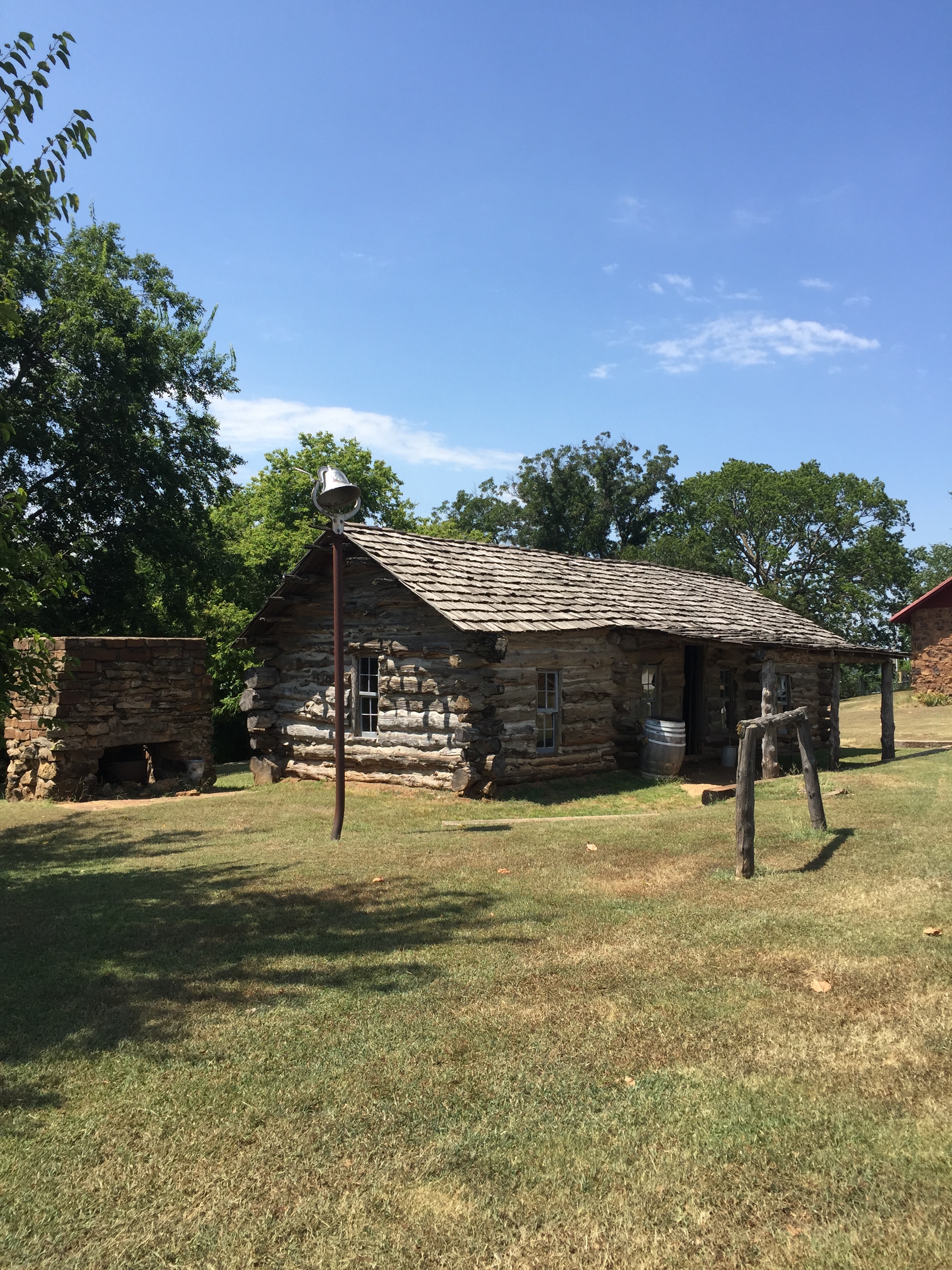
Outside, there was a crudely made rocker, the only relaxing place I saw to sit, with a churn beside it. At the side of the house was a large outdoor oven with a big pot. Did they use that for big meals, laundry, or everything I can think of? The dinner bell was the only form of communicating with each other as they worked and played.IMG_7703These were strong people, working from dawn to dusk, taking care of the house, the garden, the livestock and each other. I hope I carry these images with me through my day to remind me of where my people came from to bring me to my life today. This wasn’t my family’s cabin, but I know I have ancestors who lived like this or with even less. Somehow, they raised children who went on to better and better lives until we reached the present generations. This log cabin life is still possible if you want to go back to simpler times, as some people do. I like the simplicity of it, except for the dirt floors and that bathtub and…  Actually, I’m awestruck with how far technology has advanced us in such a short time and I appreciate it. Even more, I appreciate the past and what it can teach us today. I appreciate that woman putting up her curtain and sitting at her dressing table, dreaming dreams. Here’s a tip of the broom to her and people like her in all our generations past!

At an age when I met my first Jewish friends and was beginning to learn a little about their religion, I first read Anne Frank – The Diary of a Young Girl. I was Anne’s age, going through the same kind of emotions, and she educated me about a horrific world so far from my own experience but not so far back in time. Anne died in 1945, the year I was born, only about fourteen years ago in history as I was reading.

 images

Then the movie, starring Millie Perkins as Anne, was released in 1959, bringing the story to life with its black and white seriousness. For girls my age, besides the historical aspects, it was the story of the changes in our relationships with parents and the world and romance as we dreamed it could be. It was the story of a girl our age who was dealing with an adult world with worries and fears we believed, with the innocence of youth, that we would never have to face.

I don’t know if I read the book again through the years, but I suspect I did. This was one of the books that touched something inside me and stuck with me through the years. By the time Melissa Gilbert appeared as Anne in the 1980 TV movie, my oldest daughter was about the age to understand the story. Another generation of girls to share the story, although I was now relating to the mother, all the parents in the story, as well as Anne. Her criticisms of her mother made me wince as I remembered that period in my life when I thought my own mother was hypercritical of everything I did.

In 1982, we were fortunate enough to travel to Amsterdam. I don’t know if my husband related to it as much, but we walked down the street to the building where the story took place and it all felt very familiar to me. Today, I see pictures of lines of people in front of the house and a glass fronted museum in the building next door. When I went, I only remember going into the building, seeing a few plaques and information pieces, although I guess there were some artifacts as I look back through materials I saved. What I do remember is seeing the stairs behind the bookcase and starting up, suddenly gripped by the enormity of the experience. Inside the famous Annex, my main memory is of the wall of Anne’s room with her photos of movie stars and royalty pasted on the walls, exactly as she left them. Today, they are behind plexiglass, but in 1982 we were confronted with the reality. I don’t remember furniture or anything else but those photos, such a link to that young girl. I treasure the visit, the walking up those stairs into the rooms that seemed so familiar. The solemnity of being there, the enormity of my feelings is with me today, thirty-three years later.

Recently, I recorded a documentary on the National Geographic Channel, Anne Frank’s Holocaust. Amazing how her name draws me in, makes me want to learn more. Taking Anne’s life, the filmmakers superimposed photos of Anne and her family and friends onto photos taken today and took the viewer through the events of the war in Holland. Using the Frank family as the center focus, they were able to show what happened, tracking the residents of the Annex to the end of their lives. I was especially taken with the two women who had been childhood friends of Anne’s describing her personality before the war reached them and telling the incredible story of how they were reunited in the camps shortly before Anne died. My heart broke as they told of the emaciated Anne, stripped of her vibrancy, looking for bread to take to her sister. What fortune to be able to see that these two women survived and were able to finish Anne’s story, no matter how sad the ending. The documentary brought new insight to the plight of the Jews and the horror of the camps, where the extermination of the prisoners continued at an accelerated rate even though the Germans knew the end of the war was in sight.

The impact of this documentary was to make me re-read the diary, to see if it had the same impact on me today. I remembered that a newer version had been released, so I downloaded a copy of this one with 30% more content. The editors of the first edition had asked Otto Frank to edit out some of the more personal details involving Anne’s sexual feelings. I think I read that he had also taken out more of the entries which criticized her mother. Interesting that I was now reading Anne’s diary as a woman quickly approaching 70 with a granddaughter the age of Anne. The third generation of my family to reach Anne’s age – I need to make sure she reads the book.

I also looked for the movie and found a new version originally shown on PBS’ Masterpiece and now on Netflix. I think it was based on the newer version of the diary. I thought it was very good. The story never fails to move me.

Once again, I’m impacted by the importance of this young girl’s writing, her story. One of the things I take with me is the extensive education she received and the quality of her writing. Her understanding of languages, the use of words, and the events of history were beyond her age. Those things are impressive. I related to her love of mythology as it recalled my own obsessions with the stories of the ancient gods and goddesses. The depth of her story lies in her studies of herself and the people she lived with in such close quarters. Always an observer and critic, as shown in the entries before they went into hiding, she grew in maturity over the two years of the diary as she wrote of the changes in her own body and emotions. Her criticisms of her parents, especially of her mother, are familiar themes to teen age girls. I can relate through my own youthful years of eye rolling, followed by the impatience of my own daughters with me, and the current status of my granddaughter and her mother, eye rolling evidently being passed down. I can read the diary entries from Anne’s viewpoint and imagine the mother’s side of the same event without taking sides.

Even though the diaries have been authenticated through the years, there are those who wish to censor Anne’s thoughts, deeming them too sexually explicit. I am horrified to learn that this important book has been removed from libraries today under pressure from parents who must have forgotten what it was like to be young or remember and think they can stop the thoughts and emotions of their own developing children. I am grateful I was able to dwell in Anne’s world in my youth. But, Anne was lucky too, as her parents encouraged her to read even when their annex-mates criticized the mature works she chose. I guess there will always be those who wish to impose their own views on us but it doesn’t make it right.

Anne Frank was all of us, all the young teens wishing for acceptance and love, yearning to be independent, yet clinging to our parents in times of stress. She was all of us, struggling through the stages of adolescence with its emotional ups and downs, its frustrations and joys. She was all of us, adoring celebrities and comparing our daily lives with the glamor of theirs, emulating the styles of the day, trying to come to terms with the body, personality and life we have been given.

Anne Frank will always be important for putting a human face on the atrocious war experiences that we would like to forget. The details of life in hiding and life in Holland in general are dramatic in the people’s acceptance of what day to day reality was and bring the difficulty of their lives into experiences we can visualize. Because she is so human and so relatable, she makes it impossible for us to turn our heads and think that such things never happened or will never happen again. Anne Frank is my constant reminder that people are capable of doing terrible things to one another. Anne Frank also is a reminder that even in the worst of times, there is hope.

Less than a month before their capture, Anne wrote,”in spite of everything, I still believe that people are really good at heart.” She inspires us to examine ourselves and be as good as she believed we are.


We are so spoiled.

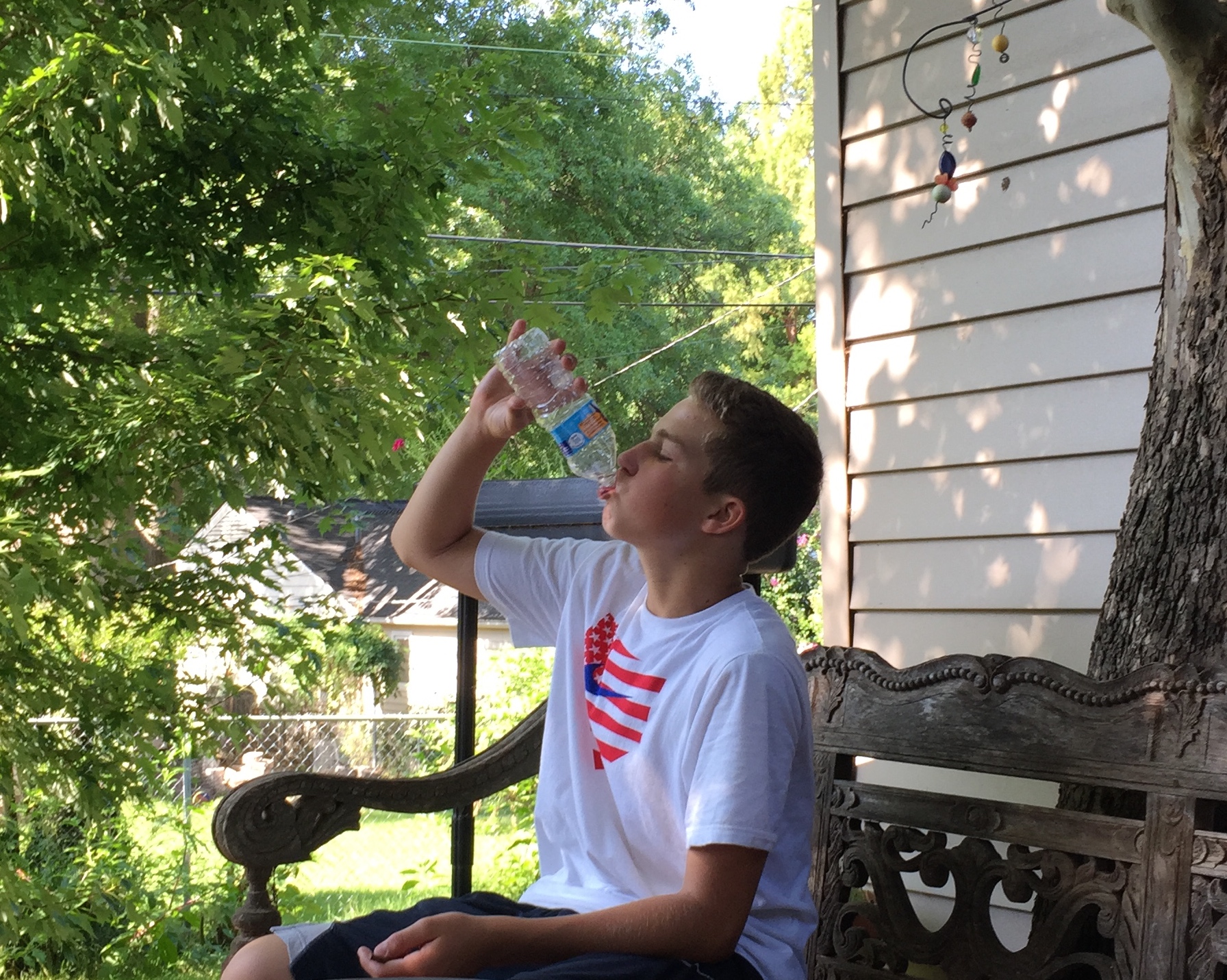
That’s what I thought as I drove to pick up a case of bottled water because my grandsons were coming to help me in the yard on these upper 90 degree days. The water was less than $4 for a case of 40 bottles and I’ll recycle the bottles, but I almost stopped. Acknowledging to myself how lucky we are to have water, clean water, in a world where some peoples have little or no water and our own western states are suffering from a drought, I drifted off in thoughts.IMG_7624

My mind flashed back, way back, to my own youth. What did we do back then in the heat of the summer without bottled water? We’d never heard of hydration. We knew we needed water, but there was no big push for us to drink it. If you were thirsty, you stuck your head under the faucet or drank out of the hose.

I kept thinking about the drinking issue. What did we drink in the summer? I remember Grapette, the best grape soda ever, which is still sold at Walmart even though it’s too full of sugar for me to drink more than a couple of times a year. We had lemonade, which was also full of sugar because we used those little cans of frozen concentrate. And the ever present Kool-Aid, again with the sugar. Ice cubes were made in trays, so you didn’t have very many. I mean, how many trays could you fit in those small refrigerator freezers? Sometimes, we got a Pepsi or Coke.  Sometimes.

I played golf as a kid and carried my own clubs around the course in the heat. There were drinking fountains, but that was it. There were no carts to bring us drinks because there were no carts. Not even Fred Flintstone carts – because this is beginning to sound like the dark ages rather than the 1950s and 60s.

We had those metal cups in kind of metallic colors that are retro cool now. Those were for outside on our new patio. They made the drinks cold, but they sweated too much for inside tables. I had a flash of the little terry cloth covers that someone came up with to solve the sweating problem. There are too many things like that hidden in the files of my mind.

Jack the Milk Man gave us ice chips from his truck and nobody worried if the ice was dirty or not. If it was, we brushed it off before we put it in our mouths. Not that our hands were clean from playing outside.

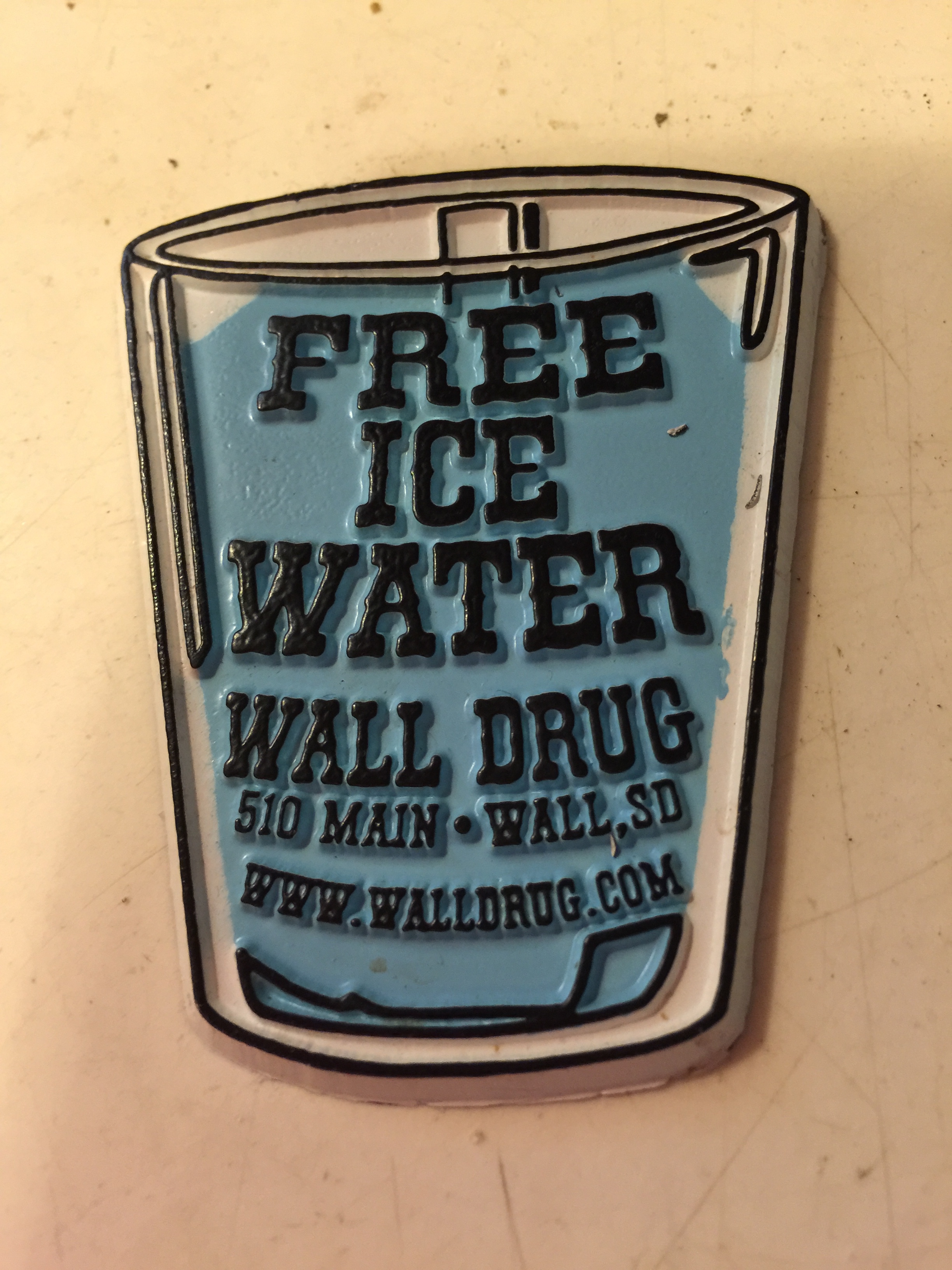
When I went through South Dakota several years ago, I visited the famed Wall Drug, an American story if there ever was one. When Ted and Dorothy Hustead purchased Wall Drug in 1931, they thought they had found a place to use his pharmacy degree and build their own business. They plugged along until 1936 when Dorothy had the great idea of putting out signs offering free ice water for the weary travelers on the nearby highway. Now it’s a legend with Wall Drug signs across the country. Such was the appeal of a glass of iced water. I keep this magnet on my refrigerator to remind me of how an idea can take off – and the value of a cold drink on a hot day.  IMG_7625And so my mind wanders on a hot summer day, the perfect time to let your memories drift back to those simple times of sitting in the shade with a cold drink…or just picking up the hose. How refreshing are those pictures from the past…

There are people I run across while reading or traveling or meet in person who fascinate me to the point that I start learning all about them to see if they are truly as wonderful as I’ve been led to believe.  Blame it on my degree in English and all those research papers, but I really get obsessed with digging through books and the internet to see what I can find.

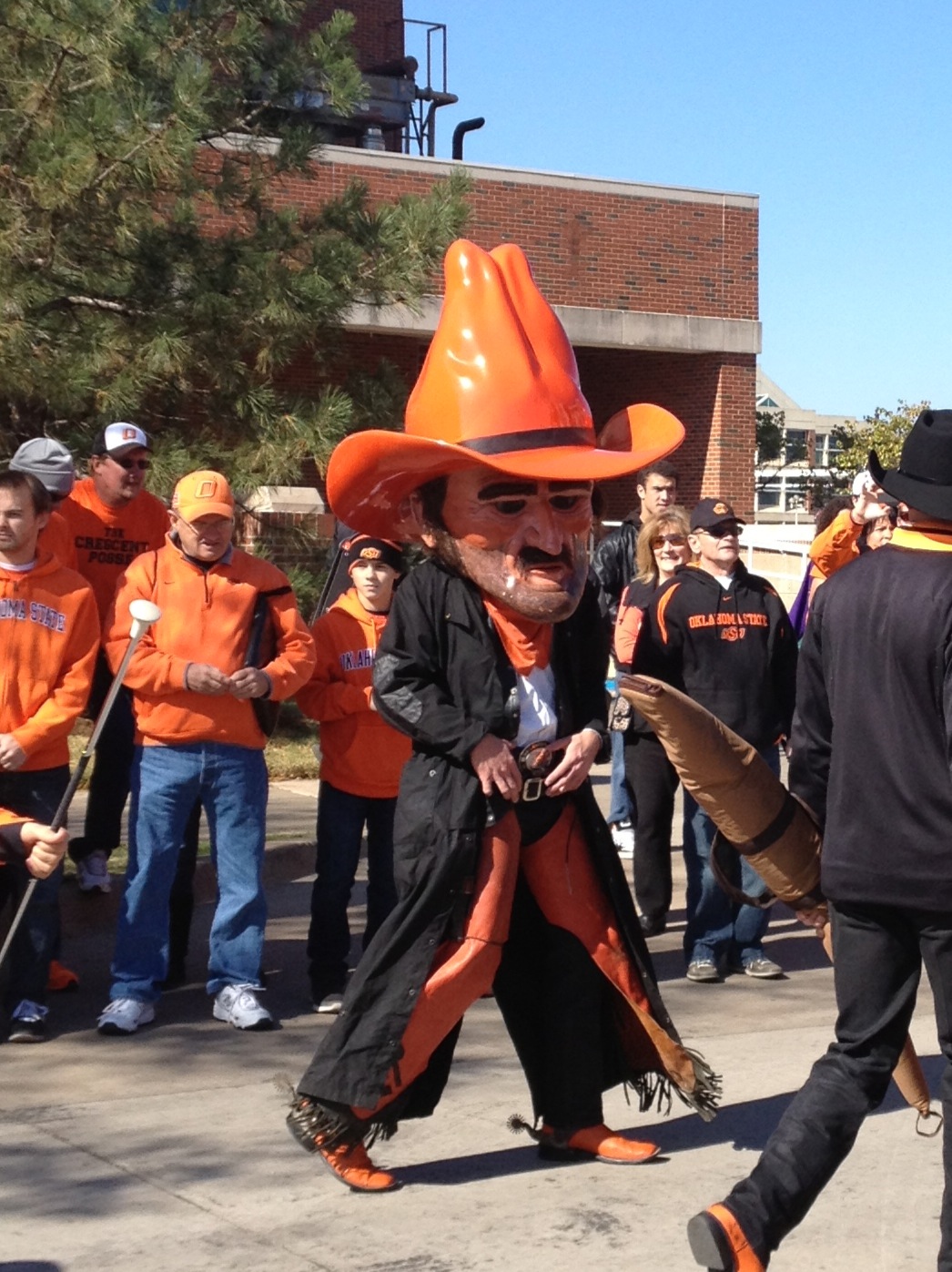
My latest obsession is close to home.  I graduated from Oklahoma State University and, of course, knew the mascot, Pistol Pete.  I’m not sure I was aware that he is the ONLY college mascot based on a real person, although I knew there was an actual Pistol Pete.  Back in the days before the abundance of branding, we didn’t see Pistol Pete, the mascot, except at sporting events.  How I wish I’d been there just a few years earlier.

The real Pistol Pete was Frank Eaton and he lived about ten miles from OSU.  He became the mascot in 1923 when he was still alive and liked to roam the campus, wearing his guns on his belt.  He walked the sidelines at football games and spoke to classes, demonstrating his quick draw until he shot a bullet into a wall in the Student Union basement during a class.  The hole is still there, evidently.

Frank Eaton wrote an autobiography, “Pistol Pete: Veteran of the Old West,” that is astounding for many reasons and almost too rich in details of life in Indian Territory in the late 1800s to believe.  I’ve tried to find someone to debunk it, but all I’ve found are facts to make it more believable, even though he may have fudged or not known his actual birthdate, which allowed him to be a lawman in his teens.  He wrote the book, or dictated it to his co-writer, when he was in his 90s, which could make it doubtful.  When she was in her 80s, I asked my mother a question about her childhood and she replied with incredible detail, drawing a picture of her grandmother’s house with all the plants outside, the furniture inside, etc.  Memories are an amazing thing and I’m sure Frank Eaton had told his stories too many times to forget.

I won’t go through the details because I’d love for you to discover his life yourself, even if you just go to Wikipedia.  This guy was the real deal.  His father was shot to death by six men in the doorway of their home with eight year old Frank watching.  A family friend told him he was no kind of a man if he didn’t avenge his father and get the killers, so he learned to shoot at eight, perfecting his accuracy and quick draw until he was the best in the territory.  He was appointed to be a marshall in his teens, killed five of the cattle rustling thieves who killed his father, worked chasing bad guys for the Cattlemen’s Association and the marshals, was a bronc buster, rode in cattle drives, worked on cattle ranches, worked in Pawnee Bill’s Wild West Show, was in the land rush, farmed, was a blacksmith and a water-witcher who not only could find water, but climbed down in the holes to place the dynamite.  He was absolutely fearless, didn’t drink, played cards, smoked, cussed like a sailor except in front of women, and even learned to play the fiddle.  No matter what you think, you can’t dispute his prowess as a quick draw master.  There are films on YouTube of him demonstrating when he was in his 90s.  Amazingly fun to see.  Here’s one of my favorite pictures of him.  He never lost this persona.  pistol10

What I love most about Frank from the various accounts I’ve read is the kind of man he was.  After all his adventures, he married a woman he loved.  They were homesteaders and struggled and had two daughters.  His wife died, leaving him with the two girls and he kept them near him.  He remarried another woman and had eight more children.  He worked as a blacksmith in Perkins, OK and never tired of showing off his shooting skills or telling his stories.  One man who lived there said he loved to show off by hitting two matchsticks from twenty yards, never missing.  Gunshots could be heard in Perkins, followed by his loud laugh, “Ho Ho Ho!” He even wrote a column for the Perkins paper when he was in his 90s.  Even though he never spoke of attending school, his daughter said he wrote one of his books by hand in his Spencerian style.  He had a wonderful sense of humor, which shows in the stories he told, some of them tall tales that match those of Mark Twain and Bret Harte.  He may not have made them up, but he knew how to tell them.

He was a legend in his own time, which delighted him no end.  He rode in the parades, which is where OSU students saw him and asked him to be their mascot.  He spoke to school children.  Listening to tapes of him speaking, you get a feel for his story telling ability, which must have been a delight for those who stopped by to visit him in his Perkins home.

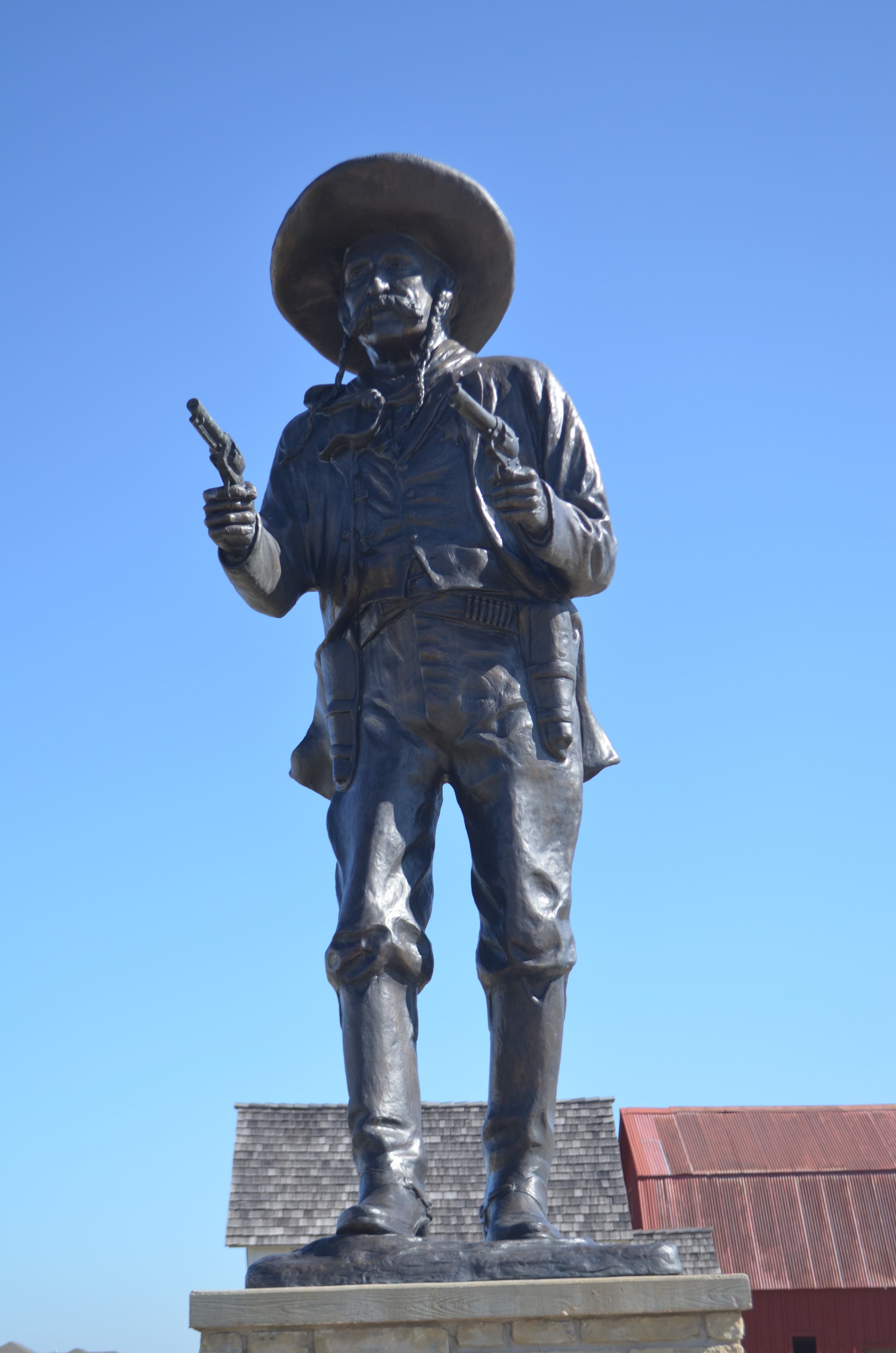
I visited his home recently in the park where the citizens of Perkins have moved it and dedicated a huge statue to him.  IMG_5333DSC_0011You can find photos of him sitting on the porch of this house, entertaining guests.  Everything looks the same.

This larger than life man was actually small, standing at 5’5″ in his later years.  He had a lazy eye, which makes his incredible shooting skills even more intriguing.  He wore his hair in long braids, always had a gun on his belt, would give the shirt off his back to anyone in need, loved his kids and grandkids, and never asked for anything that I can tell.  He was definitely a character, decidedly a hero, and, at the very least, someone you wish you had met.

When I see his image on everything imaginable at OSU, I smile, knowing that he would have absolutely loved it.  My big regret is that I reached campus a mere five years after he died.  Isn’t that unbelievable?  There are people alive today who walked to class beside a real life cowboy from frontier days, wearing his guns and telling his stories.  How much fun would that have been?  I’ll have to settle for reading his stories, seeing his home and other memorials to him in small museums around the state, and knowing that such a person really did proudly live in the state I call home.  And seeing his image around campus, including the current mascot.  I hope we all do him proud.

IMG_3059

I’d like to say the ever noble thing and tell everyone to exercise their right to vote, a right that is fundamental to what our nation is all about.  I’d like to say that, but I’m not sure this time.  What I really want is for you to vote for the people I’m voting for.  And some of you won’t.

Normally, I’m pretty good about the majority ruling, but lately I’m not so sure.  I know that the alternative is not so great either, but I’ve been voting for almost 48 years now and I’m not real happy with what is going on in our country.  That’s an understatement.  By the time we actually have an election, we have been listening to candidates speak, throwing away an incredible amount of campaign material left in our mailboxes (hopefully recycling them), been annoyed by the phone calls that come at all hours, and been subjected to the horrendous 24 hour news cycle where so-called journalists have dropped any pretense of objective reporting for voicing their, or their network’s, opinion in the ever present sarcastic news tone used by all these days.  You know what I mean.

I’ve been a good voter through the years, showing up for the most minor of elections, studying the candidates and issues, coming prepared. I don’t know anymore.  I watch the people in office at every level playing the political games, surrendering their pre-office idealism for wheeling and dealing in votes.  They all begin to look jaded.

This qualifies as a rant.  I’m going to vote my conscience because I can’t trust any of the party platforms.  I’ll do the best I can and hope that some of my candidates win and that they do what they promised.  This is a year when I can truthfully say that I’m doing a lot of voting against incumbents, hoping they’ll be voted out before they do more damage.  I’m a negative voter this time around.

We have a great country, made greater by its people.  I’m a forever optimist who hopes we’ll get leaders who inspire us with their dedication to these wonderful people they are supposed to represent.  I’ll always vote because I know how important it is, no matter whether I like the outcome or not.  I vote…

DSC_0005 2

Highway 51 between Tulsa and Stillwater was the route I took in college, driving it so many times that I knew the landscape by curve in the very curvy road.  They’ve straightened it out, as it was way too dangerous for a road that was driven by college kids in all states of a hurry.  They’ve added a turnpike which lets you out on the other side of town and is a nice drive, the one that I usually take.  Sometimes, I take the old route, just for the heck of it.

This week, I had seen a bit of an old movie, “The Doolins of Oklahoma,” made in 1949 and starring Randolph Scott as Bill Doolin.  The real Bill Doolin didn’t look like Randolph Scott, being a rough looking little guy.  The only photo I’ve seen of him shows him dead with about twenty gunshots in his chest.  Lovely.  He was also not any kind of a hero, having formed his own gang, The Wild Bunch, the same one of legend status.  And those guys spent a lot of time in Oklahoma, along with the Dalton gang and others.  We were the wild west, after all.

Just outside of Stillwater, right off Highway 51, it turns out that the town of Ingalls was the site of one of a big gunfight, the Battle of Ingalls.  You can look up the details, but it seemed like I needed to see what was there, knowing it wasn’t much.  It was just about 2 minutes off the road, a road I’d driven so many times over the past 50 years.

I turned onto Ingalls Road and headed for the one intersection that is left, passing Dalton Lane, a scattering of houses.  Nothing much to speak of out here.  Ingall was a land rush town, one that never really took off.  At the time of the infamous battle, the population was 150.  All that’s left now are a school, a fire station, a few houses, many with cars in the yard, and a bit of history.

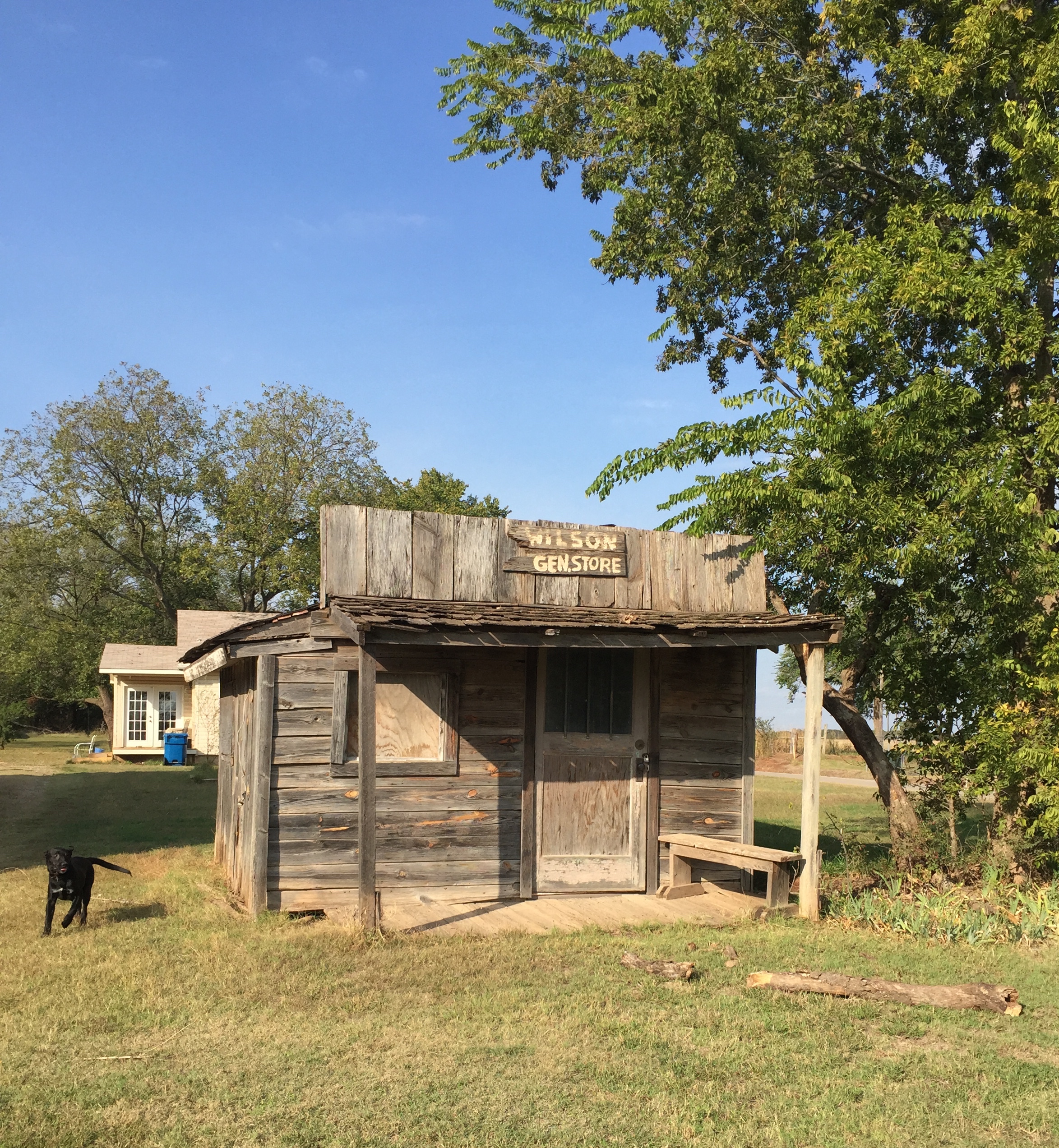
Here’s what’s left of the main drag from the late 1800s.  When you turn the corner, there is a little general store.  IMG_5303

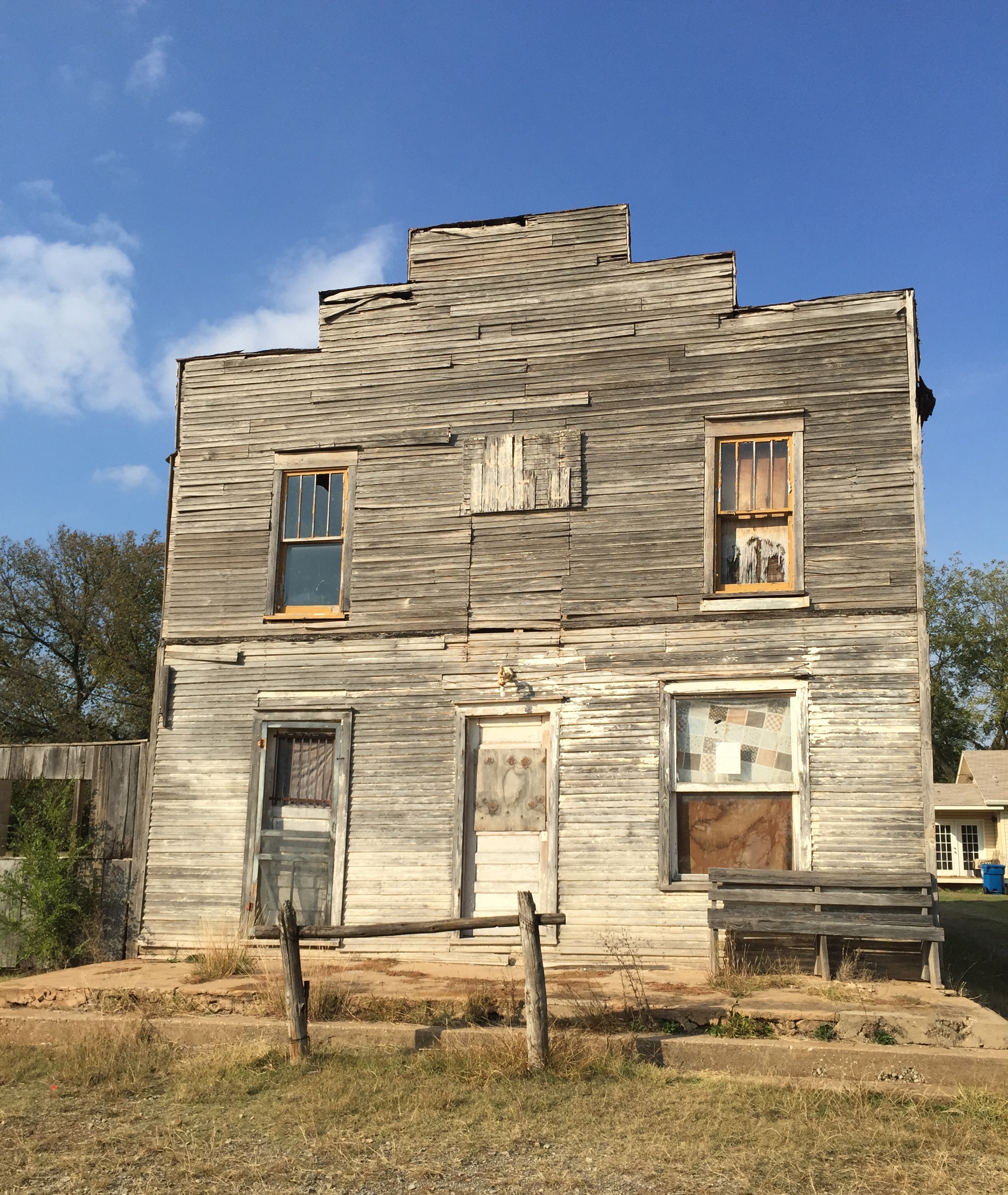
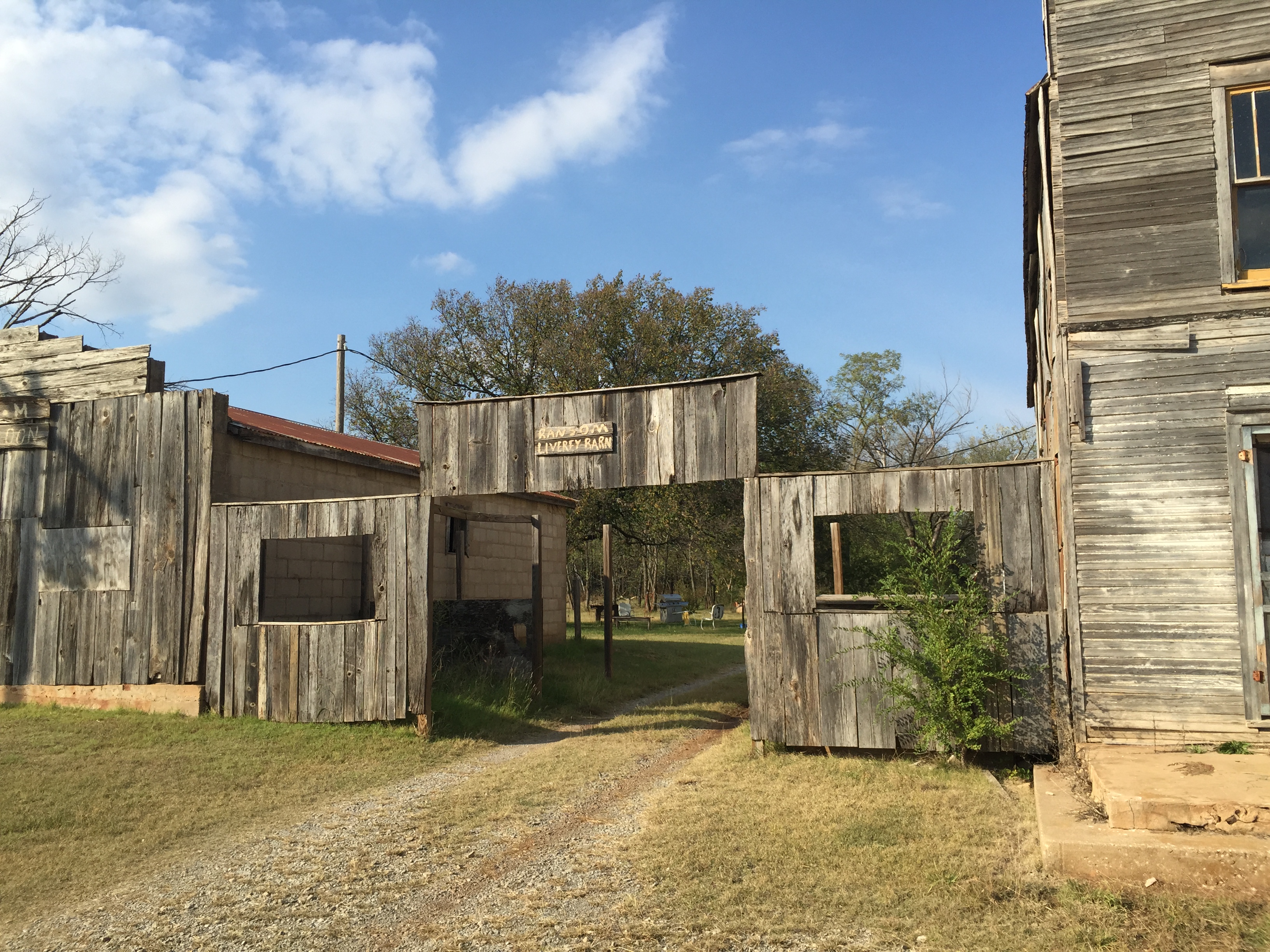
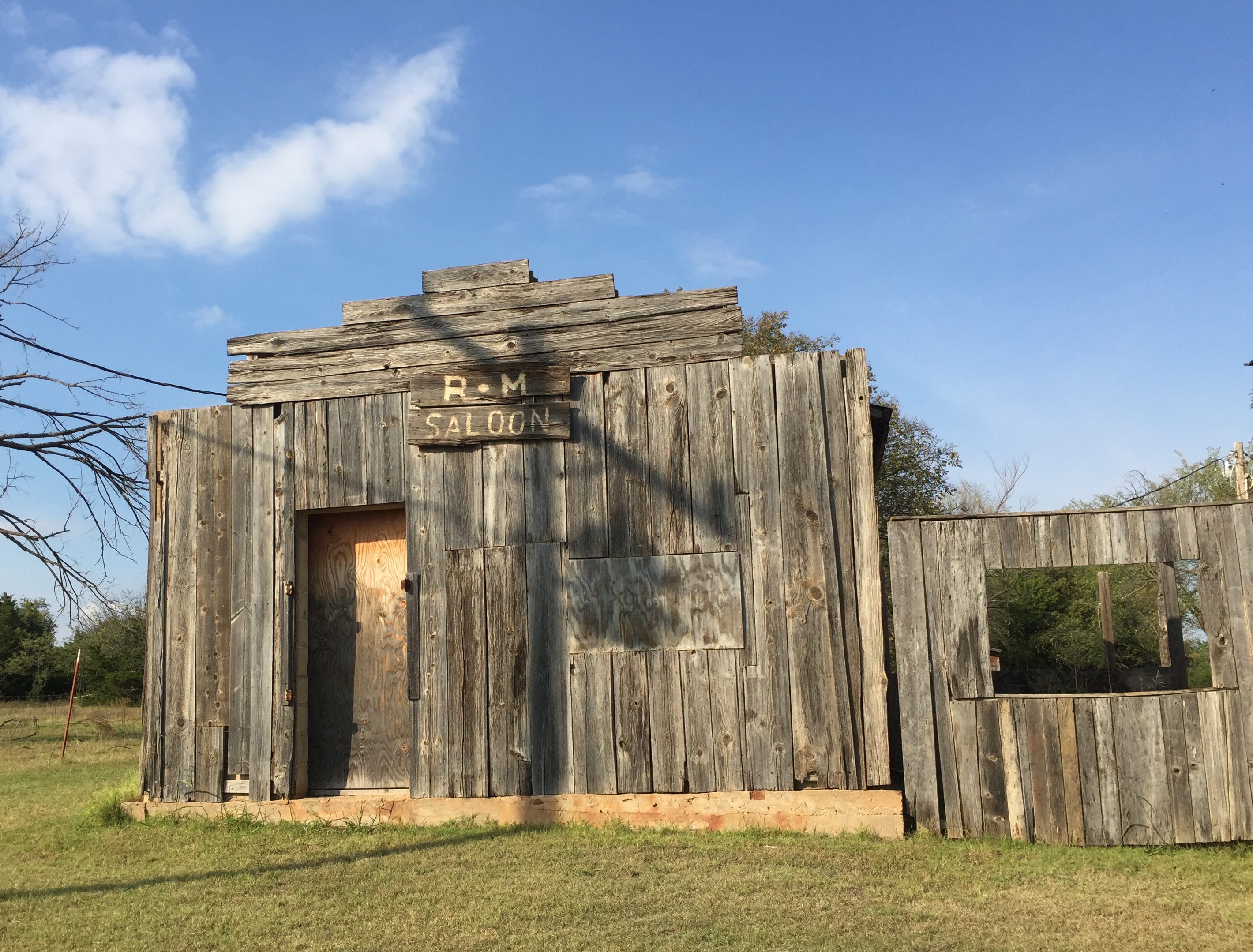
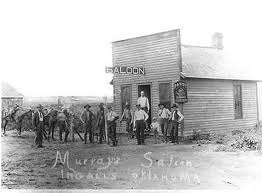
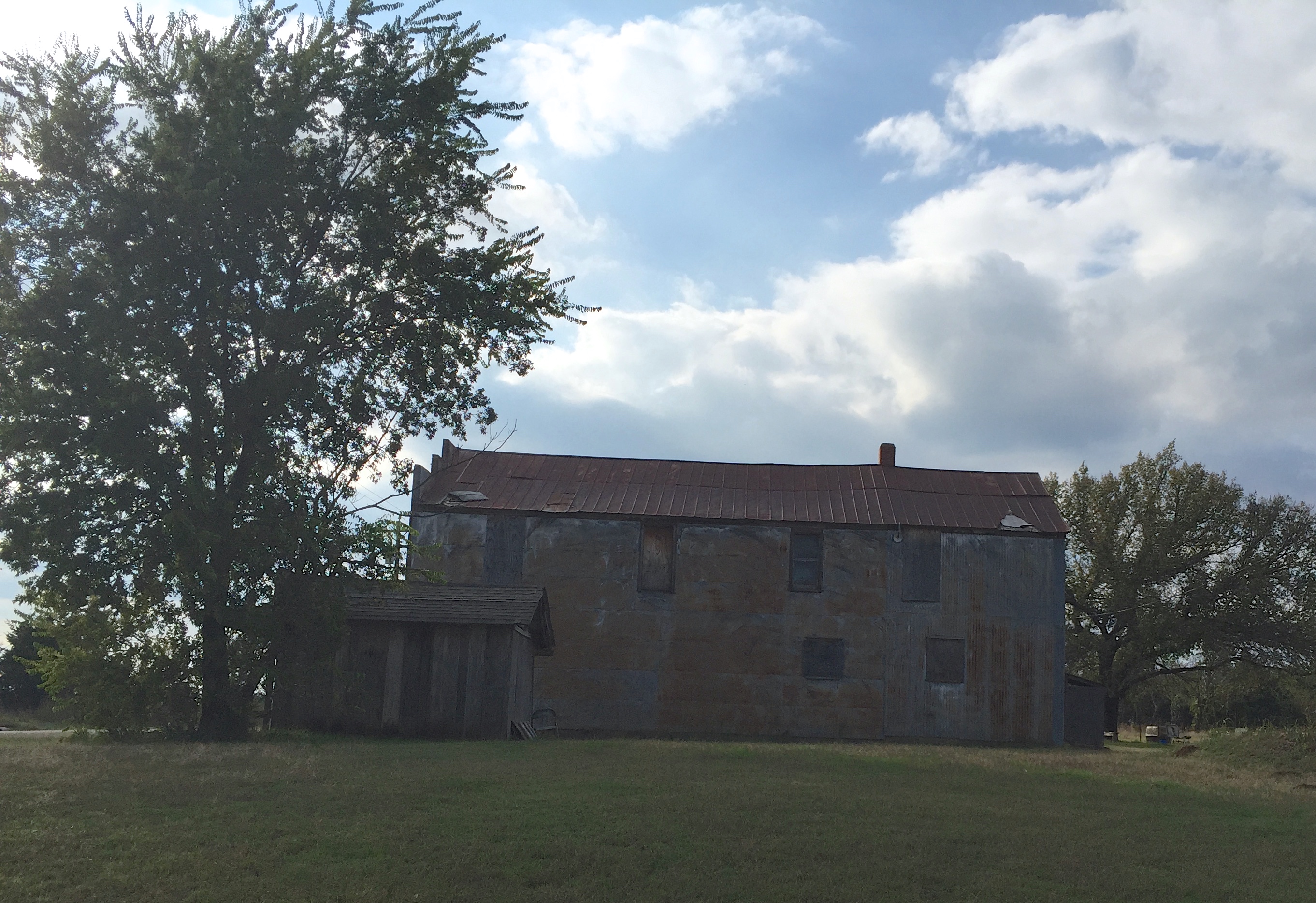
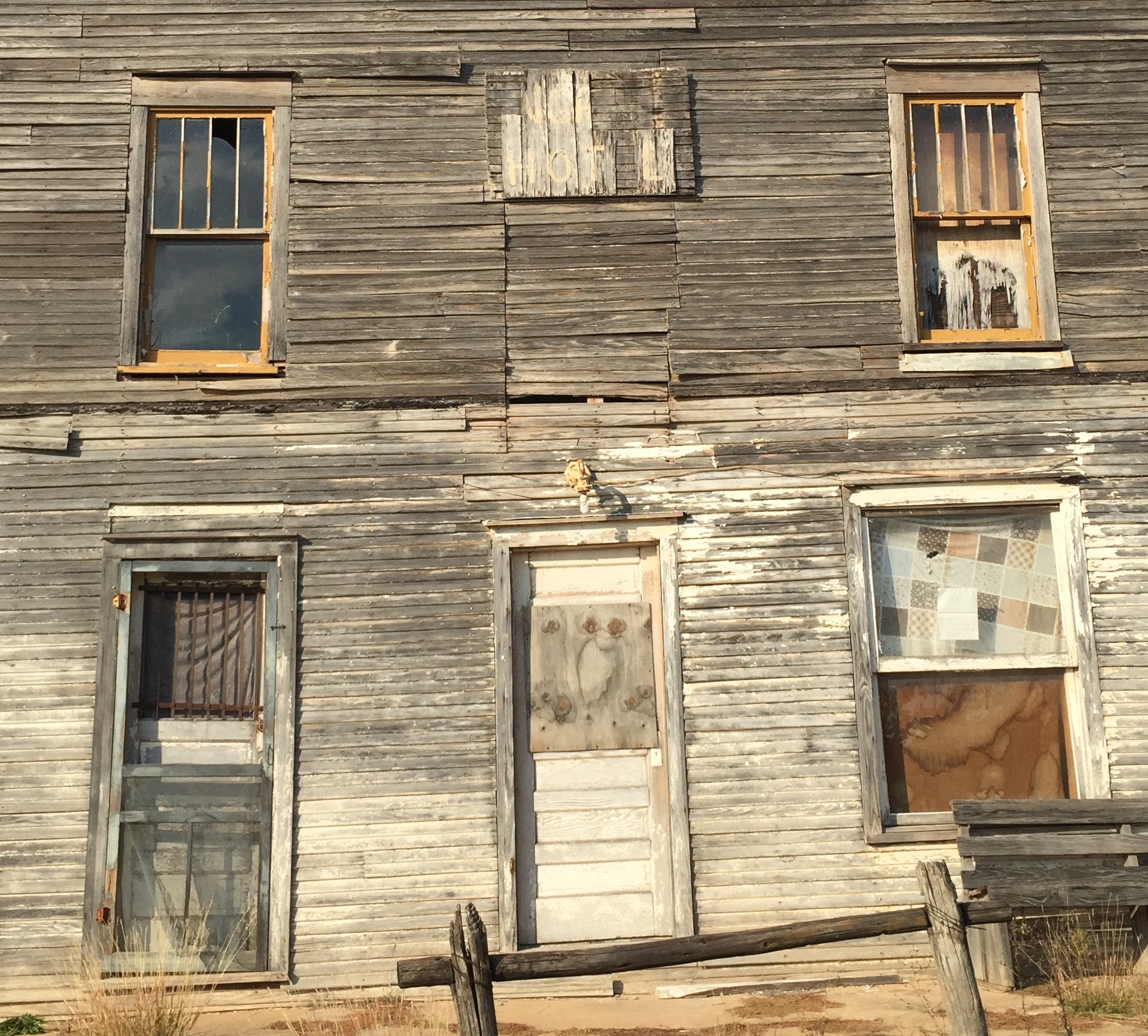
Two dogs ran to greet me from the new house behind and waited to see what I was doing, licking my feet as I snapped pictures.  Surely they’ve seen other visitors, although the residents haven’t done anything to make this into a tourist stop.  Nothing at all.  Beside the drive was the rest of the street, left as it was…the Ingalls Hotel with hitching post out front, livery barn and saloon.  That’s all that’s left.  IMG_5304The hotel is big for this little town.  I guess it was full of desperados, hanging out.  Who else would be coming here?  IMG_5305The livery barn next door has only the front left, but you can see how far back the hotel goes.  Not very plush, even in its heyday, I bet.  IMG_5309IMG_5306Then, there’s the saloon.  You can paint your own images of this place when it was alive.  IMG_5307Not very big.  But then, I’ve seen lots of old saloons and they aren’t anything compared to the Hollywood images we grew up with.  Here’s the guys hanging out at another Ingalls saloon, back in the day.    UnknownOf course a town like this had to have more than one saloon.  It was a pretty day, so I drove past the R & M Saloon, where the road turned to dirt and turned around at the sign that said Private Property, Do Not Enter!  That was tempting.  Going the other way up the street, I spotted what looked like a monument, and drove towards it.  There was a fire station on one side of the street with a sign in front of it and a house on the other corner with a monument.  Otherwise the town had a few houses and trailers scattered.  Here’s the monument.  IMG_5314IMG_5315And the sign that tells the story from the citizens of Ingalls point of view.  IMG_5316I bet the people in Ingalls appreciated gangs.  Nothing else would ever happen there.  Leaving town, I looked back at the hotel, rusting in the sun with the little general store by its side.  IMG_5317Nothing else is likely to ever happen in Ingalls.  Ever.  I drove past Dalton Lane on the way back to Highway 51, then turned and passed Doolin Road on the way out.  They named streets after the outlaws, not the lawmen.  Isn’t that interesting?

I wonder what other bits of history I’m driving by every day.  It’s fun to discover them, more fun than learning the dates back in some dull history classes I sat through.  No wonder I’m all for historic preservation.  We all need to listen to the stories these buildings can leak to our imaginations.  Treasures all around us…if we look.  IMG_5311 - Version 2

Last year, I traveled to Uniontown, Kentucky, where my father and grandfather were born, curious to see the place I had read about in a book, “The Sun Shines Bright,” written by my great-aunt Sue Hamilton Jewell about her life growing up there.  I also had photos from an album I collected when my grandparents died that showed the family when my grandfather was a child, a young man, and a father.  I wrote a blog about the trip, “My River Kinfolk,” that covered the visit.

That simple blog opened up new information I hadn’t expected.  I heard from several people who lived in the area, including someone who is distantly related, an author of a book about coal mining in the area, a young woman who lives in Uniontown, a man whose mother purchased the house my family lived in after they had all gone, and a woman who actually lived in the house at one time.  I hadn’t expected that kind of response at all.  All of that information centered around the lives of my grandfather’s family.

Over the next months, I opened a file box that was sitting on a shelf and found another recounting of life in Uniontown from my great-aunt on my grandmother’s side.  I was getting more and more of a picture of life on the river in that town.  I read about the great Ohio River floods, which devastated the towns along its banks, especially in 1884 and 1937.  I started getting more interested in the history of the area. Through another book of the history of the Hamilton family, I traced my grandfather’s family back to Scotland, which they left for Maryland due to religious persecution.  The box from my grandmother’s side showed that her family, the Spaldings, left England and landed in Maryland also.

Though they didn’t know each other, the Hamiltons and the Spaldings both migrated to eastern Kentucky in 1792, the year it became a state and opened up as the country expanded west.  My ties to Kentucky were deepening.  And branches of both families ended up in Uniontown, a growing community on the banks of the Ohio with commerce from the river traffic, coal mining, and agriculture.  There was even the ubiquitous Kentucky distillery.  From what I can tell, my great-great-grandfather on my grandfather’s side was a doctor who ended up in Uniontown.  My great-great-grandfather on my grandmother’s side was probably a farmer.  They were both part of the growth of the area.

My grandfather was born in 1885 and had an idyllic childhood, raised in a large, loving family.  His father was a grain dealer with an office at the river for shipping.  He was also an insurance salesman for Aetna, so respected that they made him an honorary member of the Aetna family rather than let him retire.  He owned a farm in the area, also, which is probably where he was born.  He and my great-grandmother were the first couple married in the Episcopal Church in Uniontown and he served as Senior Warden for many years.  He was also a charter member of the Masonic Lodge in nearby Morgansfield.  They were pillars of the community according to his obituary.Scan 44My grandmother’s childhood was not quite so charming.  One of eight children, her father was a blacksmith and he drank.  He was also a farmer, tobacco mostly, and my grandmother picked worms off the tobacco along with her brothers and sisters.  Their mother died young and the children took care of each other and all of them worked.  Most of them got out as soon as they could.  My grandmother’s older sister opened a millinery shop in town and married into another more prosperous family.

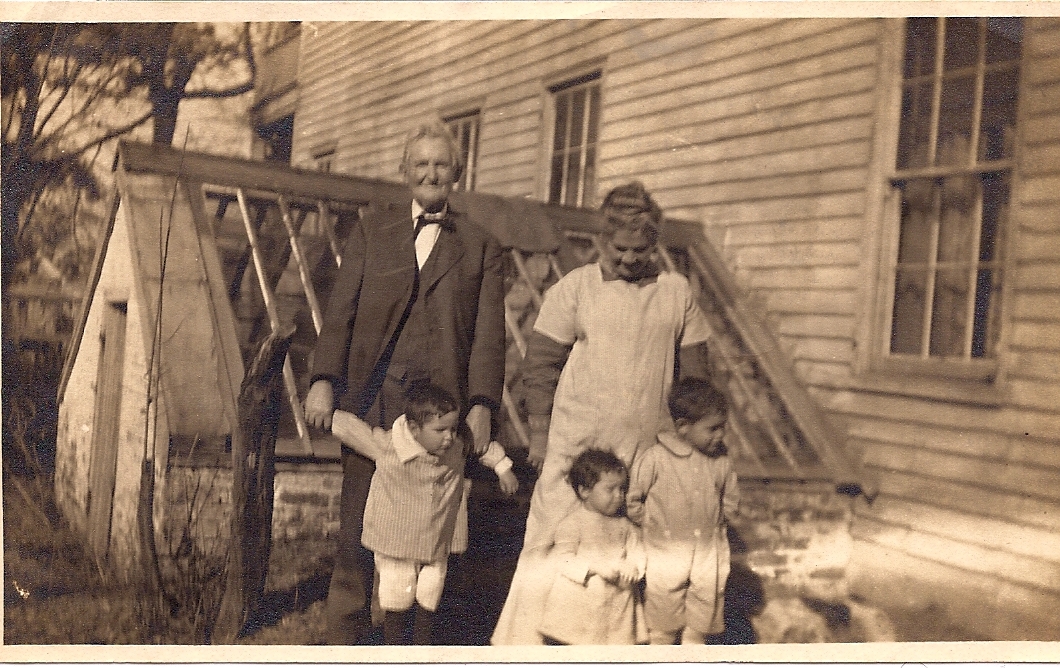
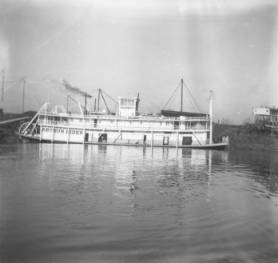
While my grandmother’s family didn’t have the luxury of a camera or a photographer, I have a picture of some of the tobacco farmers, ready to meet the revenuers coming onto their land.  One of them could easily be my great-grandfather.Scan 265My grandparents married and had their first three children in Uniontown before leaving for other opportunities.  I have these photos of my grandmother with my father (with curls), his brother and sister as babies, sitting on the lawn of the Hamilton house.  I note here that my grandfather was Episcopal and my grandmother was Catholic, not such an easy marriage in those days.  They were married for 55 years.  The story my grandmother told my mother was that they took a trip when they first got married, leaving on a train.  My grandfather gave his new bride a fur muff.  She was so poor that she didn’t even have underwear and now she had a fur muff.  That’s how I heard it, probably close to the truth.Scan 93And this photo is of my great-grandparents with their grandchildren, my father on the right.  I’m lucky to have many more precious photos.Mom & Dad Hamilton with J. C., Ed & SaraThe town was changing as the river changed and the riverboats became more obsolete.  I love this old picture of one of the riverboats that stopped in Uniontown, delighting my grandfather in his childhood.ajaxhelperAnd I realized that this photo of my father and his brother was with a sailor on one of the riverboats.  Somebody drew in the head that was cut out of the picture, making it even cuter.  Daddy was born in 1912, so this must have been around 1915 or so.Scan 248And here’s one of the ferry at Uniontown, one my father probably rode to cross the Ohio.Scan 266As I found myself with even more information, I decided to return to Uniontown, especially since I now had some people to talk to while I was there.  My new friend, Treva Robards, spent a delightful afternoon driving around the area with me, filling my head with stories of her own childhood in Uniontown and pointing out the locations of long gone buildings along with local gossip.  I was beginning to get a bigger picture of this area and how it shaped my family.

Treva’s interest in my family grew from living in the old Hamilton house when she was younger.  The house that held our large family was flooded badly in 1937 and my great-grandmother died soon after from pneumonia contracted because she refused to leave.  It was purchased years later and became home to two or more families at a time.  Treva told me that the house was haunted and she could hear the cries of babies and the clanking of chains every night.  We think the cries could be from the three babies who died as infants or toddlers, my grandfather’s siblings.  She thinks the chains could be from slaves who were kept in the attic long before my family purchased the house.  Those are our theories anyway.  I have no doubt she heard them when she lived there.IMG_3731

She also told me that she was fascinated by a room that was kept locked upstairs.  She would look through the keyhole and see the antique dolls and dress forms with wonderful clothes and trunks piled around.  I know these are the things that my great-aunt wrote about in her book that delighted her as a child.  The roof fell in, the house was deserted, looters came.  Who knows why none of the family came to retrieve those items, some priceless treasures.  The family had scattered by then.  It gave me an answer to what came next in that wonderful home.

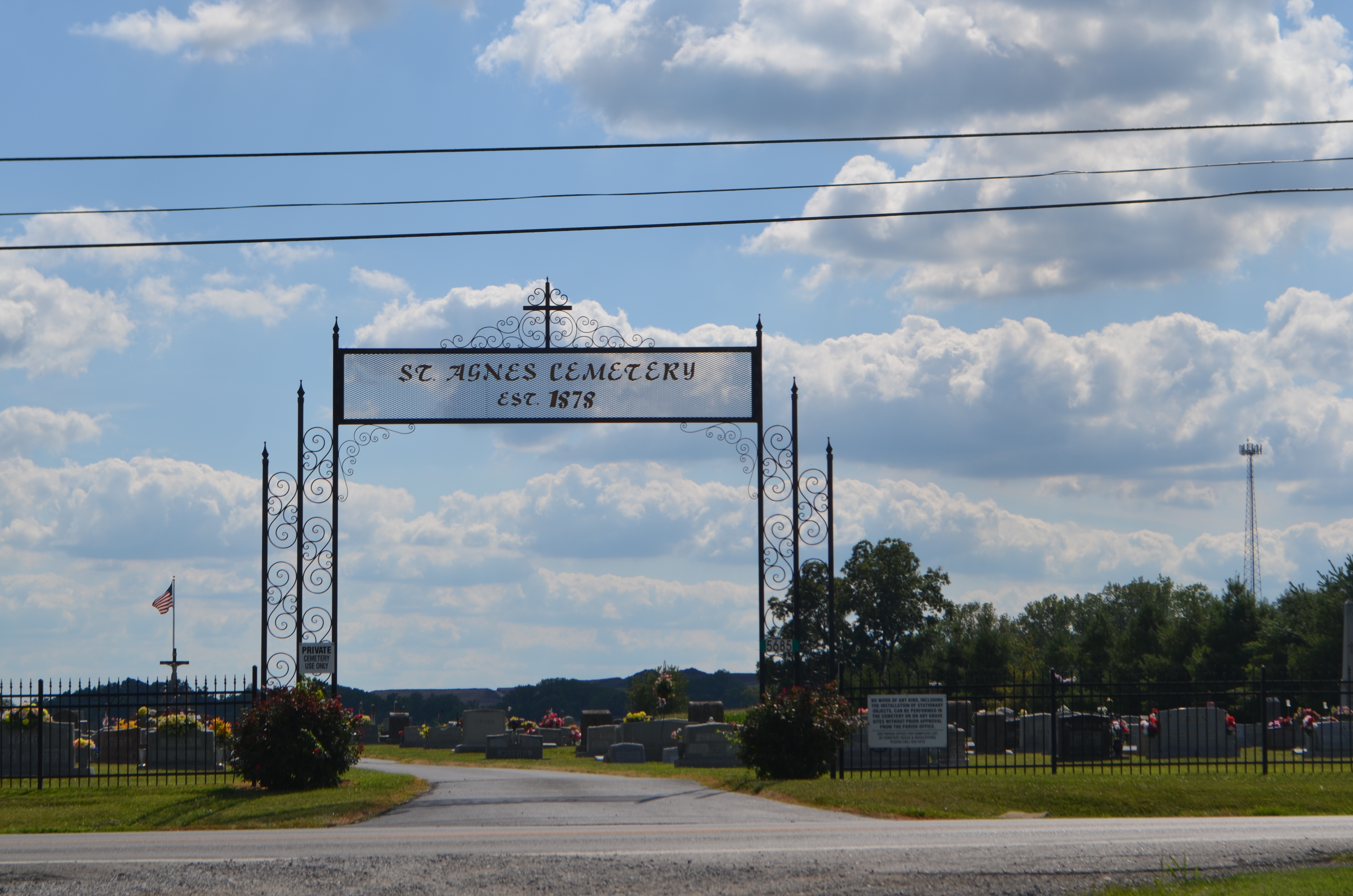
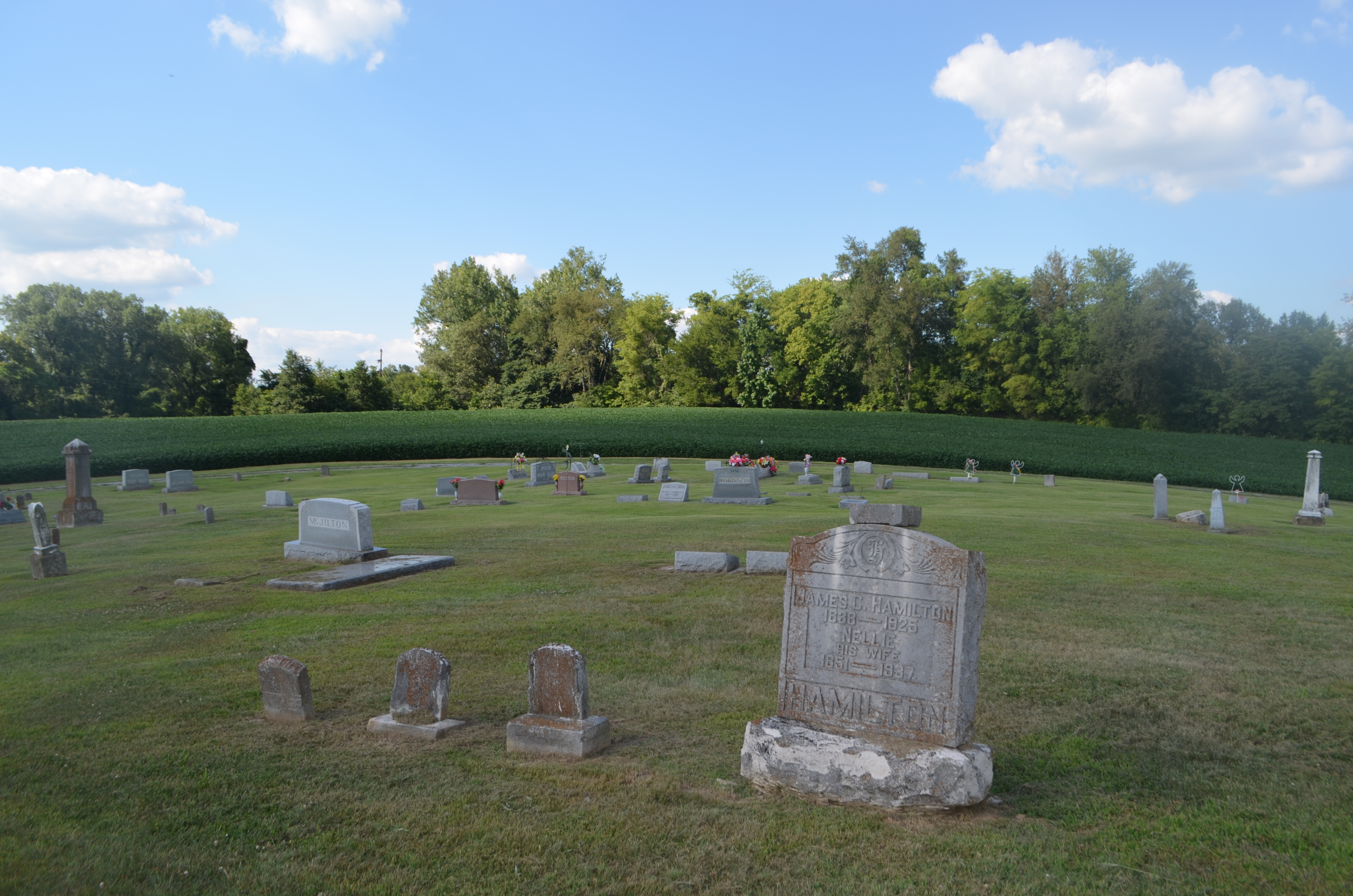
This trip I visited both cemeteries, the Uniontown cemetery where I went last year, and the Catholic cemetery, looking for my grandmother’s family.  The Catholic cemetery had lots of Spaldings, but none that matched the names I knew.   Many of the headstones were worn bare.  I also think my great-grandmother may have been buried in the potter’s field, so I paid my tributes there in the clear area by a pond at the back of the cemetery.DSC_0288The Hamilton sites were as I left them, although the cemetery was surrounded by corn last year and soybeans this year.DSC_0299There has been so much new information for me to think about this year, so much more to learn about life on the river and how my family was shaped through the centuries.  My greatest regret is that I didn’t ask my grandparents and parents to tell me stories of both sides of my family, because now I want to know and find myself searching for more clues.

We don’t tell our stories enough because we don’t realize the importance sometimes.  I think my childhood was pretty ordinary until I look back and place it in the times.  Maybe this is why so many authors tell their stories when they are older.  When we’re young, we’re busy looking to the future.  When there is less future time left, we turn back to put the past in perspective.

This is so much to take in and I share these stories for my children and grandchildren, my siblings, nephews, cousins, and all those to come.  More Uniontown stories to come…

My DVR was crashing, so I called the cable company.  The first thing they did was thank me for being a customer for 39 years!  That was so shocking that I had to stop for a minute.  We’ve had cable for 39 years?!  Wow!

When I got the new DVR box, I brought it home and got it hooked up all by myself, but ran into a problem programming the remote.  It took a phone call with a lovely customer service rep and a service call from a cute young technician, who fixed it in about 10 seconds.  In the meantime, HORRORS, I had to get up and go over the television and physically adjust the sound.  Talk about a flashback!

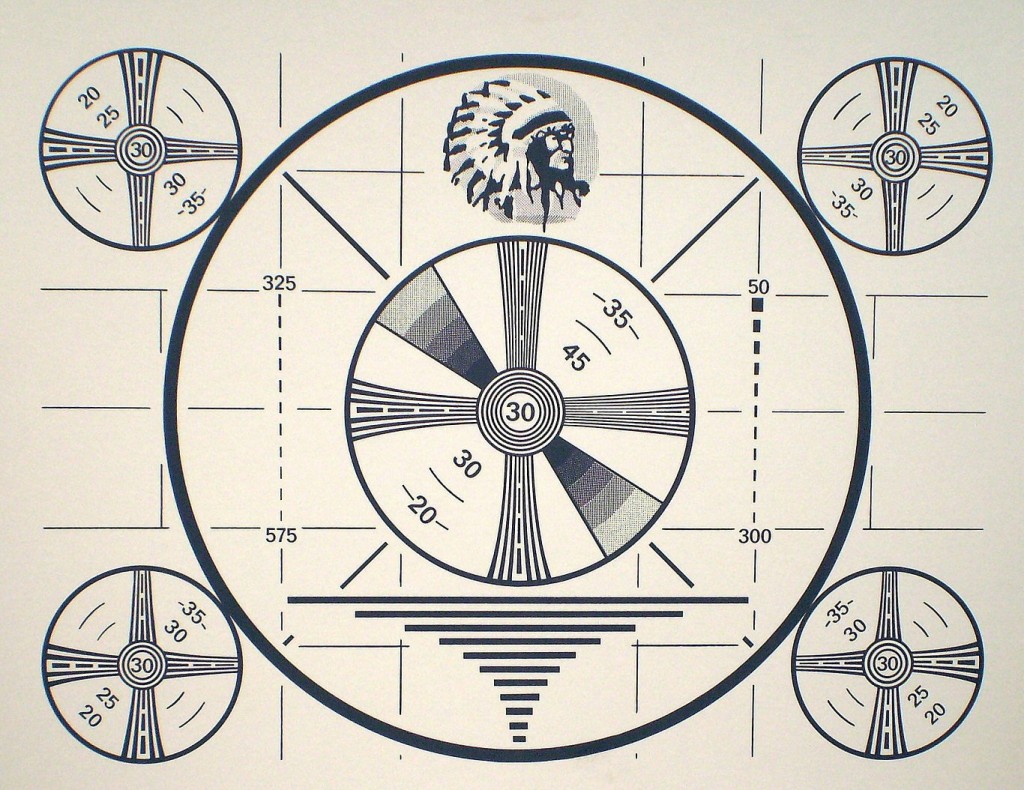
My family got our first television when I was in grade school, way back in the early 1950s.  We had rabbit ears and there were only about three channels and whoever was sitting closest to it had to reach over and change the channels, adjust the volume, adjust the picture (which was often full of lines with a fuzzy picture) or the antenna.  Programming started with the 6:00 news and ended with the 10:00 news, with a test pattern on the screen in between.  We often sat watching the test pattern, waiting for the shows to come on.1950s-Indian-head-TV-test-pattern-1024x790This technology was actually pretty slow compared to today’s standard of new technology every few months.   The only change in our house was a newer antenna and a larger screen, soon in a fancy console, and finally color television.  I was about to turn 30 years old, married with four children, before cable came – 39 years ago, like the cable rep said.  The biggest things about this were the fact that we didn’t have to have an antenna and we now had up to 36 channels with a cable box with a long cord.  My kids probably hit each other over the head with that box arguing over who had control of it.  I remember having a key to lock off HBO with its possibility of shocking programming.jDOac-1You still had to get up and change the volume and turn the television off and on by hand.  The next great step was a tv with its own remote to do those menial tasks for us.  Now we just had to fight over who got the remote.

Look at us now.  Hundreds of channels and still nothing to watch, fancy remotes that you need a manual to learn to use, and the ease of never leaving your chair to control your program.  Actually, I have three remotes – one for my television/cable, one for Apple TV, and one for my combo VCR-DVD player.  I have to get up and cross the room to change something so each of those will work.  Poor me.
I have no doubt that everything will be very different in a matter of minutes, so I’m going to make sure I can at least operate the remotes I have.  Just shoot me if this is the worst problem I ever have…image
Traveling has always been more than just a drive to get somewhere in my life.  Looking for the details was something my parents taught us, making sure we saw all the sides of the places we visited.  When I went to Europe for the first time in high school, I was surrounded by buildings that have endured for centuries, changing uses dozens of times.

Coming from one of our newest states, where progress meant constantly moving forward and not looking back, it took the Historic Preservation efforts of the 1980s to make community leaders stop and see the value there was in the Main Streets and the historic homes.  There was money to be had in the tourist trade and civic pride to be boosted in the salvation of buildings of various architectural trends through the years.  These structures and neighborhoods became works of art to be treasured for future generations.

About 1985 or so, I attended a preservation conference that forever changed the way I looked at towns and cities I visited, especially the city I live in and the surrounding towns.  Neighborhoods that had been decaying suddenly became trendy and adventuresome investors began restoring and updating old oil mansions around town.  The payoff was immediate as property values rose and visitors responded well.  Once, just a few years ago, I was driving an international guest through town, watching him gape at the number of beautiful homes in the older neighborhoods.  We came to a neighborhood shopping area with restaurants and shops in the old storefronts and he beamed…until he saw the section where someone had decided to “modernize,”  making it just another city in his eyes.   I understood because I feel the same way when I visit another city.

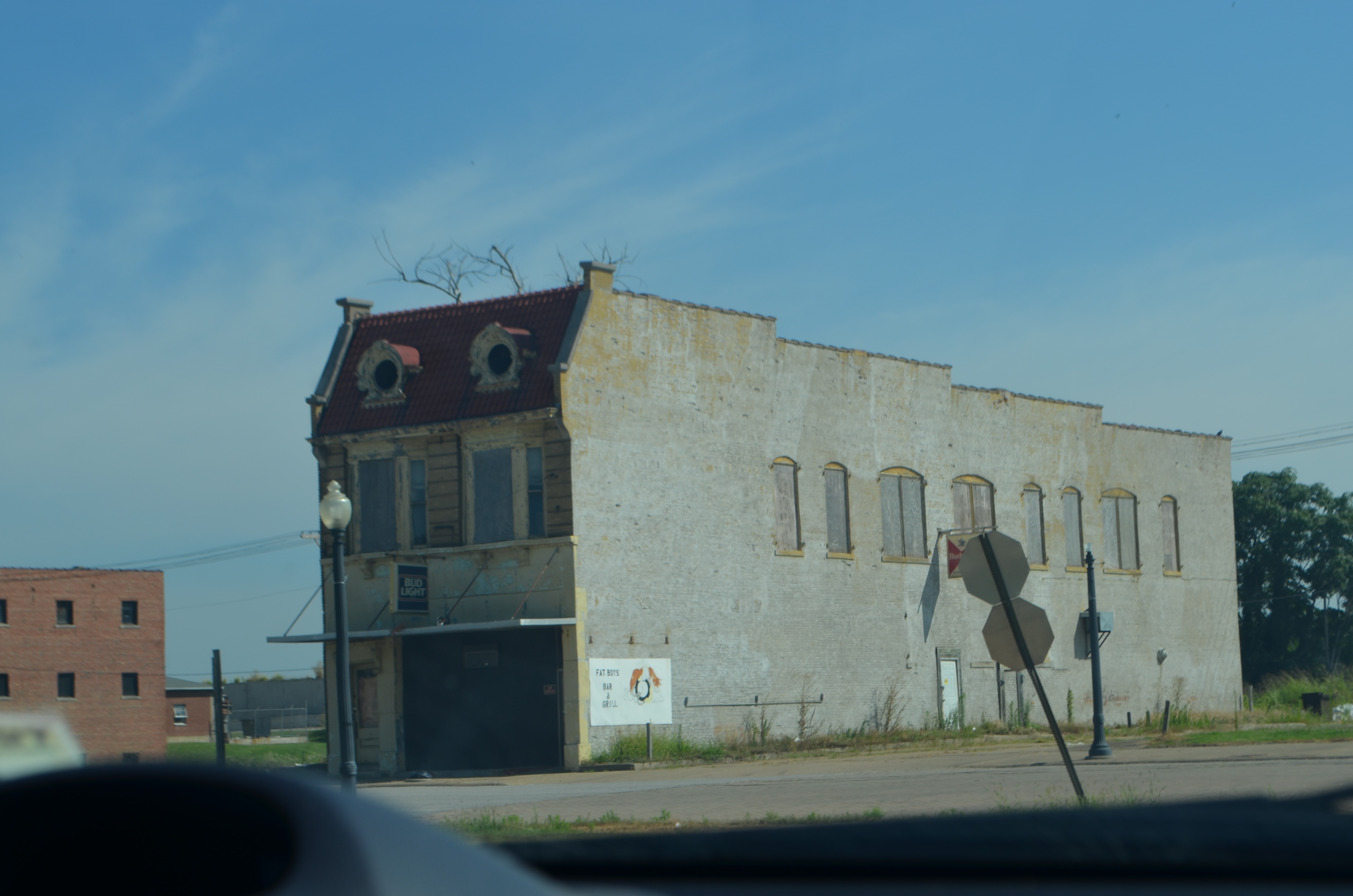
But, preservation isn’t always easy.  How do you save a town that let it all go for too long?  A couple of weeks ago, we detoured off the road to visit Cairo, Illinois.  This town sits where the great Ohio and Mississippi Rivers meet, an important location in our country’s history.  This should be bustling with tourists and historians learning about the commerce that flourished in that important time when the riverboats ruled the waterways.  Way back, money was diverted from other river communities to build levees in Cairo due to its importance so it wouldn’t be flooded and lost.

Instead, history and man dealt Cairo severe blows with racial tensions and changes in the use of the rivers and the building of the highways that went around the town.  It has become not even a shadow of its former glory.  And, yet, there are those who would like to restore it, an uphill struggle of epic proportions.

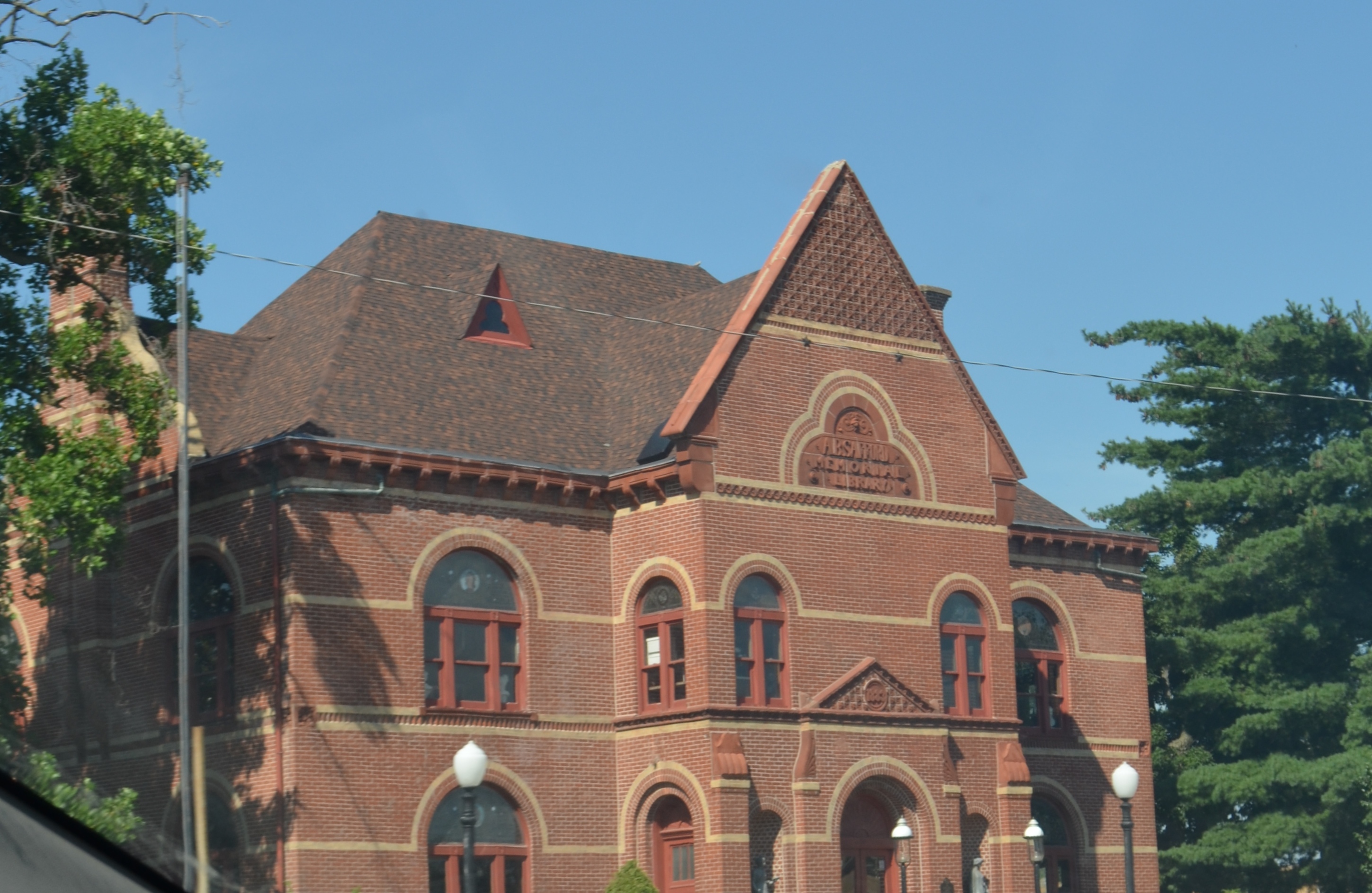
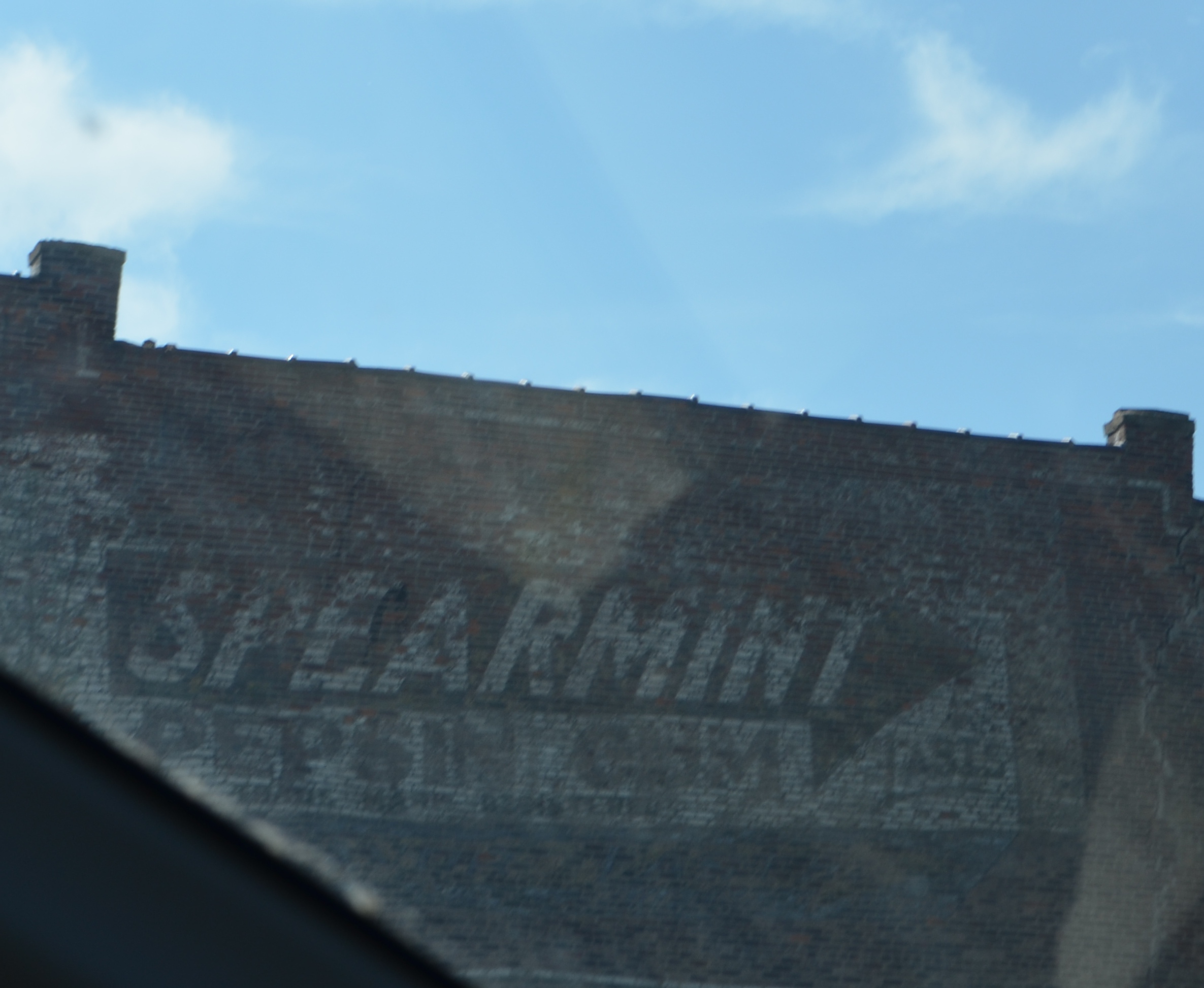
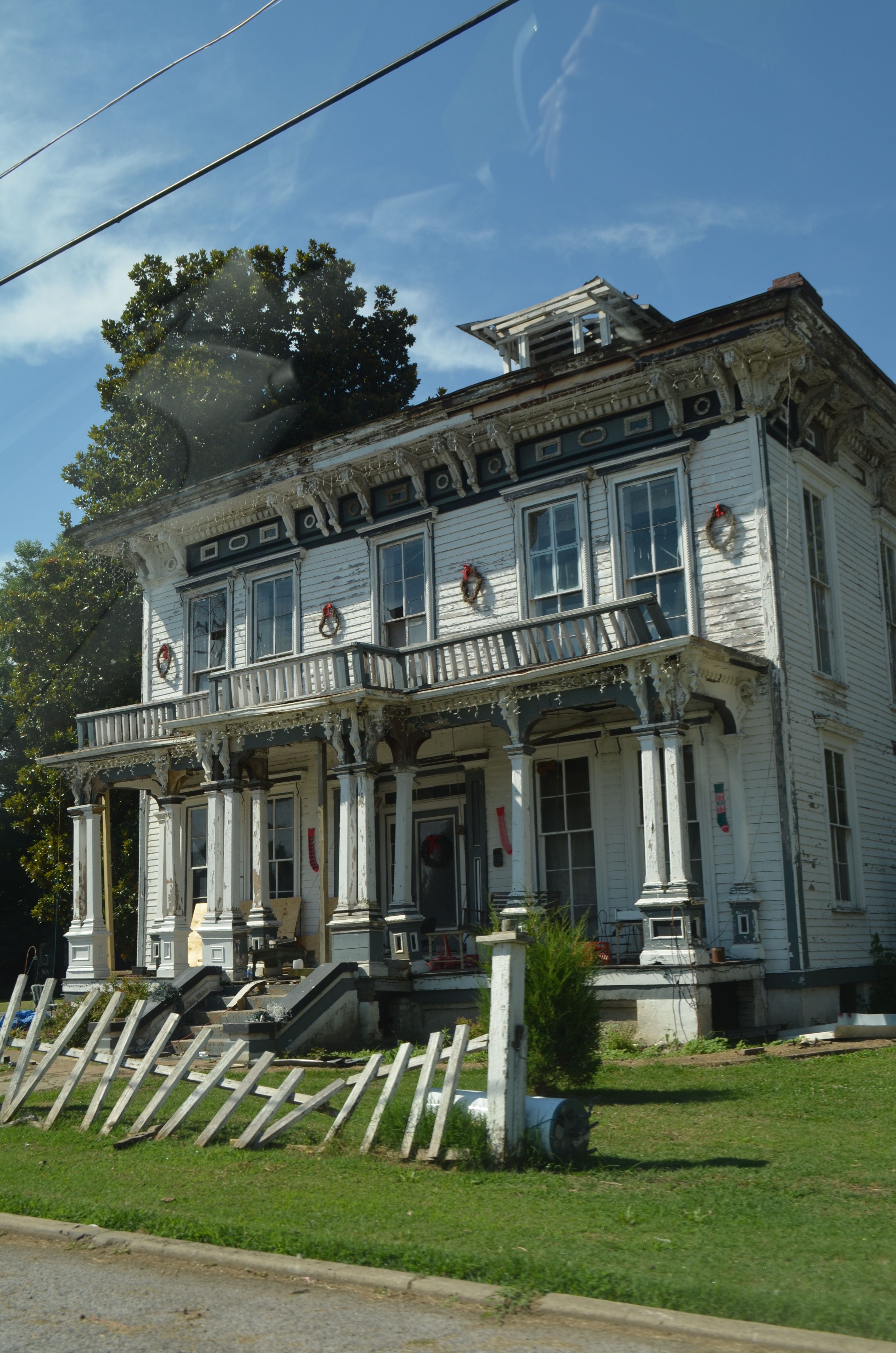
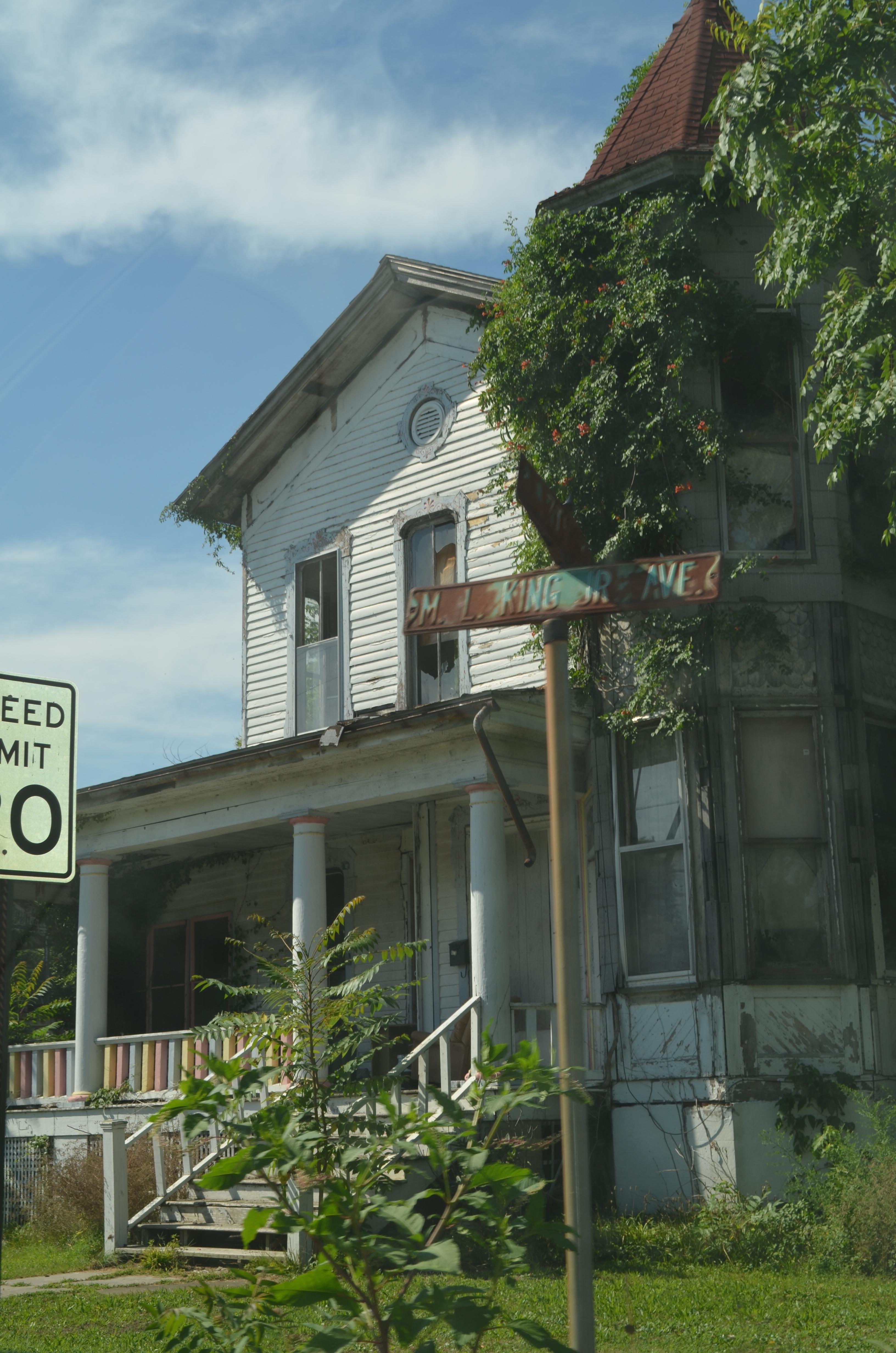
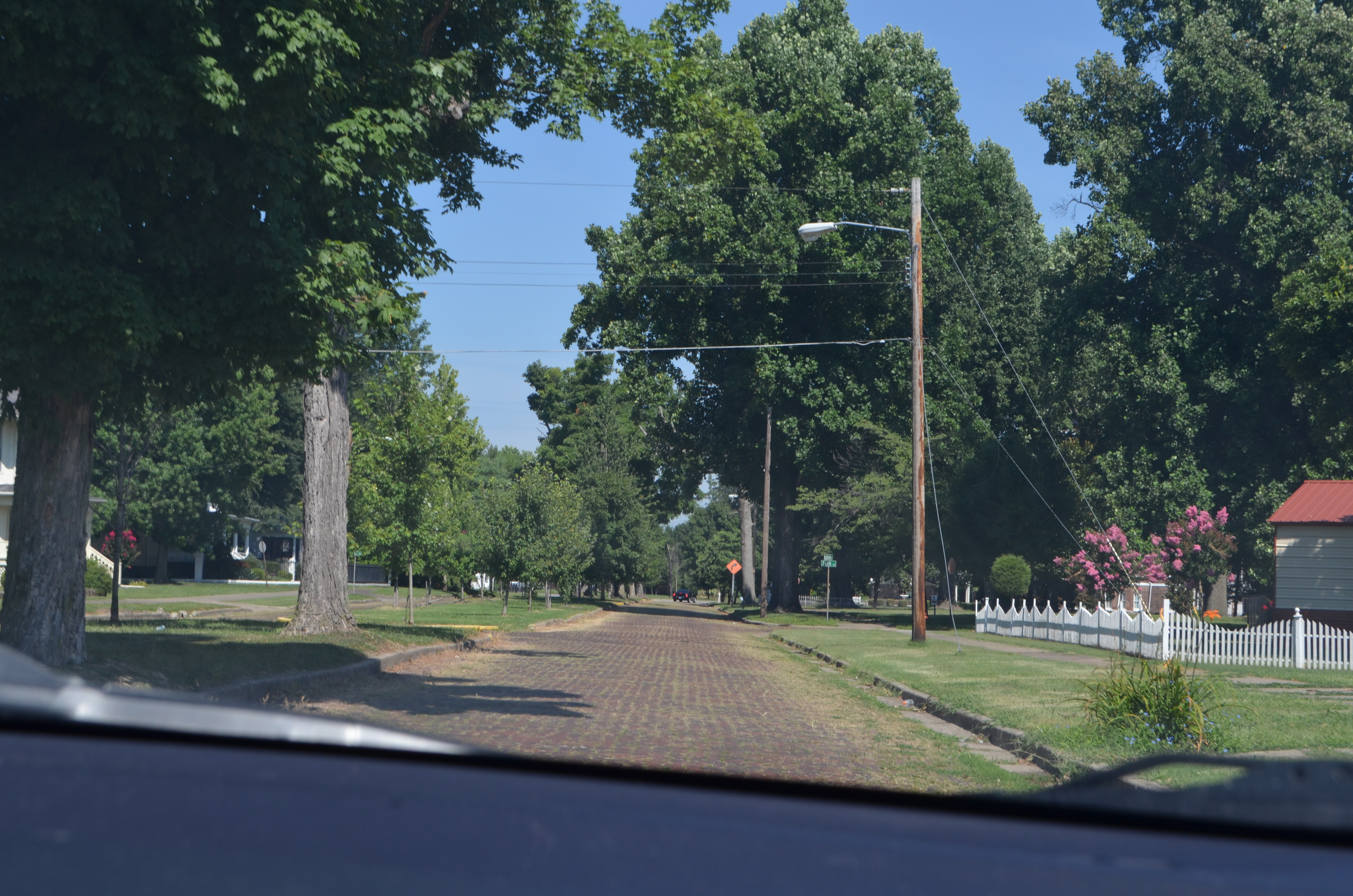
We came in under the bridge…DSC_0314…and headed along the main street.  Under a lovely sign declaring the Cairo Historic District, there was only this to be seen.DSC_0316 DSC_0317There was a beautiful old custom house, library and courthouse we’d driven by.DSC_0325A fading sign on a building gave a glimpse of advertising back then.DSC_0318Driving around the residential areas was dismal to one who loves to imagine the old homes bustling with life.DSC_0322I’m not sure I’ve seen such a stretch of sadness.DSC_0319A town that is being reclaimed by nature.DSC_0320Where would you begin?DSC_0321But, another sign had proclaimed an historic neighborhood district and we found a lovely park and a couple of restored mansions that could be toured.DSC_0338And admired…DSC_0328These are on a lovely brick, divided boulevard with a few other homes in various states of livability.  Grass grows through the bricks in different lengths.DSC_0334I salute those who are doing their best to preserve what’s left and I mourn for what the town might and should have been.  Our history is fragile and preservation is important.  We learn from where we were, where we are, and where we’re going.  At the conference I attended so long ago, a statement that stuck with me was the difference in a shopping mall that springs into existence and a downtown that has evolved through its history, showing all the difference eras through its architecture.

Here’s to those who fight to preserve and to make others aware.  It’s worth the battle.