Archives for category: Family

As I wait for my newest phone to arrive, the images of all the phones I’ve used over the years came to mind.  It’s hard not to compare the progression of the phone in my own lifetime to the fast changing have-to-have phones of today.

My parents moved us to Tulsa when I was about 2 1/2 years old and the first phone that I can remember was located in a little phone room, no bigger than a closet, and looked like this, I think.  I’m pretty sure we had dials by then. Unknown

There was only one phone in the house, the one in the closet.  One of the wicked things I did when I got old enough was to sneak in there and call the operator to make a call to my grandmother.  My grandmother’s phone was even more interesting.  She lived in Ardmore and was on a party line.  You picked up the receiver to talk to the operator, who knew everyone, and had her call whoever you needed.  My grandmother had a special ring to let her know a call was for her.  The neatest thing was to pick it up very quietly and listen to the other people’s conversations, which wasn’t very nice, but oh so interesting to a curious little girl.

Our phone number at home was 75973 for many years.  When they added prefixes, it became RIverside 75973.  My father’s office number started with the prefix GIbson and I spent a week one summer when I was about 9 or 10 at his office handwriting the GIbson in front of the number on some postcards that had been printed earlier.

Through the years, not much changed with our black dial phones.  Then plastics came into wide use and we suddenly had colors and plastic dials.  When we built our new house when I was in 5th grade, we had beige phones and there were three, count ’em, three in the house.  There was a black wall phone in the kitchen, a beige desk phone in my parents’ bedroom and another beige phone in the hallway in a little cut-out holder in the wall.  That was for my brother, sister, and me to use.

The Princess model was a big hit when I was in junior high school, especially the pink one.  Girls with a pink princess phone were pretty cool.  We didn’t get the pink model, however.  Eventually, we got something just as good – a long cord from the wall so we could carry the phone into a closet or another room to talk privately.  With the hours we spent on the phone as teenagers, talking to friends we had just left about who we’d seen, who was going steady with who, who had looked twice at us, who we had a crush on, what we were going to do the next day or the next weekend, what to wear, how tiring our parents were, and other important topics, you just needed some privacy.  Really.   And the time we spent waiting by the phone for someone to call…sigh.

When I went to college, there was a phone on the wall in each hallway of the dorm, but you couldn’t make long distance calls from it.  For that, we went downstairs to a bank of pay phones with a pile of change.  To make a long distance call, back in 1963, you had to call the operator and have her (always female operators) dial it for you.  I was also able to charge calls to my parents’ phone through the operator.  I spent many an hour in that phone booth with piles of change talking to my boyfriend, later fiancé.  He would call me from phone booths in California after he was in the Navy, adding the quarters as the operator told us our time was up.

Sometime along the way, direct dial was invented, a miraculous thing.  And the prefixes we’d had in Tulsa changed to just the numbers.  Riverside 75973 changed to 747-5973, which was the same thing.  Novelty phones were the rage with Mickey Mouse, hamburger, clear phones and other fun things to brighten our lives.  As a mom, my favorite phone of the day was my red wall phone in my kitchen/breakfast room with an extra long cord that let me talk while I cooked or set the table or cleaned or whatever.  I was the ultimate multi-tasker as I worked on my volunteers committees, planned PTA events, changed carpools, scheduled appointments, all while I was doing my mom thing at home.

Oh yes, I still had a dial tone and used my dial for numbers, right up until I moved into my present home in 2002.  There was touch tone technology, but you had to pay extra and I didn’t think I would ever be so lazy that I couldn’t turn that dial wheel.  Eventually, I had touch tone because you couldn’t make long distance calls without it, but I still used that rotary dial until I moved.

So now I’ve covered over 50 years of my phone life and we haven’t even gotten to cell phones yet.  Technology was a whole lot slower coming and who knew?

The first mobile phone we had was a bag phone, a bag with a battery and a phone inside, that we kept in the car.  This was in the mid 1990s – way back then.  My husband got it because he was visiting customers all over the state and it was great for calling ahead, for emergency calls, and to let me know he was on his way home.  I don’t know how long we had that.  And I can’t even remember much about my first cell phone or mobile phone after that, probably because they’ve changed so quickly.   I had a pager when I worked for the American Red Cross and had to listen for it 24 hours a day in case of emergencies.  That was in 2001, so we hadn’t started using our cell phones so much yet.

The joke with our first cell phones was how small they were.  I remember someone on Johnny Carson trying to punch the tiny little buttons and holding up this little gadget to his ear.  But, they caught on quickly, very quickly.  Why wouldn’t they?

The day I got my first iPhone, I remember staring at it, absolutely mesmerized by all the information in my hand.  Wow!  I hadn’t even had a computer that many years and now all of that information was in my phone, too!  Look at where we are now with changes coming every year.  Amazing and wonderful technology.

So, I’ve got my new phone coming and am wondering if the larger size will fit in my small purse I carry.  The tiny phones that were the rage are now growing larger with expanded capabilities.  I would say that I use it as much for other things as I do for calls.

The irony of all this came back to me the other day when the land line, that I keep for emergencies and because I’ve had that same number for 47 years, quit working.  In order to test it, AT&T advised me to take my corded phone (meaning a phone with a cord other than the cordless ones that are all over the house) outside to the phone box and plug it in to see if it works.  I had to borrow a corded phone when I couldn’t find my emergency one, which is a little old beige princess model.  Makes me smile.

The other change is that I feel at a loss if I forget to take my phone with me.  What will happen if my car breaks down since there are few pay phones around?  What if I’m running late or my grandkids need to be picked up or where will my grocery list be without my phone? How will I find my way there without my maps?  What if I miss a text?  It’s a very vulnerable feeling, a sign of the times.

Oh well, I’ll have my new phone soon and we can test it Old School.  Call me!


Four is an amazing age, taking a little one from toddler to school kid in way too short a time.  I’m watching yet another one of my offspring finish up the year, turning five in a few weeks.  A wonder to behold.

Four is the champion year for make-believe, dress up, pretend, toys.  A four year old is forever dressing in costume, being a super hero or a princess or whatever strikes his/her fancy at the moment.  They name their toys and surround themselves with stuffed animals or cars or action heroes in a fantasy world of their own.  They project the world they’ve heard about onto their play, creating situations based on their understanding of what they hear and see.  It’s funny to listen to one talk to a stuffed baby unicorn about what they are going to do today.  Or watch them place their dolls or action heroes into lego houses to mimic the adults who talk to them in tones that translate into something different when you hear it through a four year old’s voice.

Four is an age of individuality.  Let a four year old pick out his or her own outfit and you’ll know a lot about what’s to come.  And you’ll definitely smile!

Four is the age when you start to really relate to your friends.  It’s having another four year old come up to you and say, “You can be my friend.”  And thinking that’s great.  Until something happens and you get your feelings hurt and don’t understand.  It’s a time when girls hug when they see each other and boys just talk to other boys like they’ve known them all their lives because they are both standing in front of a display of action heroes in a store.  “I’ve got that one.  Which one do you have?”  I’ve watched big boys, known as adult men, do the same thing.

Four is the age of thinking you can do anything, of thinking you know more than you do.  Your speech is clearer, you know more words, you’re more coordinated than you were at three.  Four year olds think they’re there!  But, of course, they aren’t.  I have the most independent granddaughter of any child I’ve ever met.  She keeps telling me “I can take care of myself.”  She honestly thinks she can, but I have to remind her that she is four and that she needs to listen to what we tell her.  I think of her father…oh my!

Four year olds are learning skills, some in their own mind.  You have to watch them because they think they know how to cook, work the computer, turn on machines, pour milk…the list is endless.  They know a little bit too much, but not enough, sometimes.

Four is the age when the magic of associating letters and numbers with reading and writing and adding is starting to form.  I read a lot about how kids are being forced to read too early and kindergartens are taking away their childhoods.  I can agree with that – a lot.  I also was watching this little one read and spell her first words with that light of understanding in her eyes.  Nobody forced her.  Reading is one of the more unpredictable miracles of all times and we don’t know when a little brain will click with the recognition.  This child is bright, I’ll give her that with a grandmother’s pride, but she isn’t the only bright child out there.  She’s been playing with an iPad since she was a few months old, she’s had interactive television shows, and there is that branding of companies that seems to be our first reading lesson for children.  How old do they have to be before they recognize the sign at McDonalds or the ice cream store?  It would almost be stranger if she wasn’t starting to put it all together.

Mostly, and it does also have its challenges for parents and teachers, four is a precious age.  Four year olds still cuddle, still look adorable when they are frustrated trying to tackle a new task, and still have a joy of childhood in their eyes.  There’s no going back.  Five is coming, still a wonderful age.  Five year olds have more of the world in them, more to taint their innocence and more to take them a step further away from your protection.  I’m going to treasure this last couple of weeks with a four year old, watching this magical transformation that has taken place from four to five.  I can’t wait to see what’s next for this one?DSC_0011

Last year, I traveled to Uniontown, Kentucky, where my father and grandfather were born, curious to see the place I had read about in a book, “The Sun Shines Bright,” written by my great-aunt Sue Hamilton Jewell about her life growing up there.  I also had photos from an album I collected when my grandparents died that showed the family when my grandfather was a child, a young man, and a father.  I wrote a blog about the trip, “My River Kinfolk,” that covered the visit.

That simple blog opened up new information I hadn’t expected.  I heard from several people who lived in the area, including someone who is distantly related, an author of a book about coal mining in the area, a young woman who lives in Uniontown, a man whose mother purchased the house my family lived in after they had all gone, and a woman who actually lived in the house at one time.  I hadn’t expected that kind of response at all.  All of that information centered around the lives of my grandfather’s family.

Over the next months, I opened a file box that was sitting on a shelf and found another recounting of life in Uniontown from my great-aunt on my grandmother’s side.  I was getting more and more of a picture of life on the river in that town.  I read about the great Ohio River floods, which devastated the towns along its banks, especially in 1884 and 1937.  I started getting more interested in the history of the area. Through another book of the history of the Hamilton family, I traced my grandfather’s family back to Scotland, which they left for Maryland due to religious persecution.  The box from my grandmother’s side showed that her family, the Spaldings, left England and landed in Maryland also.

Though they didn’t know each other, the Hamiltons and the Spaldings both migrated to eastern Kentucky in 1792, the year it became a state and opened up as the country expanded west.  My ties to Kentucky were deepening.  And branches of both families ended up in Uniontown, a growing community on the banks of the Ohio with commerce from the river traffic, coal mining, and agriculture.  There was even the ubiquitous Kentucky distillery.  From what I can tell, my great-great-grandfather on my grandfather’s side was a doctor who ended up in Uniontown.  My great-great-grandfather on my grandmother’s side was probably a farmer.  They were both part of the growth of the area.

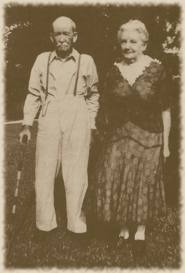
My grandfather was born in 1885 and had an idyllic childhood, raised in a large, loving family.  His father was a grain dealer with an office at the river for shipping.  He was also an insurance salesman for Aetna, so respected that they made him an honorary member of the Aetna family rather than let him retire.  He owned a farm in the area, also, which is probably where he was born.  He and my great-grandmother were the first couple married in the Episcopal Church in Uniontown and he served as Senior Warden for many years.  He was also a charter member of the Masonic Lodge in nearby Morgansfield.  They were pillars of the community according to his obituary.Scan 44My grandmother’s childhood was not quite so charming.  One of eight children, her father was a blacksmith and he drank.  He was also a farmer, tobacco mostly, and my grandmother picked worms off the tobacco along with her brothers and sisters.  Their mother died young and the children took care of each other and all of them worked.  Most of them got out as soon as they could.  My grandmother’s older sister opened a millinery shop in town and married into another more prosperous family.

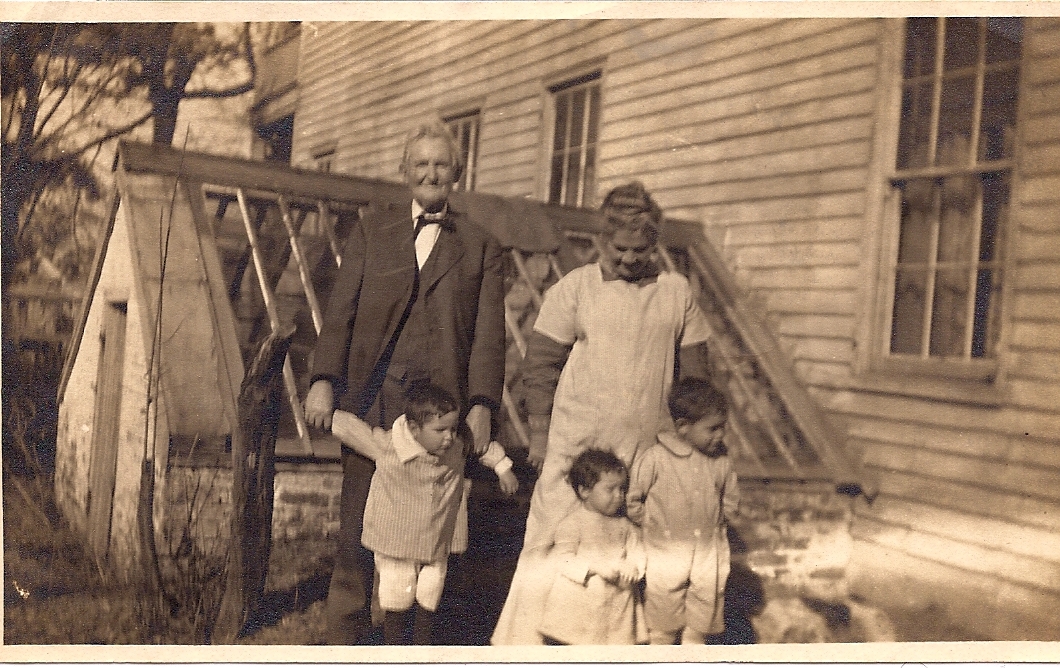
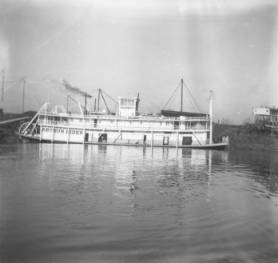
While my grandmother’s family didn’t have the luxury of a camera or a photographer, I have a picture of some of the tobacco farmers, ready to meet the revenuers coming onto their land.  One of them could easily be my great-grandfather.Scan 265My grandparents married and had their first three children in Uniontown before leaving for other opportunities.  I have these photos of my grandmother with my father (with curls), his brother and sister as babies, sitting on the lawn of the Hamilton house.  I note here that my grandfather was Episcopal and my grandmother was Catholic, not such an easy marriage in those days.  They were married for 55 years.  The story my grandmother told my mother was that they took a trip when they first got married, leaving on a train.  My grandfather gave his new bride a fur muff.  She was so poor that she didn’t even have underwear and now she had a fur muff.  That’s how I heard it, probably close to the truth.Scan 93And this photo is of my great-grandparents with their grandchildren, my father on the right.  I’m lucky to have many more precious photos.Mom & Dad Hamilton with J. C., Ed & SaraThe town was changing as the river changed and the riverboats became more obsolete.  I love this old picture of one of the riverboats that stopped in Uniontown, delighting my grandfather in his childhood.ajaxhelperAnd I realized that this photo of my father and his brother was with a sailor on one of the riverboats.  Somebody drew in the head that was cut out of the picture, making it even cuter.  Daddy was born in 1912, so this must have been around 1915 or so.Scan 248And here’s one of the ferry at Uniontown, one my father probably rode to cross the Ohio.Scan 266As I found myself with even more information, I decided to return to Uniontown, especially since I now had some people to talk to while I was there.  My new friend, Treva Robards, spent a delightful afternoon driving around the area with me, filling my head with stories of her own childhood in Uniontown and pointing out the locations of long gone buildings along with local gossip.  I was beginning to get a bigger picture of this area and how it shaped my family.

Treva’s interest in my family grew from living in the old Hamilton house when she was younger.  The house that held our large family was flooded badly in 1937 and my great-grandmother died soon after from pneumonia contracted because she refused to leave.  It was purchased years later and became home to two or more families at a time.  Treva told me that the house was haunted and she could hear the cries of babies and the clanking of chains every night.  We think the cries could be from the three babies who died as infants or toddlers, my grandfather’s siblings.  She thinks the chains could be from slaves who were kept in the attic long before my family purchased the house.  Those are our theories anyway.  I have no doubt she heard them when she lived there.IMG_3731

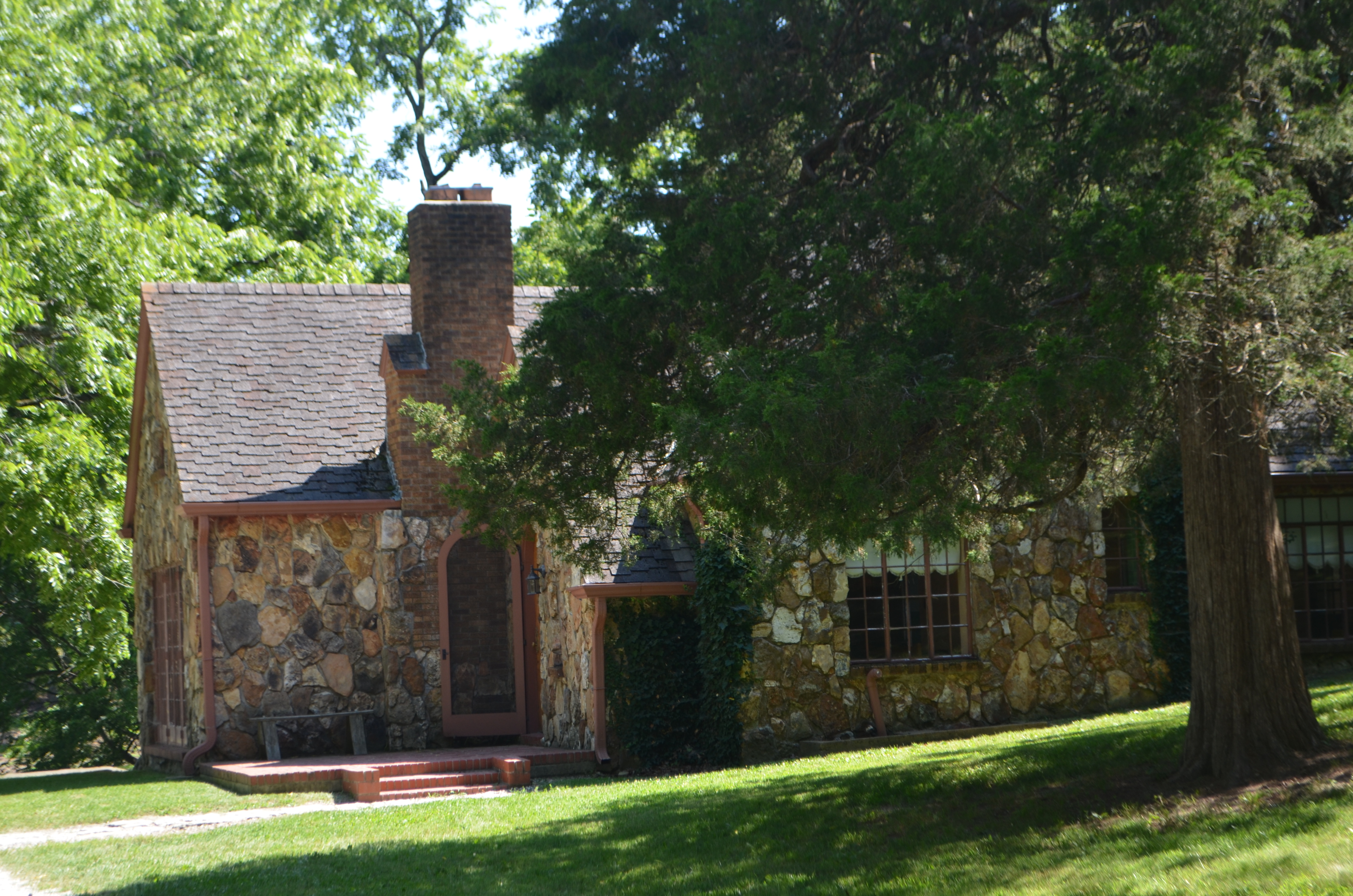
She also told me that she was fascinated by a room that was kept locked upstairs.  She would look through the keyhole and see the antique dolls and dress forms with wonderful clothes and trunks piled around.  I know these are the things that my great-aunt wrote about in her book that delighted her as a child.  The roof fell in, the house was deserted, looters came.  Who knows why none of the family came to retrieve those items, some priceless treasures.  The family had scattered by then.  It gave me an answer to what came next in that wonderful home.

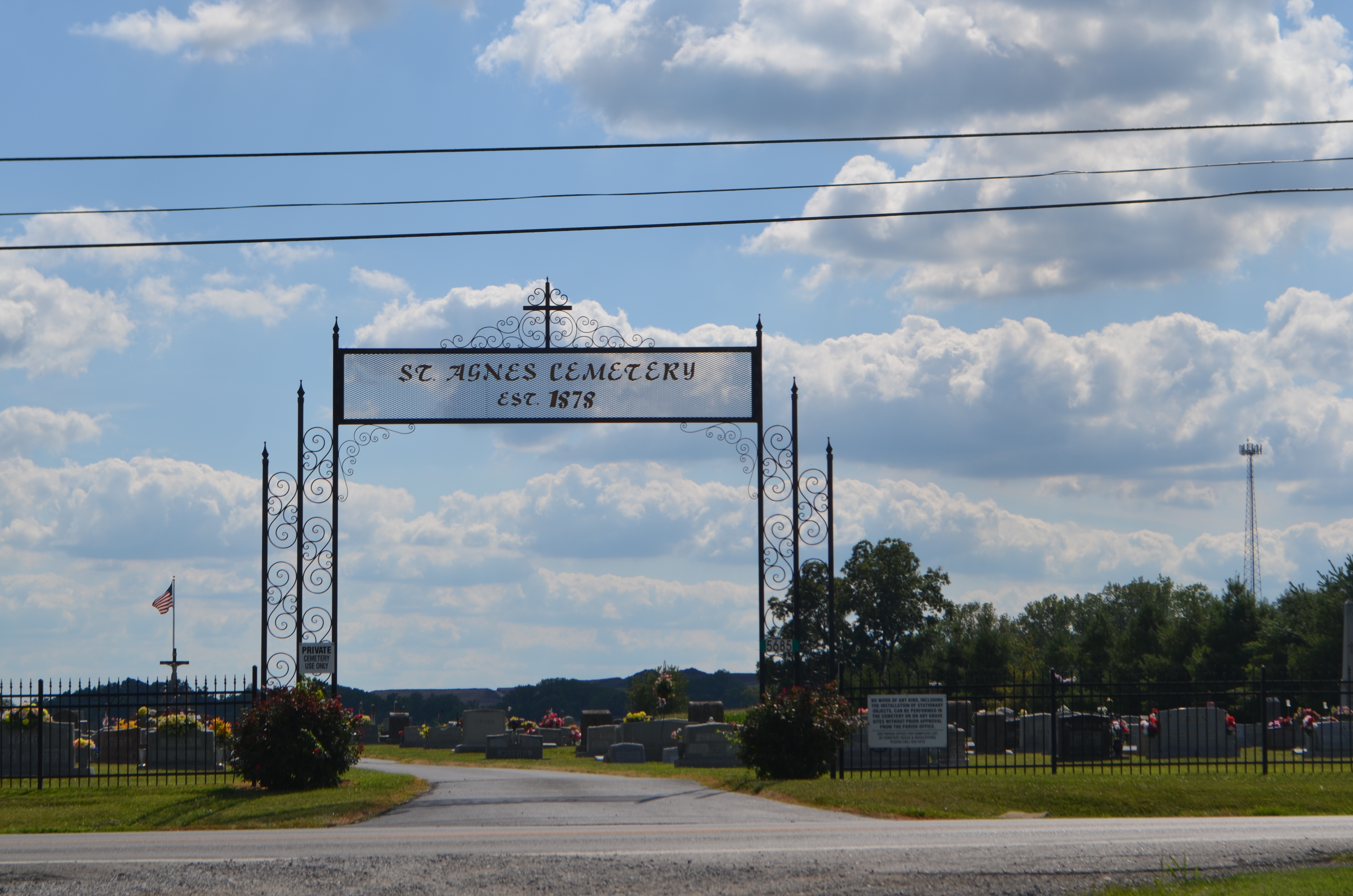
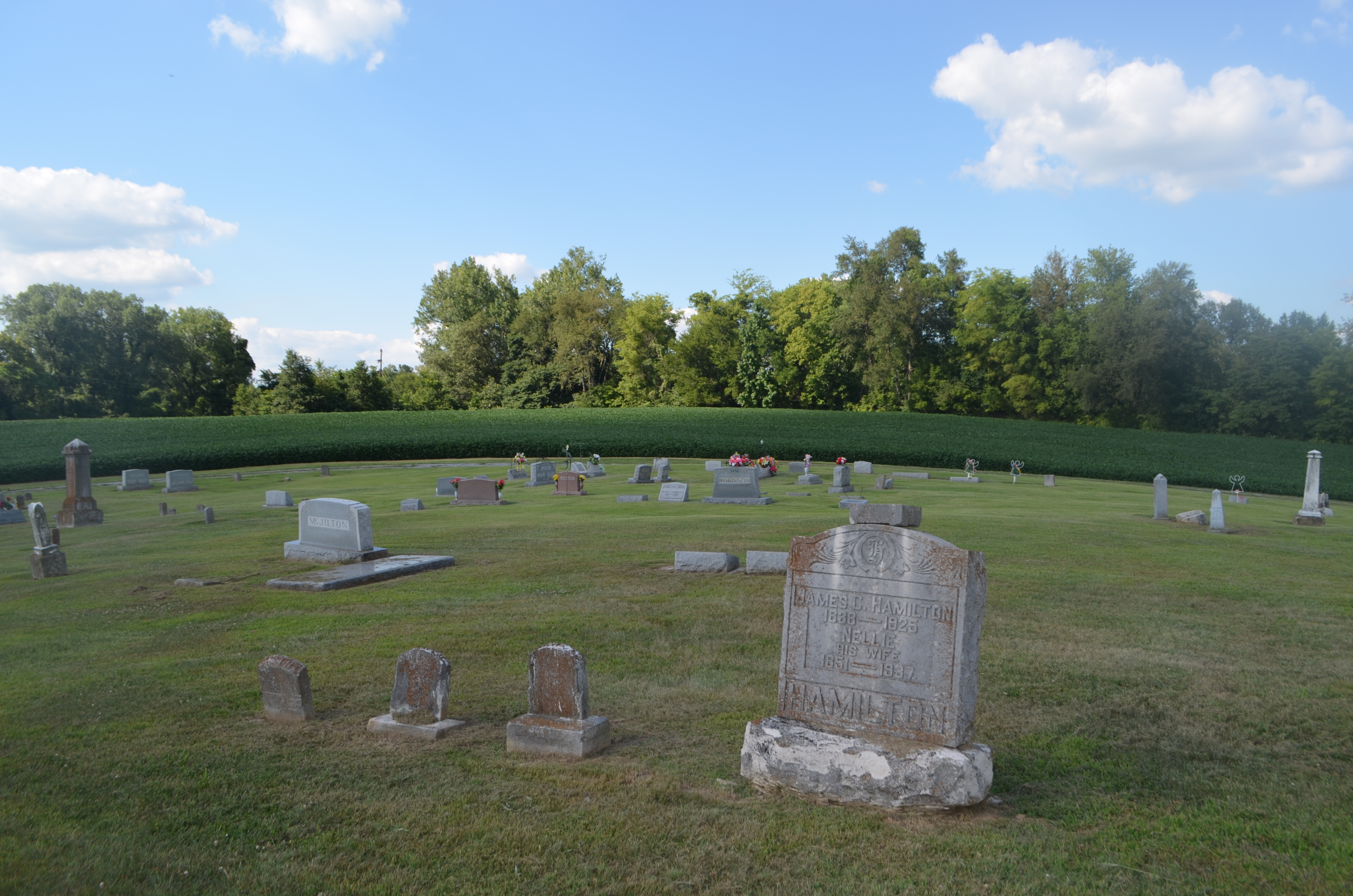
This trip I visited both cemeteries, the Uniontown cemetery where I went last year, and the Catholic cemetery, looking for my grandmother’s family.  The Catholic cemetery had lots of Spaldings, but none that matched the names I knew.   Many of the headstones were worn bare.  I also think my great-grandmother may have been buried in the potter’s field, so I paid my tributes there in the clear area by a pond at the back of the cemetery.DSC_0288The Hamilton sites were as I left them, although the cemetery was surrounded by corn last year and soybeans this year.DSC_0299There has been so much new information for me to think about this year, so much more to learn about life on the river and how my family was shaped through the centuries.  My greatest regret is that I didn’t ask my grandparents and parents to tell me stories of both sides of my family, because now I want to know and find myself searching for more clues.

We don’t tell our stories enough because we don’t realize the importance sometimes.  I think my childhood was pretty ordinary until I look back and place it in the times.  Maybe this is why so many authors tell their stories when they are older.  When we’re young, we’re busy looking to the future.  When there is less future time left, we turn back to put the past in perspective.

This is so much to take in and I share these stories for my children and grandchildren, my siblings, nephews, cousins, and all those to come.  More Uniontown stories to come…

My DVR was crashing, so I called the cable company.  The first thing they did was thank me for being a customer for 39 years!  That was so shocking that I had to stop for a minute.  We’ve had cable for 39 years?!  Wow!

When I got the new DVR box, I brought it home and got it hooked up all by myself, but ran into a problem programming the remote.  It took a phone call with a lovely customer service rep and a service call from a cute young technician, who fixed it in about 10 seconds.  In the meantime, HORRORS, I had to get up and go over the television and physically adjust the sound.  Talk about a flashback!

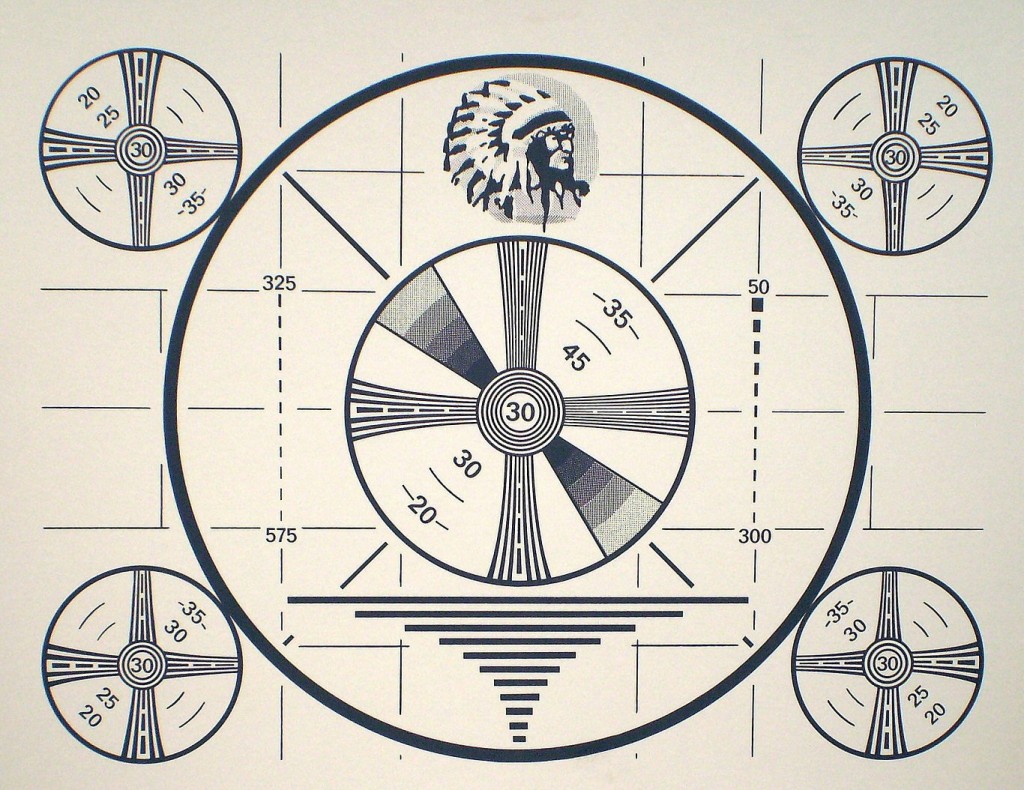
My family got our first television when I was in grade school, way back in the early 1950s.  We had rabbit ears and there were only about three channels and whoever was sitting closest to it had to reach over and change the channels, adjust the volume, adjust the picture (which was often full of lines with a fuzzy picture) or the antenna.  Programming started with the 6:00 news and ended with the 10:00 news, with a test pattern on the screen in between.  We often sat watching the test pattern, waiting for the shows to come on.1950s-Indian-head-TV-test-pattern-1024x790This technology was actually pretty slow compared to today’s standard of new technology every few months.   The only change in our house was a newer antenna and a larger screen, soon in a fancy console, and finally color television.  I was about to turn 30 years old, married with four children, before cable came – 39 years ago, like the cable rep said.  The biggest things about this were the fact that we didn’t have to have an antenna and we now had up to 36 channels with a cable box with a long cord.  My kids probably hit each other over the head with that box arguing over who had control of it.  I remember having a key to lock off HBO with its possibility of shocking programming.jDOac-1You still had to get up and change the volume and turn the television off and on by hand.  The next great step was a tv with its own remote to do those menial tasks for us.  Now we just had to fight over who got the remote.

Look at us now.  Hundreds of channels and still nothing to watch, fancy remotes that you need a manual to learn to use, and the ease of never leaving your chair to control your program.  Actually, I have three remotes – one for my television/cable, one for Apple TV, and one for my combo VCR-DVD player.  I have to get up and cross the room to change something so each of those will work.  Poor me.

I have no doubt that everything will be very different in a matter of minutes, so I’m going to make sure I can at least operate the remotes I have.  Just shoot me if this is the worst problem I ever have…image

When you knew someone had a crush on someone in grade school, the surest way to make them blush was to chant this at them…

Joe and Sally sittin’ in a tree, 

K. i. s. s. i. n. g.

First comes love,

Then comes marriage,

Then comes Sally with a baby carriage.

How quaint is that?  I remembered this while reading of yet another celebrity getting married after having a child or two with the love of his or her life.  Don’t get me wrong, I’m not being judgmental.  This was just a flashback to another time when there was such a thing as a scandal in town that would set the gossips aflutter.  I’m all about people finding happiness and someone to share their life with, no matter what order they do it in.

There are still gossips and there are still things that make us roll our eyes, but I can speak for most of my friends and say that we’re happy when our children are happy.  I don’t know any one of my friends who has rejected a grandchild because the parents weren’t married or a child is gay or quit speaking to a child for doing something outrageous.  Mostly, we love our children and grandchildren even when we wish they had done something  differently.  We still want to protect them from hurt.

Yes, there are those who judge harshly and publicly and there are those who wag their tongues, but the friends I hold dearest are those who share the good and the bad about our loved ones, laughing at the fact that even now, when we think we’ve seen it all, there are new dramas to face.  We lean on each other…a lot.

The truth is that life is never easy and we don’t know what the next day will bring and we learn to deal with it, no matter how hard it is. There are people in the world who never know a minute of happiness and then there are those who are given a lifetime of happiness, mixed with sorrow and trials and tribulations.  The happiest of marriages have a dip in the road here and there, illnesses strike from nowhere, death interrupts.  There are people who are lonely forever, those who wouldn’t know happiness if they were in the middle of it, and those who seem trapped under a black cloud their entire lives.  There are lives of poverty, lives of illness, lives of fear.

If you find happiness, grab it.  Who knows about tomorrow…OLYMPUS DIGITAL CAMERA


Mark Twain and Laura Ingalls Wilder lived in Missouri.  He was born there, she died there.  They both wrote fiction based on their childhood.  Last week I visited both of their homes and came home with a renewed fascination with these two remarkable people.

I had been to Hannibal 15 years ago with my son.  He was working with an improv comedy group in college and I told him he needed to learn more about one of the greatest stand up comedians, Mark Twain.  We spent an afternoon in Hannibal, listening to Hal Holbrook’s tape on the way back to school, a couple of hours away.

Nothing much had changed at Mark Twain’s boyhood home since I had been there, which is a good thing.  The night we arrived, I sat on a bench at twilight in front of his home and looked down the street at the Mississippi River while I ate huckleberry ice cream.  It seemed like the perfect way to start the visit.  The white picket fence had a bucket with brushes tied to it so you could take your picture while pretending to whitewash the famous fence.  Last time I visited, the fence had extended further, but they’ve built a lovely garden on what was an empty lot.

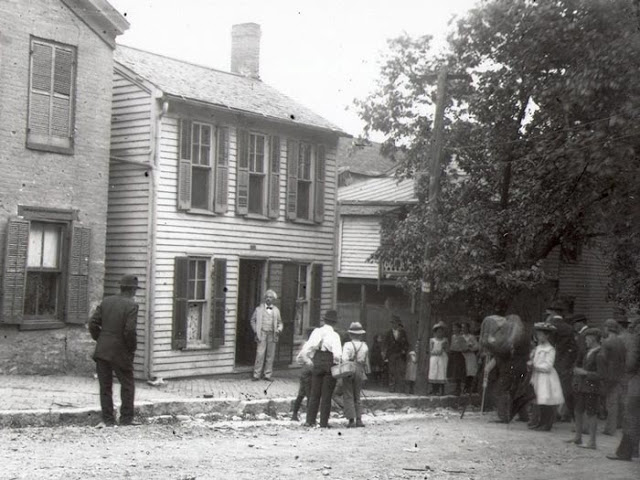
DSC_0075The house is well preserved.  I saw pictures around town of Mark Twain standing in front of the house on his last visit to Hannibal in 1902.  He’d come a long way from his days as young Sam Clemens.  My favorite picture was of the photographers and reporters taking pictures of him as he visited, while young boys and townspeople looked on.  He was a rock star in his time.mt hannibal visit boyhood home I had strolled up and down the streets and the river, taking it all in once again.  The mighty Mississippi that I first learned about through his books spread out before me.  The hill where Tom and Huck played to my left, the building where young Clemens first worked for a printer in front of me, his father’s courtroom beside me.

In the morning, I took the tour of the house again, picking out the window he climbed out, as described in Tom Sawyer.  Before you go through the house, there is a nice interpretive center that gives a timeline of his life and gives the background on what in his books is taken from his life, which people he used for the characters.

We visited the other museum downtown with its nice interactive area that would appeal to children and its collection of first editions and copies of Twain’s books in many languages.  My favorite is the collection of the Norman Rockwell paintings that were the illustrations for one of the reprints of Tom Sawyer and Huckleberry Finn.  What a match of two great artists with their sense of humor and small town living.  I only wish they also had some of the originals of another Missouri artist who illustrated the books at another time, Thomas Hart Benton.IMG_4969

This trip, I took the riverboat cruise to get the feel of being on the Mississippi.  It’s a strong, wide body of water and there is a peace about floating along its waters.  I must admit that I was thinking of kids on rafts being in the middle of this current.  I shook my head at the dangers.  Later, I captured a photo of this little town on the river from Lovers Leap bluff with the riverboat coming in and a train rolling by. I could live easily with the sound of the boats and the trains.  DSC_0133Before I left town, I looked up the street towards the statue of Tom and Huck, the first statue dedicated to fictional characters in the United States, and the hill where Sam Clemens played.  Even with the hardships his family endured, his childhood was idyllic in his memory.  I took a graduate level class on Twain in college, but my travels through the places he wrote about, Hannibal, Virginia City, San Francisco, and more, bring him to life just as he brought those places to life for all those who delight in his writing.DSC_0144

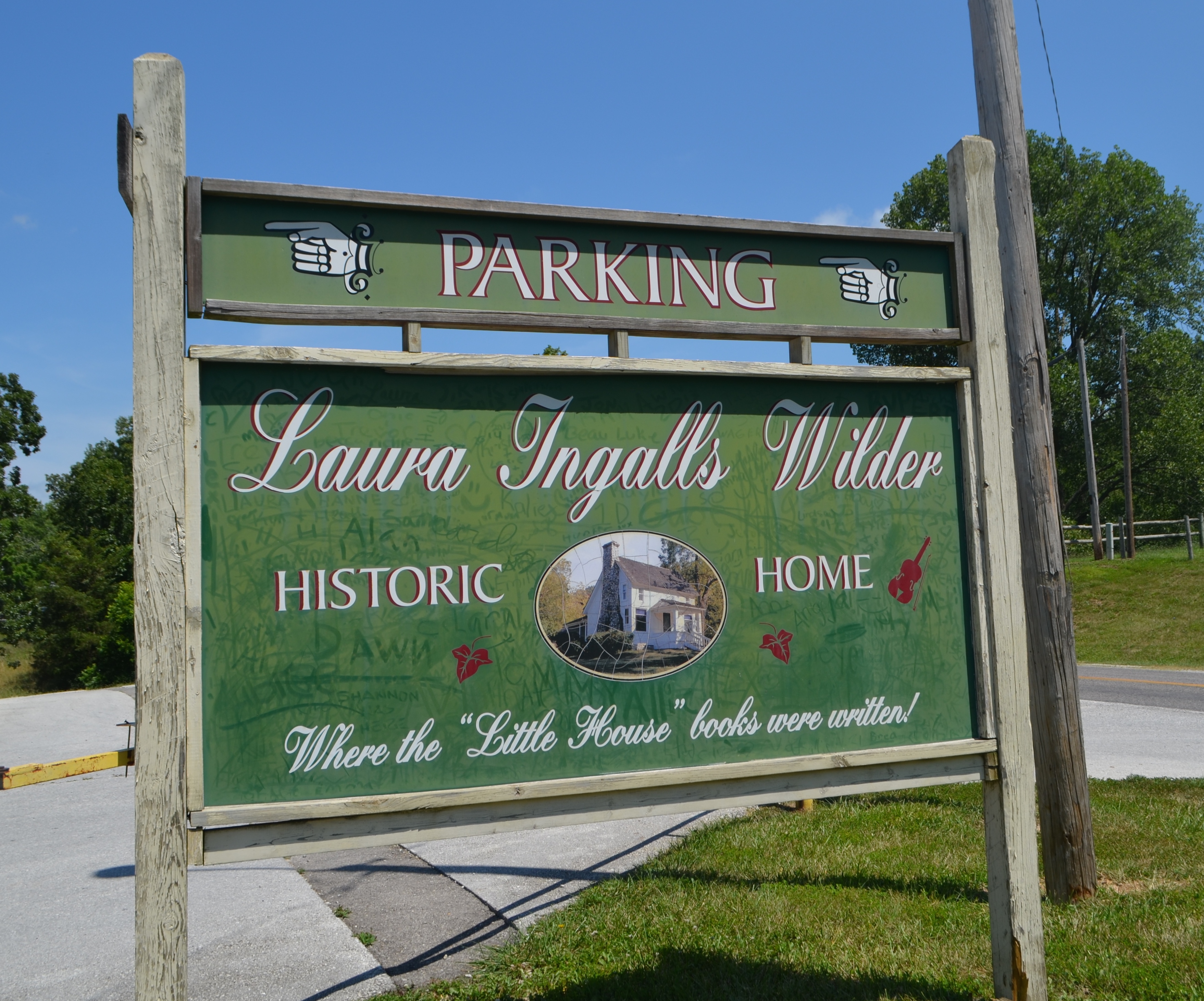
On my way home from this trip to Missouri and Kentucky, I found that we would pass by Mansfield, MO, where the Laura Ingalls Wilder home and museum are located.  I came to her books later in life when my oldest daughter was reading them.  I picked one up, read the whole series and searched for more.  I found a biography of what her real life was like, much harsher than the books in childhood.  Mansfield is where she and her husband, Almanzo, her precious Manley as she called him, and her remarkable daughter, Rose, settled.  Once again, the museum was a delight, filled with so many actual items from their lives along with a timeline of both Laura and Rose’s lives.  DSC_0344The family that got out of the van next to our car in the parking lot looked like they had stepped out of Laura’s time, but they were Amish, a family paying tribute.  Other little girls scampered around the grounds, wearing sunbonnets and long dresses, playing Laura from the books and television series.DSC_0346I was reminded that Laura didn’t start writing the books until she was 65, when the stock market crash had wiped Laura and Almanzo out of their investments in their retirement.  Then she wrote one about every two years, writing into her 80s.  Once again, the museum helped sort out fact from the written memoirs, bringing new dimensions to the stories.  And I gained new knowledge and appreciation for the accomplishments of the remarkable Rose Wilder Lane, Laura and Almanzo’s only surviving child, herself a renowned author, journalist, and political activist.

Our guide through the farm house and the little rock house that Rose built for her parents was a delight, an older woman who had actually known Laura and brought so much life to the tours.  She was all that I love about small towns and Missourians with her openness, friendliness and sense of humor.  I love the fact that Almanzo built the entire farmhouse in stages, using materials from the farm, taking 18 years to complete it.  I love that the counters and cabinets in the kitchen were designed for his small wife, who was only 4’11”.  He was only 5’4″, so everything was to scale.  No wonder she was nicknamed “Half Pint” by her Pa.  He built much of the furniture, including chairs that were low to the ground.  I felt I knew Laura after seeing her favorite collections of china and the things she treasured around her, including her beloved library.  I love the fact that she only got a refrigerator a year before she died.  We take such things for granted.  It’s typical that Rose bought the refrigerator, always wanting to bring her parents into the modern world. DSC_0348The little rock house that was a Christmas gift from Rose to her parents was built from a Sears & Roebuck plan using rocks from the property, supervised by Almanzo.  This is the house where Laura actually wrote her first four books in the Little House series, marching up the hill to the farmhouse to discuss them with Rose, who helped with editing and shaping these stories for publication.  DSC_0353I would love to have listened to these two strong willed women argue over the drafts of the books, each fighting for one change or another. And Almanzo, walking with his cane since his stroke early in their marriage, walked down the rock stairs to the field below to milk the goats and carry the milk to the other end of the field to store in the spring house.  I also love that Rose bought them a car in 1923 and they loved it, using it to take trips to California and Minnesota and nearby Springfield whenever they felt like getting out.  Almanzo and Laura were the true story of how our country grew.  Unknown

I hadn’t planned to visit both places when I left home, but they made nice bookends to the trip.  Two of my favorites when I read their works and even more beloved now that I can see them in their homes and know so much more about them as real people who looked back on their childhoods, discarded the worst memories and transformed the best into stories that continue to inspire readers of all ages today, teaching us about the strength of human nature, the joy in relationships, and the humor in mankind.  Classics in every sense of the word.

I hope I never outgrow the joy of discovering new things, new people, new experiences.  I find myself, in my, hmmm, late 60s (GADS!) rediscovering things I remember from past years.  I’m sure my perspective is different now that I’ve got more years behind me than before me and I’m not distracted by taking care of kids or working all the time.  I’m more relaxed and more open to all there is out there.

Last weekend, I took my youngest grandchild, not quite 5, on a short road trip to the Oklahoma City Zoo and then on to the Sam Noble Museum of Natural History on the campus of the University of Oklahoma in Norman.  I’ve taken my other grandchildren, but it’s been a few years, so it was refreshing for me to revisit these places again.  Watching a child, you have to wonder what goes on in their heads…

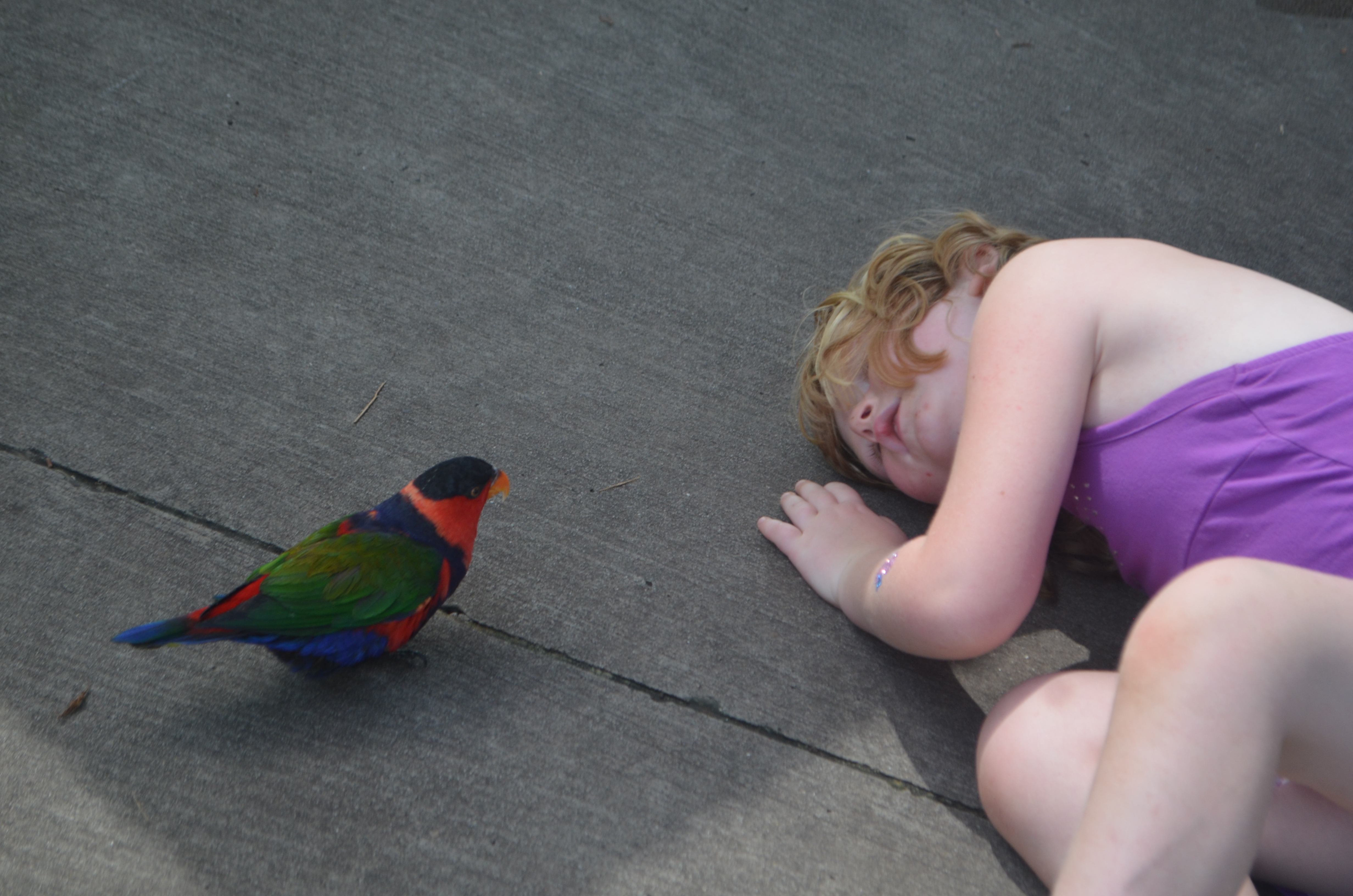
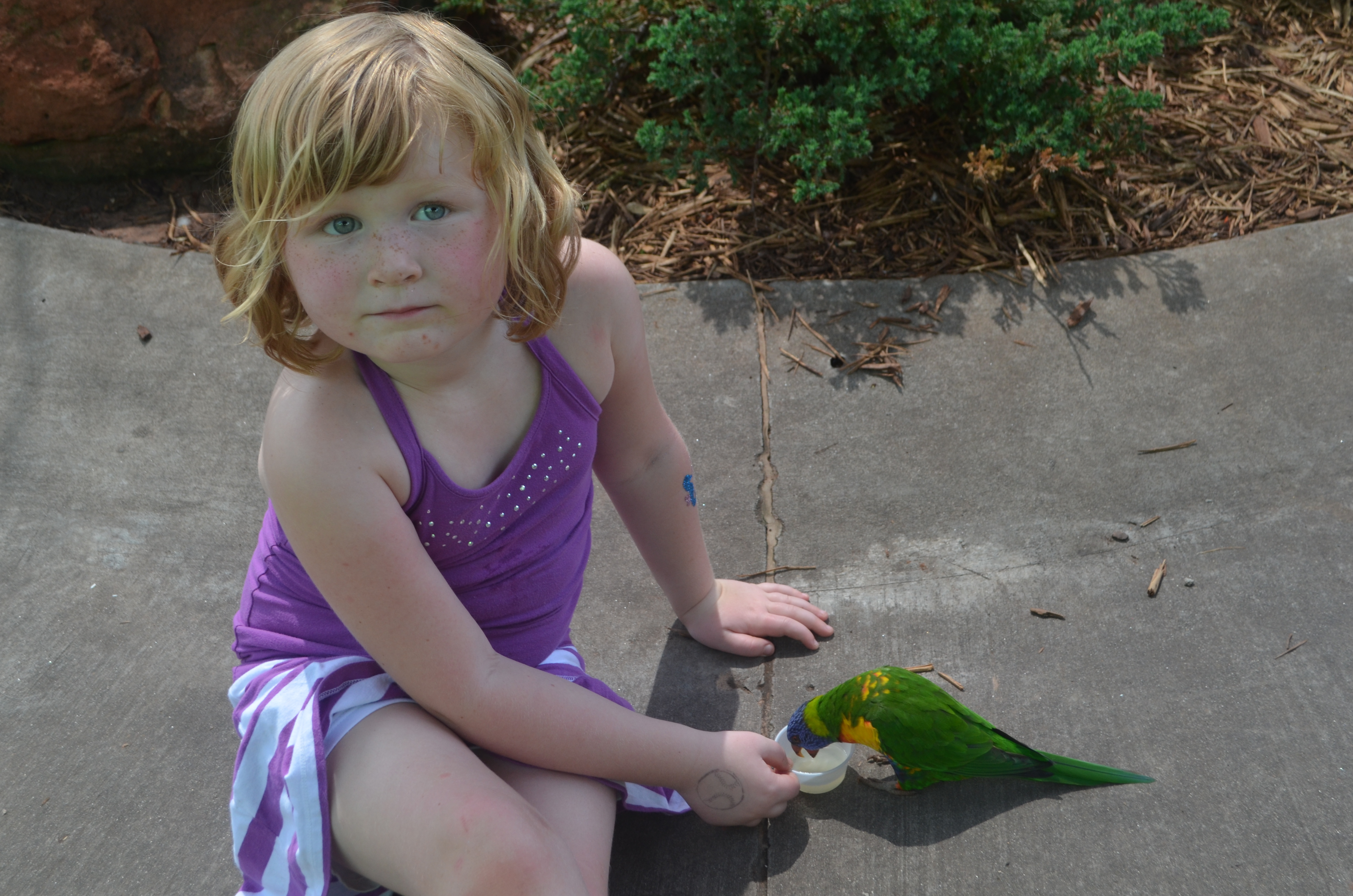
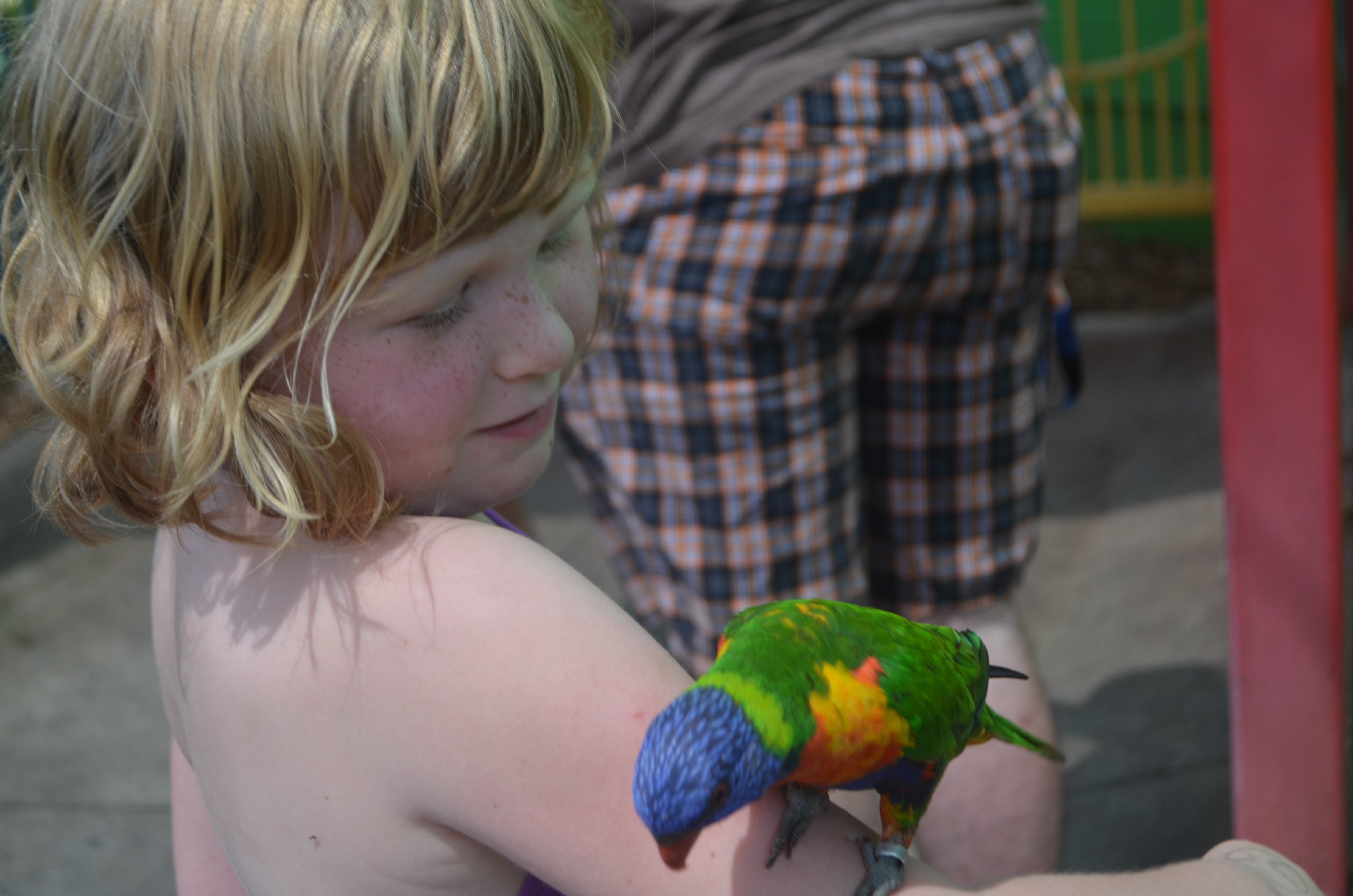
Seeing a wild bird, a lorakeet here, up close, and feeding it…DSC_0068 DSC_0071feeling it sit on your arm…DSC_0076watching a rhino baby nurse…DSC_0087or looking into the eyes of an orangutan…DSC_0112Is the concept of dinosaurs more real when you stand next to one?DSC_0150And doesn’t a strawberry milkshake help the brain process all the new experiences?DSC_0166I’m always looking for new places to go and old ones to revisit.  And then I come home and wonder at all I’ve seen in my life.  Lovely.

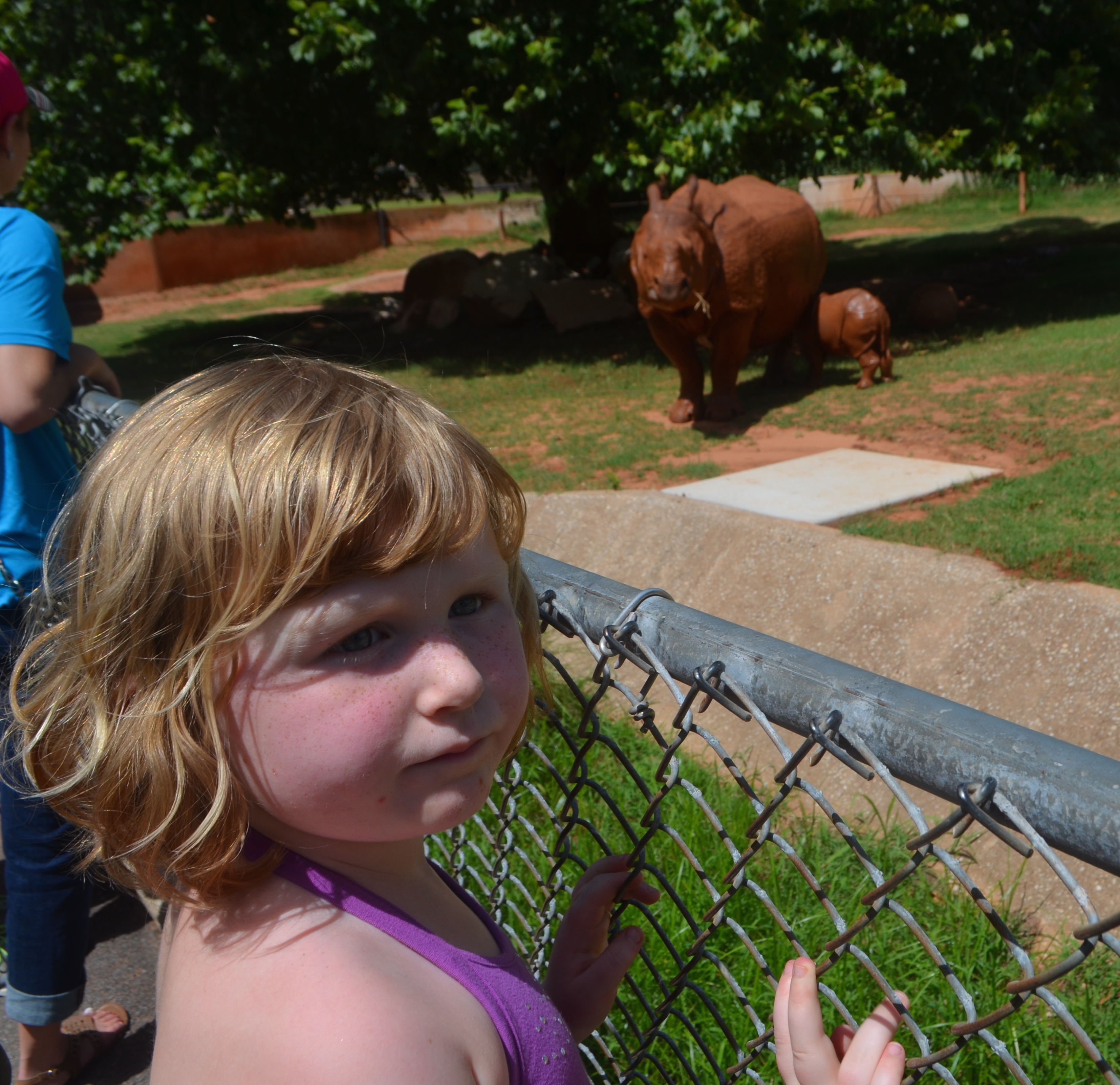
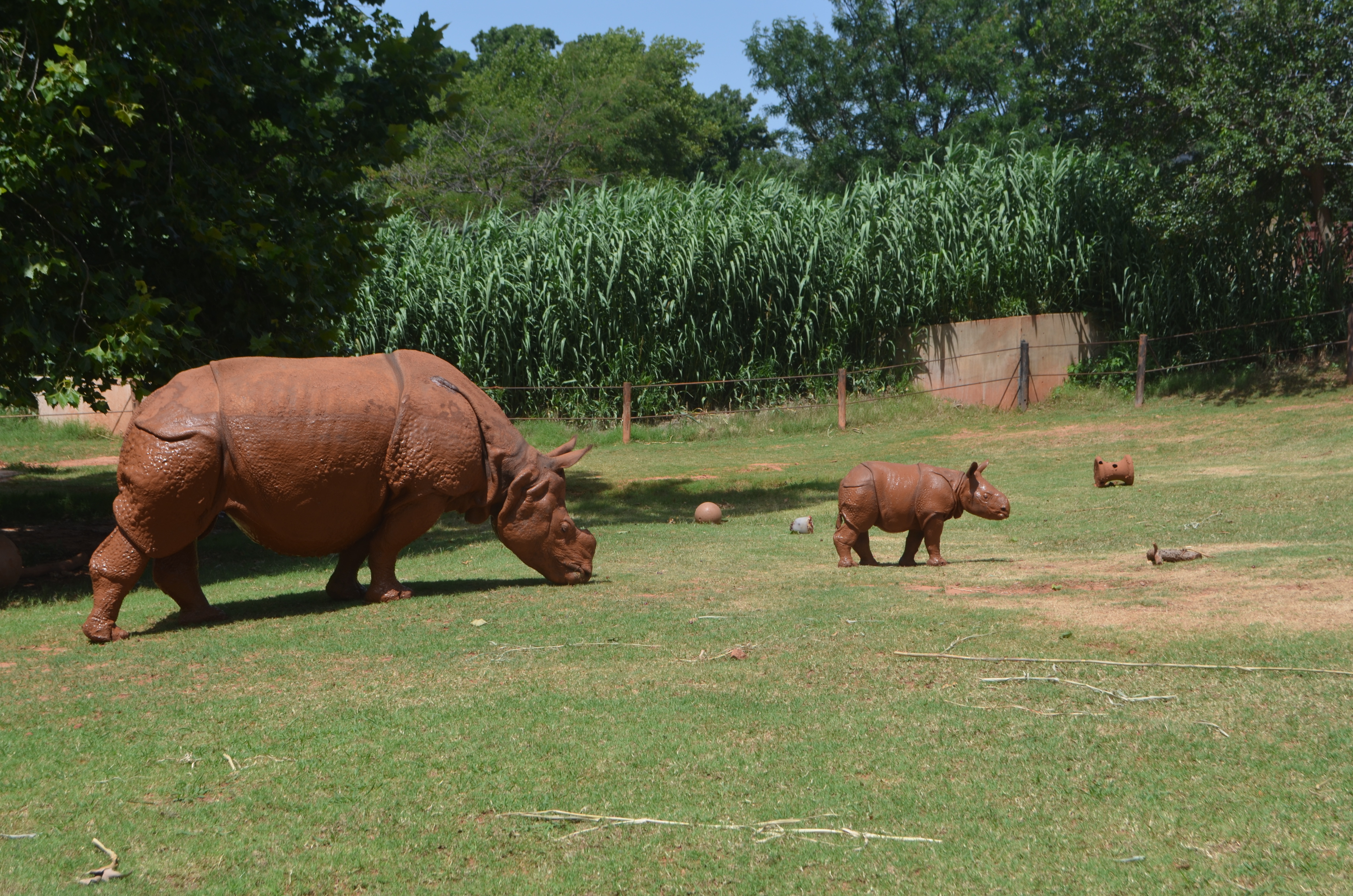
My 4 year old granddaughter and I went to the Oklahoma City Zoo last weekend for a little road trip.  I love zoos and watching human families as much as the animals, so it’s fun to have another round at going with a little one.  Our special treat was to see the 3 week old Indian rhinoceros baby.DSC_0093It reached 100 degrees that day, but, like all mommas, this one had made sure her little one was covered in sun screen or mud.DSC_0084He was still nursing, so he didn’t get far from Momma Rhino.  Bless her heart.  She didn’t look too happy at the crowd watching, but that had to be the least of it since she’d carried him for 450 days and he’d been 120 pounds at birth.  He’s still her baby.  And, what a cutie he is…DSC_0094One of the gorillas had a new baby, too.  A little older than the rhino baby, but she was leaning over it very protectively when we got to the window.  She watched the crowd then laid down beside him, watching her precious child sleep, as we’ve all done.  DSC_0100One of the best part of learning at the zoo is getting to experience such tender moments with the animals.  They love their babies and protect them just as we do.  We learn that we’re all here on this planet with the same goals as parents…give them birth, watch over them, give them tools to survive, and then let them go into the dangerous world out there.

Love the Mommas.  And the Daddys.  Of all species.

When I was a girl, we played jacks all the time.  It was great because you could play it alone or with friends and we were all good at it and we must have played for hours at a time.  If you have forgotten or don’t know what the game of jacks is, here’s a picture…a999c612de30bea465280ea595439046I hadn’t thought about jacks in years and, when I did, I texted my daughters to make sure I had taught them how to play.  One responded that she remembered it, but didn’t play much.  I was feeling like a failure as a mother at that point, but vowed to teach my granddaughters, even though one is probably too old to get into it at this point.

Finding a set took a little while since we don’t have dime stores around any more.  The sets I remembered as a child had the red rubber ball seen in the photo, but we preferred a golf ball, which we always had around the house.  I finally found a set in town, but it only had eight jacks and I remembered more and had a tiny, hard rubber ball.  We tended to play with double sets as we got better and were looking for more challenges.  The set had good sturdy jacks, not the light ones they started making way back.  You have to start with good jacks – I remember that.  And, I had a golf ball I could use.

We played several games…regular jacks, pigs in the pen (which I loved), cherries in the basket, round the world, and whatever game kids could invent.

Last night, I took my eight jacks and a golf ball and sat down on my sidewalk to see if I could still play.  It took a few times for my memory to kick in, but it was all coming back.  I had to adjust for the fact my fingernails are longer and were scratching the pavement, but somehow I figured out how to stop that.  Actually, the hardest thing…don’t laugh…was that the ball tended to bounce away and this old lady doesn’t get up as fast as she used to.  I don’t remember that being part of the game.  When you’re little, your back doesn’t hurt and you bounce up and down with ease.  Sigh.

Anyway, it was coming back to me more quickly than I thought.  I need to practice, but I can still do it.

When I was trying to find jacks, which you can get online, I saw an article on how good the game is, how it teaches children dexterity.  I am sure that my parents never read an article on the benefits of the game and that we wouldn’t have thought much about it.  For gosh sakes, of course it was good for us.  It’s fun!  photo


Over the Fourth of July, I was watching some of my grandchildren, ages 4 to 15,interact with each other and other kids around.  I have a friend who believes that kids make up games and rules that are always fair.  He believes it’s instinctive for them to be fair when left alone by adults.  I remember this from my childhood and watched these modern day kids who are poster children for organized sports and activities.

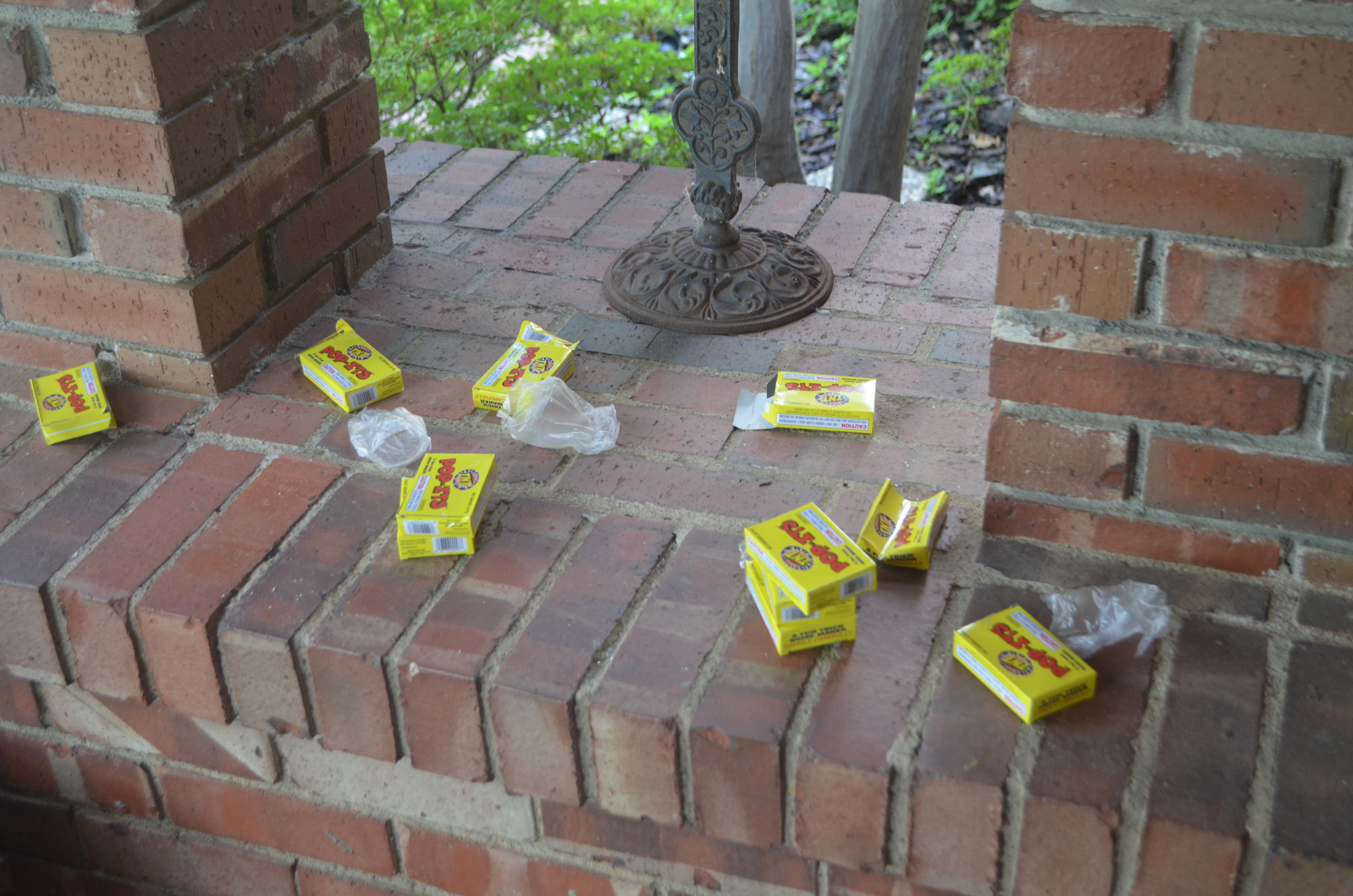
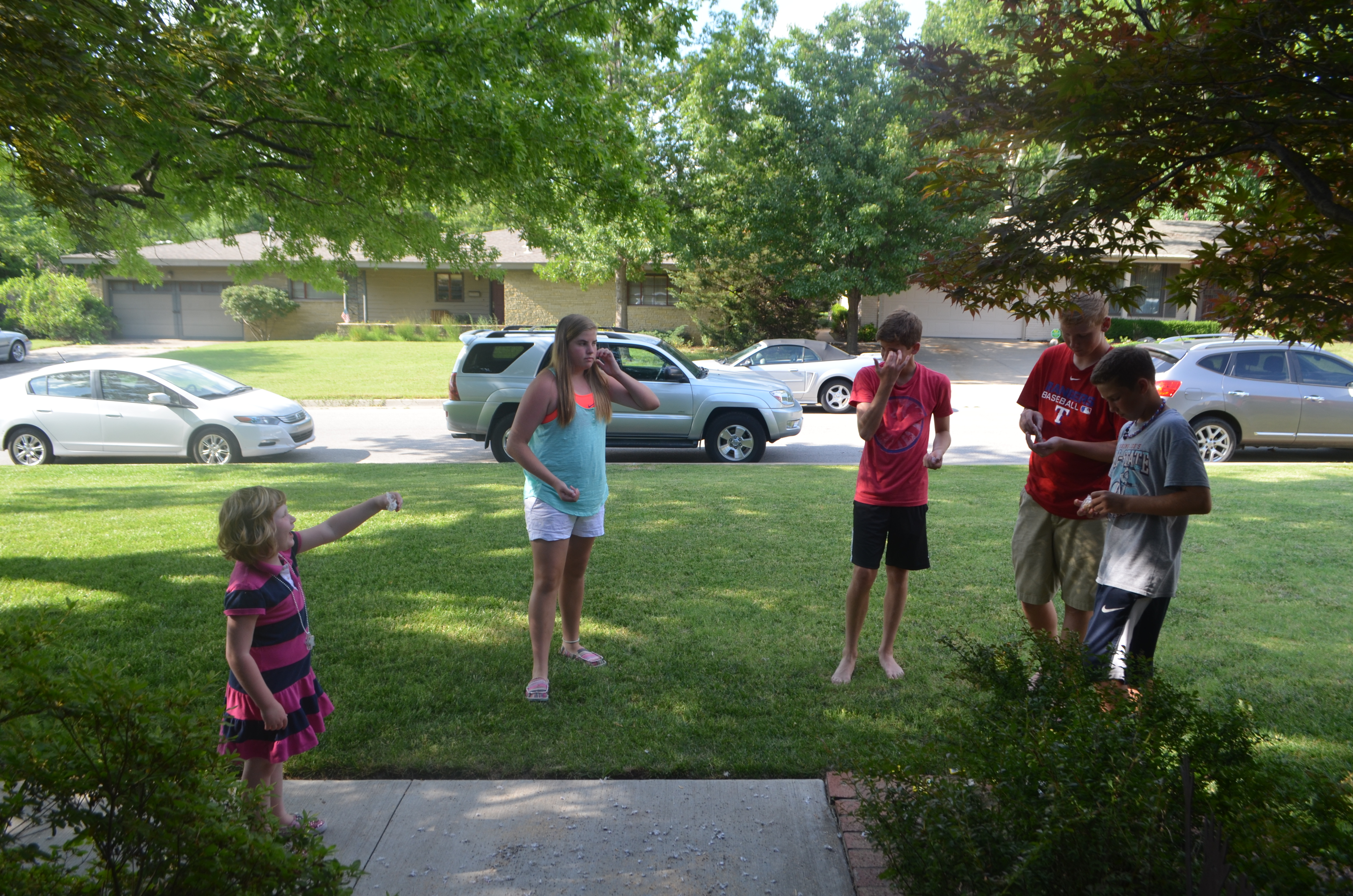
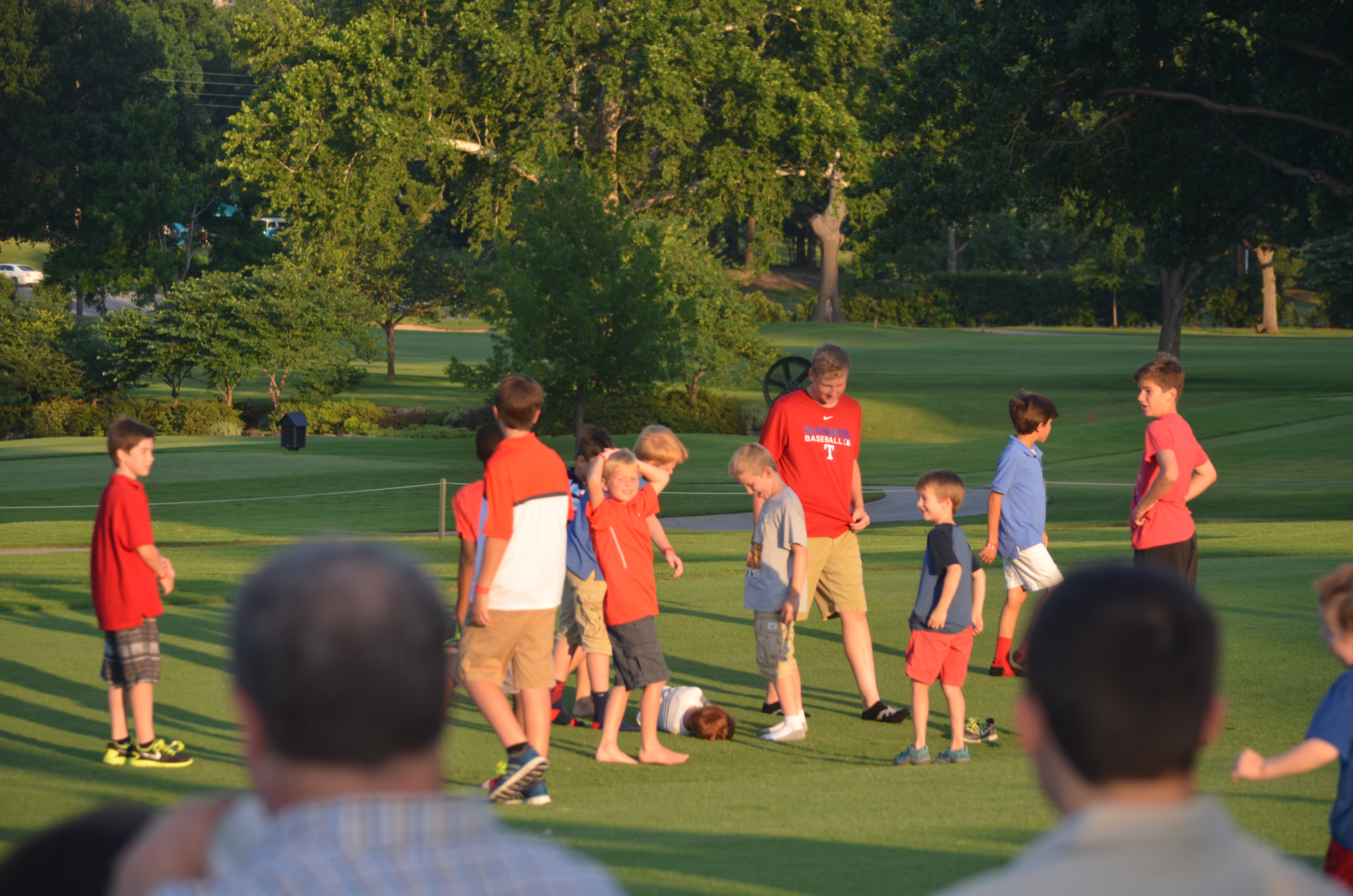
Guess what?  They still like to play.  First, at the swimming pool, the 14 and 15 year old made up dunking games, where they dunked each other, basketball games played with a small ball, a large beach ball, whatever they could find.  DSC_0409Then there were games on the slide with the ball, games off the diving board, and games with a sister/cousin and her friend.  They never stopped moving.DSC_0400DSC_0420DSC_0413Everything was discussed for a few minutes and then they played.  And played, moving from one part of the pool to the other with a new idea.  The next day, we added a 12 year old and a four year old cousin to the mix.  This changed it up a bit while they learned the new rules.DSC_0013DSC_0023There was no complaining about being bored, no arguments, no tears or whining.  Later, we met for dinner and I brought Pop-Its or Bang Pops, about 50 boxes of them.  They found more ways to pop them than I could imagine.  Very creative popping going on…DSC_0006DSC_0007And we ended the day with hundreds of kids waiting for the fireworks display.  Impromptu games of soccer and frisbee broke out with boys and girls of all ages playing their own version, mindful of the difference in ages and sizes, but all playing.  They didn’t ask names or wait to be introduced, they just threw a ball out there and it began.  They must have played for an hour or two without anybody stopping before they came back to the blankets at dark.  DSC_0020When I watch kids, all kids, playing like this, free of adults to hover over them or tell them what they are supposed to be doing, it gives me great hope.  If kids can figure out how to get along, shouldn’t we all be able to?  If kids can play together, shouldn’t we be able to live together, even with our differences?  Our children have wonderful imaginations when left to use them.  I’m hoping they use those imaginations plus the happy memories they have to build an even better world.

As their grandmother, all I know is that they are just so much fun to watch!