Archives for category: History

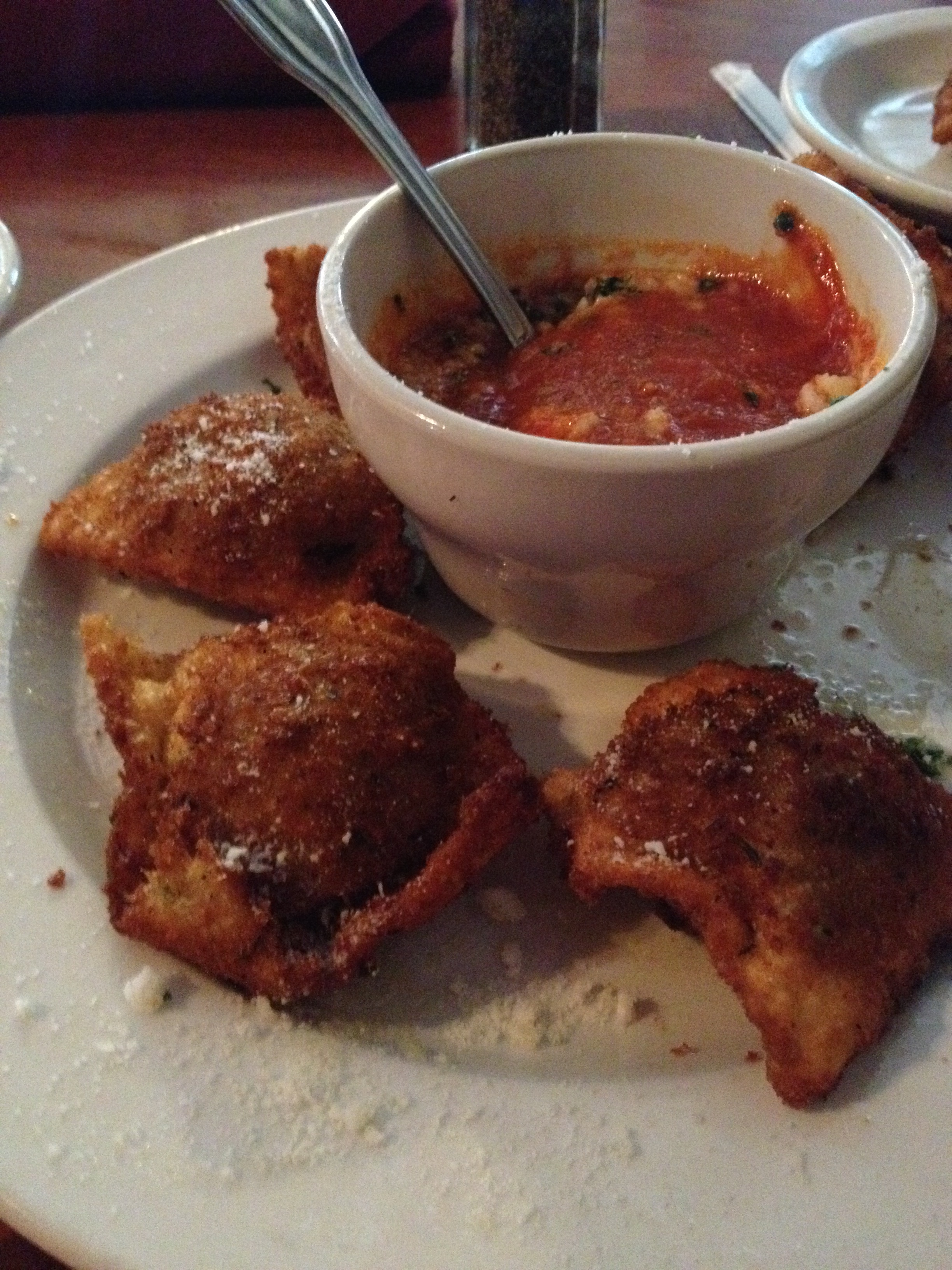
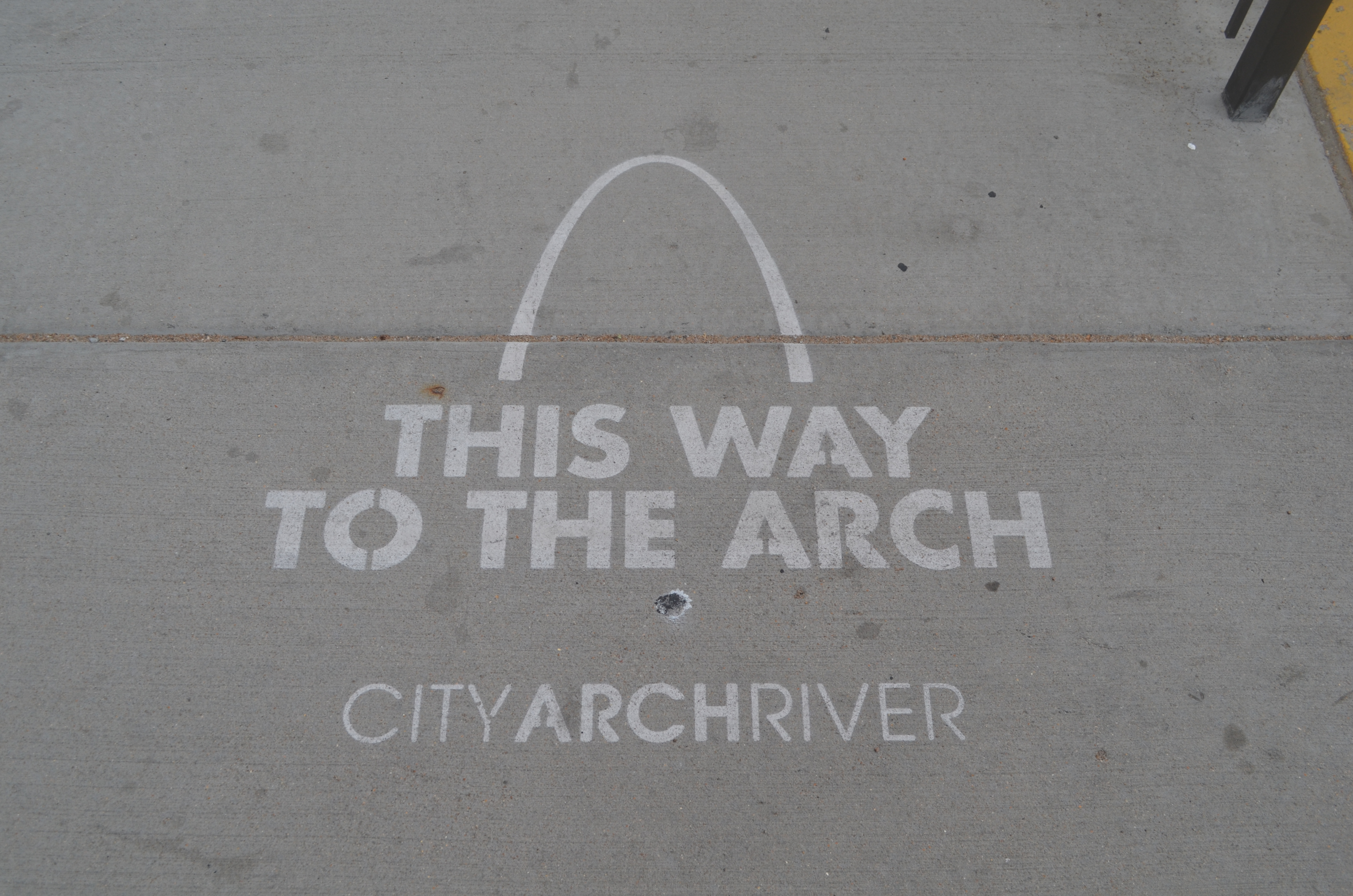
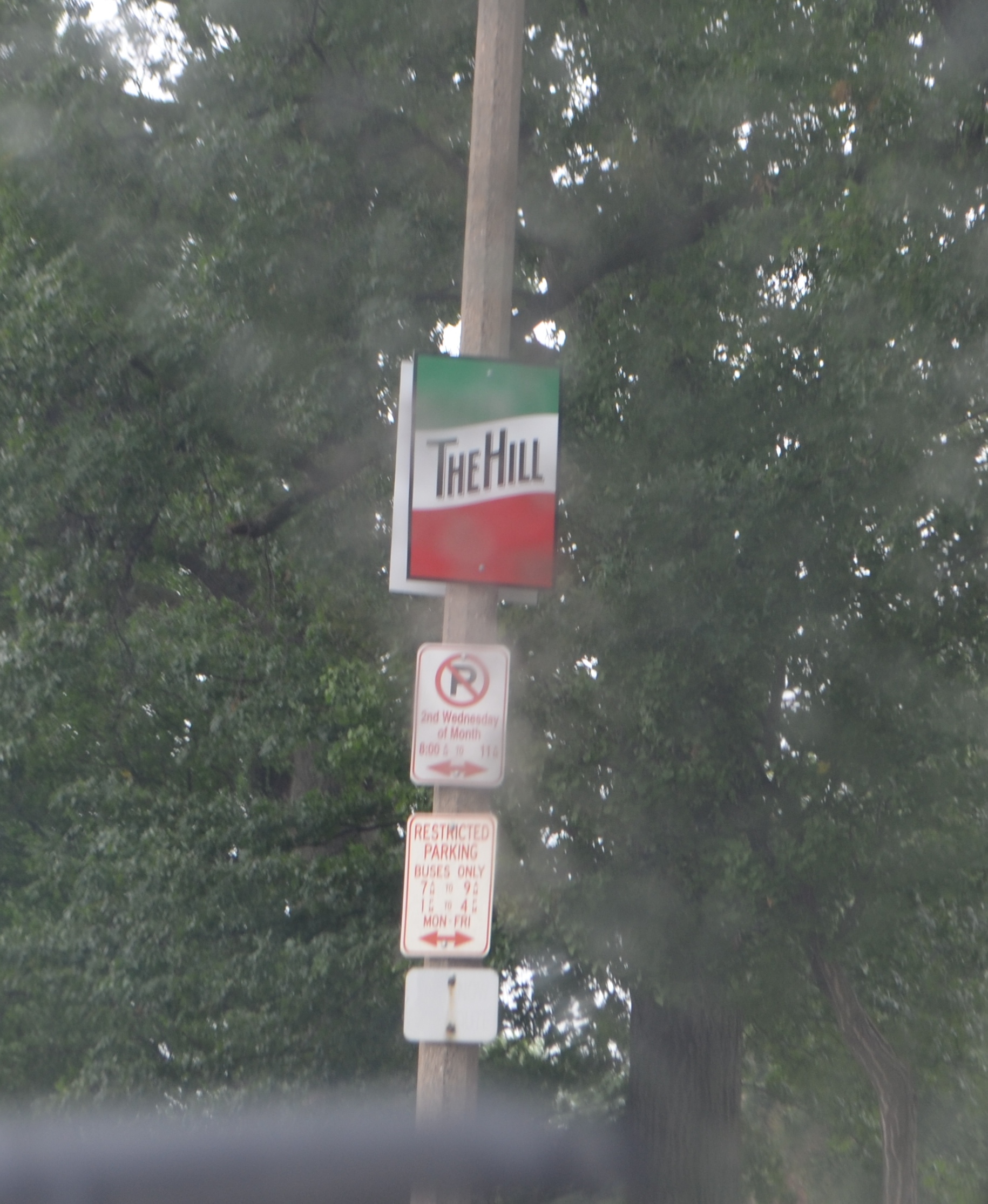
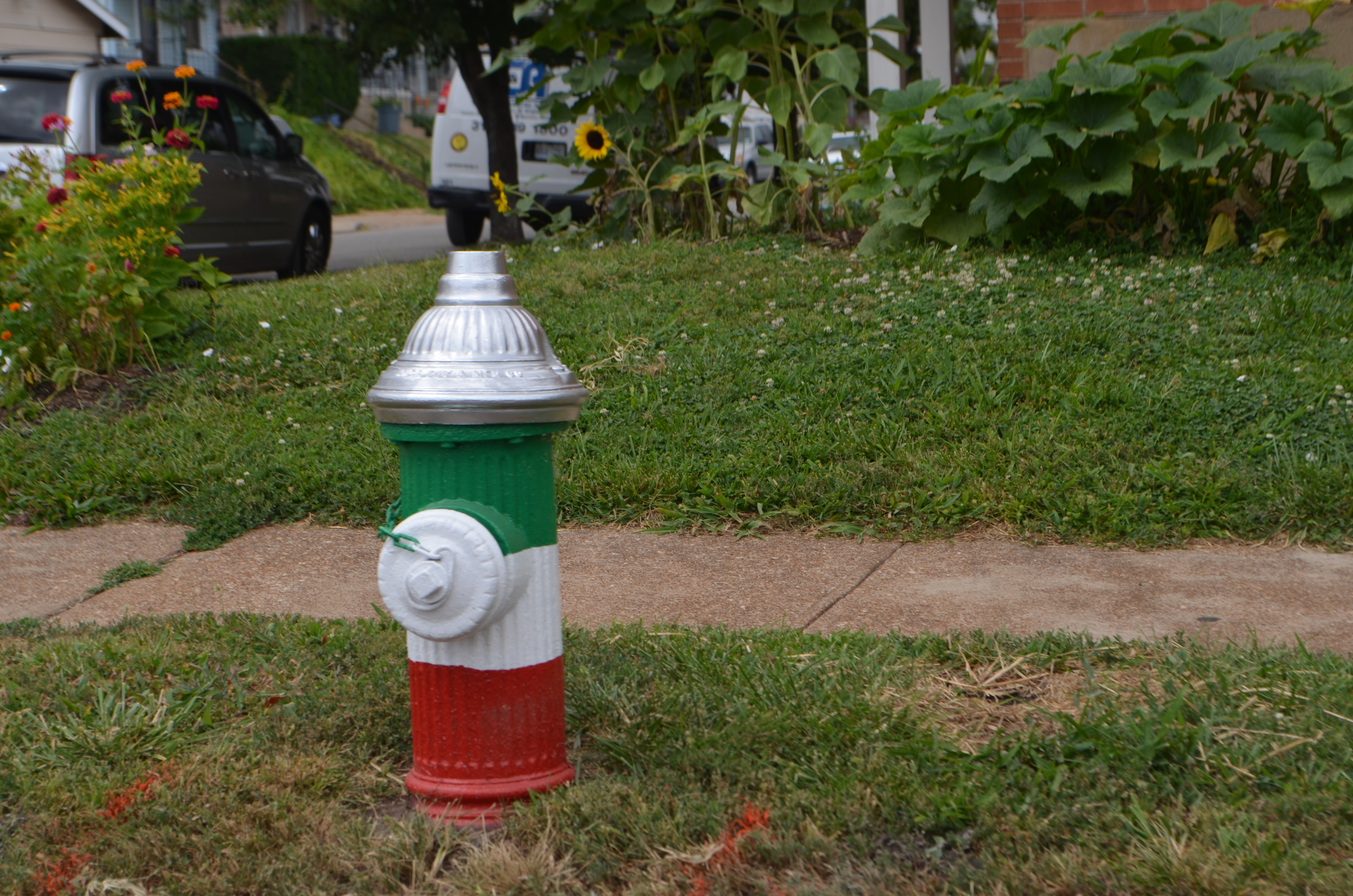
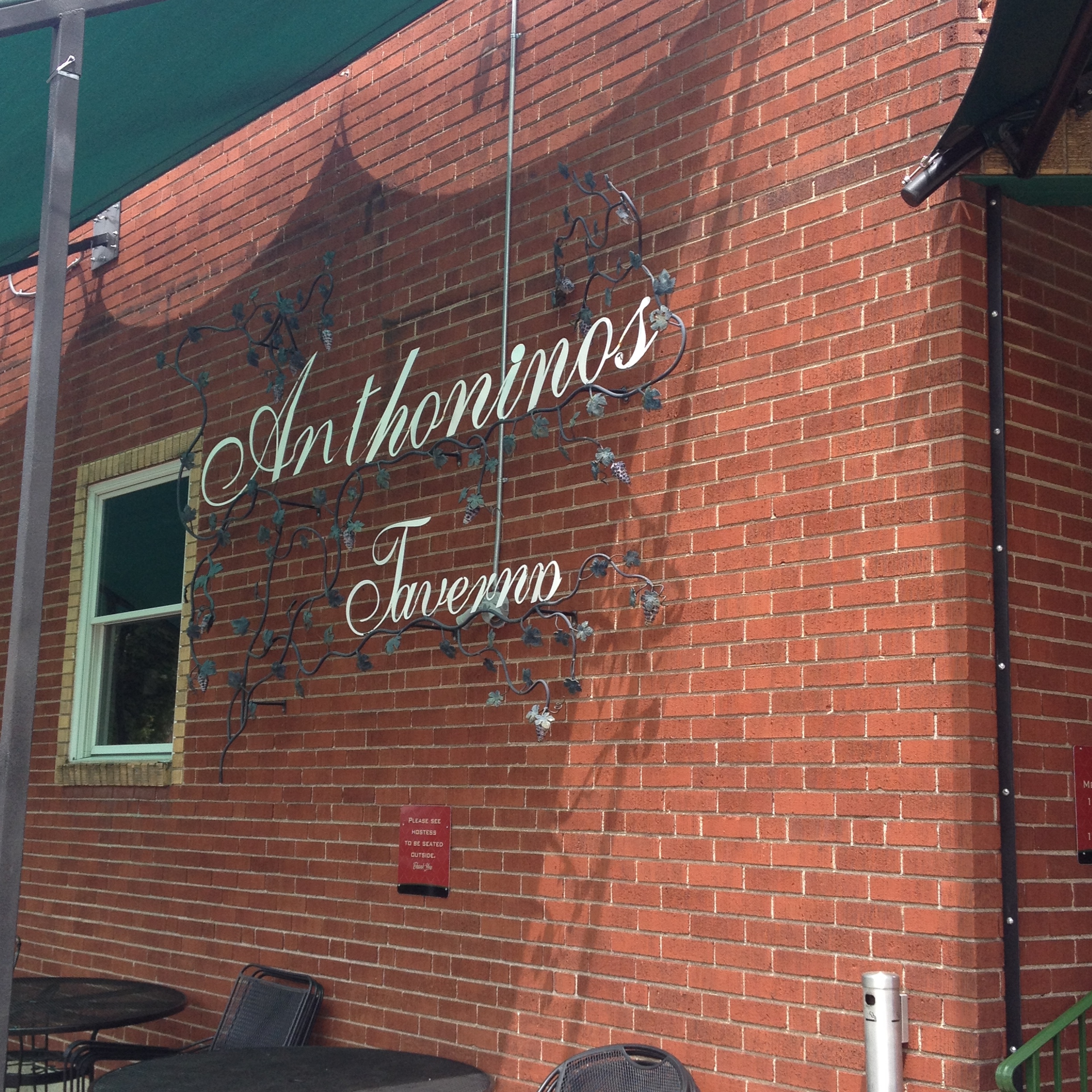
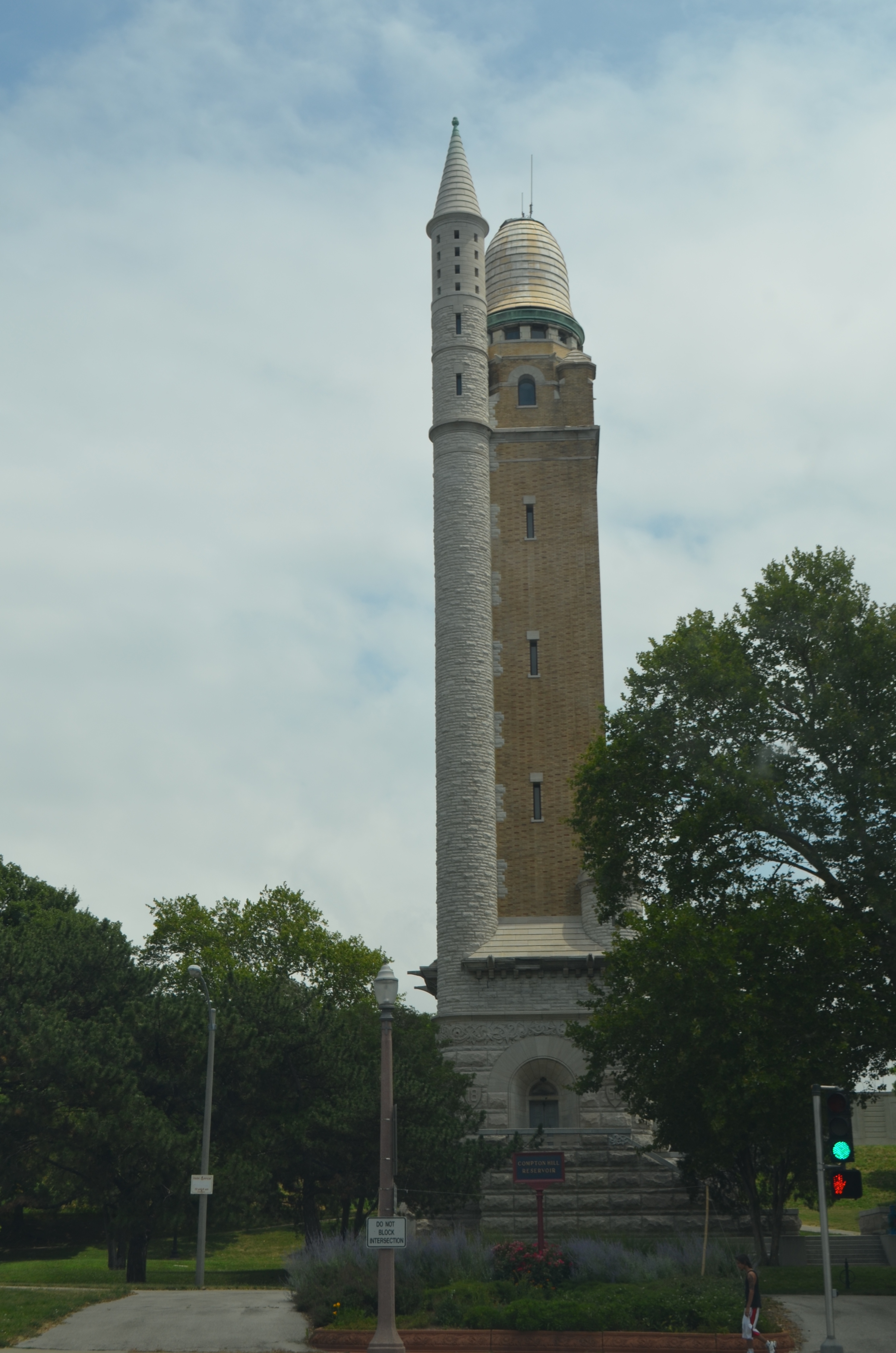
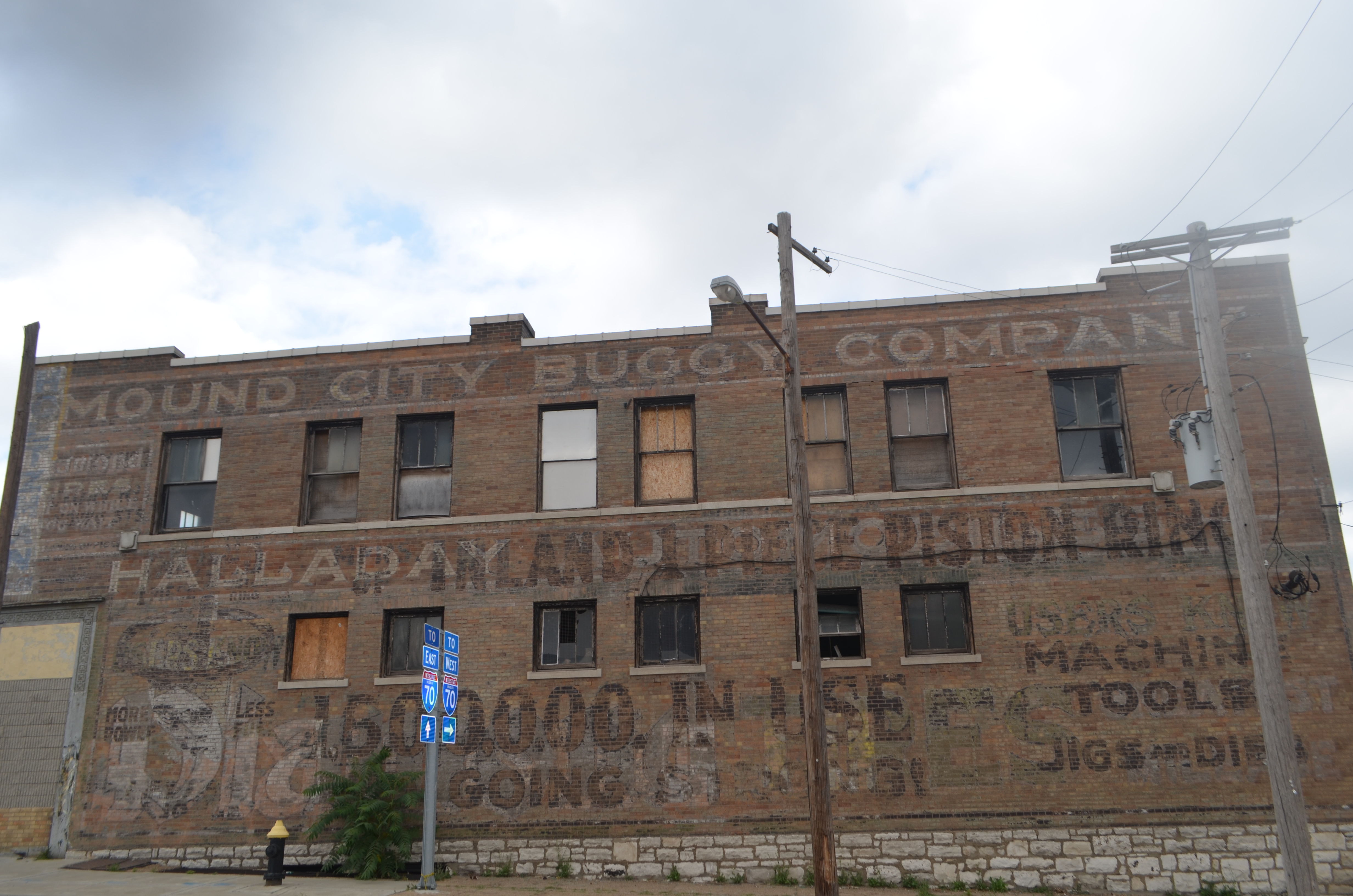
It’s hard for me to believe that I’d never spent much time in St. Louis since I’ve been by, through or around it many times, so I stopped for a quick day there, studying up on the history and geography of the city as I traveled.  First, you have to see the Arch, gateway to the West.  What a great structure, simple and pure in its message.  I’m so glad it’s surrounded by a park and all the museum, gift shop, ticketing, etc is located underground.   DSC_0220You approach the arch and look out to the Mississippi River.DSC_0192Entering the pods to go to the top of the arch is like being in a sci-fi movie…DSC_0199…but the view from the top is 30 miles in each direction.DSC_0205The arch is glorious in all lights and weather.DSC_0190The history of St. Louis is intertwined with the expansion of our country west with the Mississippi River an important part.DSC_0223From the old LaClere’s Landing, the neighborhoods expand westward, each a piece in the map of history.  The Hill had been recommended to us as a “must go to” place for Italian food.  This area developed around the Italian immigrants who mined the hills.DSC_0231  Today it is a wonderful neighborhood of extreme pride and an Italian restaurant on just about every block, sometimes on every corner of an intersection.  DSC_0234I tried to find out which ones were the best and they all got great reviews.  We settled on this one for a lunch of toasted ravioli, a local favorite.IMG_4978IMG_4979Yummy!  We left the neighborhood with its Bocce ClubDSC_0232and drove around the city with all its diversity.  There are the French homes around Lafayette SquareDSC_0240and brick homes around the city that matched my image of St. Louis from before I arrived.  Downtown is the wonderful old train station, now a hotel…DSC_0227and the beautiful areas around the University of St. Louis where this old standpipe at the Compton Hill Reservoir rose above us as we drove.DSC_0238Driving around, there were so many signs of the city that tell some of its story, like this one from the days when it was sometimes referred to as Mound City for the many ancient Native American mounds in the area,DSC_0260or this old bath house.  We know there were at least six of them.DSC_0253Or this Farmer’s Market sign.  That’s an OLD business…DSC_0274I can’t leave out the food and drink that are St. Louis traditions, starting with the beers…DSC_0263with the gargoyles on the building across from the iconic Anheiser Busch structures.DSC_0273 DSC_0272There are Ted Drewe’s famous custard shoppes with frozen custard called the “concrete” because you can turn it upside down and your spoon won’t fall out…DSC_0268and ooey gooey butter cakes.  This one was ranked #1 in St. Louis for the past six years.  I attest to its deliciousness.DSC_0270
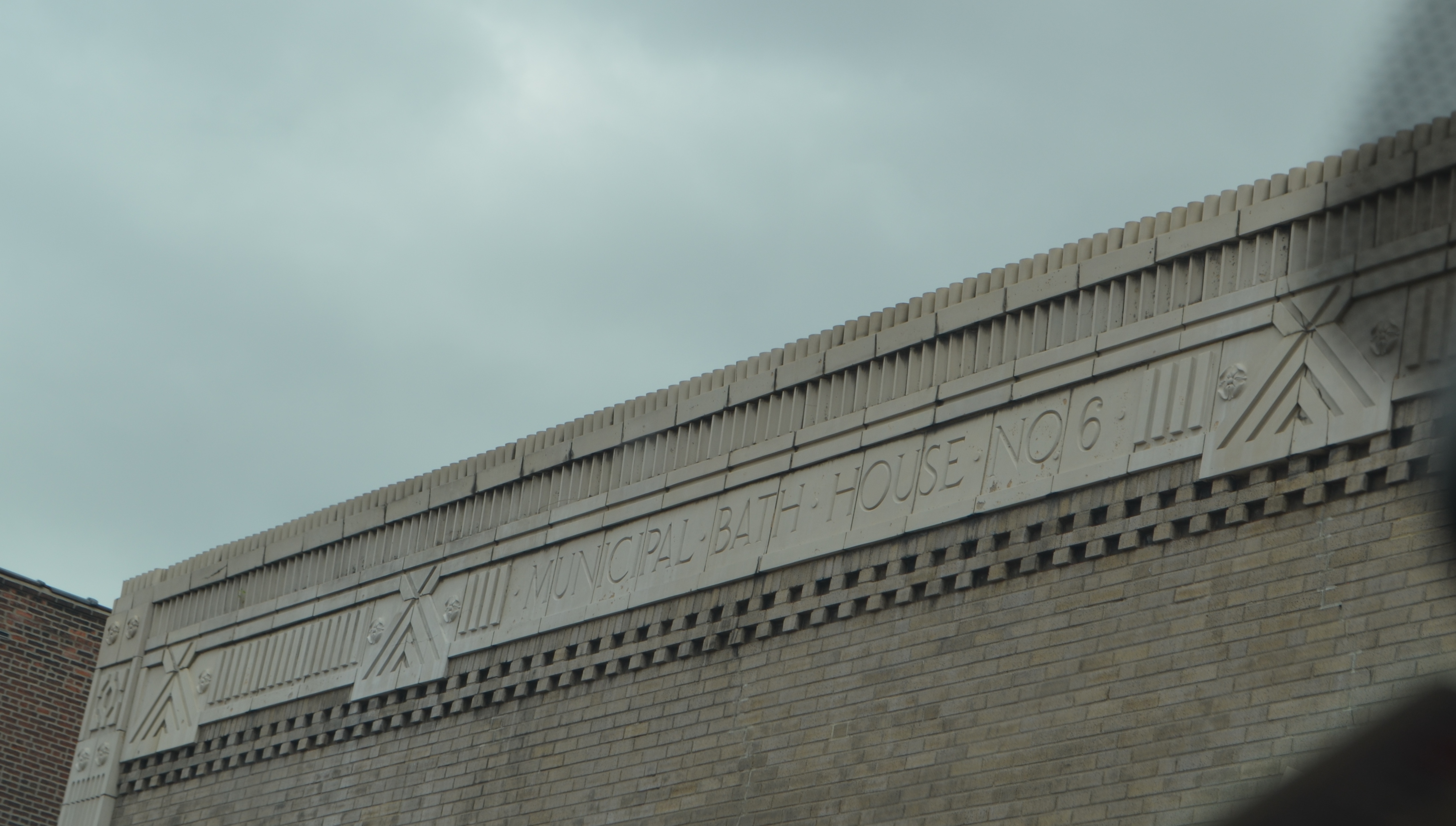
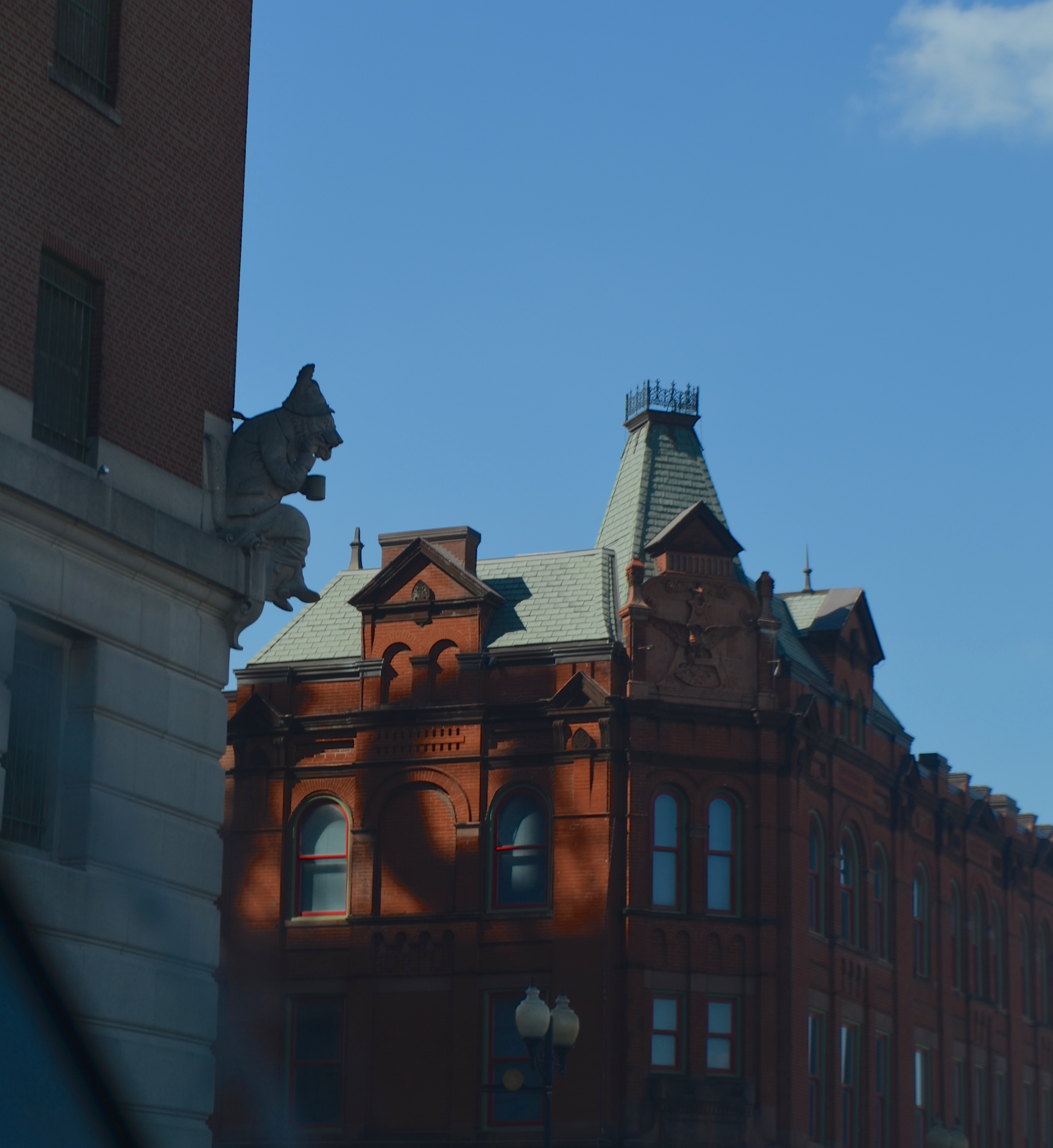
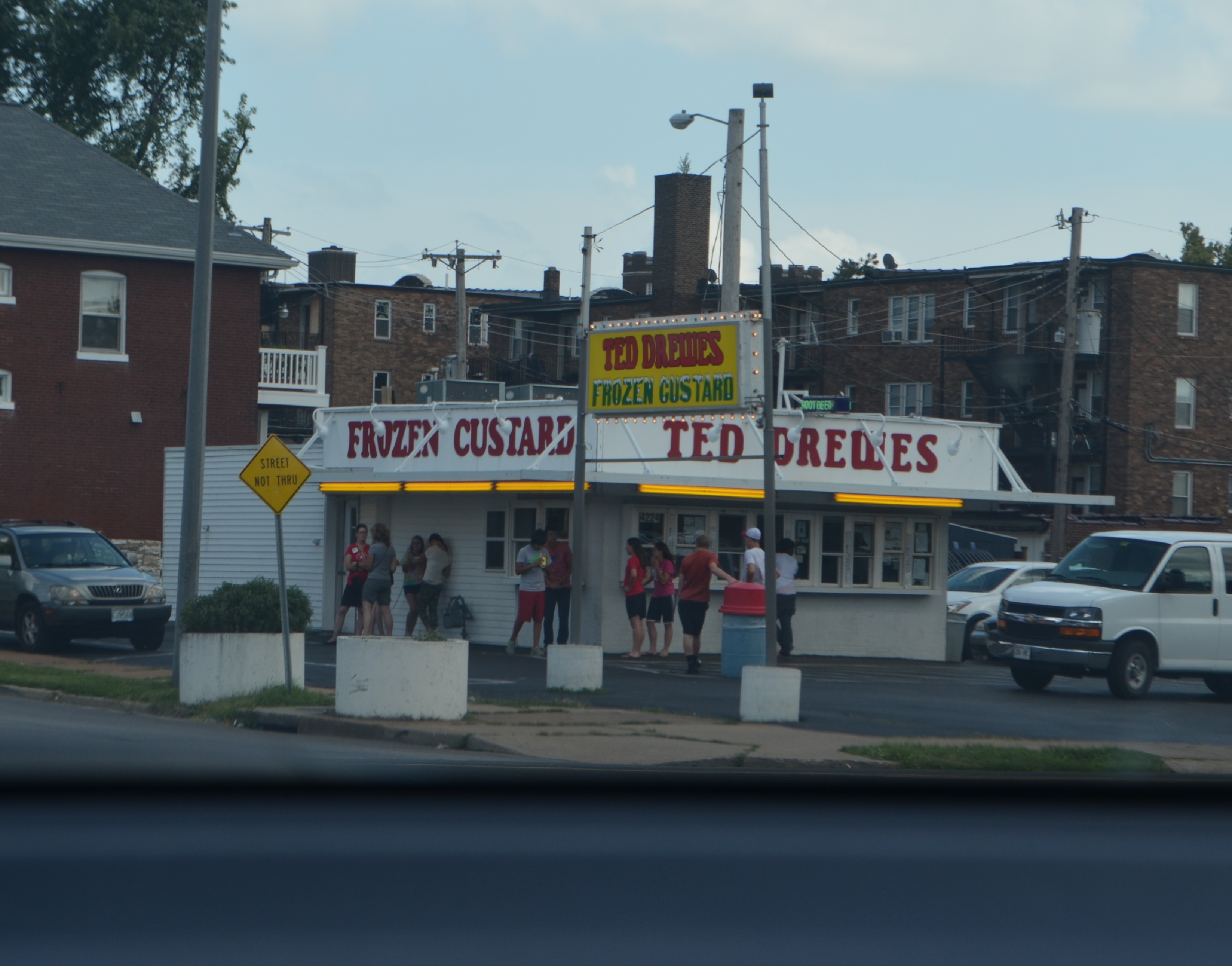
Crown Candy is famous for its Heart Stopping BLT along with its candies.  I went in but didn’t eat anything.  An old soda shop that brings lines every day.DSC_0247We ate some St. Louis BarBQue in the old industrial area.  Their most popular item was Snoots (pig snouts).  While I stood there, every call was for snoots.  They’re kind of like pork rinds, crispy.  I figured I HAD to try them.  How bad could they be if everyone was ordering them? They were good.  IMG_4974I passed this bottle sign every day, situated at a busy place near Rams stadium.  I liked everything about it.DSC_0258We ended our day with a baseball game, watching the St. Louis Cardinals.  I’d grown up listening to the games on the radio.  The new stadium is great, easy to get around, the crowd friendly and relaxed.  IMG_4981From the stadium, you can see the Arch, a few blocks away, always framing the city.DSC_0282St Louis is celebrating its 250th birthday this year.  Decorated birthday cakes are in front of businesses around town in support of this momentous occasion.  There is so much more to see and do in St. Louis, but I’m happy I got to enjoy the birthday party.  It’s an intriguing, entertaining city.DSC_0250

Mark Twain and Laura Ingalls Wilder lived in Missouri.  He was born there, she died there.  They both wrote fiction based on their childhood.  Last week I visited both of their homes and came home with a renewed fascination with these two remarkable people.

I had been to Hannibal 15 years ago with my son.  He was working with an improv comedy group in college and I told him he needed to learn more about one of the greatest stand up comedians, Mark Twain.  We spent an afternoon in Hannibal, listening to Hal Holbrook’s tape on the way back to school, a couple of hours away.

Nothing much had changed at Mark Twain’s boyhood home since I had been there, which is a good thing.  The night we arrived, I sat on a bench at twilight in front of his home and looked down the street at the Mississippi River while I ate huckleberry ice cream.  It seemed like the perfect way to start the visit.  The white picket fence had a bucket with brushes tied to it so you could take your picture while pretending to whitewash the famous fence.  Last time I visited, the fence had extended further, but they’ve built a lovely garden on what was an empty lot.

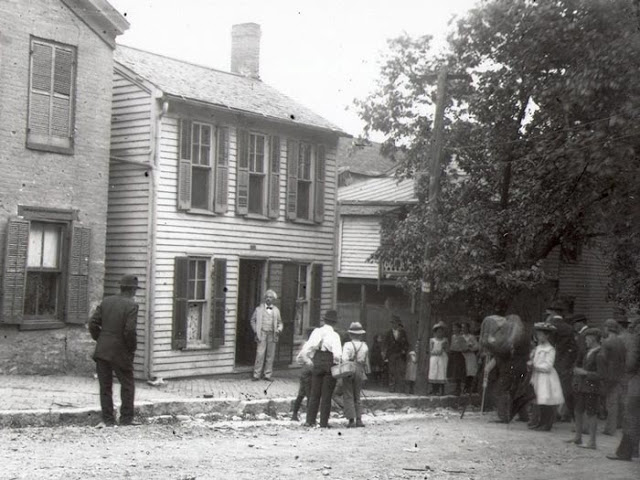
DSC_0075The house is well preserved.  I saw pictures around town of Mark Twain standing in front of the house on his last visit to Hannibal in 1902.  He’d come a long way from his days as young Sam Clemens.  My favorite picture was of the photographers and reporters taking pictures of him as he visited, while young boys and townspeople looked on.  He was a rock star in his time.mt hannibal visit boyhood home I had strolled up and down the streets and the river, taking it all in once again.  The mighty Mississippi that I first learned about through his books spread out before me.  The hill where Tom and Huck played to my left, the building where young Clemens first worked for a printer in front of me, his father’s courtroom beside me.

In the morning, I took the tour of the house again, picking out the window he climbed out, as described in Tom Sawyer.  Before you go through the house, there is a nice interpretive center that gives a timeline of his life and gives the background on what in his books is taken from his life, which people he used for the characters.

We visited the other museum downtown with its nice interactive area that would appeal to children and its collection of first editions and copies of Twain’s books in many languages.  My favorite is the collection of the Norman Rockwell paintings that were the illustrations for one of the reprints of Tom Sawyer and Huckleberry Finn.  What a match of two great artists with their sense of humor and small town living.  I only wish they also had some of the originals of another Missouri artist who illustrated the books at another time, Thomas Hart Benton.IMG_4969

This trip, I took the riverboat cruise to get the feel of being on the Mississippi.  It’s a strong, wide body of water and there is a peace about floating along its waters.  I must admit that I was thinking of kids on rafts being in the middle of this current.  I shook my head at the dangers.  Later, I captured a photo of this little town on the river from Lovers Leap bluff with the riverboat coming in and a train rolling by. I could live easily with the sound of the boats and the trains.  DSC_0133Before I left town, I looked up the street towards the statue of Tom and Huck, the first statue dedicated to fictional characters in the United States, and the hill where Sam Clemens played.  Even with the hardships his family endured, his childhood was idyllic in his memory.  I took a graduate level class on Twain in college, but my travels through the places he wrote about, Hannibal, Virginia City, San Francisco, and more, bring him to life just as he brought those places to life for all those who delight in his writing.DSC_0144

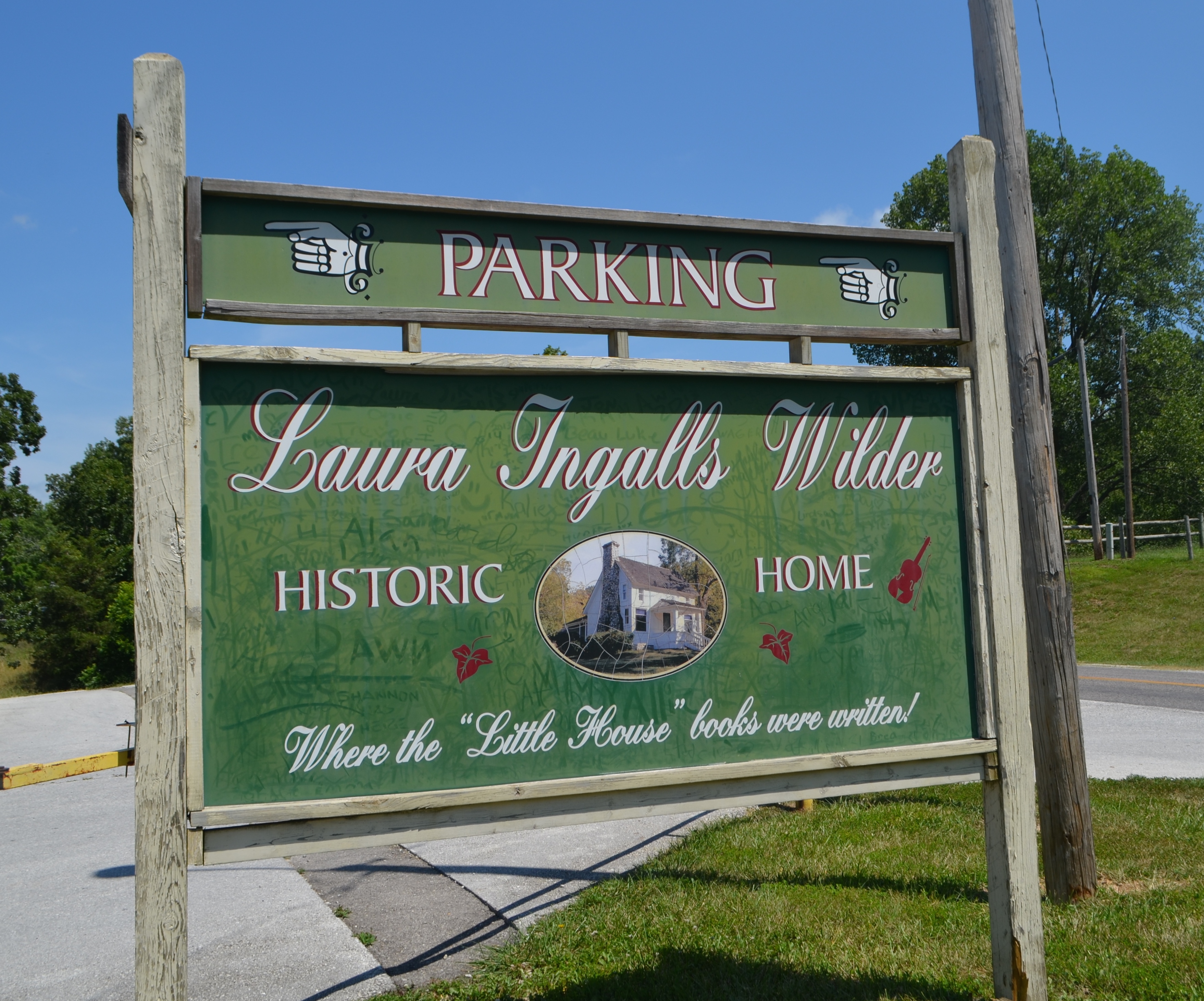
On my way home from this trip to Missouri and Kentucky, I found that we would pass by Mansfield, MO, where the Laura Ingalls Wilder home and museum are located.  I came to her books later in life when my oldest daughter was reading them.  I picked one up, read the whole series and searched for more.  I found a biography of what her real life was like, much harsher than the books in childhood.  Mansfield is where she and her husband, Almanzo, her precious Manley as she called him, and her remarkable daughter, Rose, settled.  Once again, the museum was a delight, filled with so many actual items from their lives along with a timeline of both Laura and Rose’s lives.  DSC_0344The family that got out of the van next to our car in the parking lot looked like they had stepped out of Laura’s time, but they were Amish, a family paying tribute.  Other little girls scampered around the grounds, wearing sunbonnets and long dresses, playing Laura from the books and television series.DSC_0346I was reminded that Laura didn’t start writing the books until she was 65, when the stock market crash had wiped Laura and Almanzo out of their investments in their retirement.  Then she wrote one about every two years, writing into her 80s.  Once again, the museum helped sort out fact from the written memoirs, bringing new dimensions to the stories.  And I gained new knowledge and appreciation for the accomplishments of the remarkable Rose Wilder Lane, Laura and Almanzo’s only surviving child, herself a renowned author, journalist, and political activist.

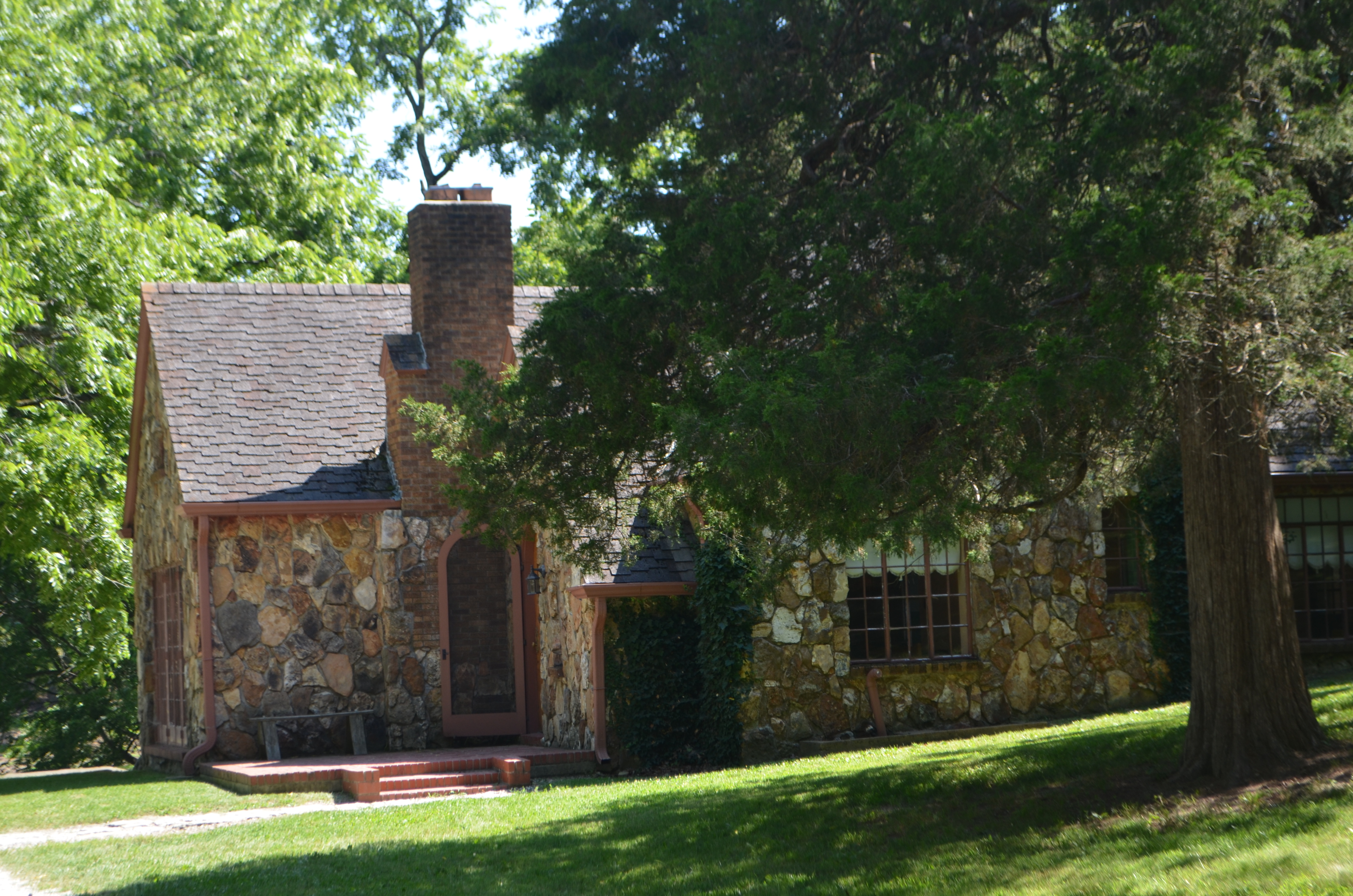
Our guide through the farm house and the little rock house that Rose built for her parents was a delight, an older woman who had actually known Laura and brought so much life to the tours.  She was all that I love about small towns and Missourians with her openness, friendliness and sense of humor.  I love the fact that Almanzo built the entire farmhouse in stages, using materials from the farm, taking 18 years to complete it.  I love that the counters and cabinets in the kitchen were designed for his small wife, who was only 4’11”.  He was only 5’4″, so everything was to scale.  No wonder she was nicknamed “Half Pint” by her Pa.  He built much of the furniture, including chairs that were low to the ground.  I felt I knew Laura after seeing her favorite collections of china and the things she treasured around her, including her beloved library.  I love the fact that she only got a refrigerator a year before she died.  We take such things for granted.  It’s typical that Rose bought the refrigerator, always wanting to bring her parents into the modern world. DSC_0348The little rock house that was a Christmas gift from Rose to her parents was built from a Sears & Roebuck plan using rocks from the property, supervised by Almanzo.  This is the house where Laura actually wrote her first four books in the Little House series, marching up the hill to the farmhouse to discuss them with Rose, who helped with editing and shaping these stories for publication.  DSC_0353I would love to have listened to these two strong willed women argue over the drafts of the books, each fighting for one change or another. And Almanzo, walking with his cane since his stroke early in their marriage, walked down the rock stairs to the field below to milk the goats and carry the milk to the other end of the field to store in the spring house.  I also love that Rose bought them a car in 1923 and they loved it, using it to take trips to California and Minnesota and nearby Springfield whenever they felt like getting out.  Almanzo and Laura were the true story of how our country grew.  Unknown

I hadn’t planned to visit both places when I left home, but they made nice bookends to the trip.  Two of my favorites when I read their works and even more beloved now that I can see them in their homes and know so much more about them as real people who looked back on their childhoods, discarded the worst memories and transformed the best into stories that continue to inspire readers of all ages today, teaching us about the strength of human nature, the joy in relationships, and the humor in mankind.  Classics in every sense of the word.

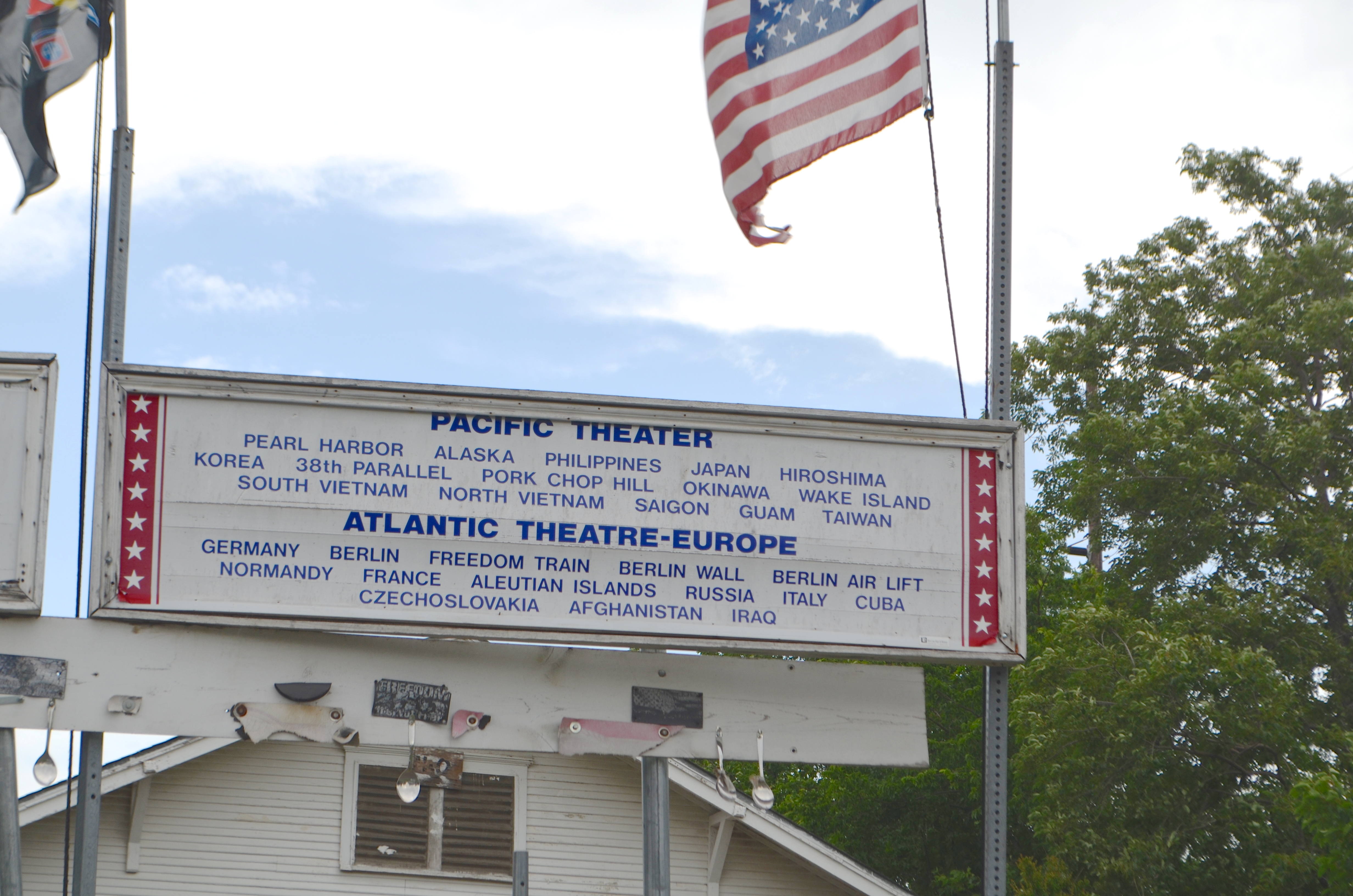
While driving through Ardmore, Oklahoma, this weekend, I was on a side street and this display stopped me.DSC_0209

When I realized what I was looking at, I was deeply moved.  This is who we send to battle, these are the men and women who give their sons and daughters to leave home and go to exotic places on the globe to protect the rights of Americans.  Their pride in their service tells the story.DSC_0210

The scope of their service is extraordinary.

DSC_0211 I don’t know who hangs the spoons, but I would add one if I could.  DSC_0210 - Version 2 DSC_0211 - Version 2

As we celebrate the 4th of July and all our freedoms this week, take a moment to think about the Spoons and all the families like theirs.

Thank you, Spoons!

California – I keep going back there.  Not that it’s the most beautiful state or has the greatest history or the greatest people or the greatest anything other than maybe the greatest diversity of everything.  I’ve traveled all over it in winter, summer and spring, seen it in its many colors, met the people along the way.  It’s a place where everything changes as you go down the road.  You leave a city and are in a desert or on a mountain or on the shore. It’s got it all in one big melting pot of people who vary from region to region. California could be three or four states, each individual. It’s bounded by the Sierras on the east and the Pacific on the west with bountiful valleys and mountain ranges in between.

After driving over 1,800 miles around the state in the last few weeks, here are some of my favorite spring images that speak better than I can write.

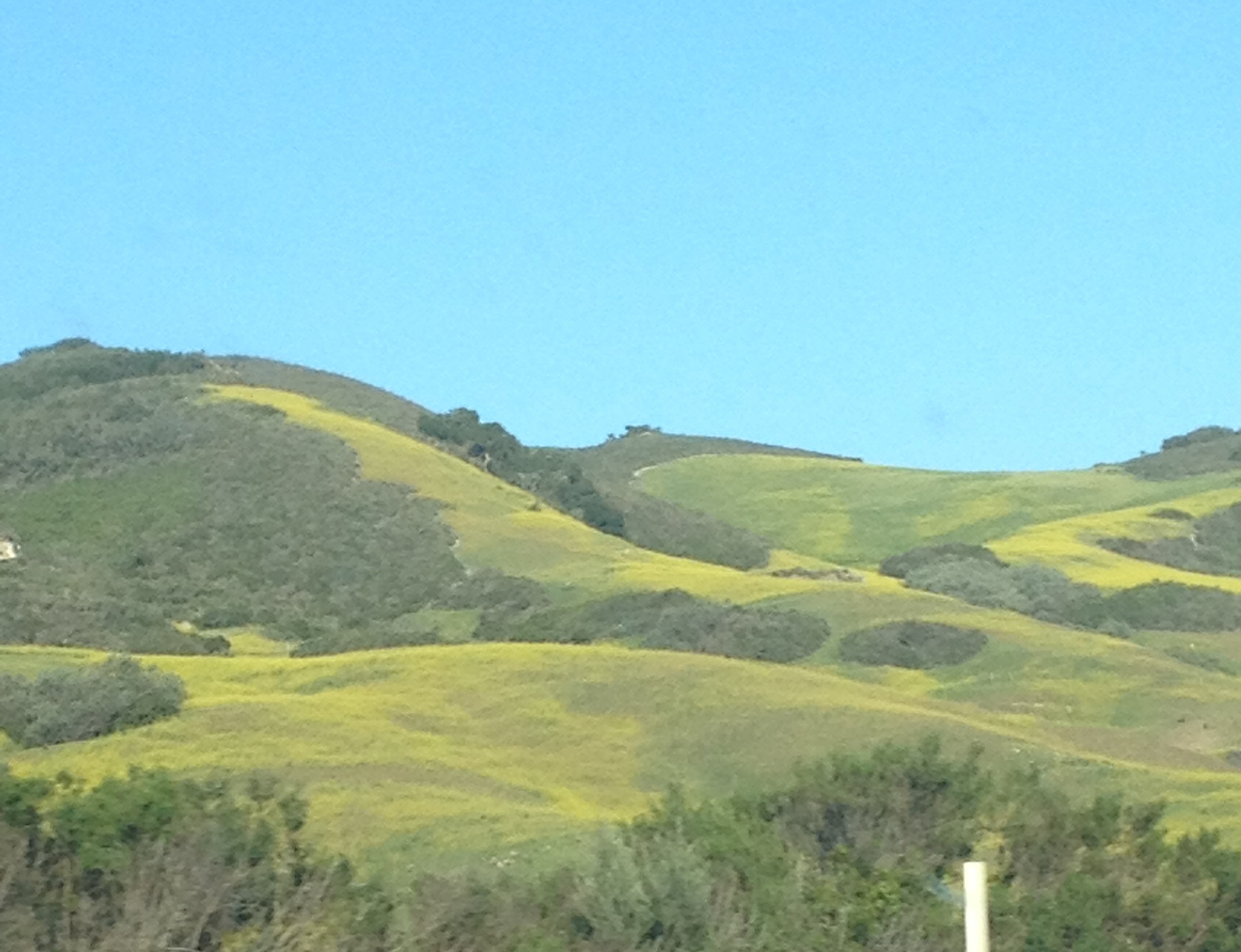
In the Spring, the hills that are golden in the summer have a fresh green…

IMG_4746El Mirage still holds that never catchable lake in the distance…

DSC_0264Death Valley is still desolate…

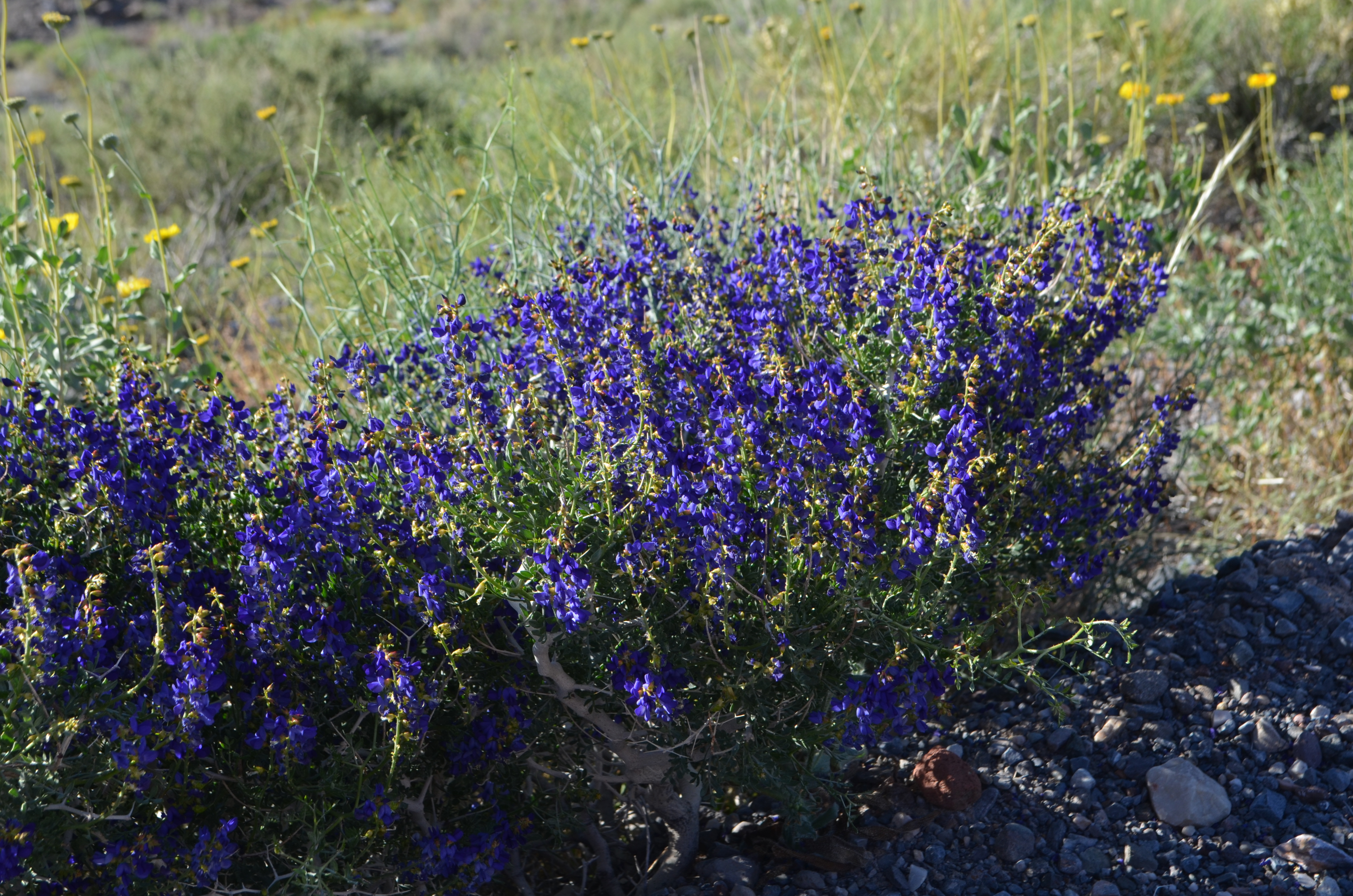
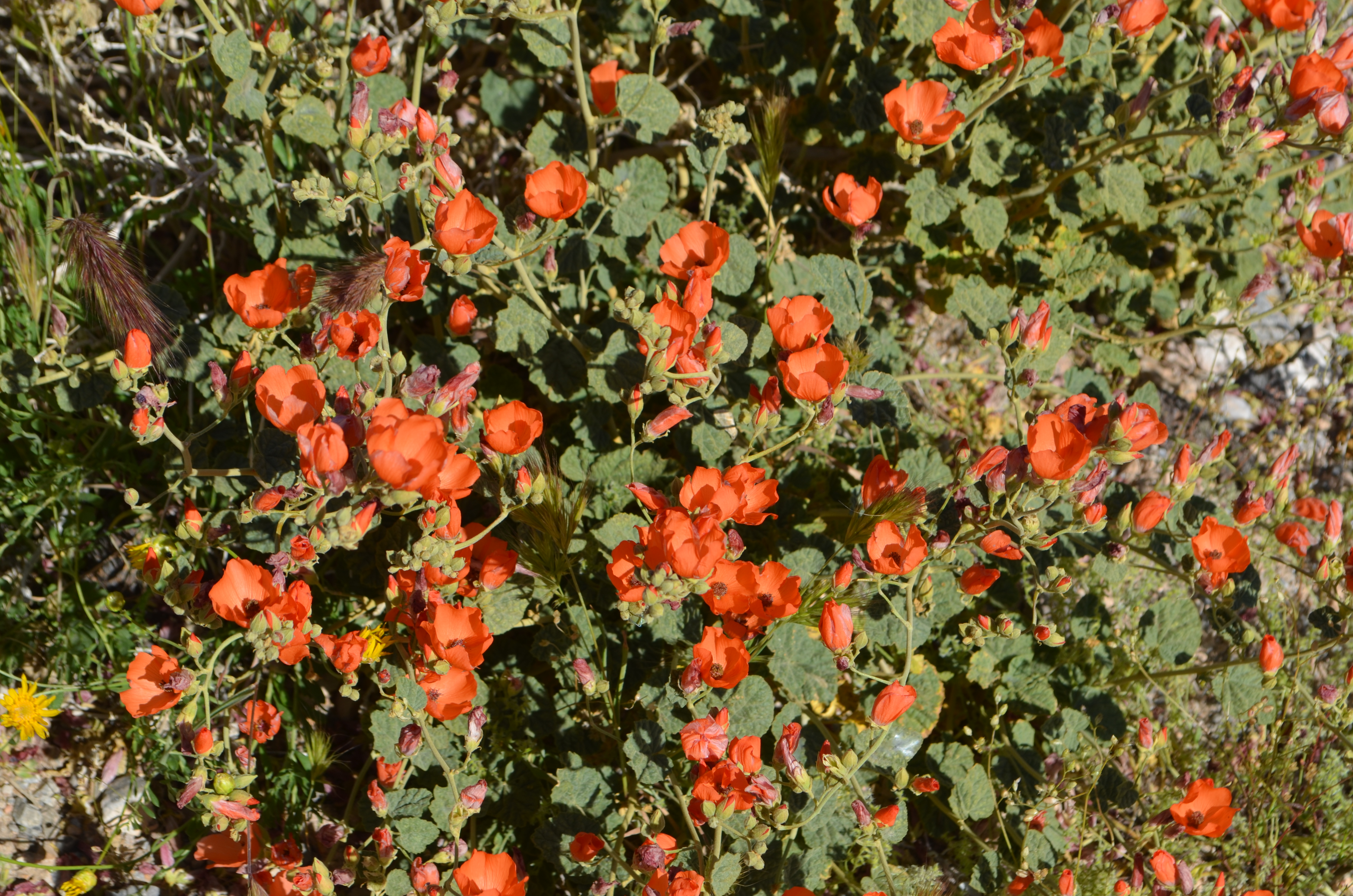
DSC_0324 DSC_0306DSC_0330…but there are flowers where only baked rocks exist in the heat of summer.

DSC_0378

DSC_0394The Sierras suddenly come into view, rising out of the ground in a never ending ridge north.

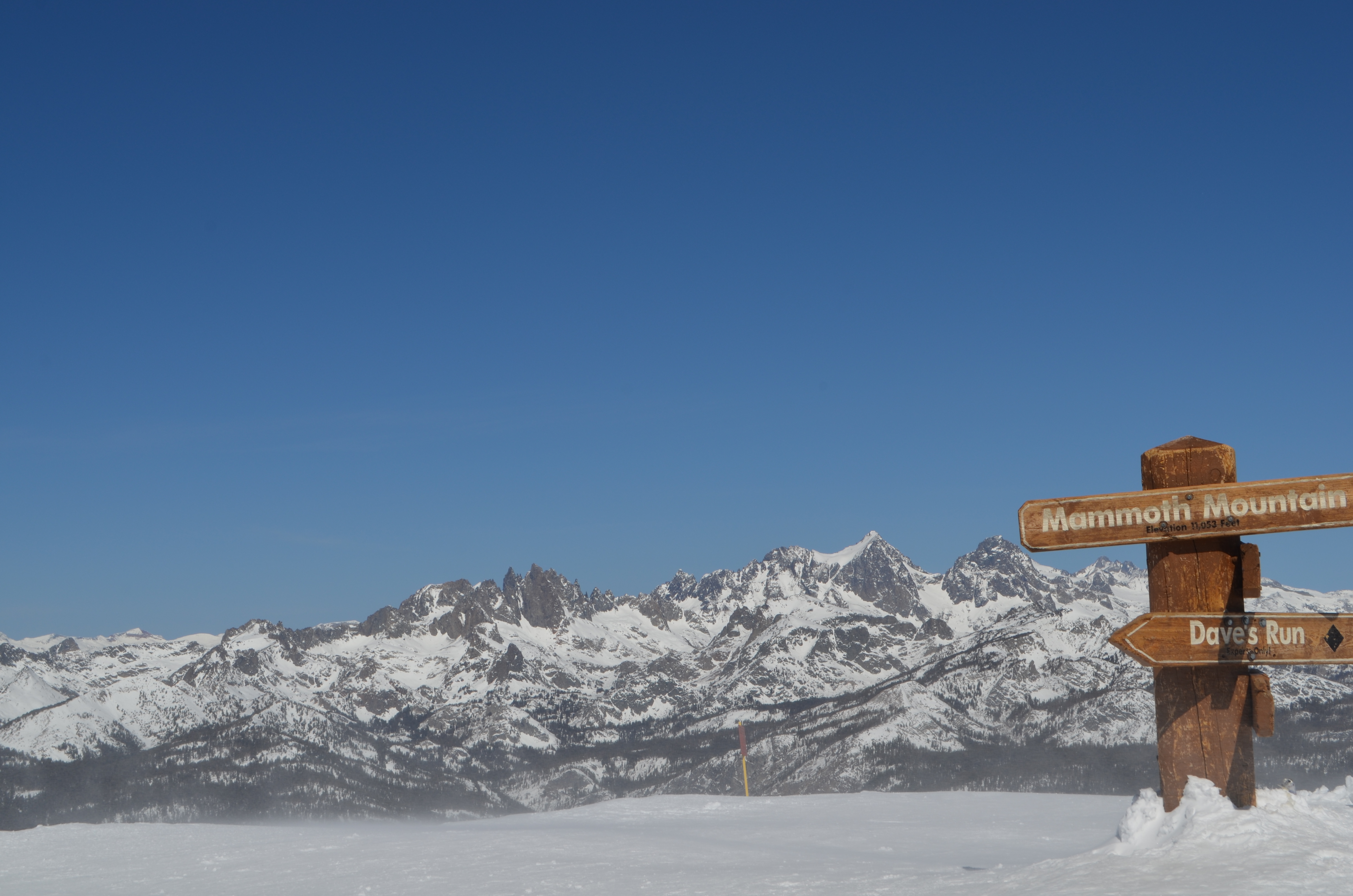
DSC_0437And skiers rush to mountains that received 22 inches of snow the night before – in April and May…DSC_0483 DSC_0493 - Version 2There’s the perfection of Lake Tahoe…

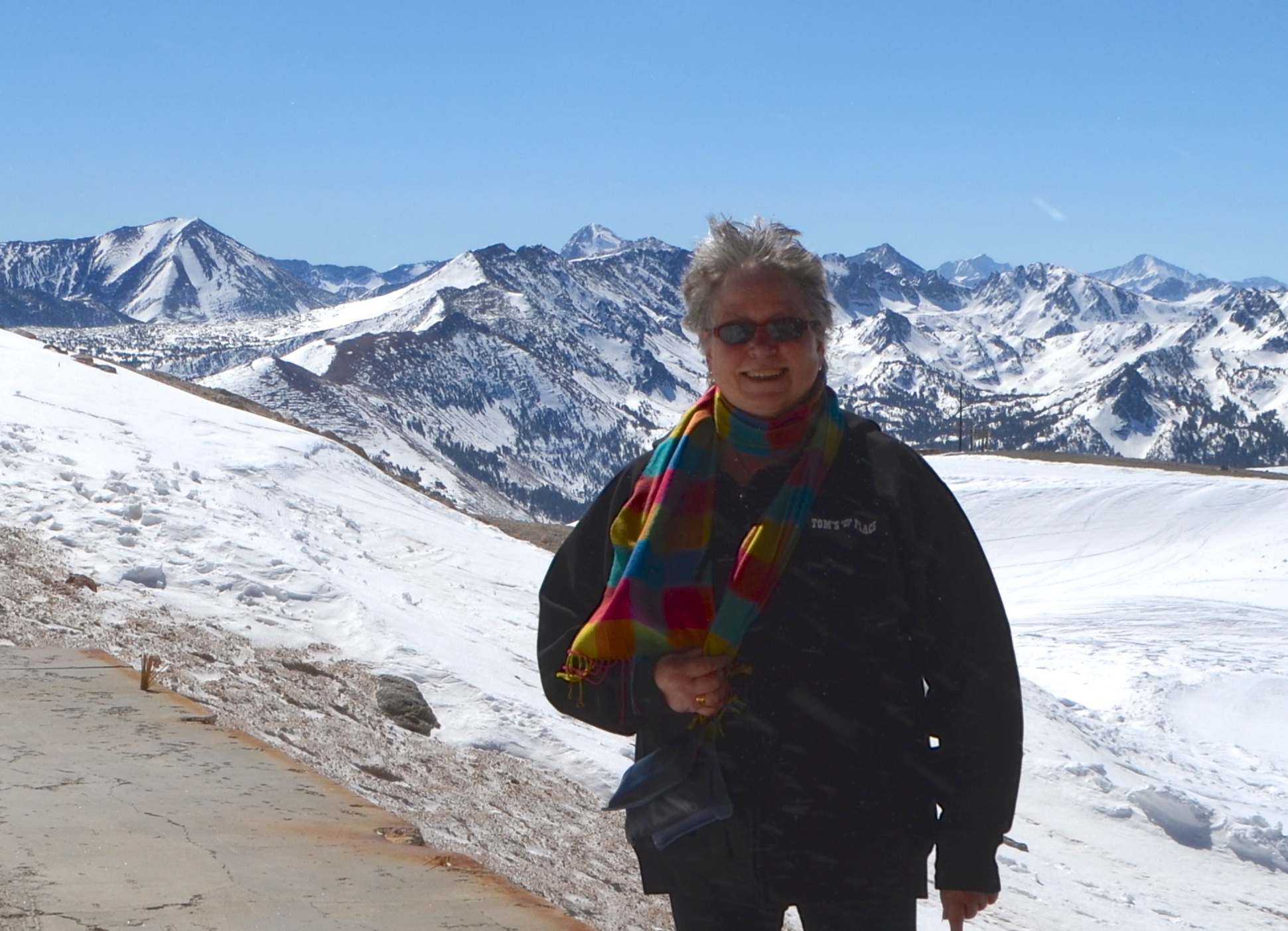
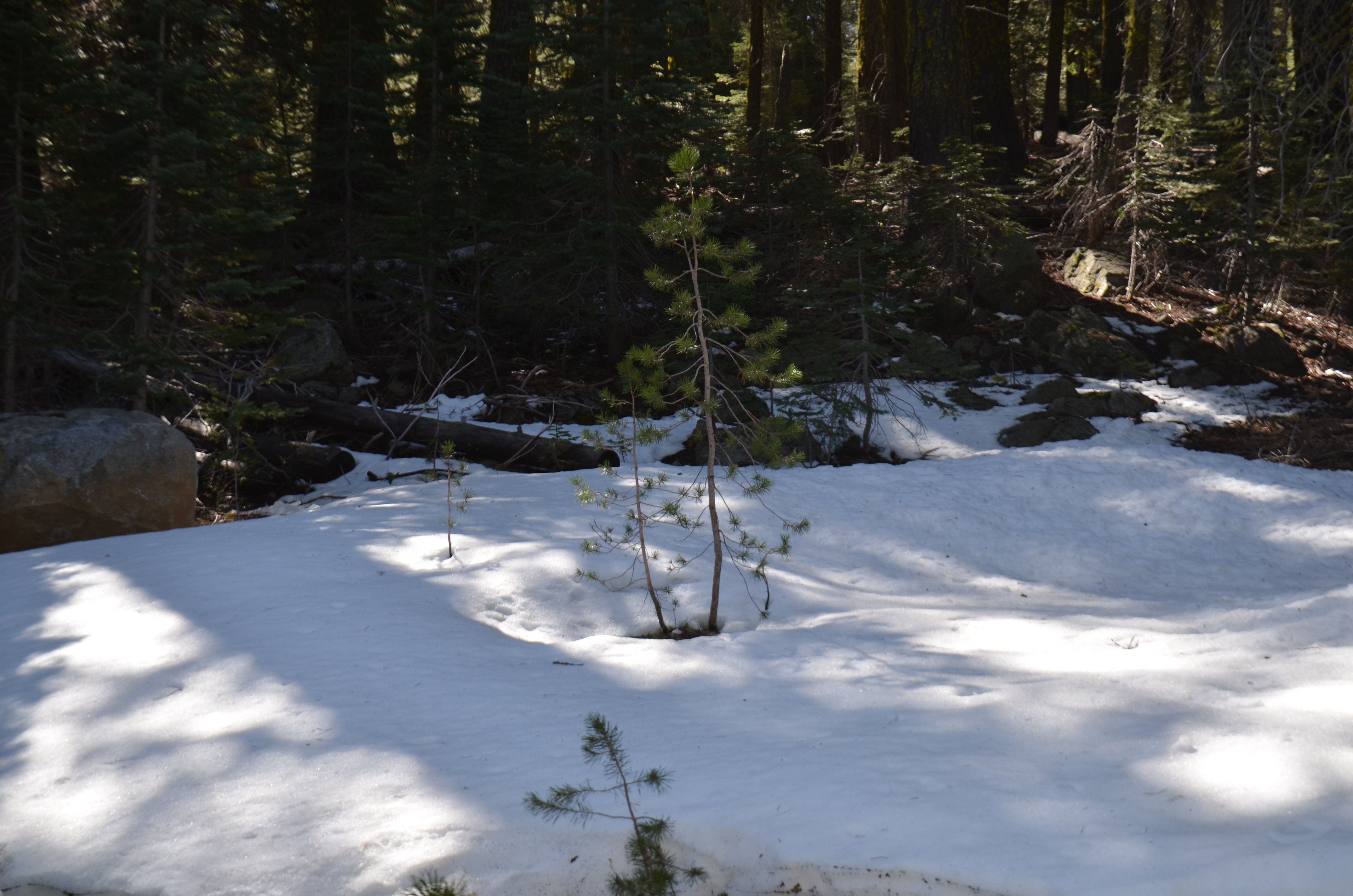
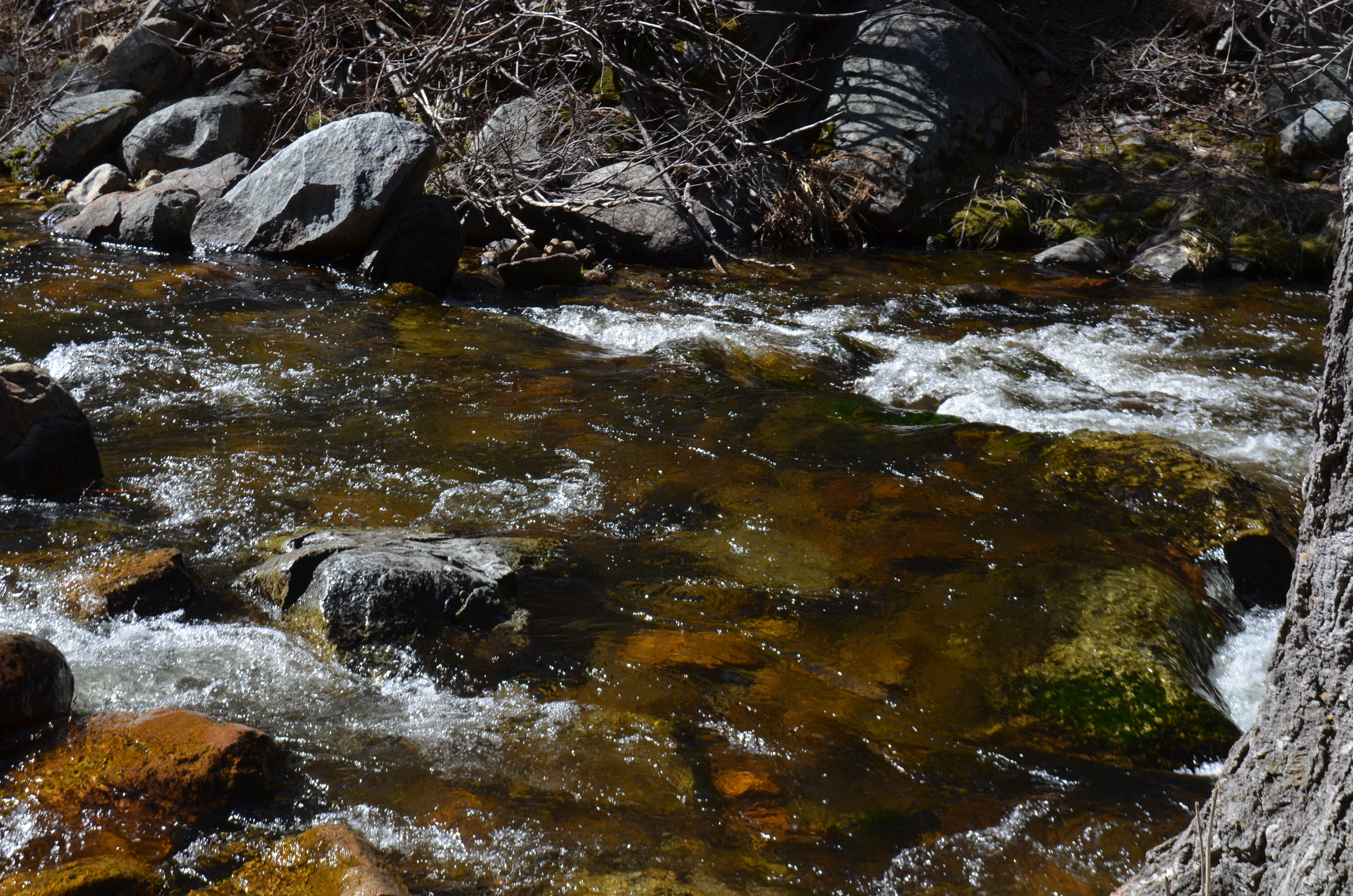
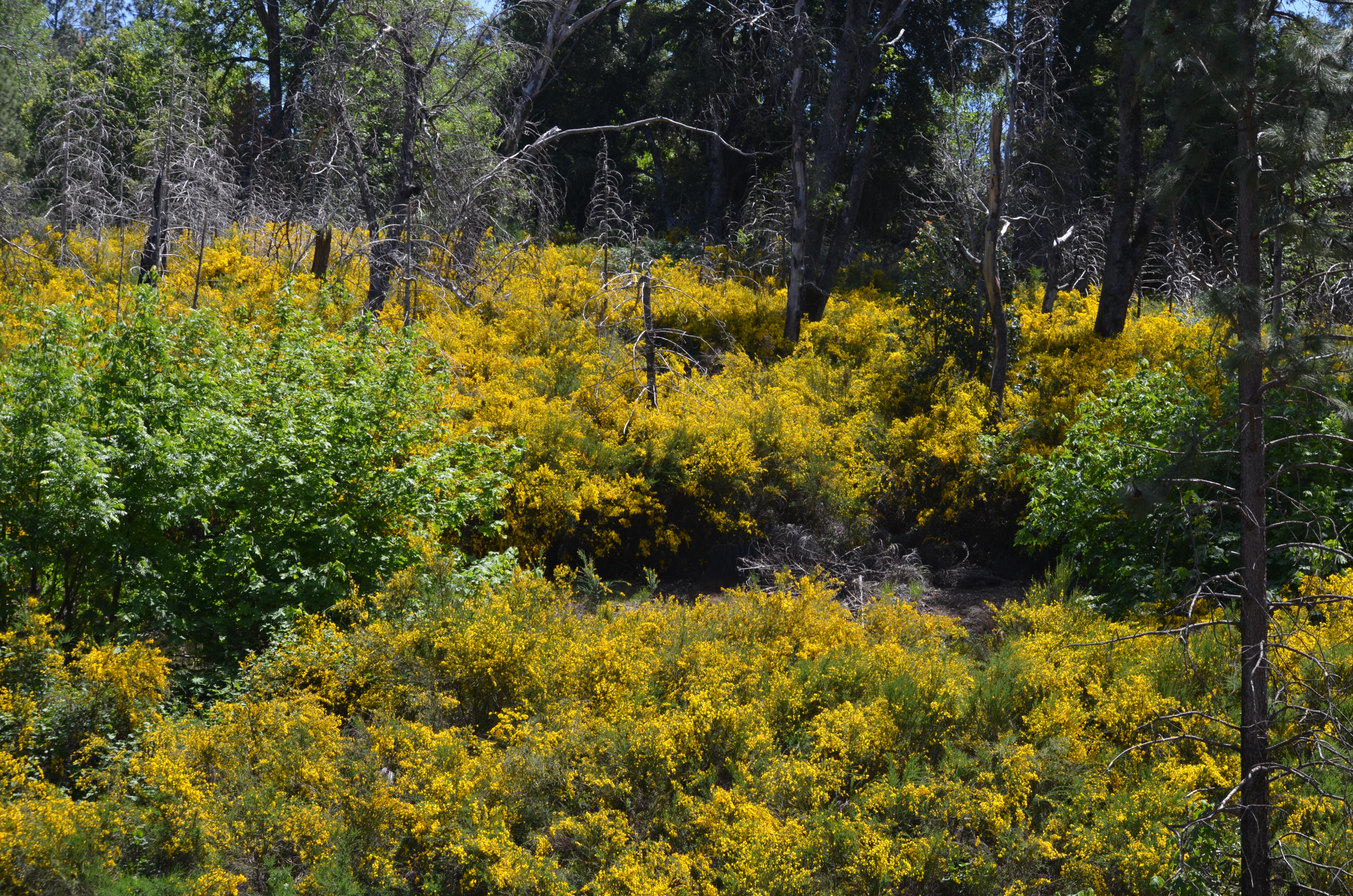
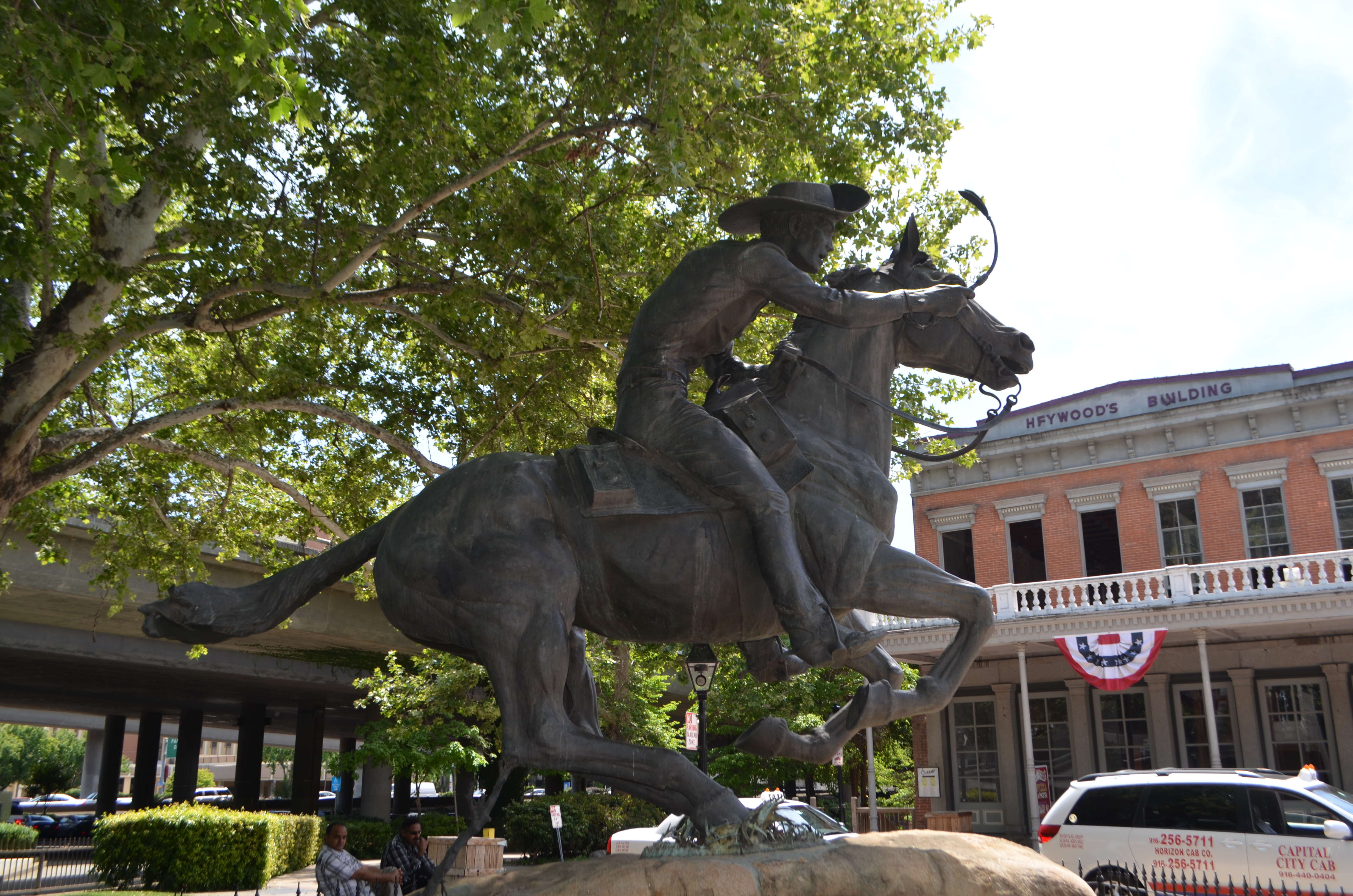
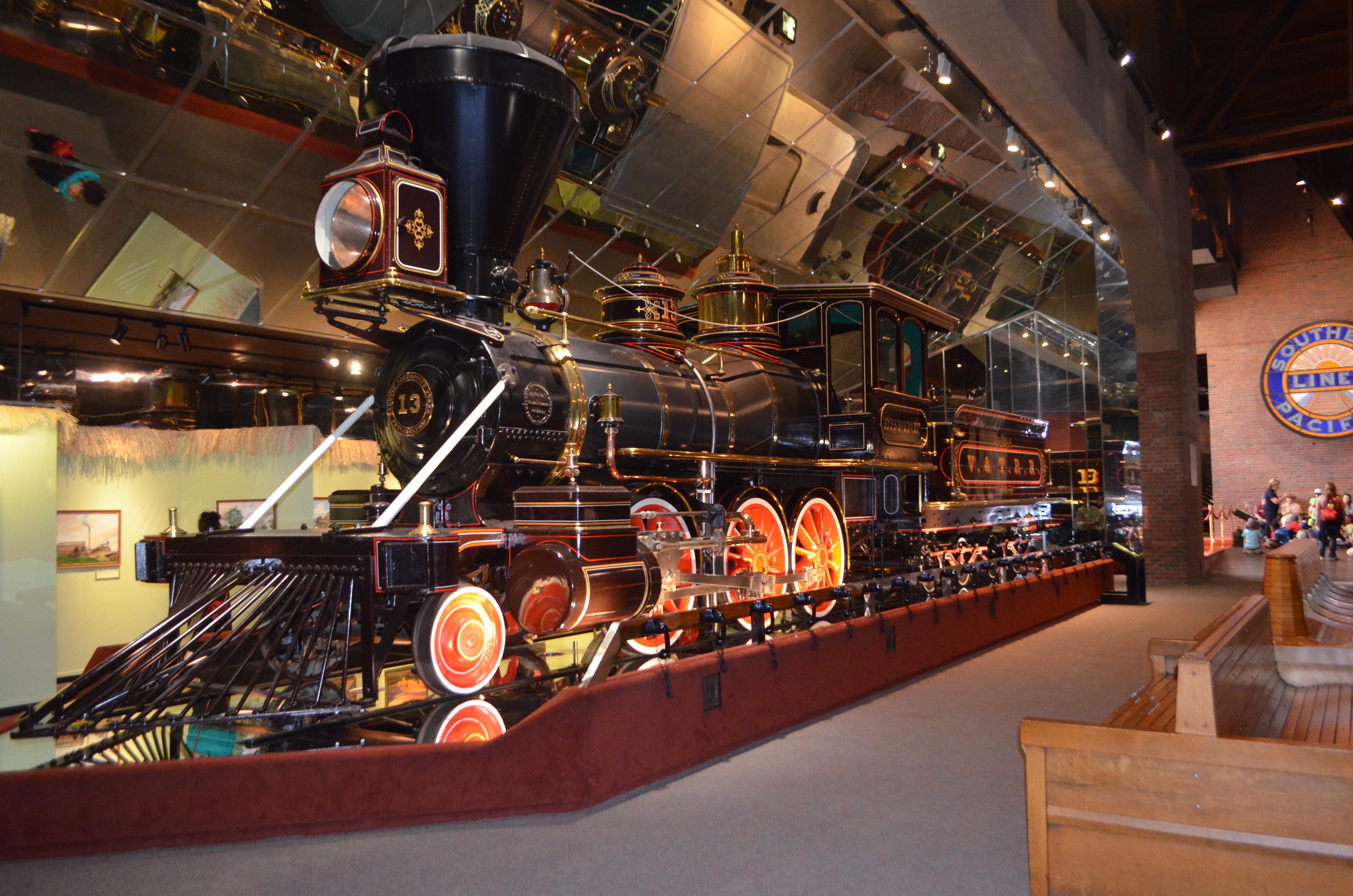
DSC_0579the beauty of the Sierras with the spring thaw filling the creeks and rivers…DSC_0599 DSC_0617DSC_0619…and flowers that bring color to the hills.DSC_0652The buildings of the little mining towns give a sense of the excitement of the history of the area from San Francisco to Sacramento to Nevada.  You can visualize the wagon trains, the Pony Express riders, the stagecoaches, and the first railroads that brought people from the east.  You can see the places Mark Twain made famous and picture the characters who lived this life.

DSC_0675
DSC_0685 DSC_0700And then you reach the coast and its giant Coastal Redwoods.  My visit to Muir Woods was a complement to my visits to Yosemite and the Sequoias in past visits.DSC_0790And then it’s the California coast, from the bay area…DSC_0903 DSC_0959…to the beaches…from Pacifica to kite surfing and sailboarding meccas…DSC_0981 DSC_0996to sunsets…DSC_1012to Big Sur in all its beauty…

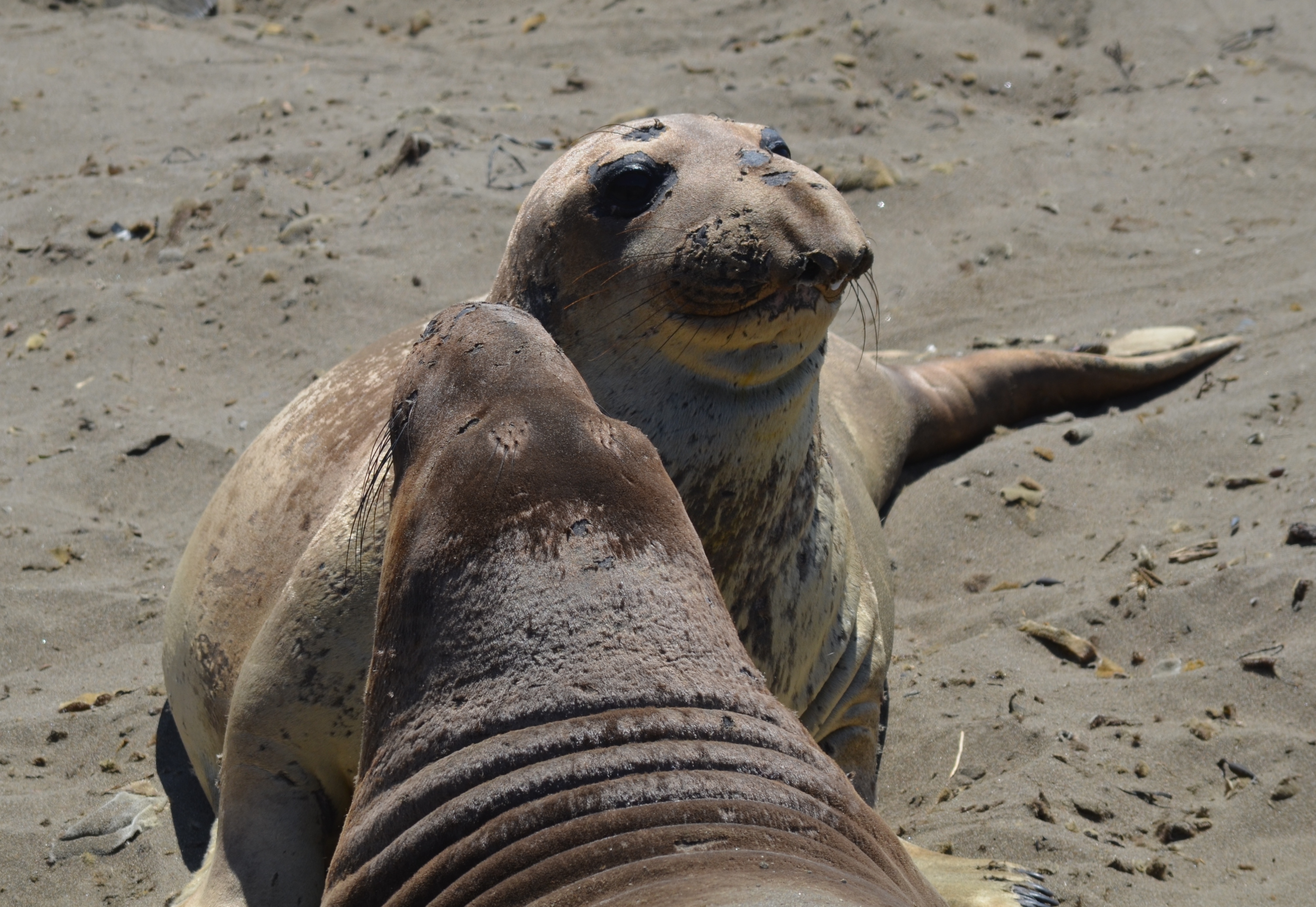
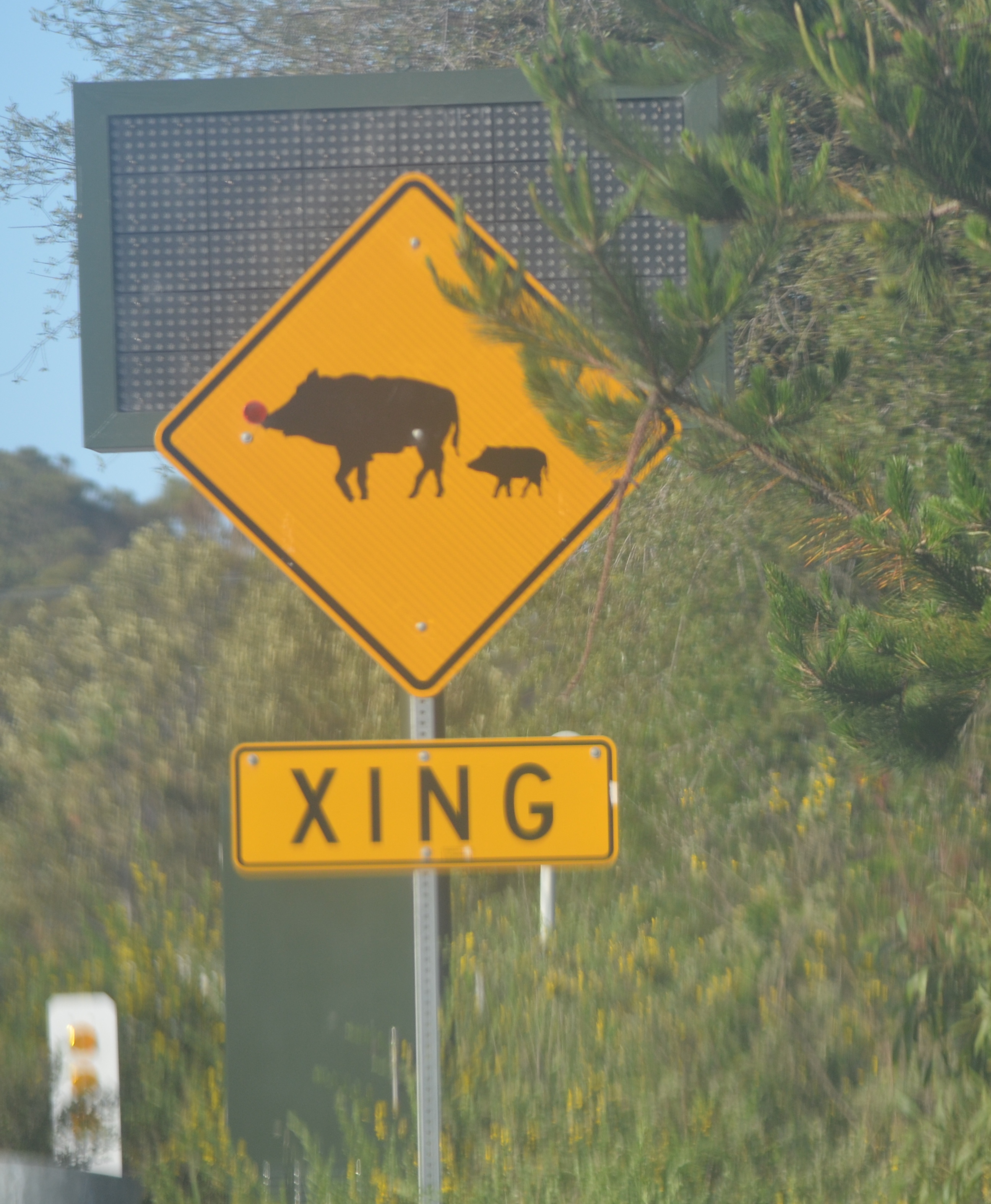
DSC_1023 DSC_0007The wildlife is abundant, seals, otters, whales, and the ever delightful elephant seals…DSC_0091_2DSC_0065…and animals we were promised but never saw…
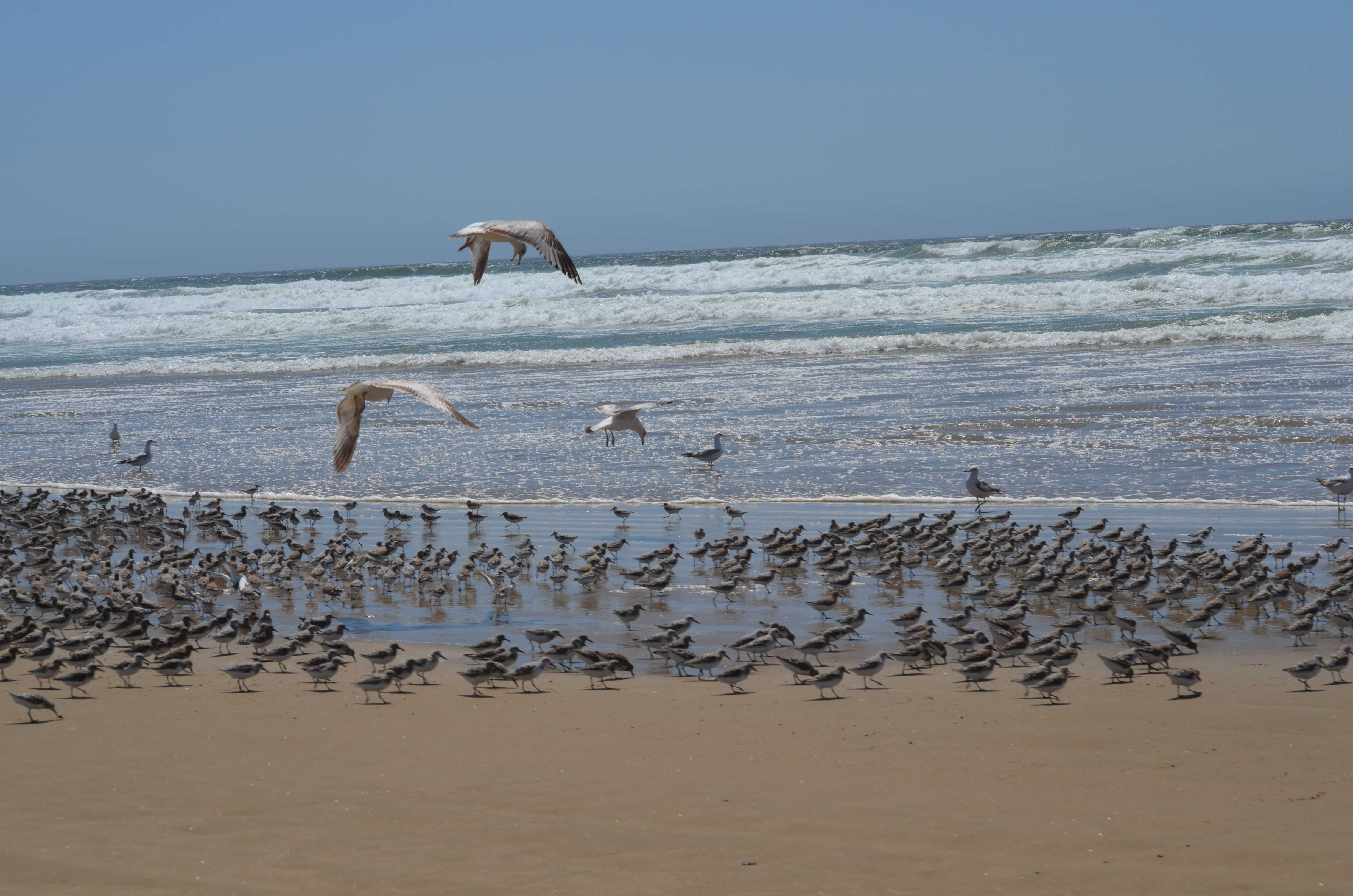
DSC_1021Southern California beaches had birds and dunes to climb…DSC_0111_2 DSC_0131_2Here’s to the best restaurant name ever – in Lompoc.  Too bad it closed.IMG_4742And back to Los Angeles, city of dreams, freeways, and endless fascination.DSC_0104Cheers to California with all its natural wonders, it bounty of natural resources, and the people who make it even more interesting.  Spring with the California poppies blooming everywhere is truly a delight.DSC_0028_2


As the children born in the 1940s embrace binge watching television and being able to watch what we want when we want, it’s funny to look back.  How old am I, for gosh sakes!

I remember our first television set, but not exactly how it looked.  Probably something like this back in the late 1940s-1950s.

images-1In my feeble recollection, we had it on a stand and we all gathered around it.  The test pattern was on until late afternoon.

UnknownThe news was important, because you only saw it once or twice a day and the people who read it were serious about it.  Weather reports and sports weren’t added until later.  Entertainment news?  You got that from the movie magazines or the newsreels at the movies.  We laughed at I Love Lucy and Sid Caesar.   So many funny shows.

Television for children developed on Saturday mornings with Buffalo Bob and Howdy Doody and the cast of characters.  We sat around in our pajamas, delighting in this new media.  Black and white, of course.  Or gray, as one of my grandkids called the first B&W show he saw.  One show that was really unique was Winky Dink and You, an interactive show for kids.  We had a Winky Dink kit, which included a plastic sheet that stuck to the television screen and special crayons.  The host drew things on his screen and we completed them to help Winky Dink in his adventures or just to draw.  It was fun and the only show like that I ever heard of.

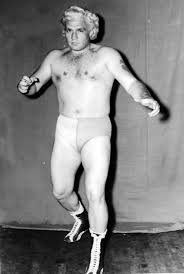
Television was a big hit.  My grandmothers both loved Saturday night wrestling, yelling at Gorgeous George and the bad guys.  I mostly delighted in watching both of them, because I never saw them like that at any other time.  They laughed at the acts on Ed Sullivan and Red Skelton, but I never saw that same reaction.  Even my granddad didn’t react like they did.  My parents rolled their eyes.  Sports hadn’t hit tv in a big way yet.  Here’s George…scary, hunh?  He transformed my otherwise sweet grandmothers.

UnknownWe got more sets.  Our first portable ones looked like this, complete with rabbit ears that we constantly adjusted and sometimes wrapped with foil for better reception…or any reception.

Unknown-1Did I mention that we had to get up and go to the television and manually change the channels?  Hard to imagine kids today understanding that you had to do that to turn the TV on and off.  Or correct the color or get the lines off the screen.

After I’d been married a few years, we were the proud owners of a cabinet model television.  We were big time adults now!

imagesBut, we still had to get up and walk across the room.  Then came cable television.  Wow!  A new revolution.  Over twenty channels and a cable box to change them.  Still had to walk over and turn it on and off, but we could change channels from wherever the cord on the cable box would reach.  And the kids fought over the cable box, except when Daddy was home.

images-2Anyone reading this probably knows all that has happened since then.  Remote controls, hundreds of stations, and now streaming shows on our personal devices.  It’s a whole new world.  The speed of technology never stops and the obsolescence of what we have today is probably just a couple of years away.  I’m happy to see what it is, but it’s nice to look back to the days when we had time to enjoy each new phase and lock it into our memories before the next one rushed at us.

There was great television then and there is great television today.  There’s just a whole lot more to enjoy now than I have hours in the day or years in my life.  A surplus of choice.

My oldest grandchild turns 17 today.  Already?  It was just the other day that I was 17, wasn’t it?  About 51 years ago to tell the truth.  It doesn’t seem that long. . . except for everything that has happened since then.

Part of me is still 17 as I remember it.  I was well into my senior year in high school on my 17th birthday.  I still had braces on my teeth.  I had fallen in love with the boy who would be the older boy I married a few years later.  I was trying to figure out college and keep my grades up and was active in school activities and I played a lot.  At 17, we were the leaders of the school, the promise of the future.  Until we got to college and had to start over again.

When I was 17,  I worked a little, mainly tutoring, but most of my friends didn’t have jobs.  We studied and played.  We were the lucky ones.  We never knew what really went on in some of our classmates’  homes until many years later.  It was a time when people kept family secrets, when horrible things weren’t mentioned.  Life wasn’t as innocent as we were led to believe.

Seventeen was the end of my sheltered years, when I left home for the first time for college.  It was the end of the innocence for our country when our President was assassinated and we watched it all on television, over and over, although it wasn’t the 24 hr news cycle we have today.

When I was 17, we still used rotary dial phones and had to call the operator to make a long distance call.  We wrote letters to tell our grandmothers what was going on in our lives because long distance calls were special.  No direct dial long distance yet.  Technology was having a long cord on your phone so you could take it into a closet for privacy.  We walked a lot because not everyone had a car.  We went to the library for information because there were no computers.

Seventeen was a year of introspection for me.  I read a lot, a lot of heavy thoughts.  I was in the throes of being a new intellectual.  Mixed with being a fun-loving teenager.  How does that work – being an intellectual teenager?  Really?  And, I’m sure my parents didn’t understand me at all, because what parents ever do?

Mostly, seventeen was fun.  When I watch the movie “American Graffiti,” I see my senior year.  Move the scene from Los Angeles to Tulsa, Oklahoma, and you have my high school years, accurate to the dress, the music, the dances, the kids.   All the fun and angst and watching the world from a new perspective as you move from adolescence into pre-adulthood.  Some friends were getting there faster, getting married, getting jobs, having babies.  It was a time of change.

I’m lucky to have had a life that I can remember with such affection.  Very lucky.  I can see that now, looking back all those years.

My advice for my grandkids as they turn 17 is simple.  Enjoy, take it all in.  Learn from what you see and take it all with you on this exciting journey of life.

When I was 17. . . it was a very good year.

Breezers picture - Version 2

The assassination of President John F. Kennedy was one of those historic moments when I remember exactly where I was, an event that changed the world as I had known it. I was a freshman, a naive freshman, in college when it happened and our whole world changed in so many ways that day. I’m not one to obsess over the details because I lived through them, one of the first events we experienced through radio and television news, continuous news, in a time when the news only came on at five and ten and we relied on magazines and newspapers for in depth reporting, a time now over 50 years ago.

In May, 1966, some college friends and I took off for Galveston, TX for a weekend at the beach, really pretty tame, but wild for us. Going through Dallas, which was not nearly as complicated then as it is today, we stopped at Dealey Plaza, out of curiosity as much as anything. Martin Luther King and Bobby Kennedy were still alive and we were probably under the illusion that the death of our President was pretty much an aberration. Here is all there was on the Plaza in the predawn hours that day in May that we visited without crowds or fanfare.

Scan 207

Although I knew there was now a museum, I hadn’t rushed to visit, so I’m still somewhat surprised that I felt the urge to go this weekend with friends. We were in town for a football bowl game and were filling our afternoon, navigating the overlapping amusement park of freeways in and around Dallas, a city of glass and flash. The end of the holiday season, the first weekend of the new year, and the lines were forming just to get tickets for the timed entry. Tickets in hand, we visited the plaza while waiting. My two friends were in junior high or high school in 1963, so we had different memories to share, because you always have to talk about where you were when you heard the news. You have to.

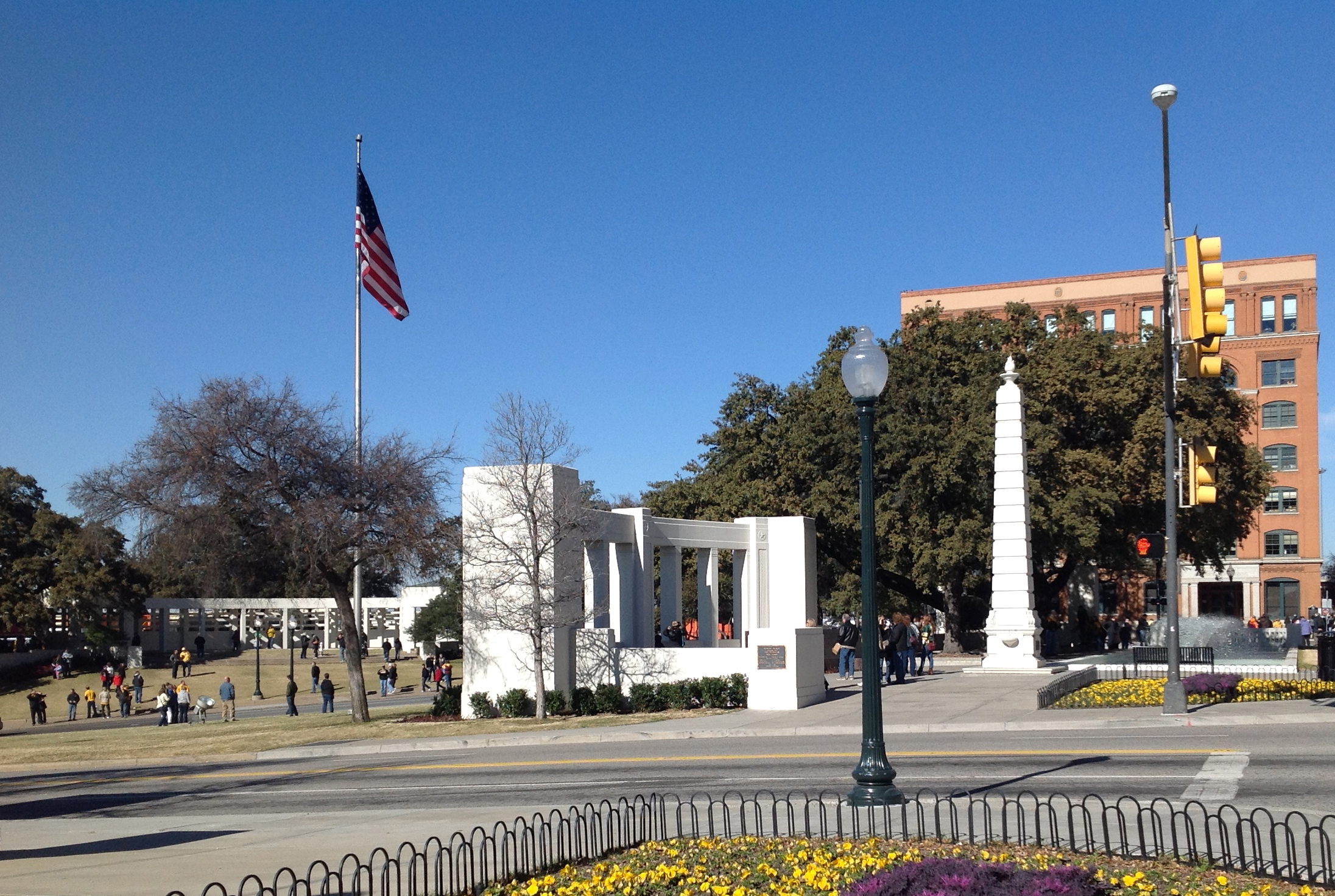
There are places that you visit that are instantly familiar, instantly brought to life from the images you’ve carried with you, and Dealey Plaza is one of those. The only thing that is really different is that we watched it all in black and white in 1963 and this was a bright sunny Texas day, the site coming alive with color. The trees, young in the Zapruder films, are now 50 years older and obscure some of the views. Turning to look at the former Texas School Book Depository, looking up at the window, I felt a twinge, an eerie feeling inside.

IMG_3738

Walking across the plaza, we had someone take our picture, not because of where we were but because we wanted a photo together. Actually, you can’t even tell where we were. I took a look at the entire scene, so familiar, behind us, complete with people standing on the slope.

IMG_3751

Someone rolled out a sign and I zoomed in. Like we didn’t know…

IMG_3750

We spent the rest of our time before we could go in visiting the gift shops, two of them. There were books and replicas of the famous Saturday Evening Post with the cover portrait of Kennedy by Norman Rockwell, t-shirts, post cards, mugs and jewelry (I guess replicas of what Jackie wore?), and other mostly tasteful items. Having owned a gift shop, I have to wonder what I would think appropriate for remembering this place, this event. Not sure I would wear a patch on my jacket of the Book Depository.

The Sixth Floor Museum, as it is called, was well organized and nicely done. I didn’t take the audio guides, choosing to watch the crowds. Skimming the information I already knew so well, I began to watch the people, most way too young to have my experience with the event, most knowing this the way I know World War II, through my history classes and parents and grandparents. There were young couple with babies in strollers, college students, middle aged people, all kinds of people, all walking along, reading history as I had lived it. Each reaction or response was unique to that person at this time in their life, based on where they had come from, what they already knew, who they are. We were all sharing this exhibit in our own way.

I had a brief flash of my visit to Graceland this past summer, a visit that occurred at the end of Elvis Week, on the anniversary of his death, by chance. Another moment in my life I remember – hearing about Elvis’ death. The crowds that weekend in Memphis were quiet with their audio guides and walking by the grave, reverential. It was a little noisier here in this museum, not loud, but voices here and there. The contrast and similarities of my two pilgrimages was interesting, slightly amusing.

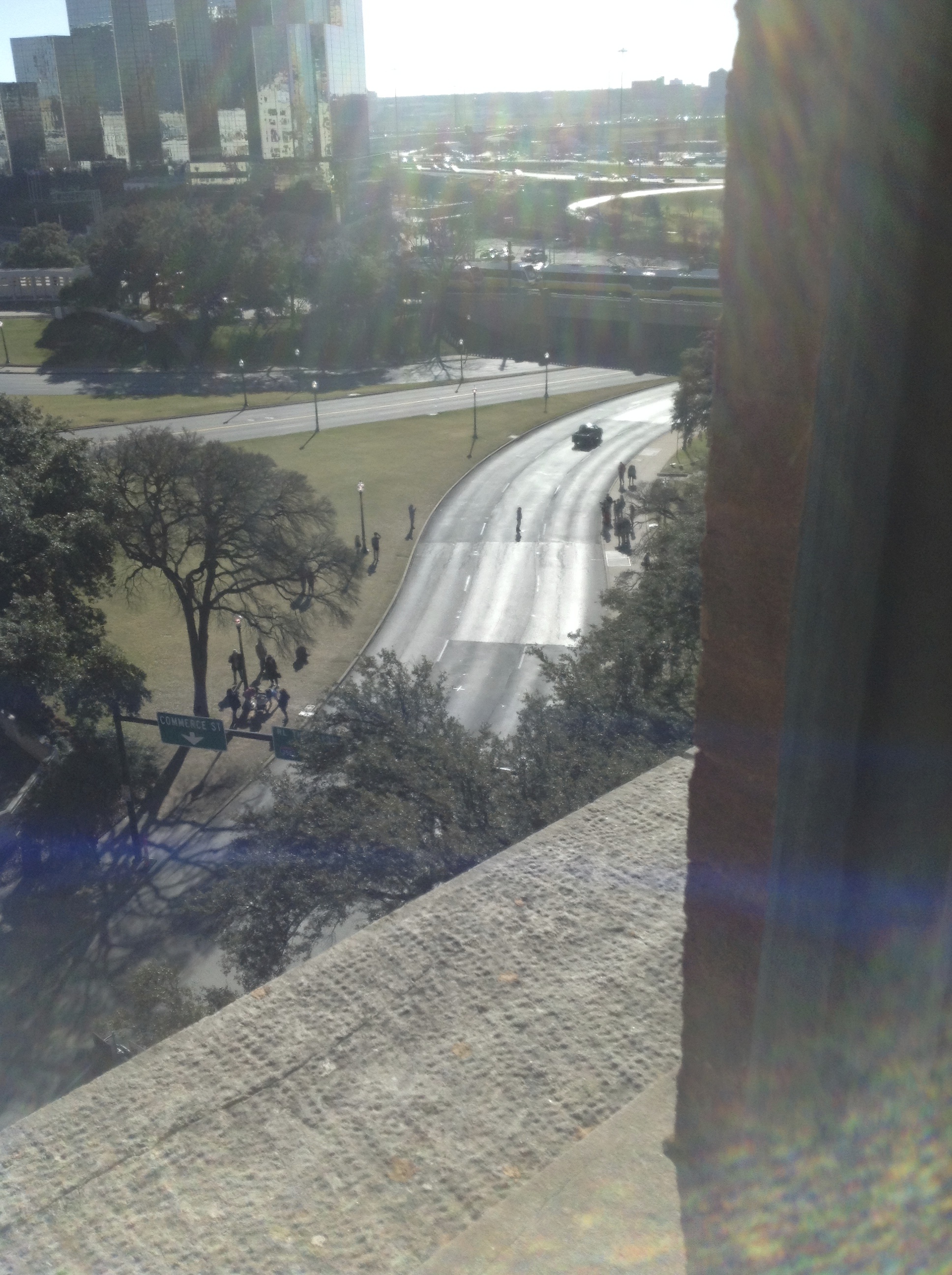
Walking quickly through the history, I came to the site of the shooting. Glassed off so you can’t stand on the actual spot, the boxes of school books stacked as they were found that day, the window slightly open with a disguised camera now watching the plaza, I had a slightly queasy feeling. It was pretty real. You can’t take pictures there, but you can stand by the next windows and look out onto the road, seeing the same thing Oswald saw with taller trees now. You realize that the car wasn’t very far away, that wasn’t a very long shot for the rifle really.

Moving along, there were the actual FBI models of the site and the gun shot trajectories, later found to be incorrect, films and displays of all the aftermath, Jack Ruby’s suit that we know so well from the photos and films, Zapruder’s camera and the film dissected and discussed, and on to the investigations, the books written, the conspiracy theories. The two film rooms were the films of the memorial service and films about the conspiracy. I didn’t watch either, all of it feeling too far back and too familiar at the same time.

I wandered up to the 7th floor, a lovely mostly empty room where you can look out on the plaza and the familiar road and take pictures or reflect. It was very quiet on this floor with few people. Looking down at the street where an X marks the spot, I realized that people were waiting for traffic to stop and then running out to pose for pictures on the X. There were individual, groups, people doing silly things. I don’t even know what I thought other that it seemed disturbing to me. I realized they didn’t live the time like I did and it wasn’t exactly disrespectful, but I had a hard time relating. The bare X was enough to make me stop, stare down from the window and reflect on what happened there, but I sure didn’t want to go stand on it.

IMG_3757

Walking back down the stairs, I watched people having their pictures made under the original Texas School Book Depository sign. Again, a little eerie to me.

There was a display towards the end of the exhibits, a board that showed the memorials at the spot where Martin Luther King was assassinated, Pearl Harbor, the Oklahoma City Bombing Memorial and something else, reminding us that these are important sites for us to preserve so that we can remember, we can educate and we can discuss the effect of these horrors, this violence, on society. I agree because I am ever hopeful that men and women will someday learn to live in peace. If we quit hoping and only acknowledge that there has always been violence between human beings, then how can we proceed, why are we living? We have to always hope and work towards that goal. Don’t we?
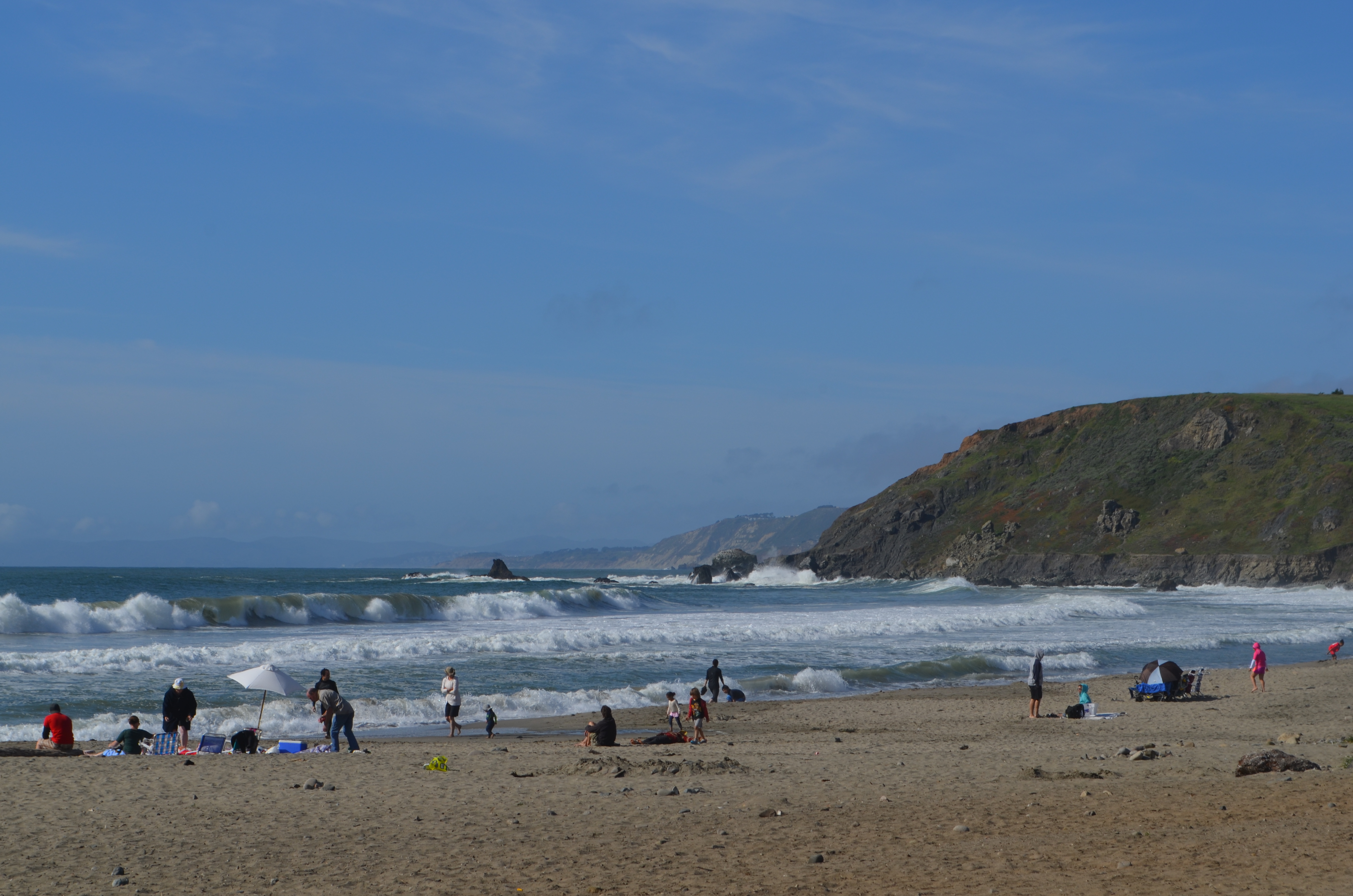
When you live in a city, you need to leave every now and then, travel the quieter spaces of rural areas. Every state and country has them and you need to be there to get a true perspective on what a region is about. You need to put the crazy ways of the city up against the quiet ways of the country and understand the people who inhabit both.

I’d never really been in Southwest Oklahoma, so I went. Staying in Quartz Mountain Resort, in the middle of agricultural and cattle lands, traveling to Wichita Mountains Wildlife Refuge, a national treasure, and driving through the small towns and rural roads was a trip that taught me much more about my state, adding to what I know and love about our country.

I love the county seats, like Cordell, with its beautiful county courthouse in the middle of the plaza. This one is on the national historic register, designed by the same architect who designed the state capitol.
IMG_3367

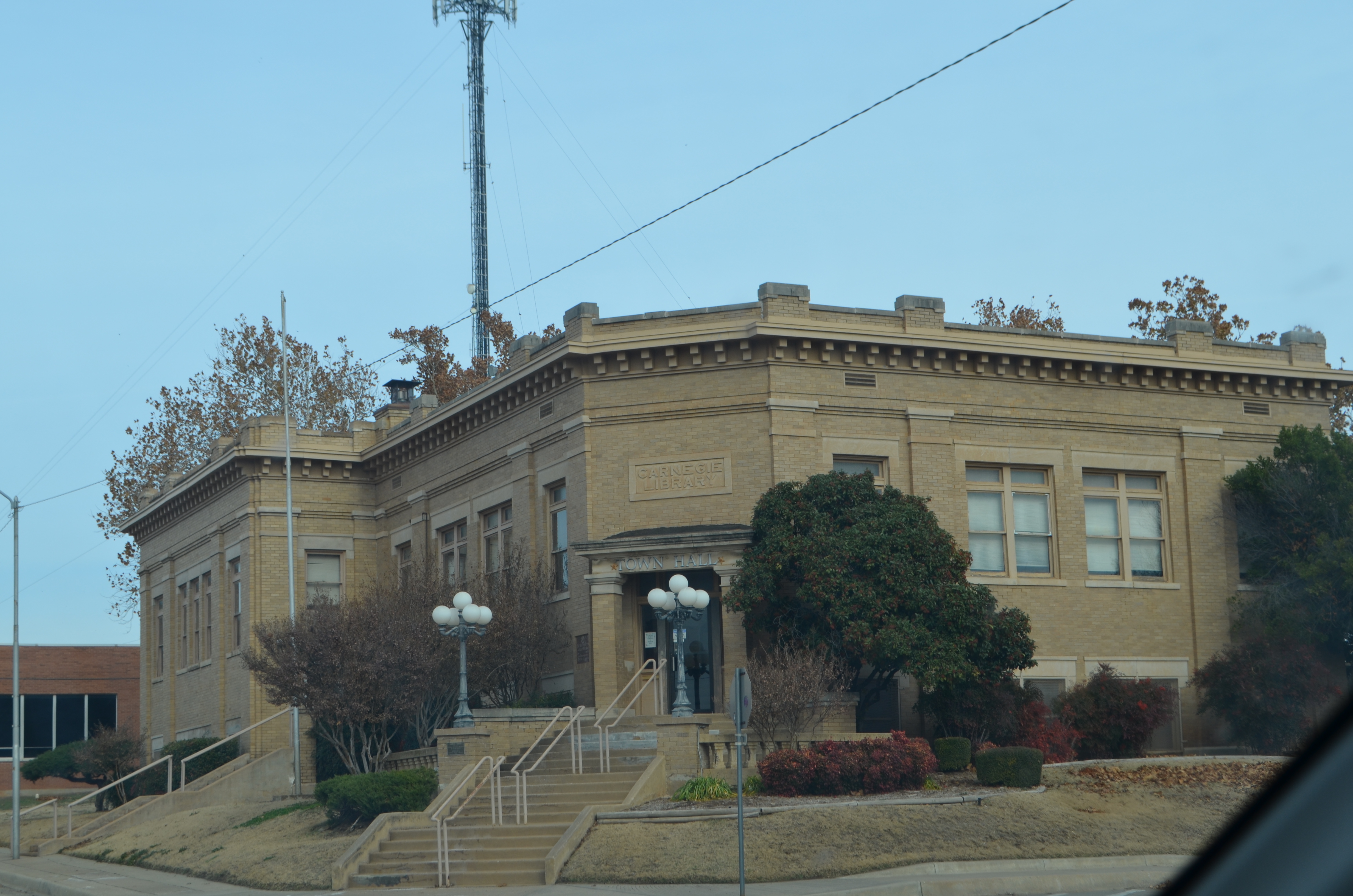
I love the towns that still have their Carnegie libraries, like Lawton.

IMG_3429

Lawton has destroyed their historic downtown, replacing it years ago with a mall, but they did keep the lovely home of Mattie Beal, a young telephone operator from Kansas whose name was drawn in the land lottery, giving her the means to become one of the city’s most beloved benefactors.

IMG_3431

I love the little touches of the past preserved, like this Phillips station in Altus.

IMG_3424

And this stop light in Hobart.

IMG_3493

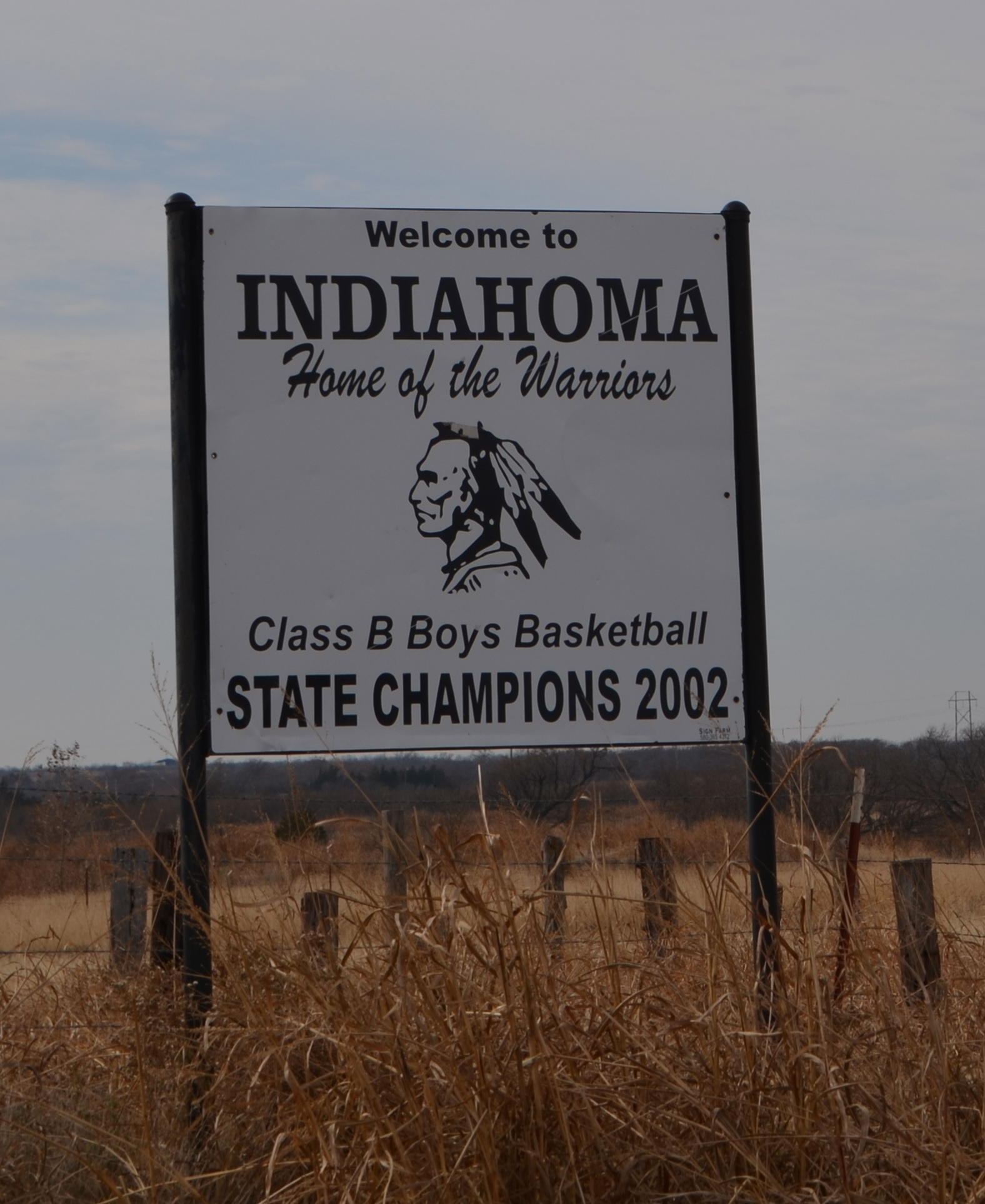
And the little towns that were built on hope and never really went anywhere. Who wouldn’t like to say they are from Indiahoma, Oklahoma? Say what?

IMG_3427

IMG_3428

Or Gotebo, pronounced Go’-Tee-Bow, where the most going business is dog grooming from the looks of things.

DSC_0283

I love the little old movie theaters like the Redskin in Anadarko, a mostly Native American community, where they can get away with politically incorrect things like that,

DSC_0284

and the Washita in Chickasha…a mouthful…

DSC_0291

I love small town holiday decorations like these in Roosevelt

IMG_3488

or these original street light decorations in Chickasha

DSC_0294

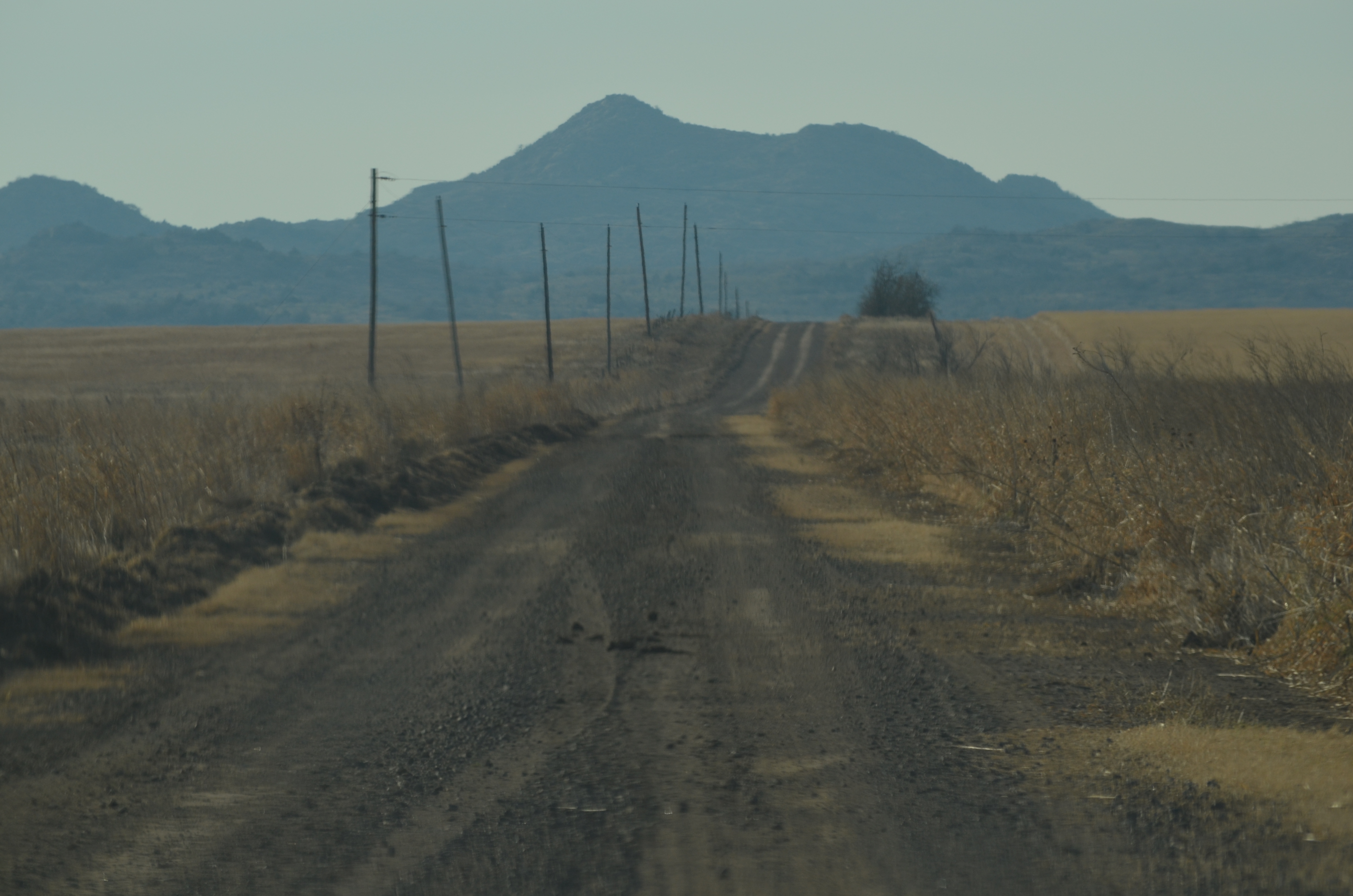
And I love the rural roads

IMG_3483

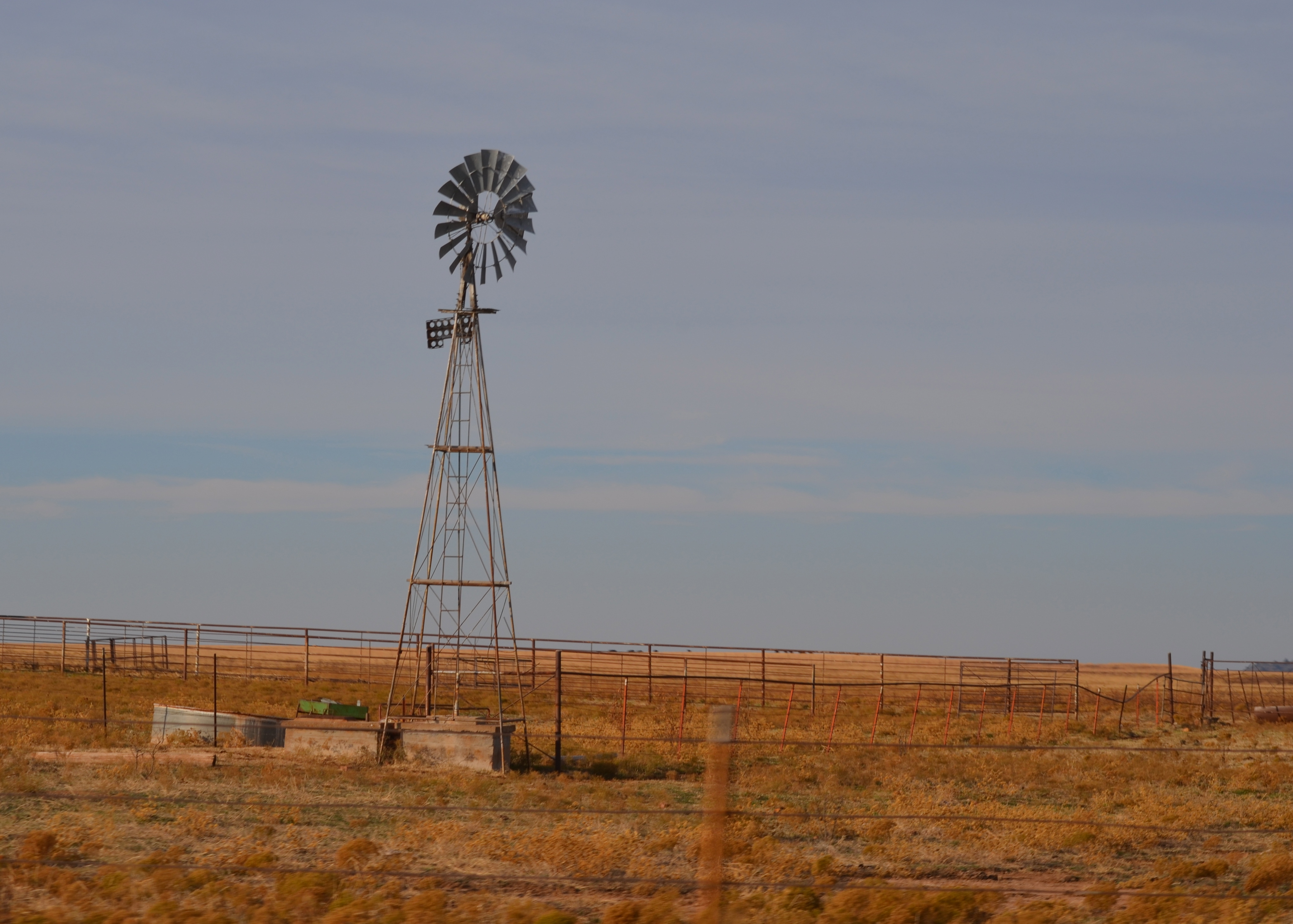
taking me through wide open spaces littered with the past

DSC_0268

IMG_3485

IMG_3487

IMG_3481

and the present

DSC_0270

DSC_0281

through areas of great agriculture. I had no idea how much cotton we grow in Oklahoma or that we harvest until December…

DSC_0287

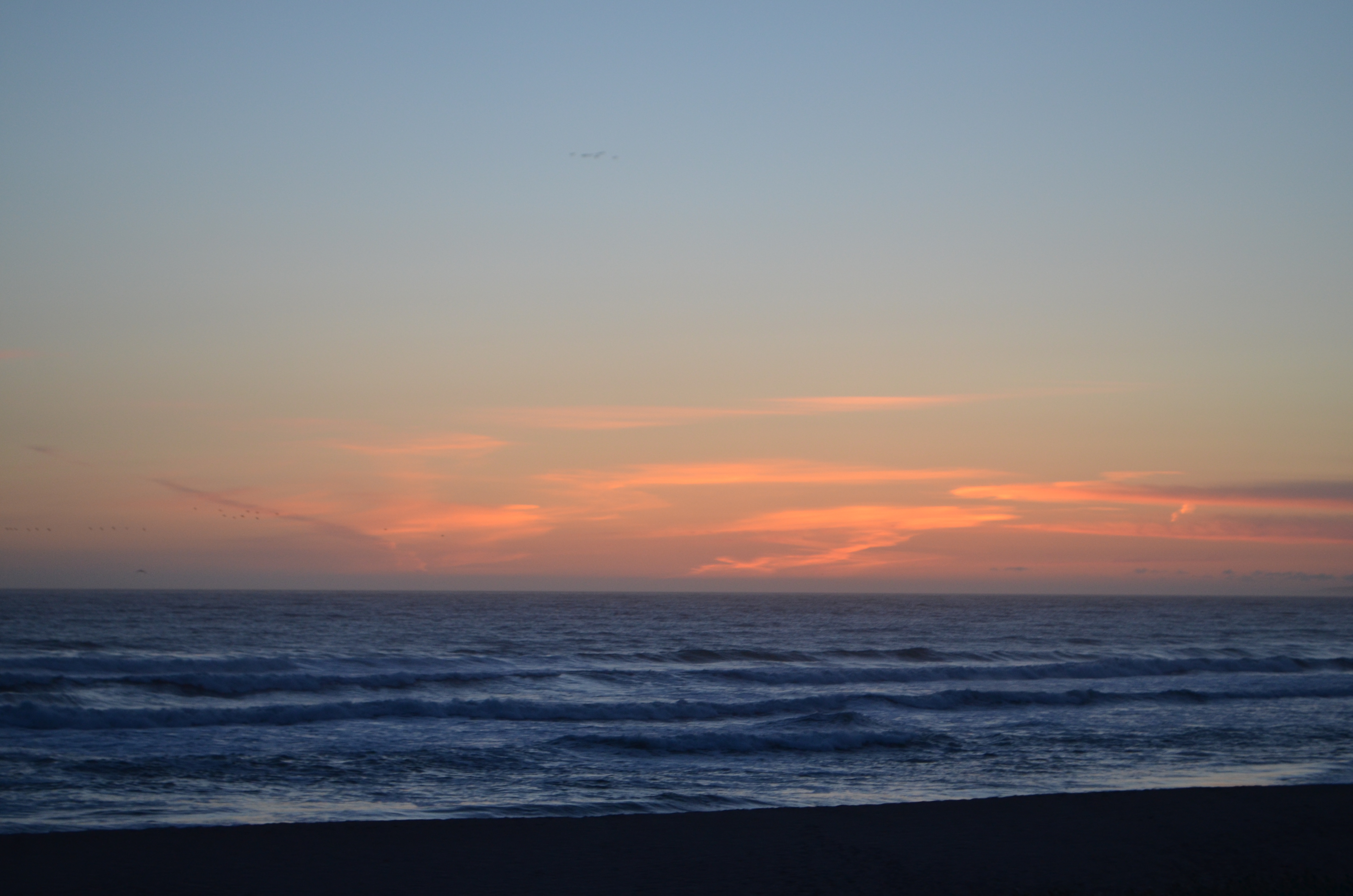
The rural areas bring you the peace of the end of the day. I love the sun going down in Hobart with its important grain elevators.
IMG_3491

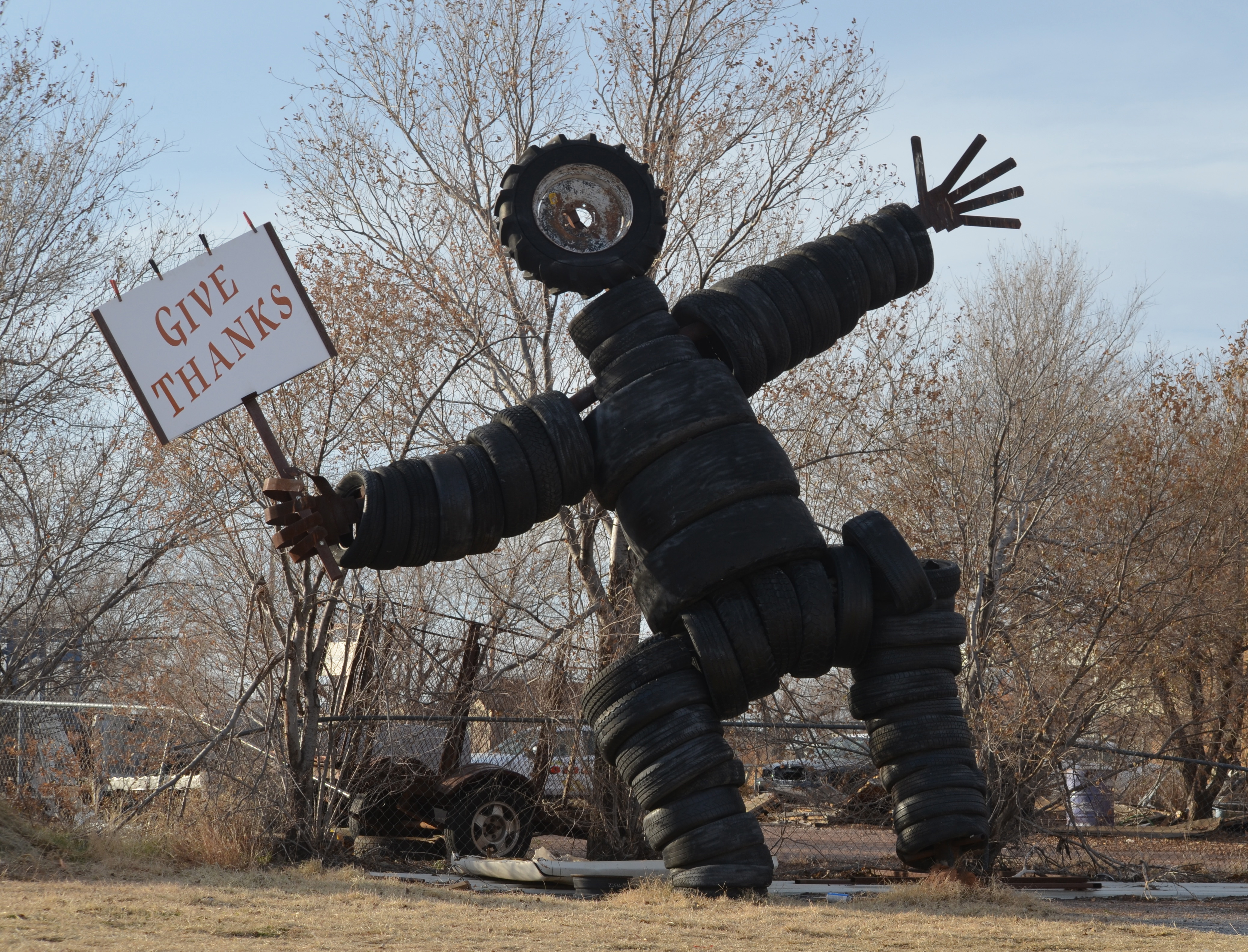
And you find humor in the most unexpected places…like this guy in Roosevelt…

IMG_3489

I’m back in the city, but always thankful for those rural areas that provide the perspective I need…

On Veterans Day, it’s appropriate to thank all of our veterans and their families. Thinking back on my own veterans, my thoughts go to all my family members who played a part in any war. Thanks to all of them…

My father, a Lt Colonel in the Air Force in World War II, who was a Squadron Commander flying bombers from Africa to Italy. His men never forgot him.

Scan 28

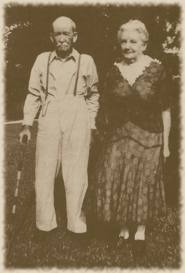
My grandparents who sent three sons and a son-in-law to war. Their youngest son, pictured with my grandfather, didn’t return…shot down over Germany.

Clayton & Bill

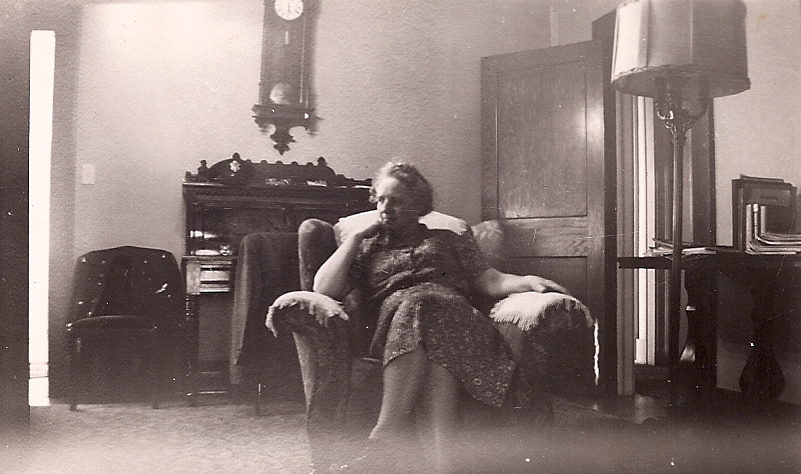
My grandmother never got over that loss…

Aggie on 39th St

My other grandmother sent both her sons to war. She stayed home and packed parachutes at Ardmore Air Base.

Jerry West & Artie West (2)

My mother worked on the Air Base, where she met my father. They married at the end of the war.

Betty & J C Hamilton wedding

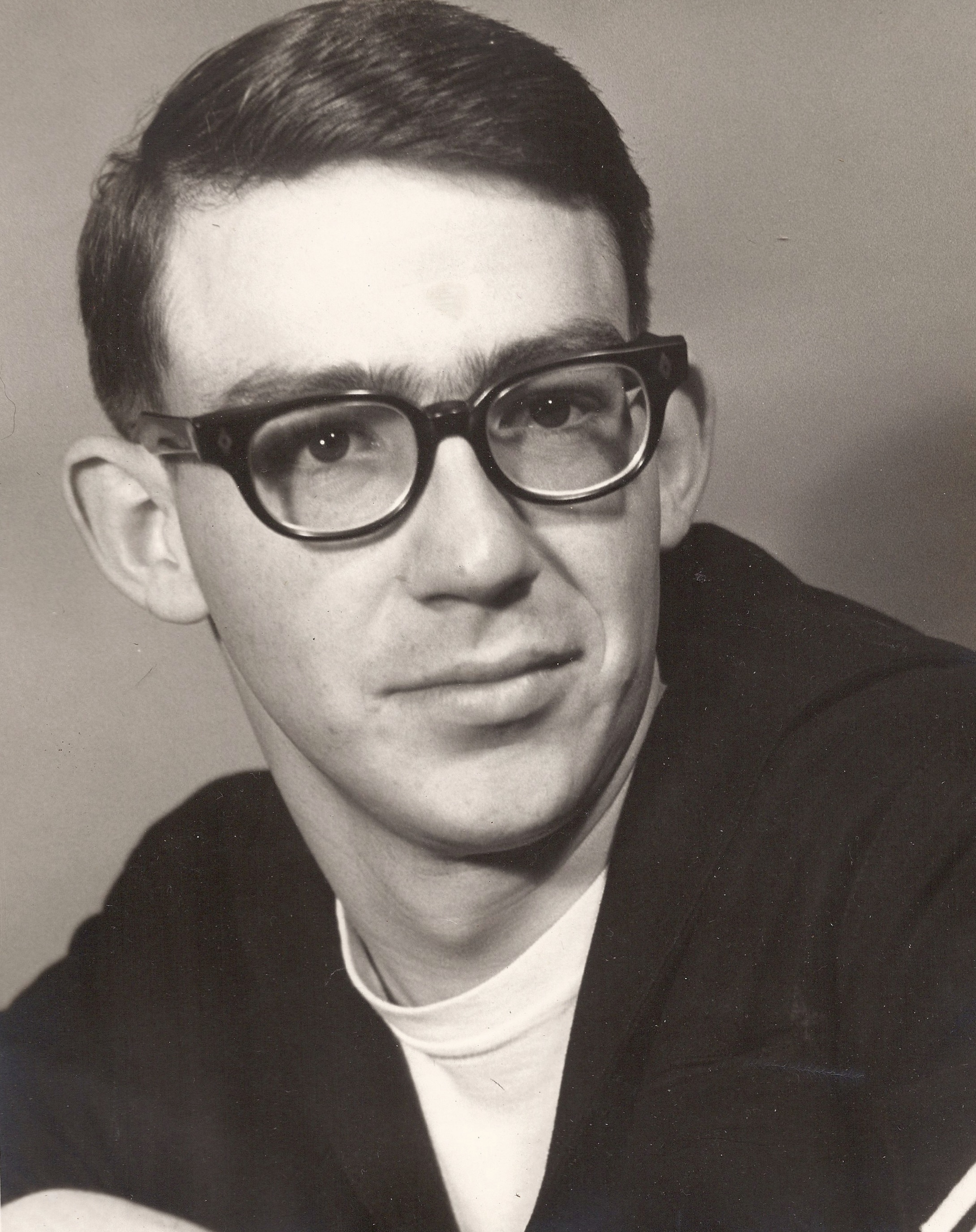
My husband, who served in the Navy during the Viet Nam War. His post was state-side, but he served with pride.

Scan 1

I salute all the men and women who serve and those who wait for them. It’s about all of them giving for all of us. Thank you!

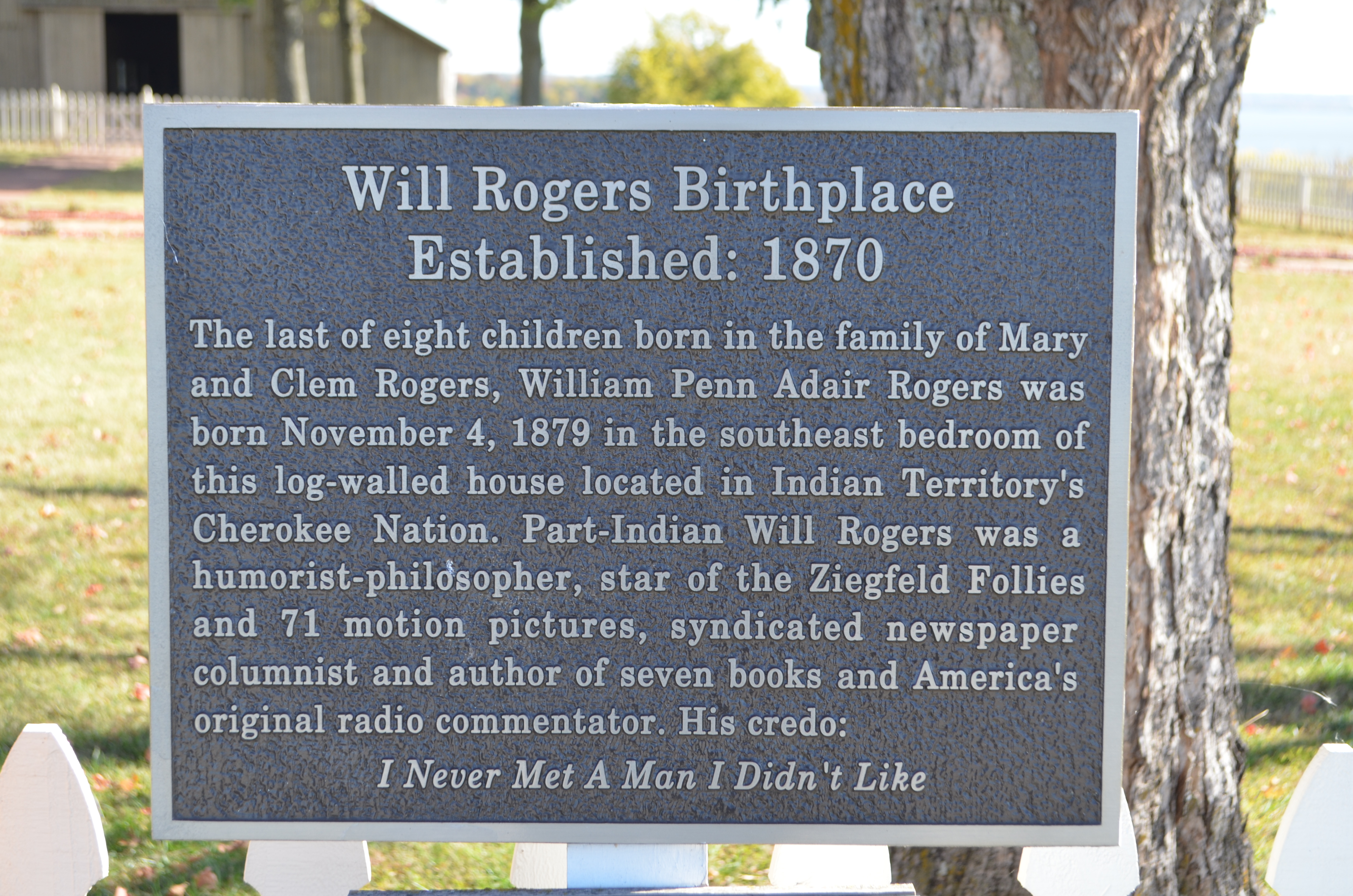
Will Rogers is about as Oklahoman as you can get. Part Cherokee, Oklahoma born, a state and national treasure. I grew up knowing about Will Rogers, visiting the memorial in Claremore several times. Later I worked in Claremore for a short time and visited it whenever I could. I even worked with some of Will’s descendants, many still living in the area. I had also been to his birthplace and have read several biographies, the best ones, in my opinion, being “Our Will Rogers,” by Homer Croy, an old friend, and “Will Rogers,” by Betty Rogers, his wife. In California, I visited his home with the polo fields and the comfortable house that I’d seen in photos.

Yesterday, I happened to be in Oologah and stopped by his birthplace for a random visit. The house was moved from its original location when Lake Oologah was developed, flooding the original 60,000 acre ranch owned by the Rogers family. Today, it is a beautiful 400 acre location high on the shores of the lake and lovingly cared for. It’s so unassuming for something so special. You barely see the sign on Hwy 169 in Oologah that tells you to turn and cross the railroad tracks, heading down a country road. The entrance to the Dog Iron Ranch is simple.

DSC_0003

DSC_0008

The house was called The White House of the Verdigris, the river that became the lake. It stood proud on the prairie, a testament to the hard work of Clem Rogers and his wife, Mary.

DSC_0005

When you read the biographies, you know that Will lived a wonderful life in that home. Standing by the room where he was born, peeking into the parlor where his parents entertained visiting politicians, family friends and the young people of the area as his mother played the piano and they sang in front of the fireplace, I could feel them all. I pictured the dances in the dining room when they rolled up the rug or pulled taffy in front of the stove. It was as good a life as you could have in those times. Hard work, clean living, loving family, fun times together.

Listening to the love in the video narrated by Will Rogers, Jr., you have to feel proud of this family who contributed so much to our state and to the youngest child, the son who became the pride of a nation.

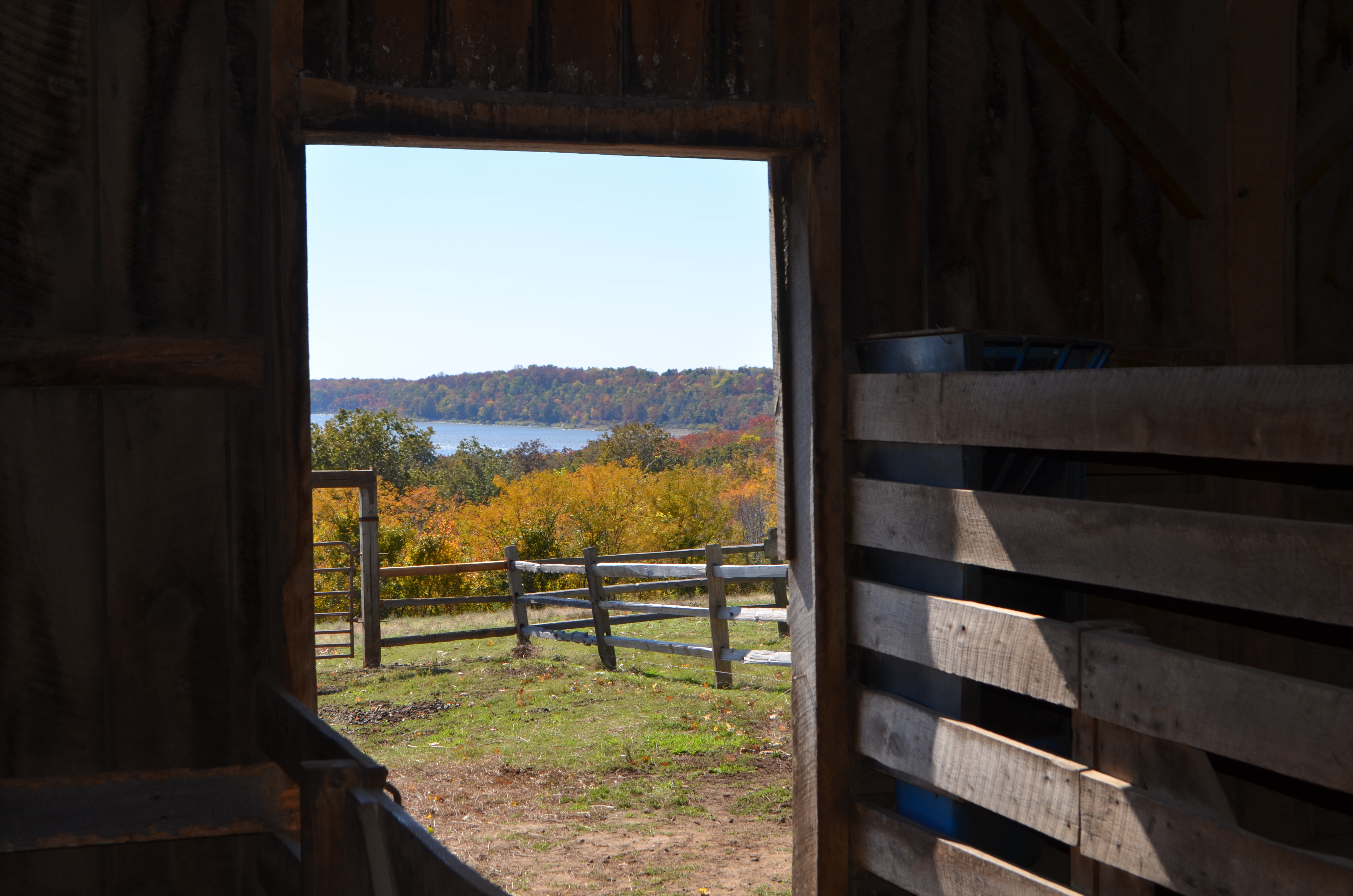
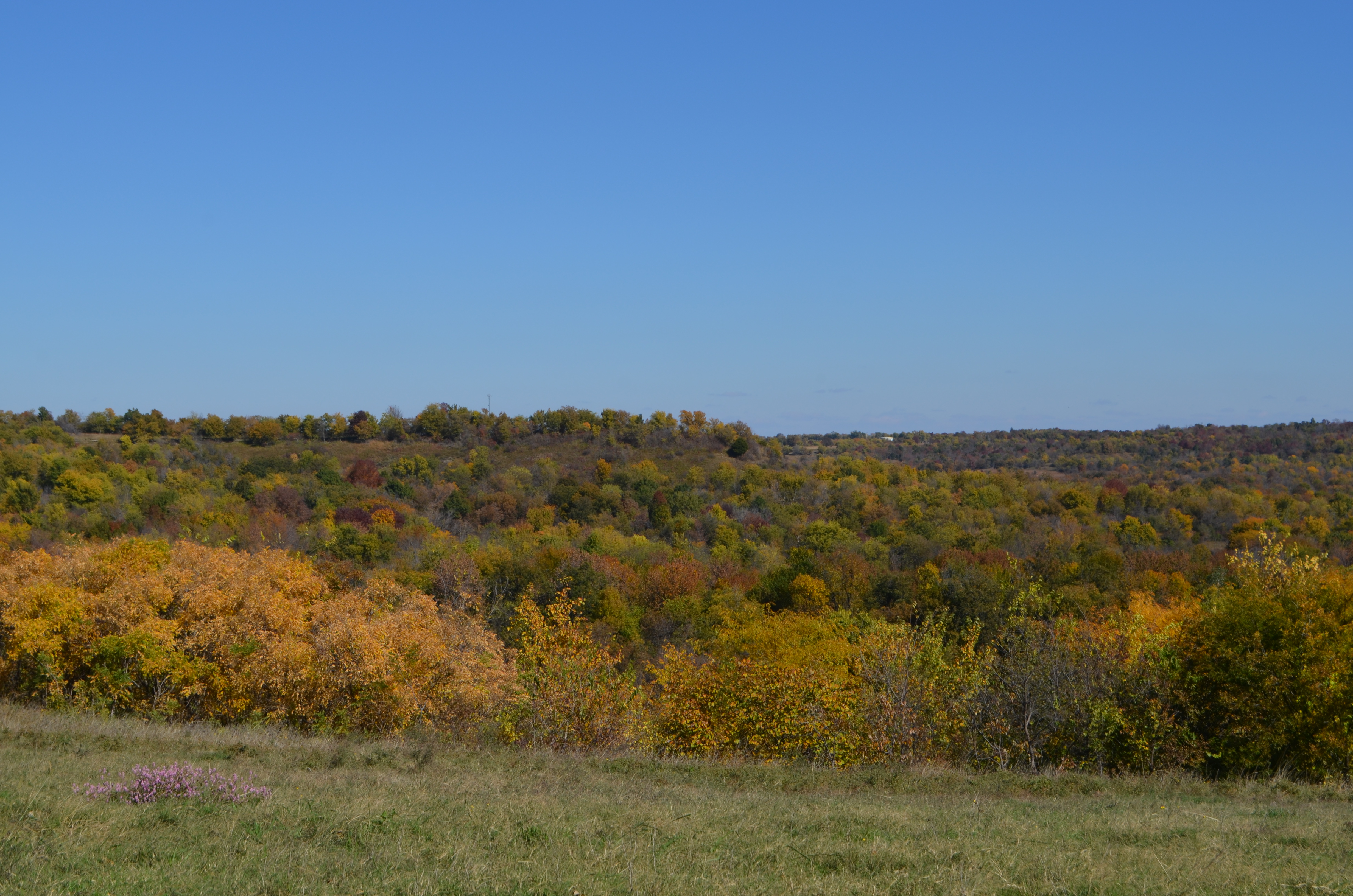
This happened to be a beautiful fall day, gorgeous to walk and enjoy the fall colors around the grounds and the lake. The barn was built in 1960 by Amish carpenters who used the techniques of the original barn. There were horses saddled and ready to ride, chickens running around and a couple of longhorn steers in the corrals. There are only fifty of them now rather than the 10,000 that Will worked with in his cowboy days on the ranch.

DSC_0006

DSC_0013

DSC_0017

DSC_0015

The guestbook recorded visitors from around the world who know of Will Rogers and came to see where he had his beginnings. Oklahomans continue to visit, remembering his life into the next generations. That was comforting to me, because it would be a sad world that didn’t remember the wisdom of this man who touched so many. In the end, it was a lovely stop on a gorgeous day.

DSC_0009

DSC_0010

DSC_0011

DSC_0020

Well worth a stop if you’re ever near Oolgah, Oklahoma. Here’s a favorite Will Rogers quote for today…

“Do the best you can and don’t take life too serious.”